建制专卷第2卷:马来亚人民抗日军(MPAJA,1941–1945):战时集结、八大独立队森林游击战与战后扩展复员
Armed Forces Monograph Vol. 2: Malayan People's Anti-Japanese Army (MPAJA, 1941–1945): Wartime Mobilization, Eight Independent Regiments & Post-War Demobilization
【第一历史时期建制总览】1941年末战时集结(马共选派约160名党员赴新加坡英国101特别训练学校受训) ➔ 1942–1945年森林游击战(创建八个独立队,广泛开展敌后伏击,破坏日军交通、补给与通讯线,并与盟军136部队建立战略协作) ➔ 1945年扩展与复员(马共成员近8,000人、抗日军逾10,000人、民兵数万人;公开复员缴交部分武器,同时秘密保留核心领导层、组织网络与部分枪支)。本卷完整还原马共第一支正规人民武装的诞生与辉煌战绩。
[First Armed Force Era Overview] Late 1941 Wartime Mobilization (160 CPM members trained at the British 101 Special Training School in Singapore) ➔ 1942–1945 Jungle Guerrilla Warfare (8 Independent Regiments disrupting Japanese transport, supply, and communications in coordination with Allied Force 136) ➔ 1945 Expansion & Demobilization (nearly 8,000 CPM members, over 10,000 MPAJA fighters, tens of thousands of militia; public demobilization while retaining core leadership, underground networks, and hidden arms).
第一章:1941年末战时集结:抗日统一战线与新加坡101特别训练学校
Chapter 1: Late 1941 Wartime Mobilization: The Anti-Fascist United Front and Singapore's 101 Special Training School
1941年12月8日凌晨,日本陆军在吉兰丹哥打峇鲁强行登陆,太平洋战争全面爆发。面对十万英军在日军凌厉攻势下节节败退的危局,马来亚共产党于12月10日向全马各族人民发出“行动起来,武装起来,抗日卫马”的庄严号召,主动调整对英政策,提出与英国殖民当局结成反法西斯抗日统一战线。
在战火逼近星洲的紧急关头,英国殖民当局释放了关押在全马各地监狱中的近两百名马共干部与党员。马共中央随即将约160名政治坚定、体魄强健的青年党员送入英国特别行动执行处(SOE)在新加坡丹戎巴葛设立的“101特别训练学校”(STS 101)。在短短数周的速成特训中,这批马共学员掌握了森林战术、烈性炸药爆破、枪械射击与敌后潜伏技能,旋即潜回雪兰莪、森美兰、柔佛与霹雳腹地,成为缔造马来亚人民抗日军(MPAJA)的第一批火种与指挥骨干。
In the early hours of 8 December 1941, Imperial Japanese forces landed at Kota Bharu, Kelantan, igniting the Pacific War in Malaya. As British colonial defenses crumbled across the peninsula, the Communist Party of Malaya issued a clarion call on 10 December—'Rise up, arm yourselves, resist Japan and defend Malaya!'—and forged an anti-fascist united front with the British authorities.
Under wartime urgency, the British colonial government released nearly two hundred imprisoned CPM cadres. The Party selected approximately 160 dedicated members to undergo intensive guerrilla and demolition training at the British Special Operations Executive's '101 Special Training School' (STS 101) in Singapore. Dispatched behind Japanese lines into Selangor, Negeri Sembilan, Johor, and Perak before the fall of Singapore, these 160 graduates became the founding nucleus of the Malayan People's Anti-Japanese Army (MPAJA).
【1941 – 1945 抗日阶段】
第二次世界大战期间,日本占领马来亚。马共建立马来亚人民抗日军,在森林与乡村地区展开游击战,成为主要抗日力量之一。这一时期不仅奠定了马共的军事经验与组织网络,也为其战后影响力的扩大打下基础。
【1941年末 - 战时集结】
战争爆发前夕,马共与英国合作抗日,选派约160名成员到新加坡第101特别训练学校受训,成为马来亚人民抗日军的核心骨干。[1941 – 1945 Anti-Japanese Period]— 录自《马来亚人民抗日军 (MPAJA) 1941–1945》原始文献(第一、二节) | Verbatim Transcription from 'Malayan People's Anti-Japanese Army (MPAJA) 1941–1945' Primary Chronicle (Sections 1 & 2)
During the Japanese Occupation in World War II, the CPM formed the Malayan People's Anti-Japanese Army (MPAJA) and waged guerrilla warfare from jungle and rural areas, becoming one of the main anti-Japanese resistance forces in Malaya. This period laid the foundation for the Party's military experience, organisational network and post-war influence.
[Late 1941 - Wartime Mobilisation]
As war approached, the CPM cooperated with the British against Japan and sent around 160 members for training at the 101 Special Training School in Singapore. They later formed the core of the MPAJA.
第二章:1942–1945年森林游击战:八大独立队纵横敌后与反法西斯中流砥柱
Chapter 2: 1942–1945 Jungle Guerrilla Warfare: Eight Independent Regiments Behind Enemy Lines
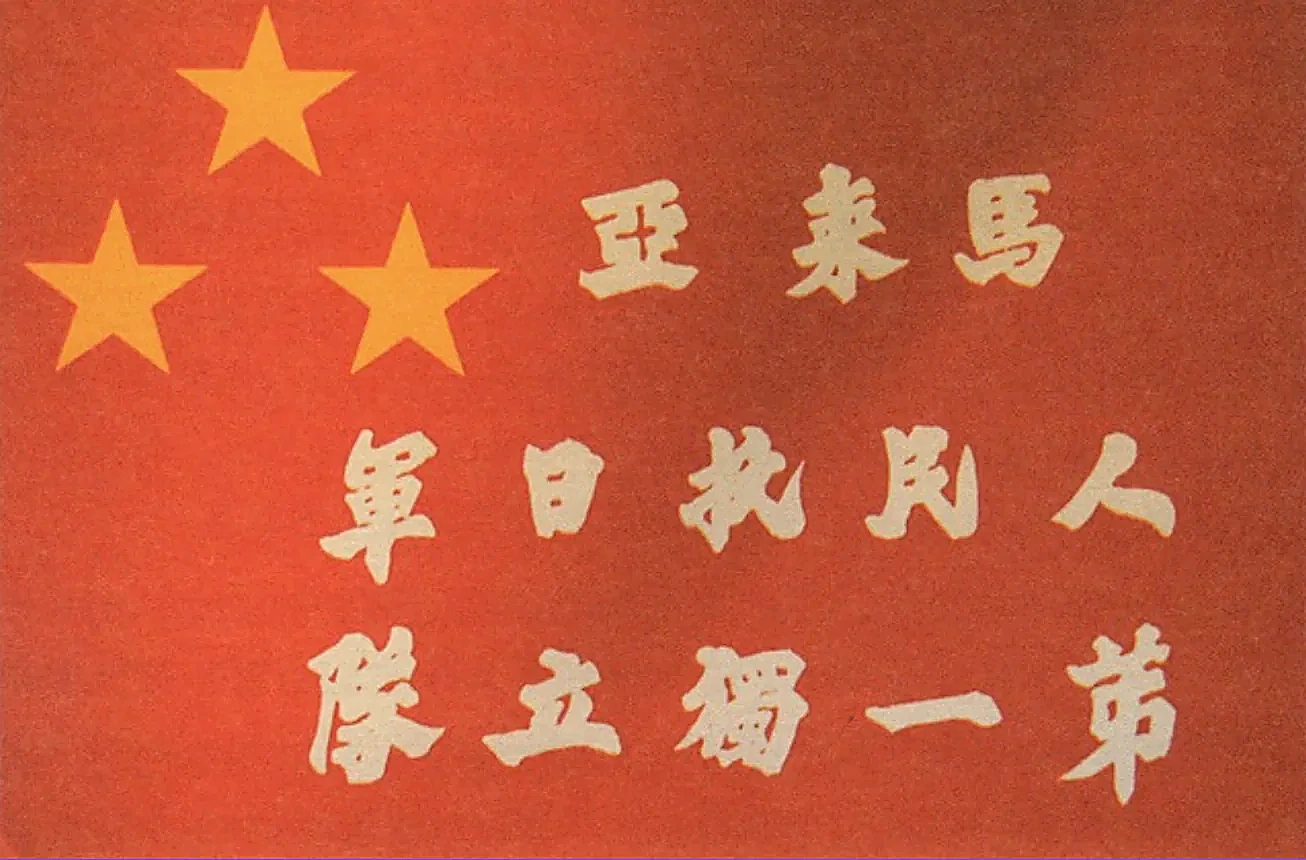
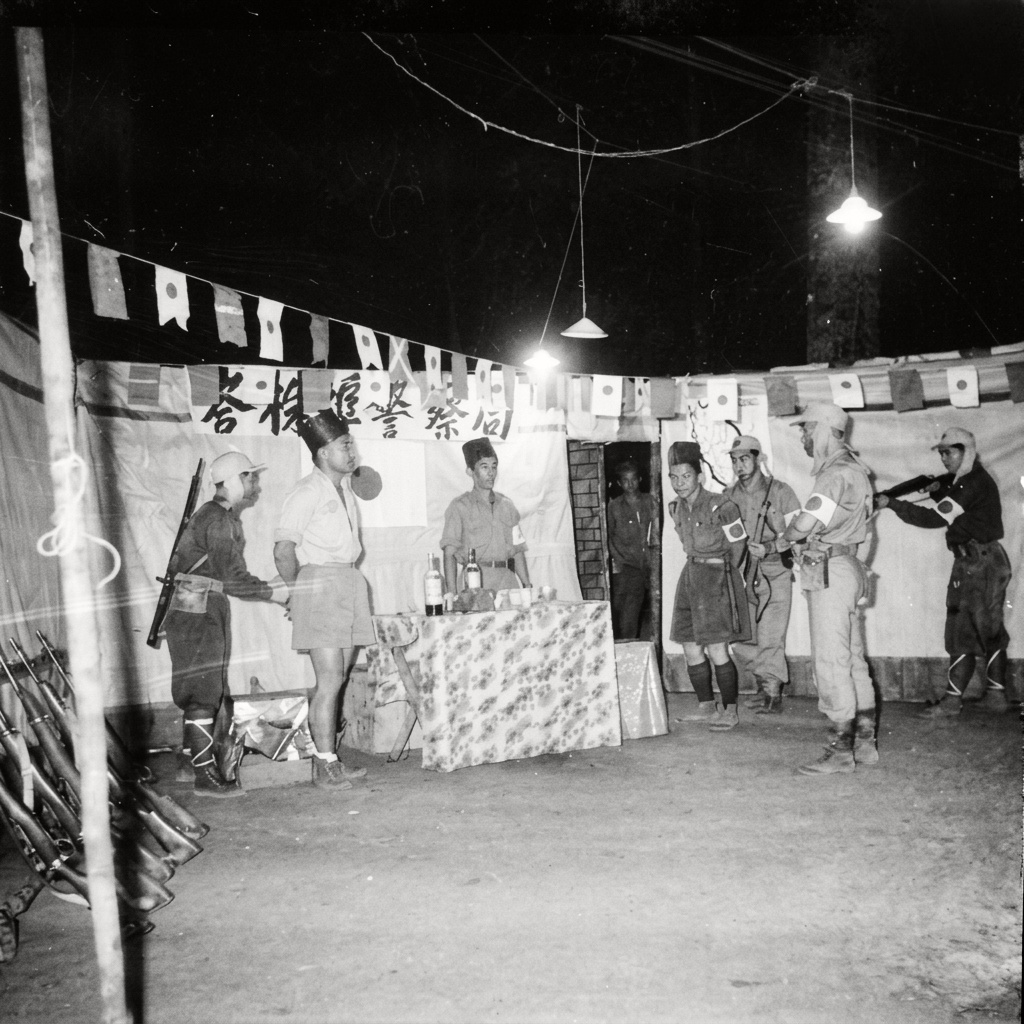
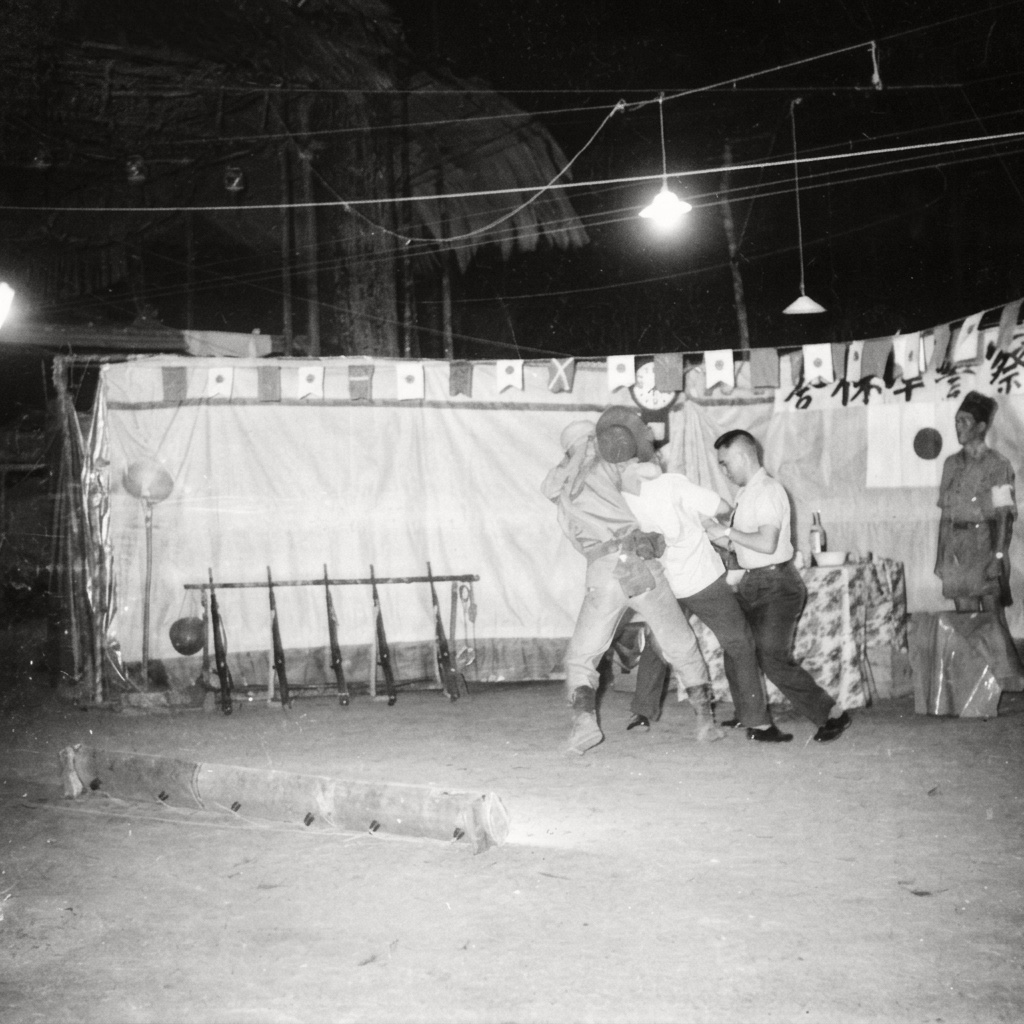
1942年2月15日驻新英军十万人向山下奉文投降后,日军在新加坡与马来亚各地制造了惨绝人寰的“肃清大检证”与乡村屠杀,马来亚人民陷入空前浩劫。在这最黑暗的三年零八个月里,马来亚人民抗日军成为了全马唯一自始至终成建制坚持武装抵抗的抗日武装力量。抗日军在全马相继建立起八个独立队,依靠遍布胶林、锡矿与农村的“抗日同盟会”群众网络,在热带雨林深处开辟了数十座秘密营地与军事学校。
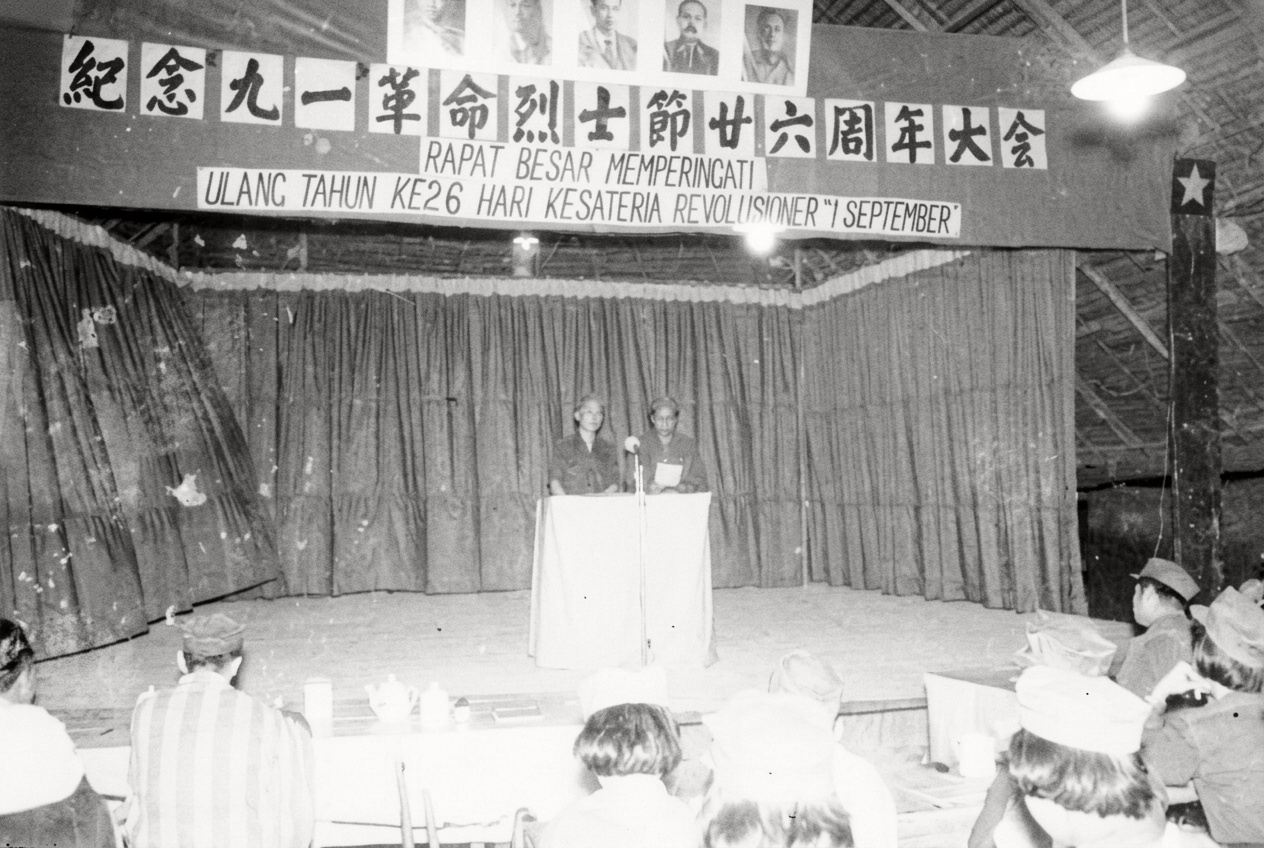
八大独立队指战员克服早期缺枪少弹、疟疾肆虐与日军残酷扫荡(如1942年9月1日石山脚“九一事件”)的艰难险阻,灵活运用伏击战、破袭战与麻雀战,持续截击日军军列、炸毁桥梁、破坏铁道补给与通讯线路,先后与日伪军作战340余次,毙伤敌军5,500余人。各独立队不仅开展严格的军事战术训练,还在密林中创办油印报刊、组织识字班与抗日剧团,将整支军队锻造为兼具高度政治觉悟与顽强战斗力的革命武装。
Following the surrender of 100,000 British troops in Singapore on 15 February 1942 and the ensuing Japanese Sook Ching massacres across the peninsula, the MPAJA stood as the sole organized armed force sustaining continuous resistance inside Malaya. Expanding into eight Independent Regiments backed by the underground Anti-Japanese Union civilian network, the guerrillas established dozens of deep-jungle base camps and military academies.
Overcoming severe shortages of weapons, tropical disease, and relentless Japanese encirclement campaigns, the eight Independent Regiments executed over 340 ambushes and sabotage operations against Japanese railways, bridges, supply convoys, and communications lines, inflicting more than 5,500 enemy casualties while conducting political education and literacy classes in the forest.
【1942–1945 - 森林游击战】
抗日军先后在马来亚各地建立八个独立支队,依靠森林基地与地方支援网络,持续破坏日军交通、补给与通讯线。[1942–1945 - Jungle Guerrilla Warfare]— 录自《马来亚人民抗日军 (MPAJA) 1941–1945》原始文献(第三节) | Verbatim Transcription from 'Malayan People's Anti-Japanese Army (MPAJA) 1941–1945' Primary Chronicle (Section 3)
The MPAJA established eight independent regiments across Malaya. Relying on jungle bases and local support networks, it disrupted Japanese transport, supply lines and communications.
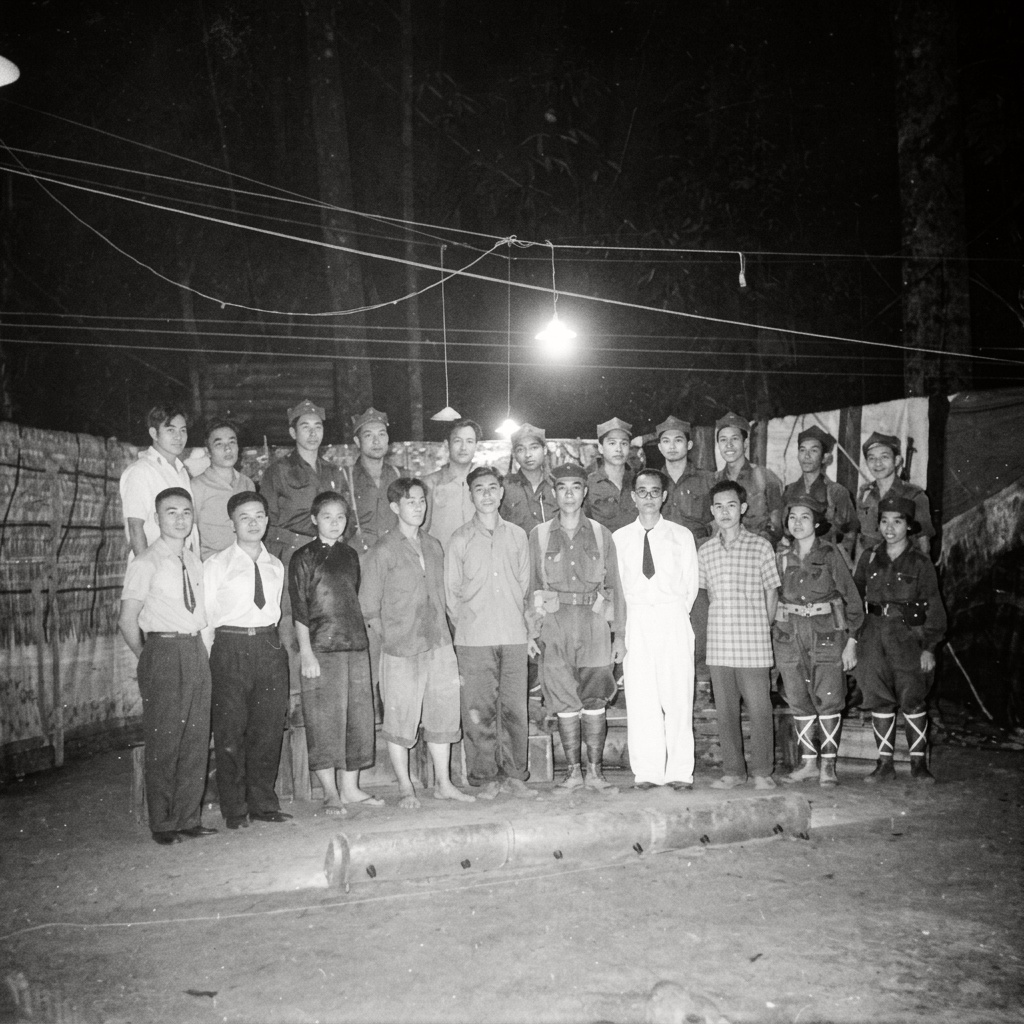
第三章:1945年扩展与复员:拥兵逾万的鼎盛声势与深谋远虑的革命火种
Chapter 3: 1945 Expansion and Demobilization: Peak Strength of Over 10,000 Fighters and Strategic Foresight
1945年8月15日日本宣布无条件投降时,英军主力尚在远洋途中,马来亚人民抗日军迅速从森林挺进全马大小城镇维持社会秩序,实施了短暂而高效的实质地方管治。至战争结束时,马共党员已发展至近8,000人,人民抗日军正规指战员逾10,000人,外围抗日自卫队与后备民兵更达数万人之众,在全马各族人民心中享有空前崇高的政治威望。
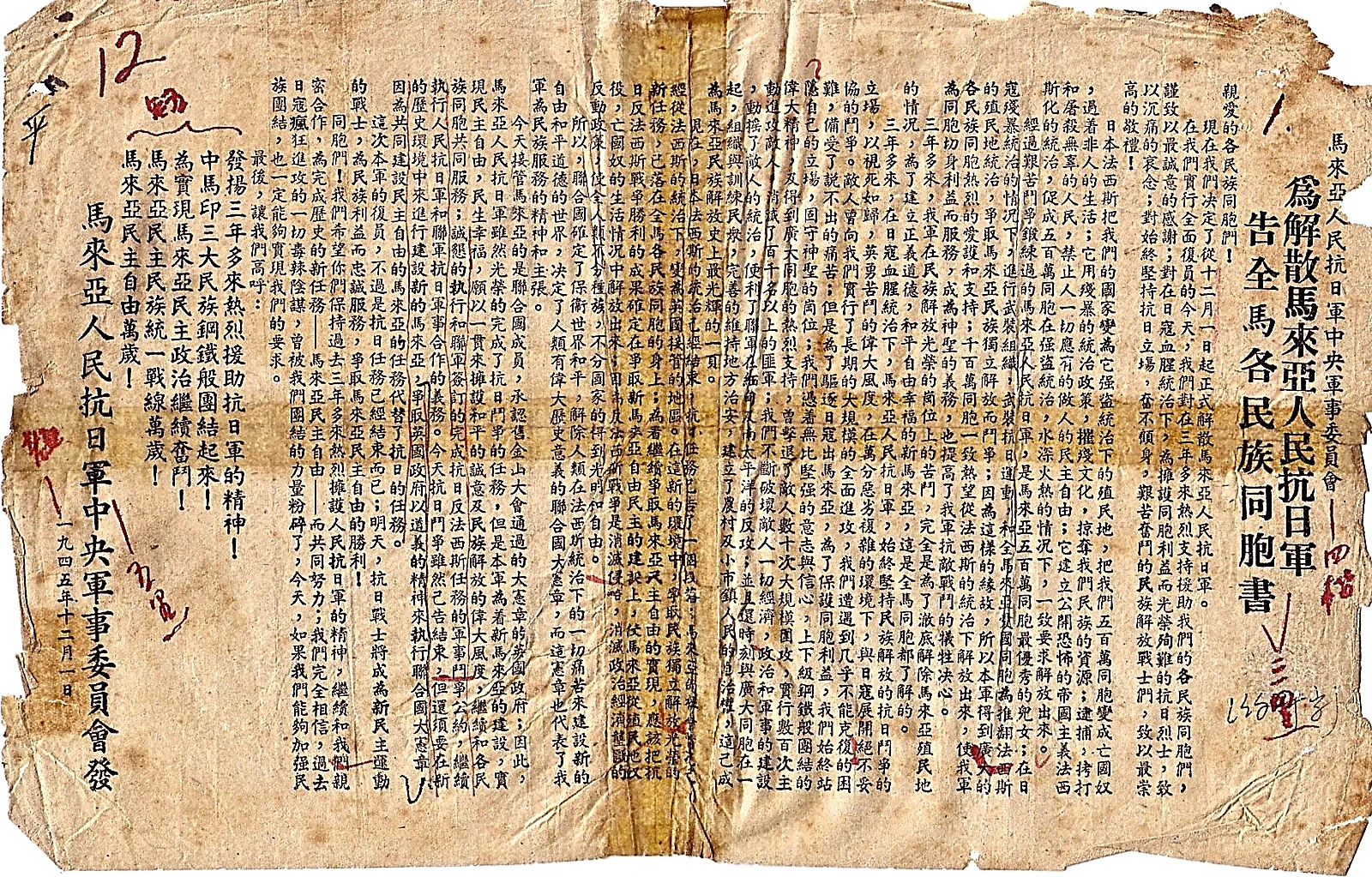
1945年12月1日,根据与英国军事管制当局(BMA)达成的协议,马来亚人民抗日军在全马各地举行庄严的公开复员典礼,向英军移交了盟军空投及缴获的明面武器。然而,尽管内奸莱特推行右倾投降主义路线、企图彻底解散人民武装,以陈平、刘尧、陈田等为代表的坚定革命骨干仍清醒预见到英殖民统治卷土重来的威胁,在复员过程中秘密保存了核心领导体系、“人民抗日军退伍同志会”组织网络以及深埋于森林地下的大批精良武器,为1948年紧急状态爆发后迅速重建马来亚民族解放军保留了决定性的战略火种。
When Japan announced its unconditional surrender on 15 August 1945 while British forces were still at sea, MPAJA units swiftly emerged from the forests to maintain public order and exercise de facto local administration across Malayan towns. By war's end, the CPM had grown to nearly 8,000 Party members, with over 10,000 regular MPAJA combatants and tens of thousands of auxiliary militia, commanding immense prestige among the population.
On 1 December 1945, under agreements with the British Military Administration (BMA), the MPAJA held formal demobilization ceremonies across Malaya and handed over its publicly registered weapons. Yet vigilant Party cadres—foreseeing the inevitable clash with returning British colonialism despite the capitulationist line pushed by the mole Lai Teck—quietly preserved their core command structures, the MPAJA Ex-Service Association network, and secret jungle caches of superior weaponry, safeguarding the vital seed for the Malayan National Liberation Army in 1948.
【1945 - 扩展与复员】
至战争结束时,抗日军已发展为一支组织严密的力量。
马共成员近8,000人|抗日军成员逾10,000人|民兵数万人
日本投降后,抗日军公开复员并移交部分武器,但仍保留核心领导层、组织网络与部分枪支。[1945 - Expansion & Demobilisation]— 录自《马来亚人民抗日军 (MPAJA) 1941–1945》原始文献(第四节) | Verbatim Transcription from 'Malayan People's Anti-Japanese Army (MPAJA) 1941–1945' Primary Chronicle (Section 4)
By the end of the war, the MPAJA had grown into a well-organised force.
CPM members: nearly 8,000 | MPAJA fighters: over 10,000 | Militia: tens of thousands
After Japan's surrender, the MPAJA was formally demobilised and handed over part of its weapons, while retaining its core leadership, organisational network and some arms.