第11集:紧急状态“6.20”的枪声与民族解放军建军
Episode 11: The Gunfire of June 20 Emergency and the Founding of the Malayan National Liberation Army
1948年6月16日霹雳和丰三名英国殖民园主被处决,引爆了积压已久的阶级压迫与反抗怒火。殖民当局以此为借口,于6月20日将紧急状态强行推向全马,动用八大血腥特权展开白色恐怖大清洗。面对殖民绞索,马共中央毅然组织抗英自卫武装转入丛林,并于1949年2月1日同马来亚民族解放军总司令部联合发表《马来亚民族解放军建立宣言》,揭开了长达十二年抗英民族解放战争的壮阔序幕。
On June 16, 1948, the execution of three British plantation managers in Sungei Siput unleashed decades of accumulated anti-colonial outrage. Seizing on this pretext, colonial authorities extended the Emergency nationwide on June 20, unleashing draconian powers of arrest, deportation, and execution. Facing total suppression, the CPM Central Committee organized armed self-defense forces into the jungle and, on February 1, 1949, jointly issued the historic Manifesto on the Founding of the Malayan National Liberation Army (MNLA) with the MNLA General Headquarters, initiating twelve years of anti-imperialist armed resistance.
第一章:和丰橡胶林的拂晓枪声:长期劳资血汗剥削与反抗火种的必然引爆
Chapter 1: Dawn Gunfire in the Sungei Siput Rubber Estates: Labor Exploitation and the Inevitable Spark of Resistance
1948年6月16日清晨8时许,在马来亚霹雳州和丰(Sungei Siput)郁郁葱葱的橡胶林深处,清脆的枪声震碎了殖民地的宁静。在爱菲尔园丘(Elphil Estate)与甘文宁园丘(Kamuning Estate)的办公室内,三名长期横暴虐待劳工、充当殖民警察暗探的英国籍种植园经理:阿瑟·E·沃克(Arthur Walker)、约翰·M·艾利森(John Allison)以及伊恩·D·克里斯蒂安(Ian Christian),被当地革命自卫工人的锄奸小组果断开枪处决。
长久以来,西方殖民史观极力将和丰事件歪曲为所谓‘毫无预警的野蛮恐怖袭击’。然而,深入考察战后三年的解密档案即可看清:和丰的枪声绝非孤立偶发的暴力,而是长期积累的阶级仇恨与反抗火种在生死关头的必然总爆发。
自1945年重返马来亚以来,英资种植园联合会(UPAM)与殖民当局对胶工实施了令人发指的法西斯式管理。胶工每天顶着烈日和热带雨林致命的疟疾割胶十几个小时,所得薪资在通货膨胀下甚至买不起几碗大米。不仅如此,园主们私设武装刑堂,对敢于组织工会、要求增加微薄薪资的工人代表施加鞭笞与殴打,并勾结殖民警察大开杀戒。
在1947至1948年全马工运大潮中,殖民警察在吉打居林、雪兰莪煤炭山以及柔佛园丘多次直接开枪打死和平罢工的工人代表,血案累累。当宪政请愿与和平罢工的所有和平道路被殖民统治者的子弹彻底封死,马来亚工人阶级除了拿起武器开展自卫反抗,已经没有任何退路!
Around 8 a.m. on June 16, 1948, the silence of Sungei Siput, Perak was shattered by gunfire. Inside the estate offices of Elphil and Big River rubber plantations, three British managers notorious for brutalizing laborers and acting as colonial police informants—Arthur Walker, John Allison, and Ian Christian—were shot dead by revolutionary worker self-defense units.
Colonial historiography painted Sungei Siput as 'unprovoked communist terrorism.' However, the historical record proves that these executions were the inevitable eruption of class rage generated by three years of ruthless post-war imperial exploitation and violent strike-breaking.
Following their post-war return, the United Planting Association of Malaya (UPAM) subjected estate workers to brutal management. Tappers worked twelve-hour shifts amidst endemic malaria for wages that could not buy basic sustenance. Planters operated private security forces, beating unionists and coordinating with colonial police to crush strikes.
Throughout 1947 and 1948, colonial police repeatedly opened fire on peaceful strikes in Kulim, Batu Arang, and Johor, murdering labor organizers. When every constitutional avenue was bathed in blood by British guns, the Malayan working class had no choice but to take up arms in self-defense.
1948年6月16日清晨8时许,在马来亚霹雳州和丰(Sungei Siput)郁郁葱葱的橡胶林深处,清脆的枪声震碎了殖民地的宁静。在爱菲尔园丘(Elphil Estate)与甘文宁园丘(Kamuning Estate)的办公室内,三名长期横暴虐待劳工、充当殖民警察暗探的英国籍种植园经理:阿瑟·E·沃克(Arthur Walker)、约翰·M·艾利森(John Allison)以及伊恩·D·克里斯蒂安(Ian Christian),被当地革命自卫工人的锄奸小组果断开枪处决。
长久以来,西方殖民史观极力将和丰事件歪曲为所谓‘毫无预警的野蛮恐怖袭击’。然而,深入考察战后三年的解密档案即可看清:和丰的枪声绝非孤立偶发的暴力,而是长期积累的阶级仇恨与反抗火种在生死关头的必然总爆发。
Around 8 a.m. on June 16, 1948, the silence of Sungei Siput, Perak was shattered by gunfire. Inside the estate offices of Elphil and Big River rubber plantations, three British managers notorious for brutalizing laborers and acting as colonial police informants—Arthur Walker, John Allison, and Ian Christian—were shot dead by revolutionary worker self-defense units.
Colonial historiography painted Sungei Siput as 'unprovoked communist terrorism.' However, the historical record proves that these executions were the inevitable eruption of class rage generated by three years of ruthless post-war imperial exploitation and violent strike-breaking.
自1945年重返马来亚以来,英资种植园联合会(UPAM)与殖民当局对胶工实施了令人发指的法西斯式管理。胶工每天顶着烈日和热带雨林致命的疟疾割胶十几个小时,所得薪资在通货膨胀下甚至买不起几碗大米。不仅如此,园主们私设武装刑堂,对敢于组织工会、要求增加微薄薪资的工人代表施加鞭笞与殴打,并勾结殖民警察大开杀戒。
在1947至1948年全马工运大潮中,殖民警察在吉打居林、雪兰莪煤炭山以及柔佛园丘多次直接开枪打死和平罢工的工人代表,血案累累。当宪政请愿与和平罢工的所有和平道路被殖民统治者的子弹彻底封死,马来亚工人阶级除了拿起武器开展自卫反抗,已经没有任何退路!
Following their post-war return, the United Planting Association of Malaya (UPAM) subjected estate workers to brutal management. Tappers worked twelve-hour shifts amidst endemic malaria for wages that could not buy basic sustenance. Planters operated private security forces, beating unionists and coordinating with colonial police to crush strikes.
Throughout 1947 and 1948, colonial police repeatedly opened fire on peaceful strikes in Kulim, Batu Arang, and Johor, murdering labor organizers. When every constitutional avenue was bathed in blood by British guns, the Malayan working class had no choice but to take up arms in self-defense.
当殖民者的刺刀与枪口封死了一切和平请愿的道路,当法制沦为殖民剥削的锁链,劳工大众唯有用铁血捍卫生存与尊严!When colonial bayonets and guns seal off every avenue of peaceful petition, and the legal system becomes an instrument of colonial exploitation, the working class has no choice but to defend its survival and dignity with blood and iron!— 泛马各业职工总会(PMFTU)抗议殖民当局血腥镇压宣言(1948年5月) | Pan-Malayan Federation of Trade Unions (PMFTU) Declaration Against Colonial Crackdown (May 1948)
第二章:6月20日全马白色恐怖大搜捕:八大血腥权力与法西斯式暴力统治
Chapter 2: The June 20 Nationwide White Terror Dragnet: Eight Draconian Powers of Colonial Martial Rule
和丰事件发生后,英殖民总督府迫不及待地以此为梦寐以求的借口,于1948年6月18日先在霹雳与柔佛实施戒严,紧接着在6月20日凌晨将极其严酷的‘紧急状态’闪电推向全马来亚联合邦与海峡殖民地全境。
6月20日当晚,全马来半岛陷入了空前未有的白色恐怖大搜捕。全副武装的英军突击队、廓尔喀雇佣兵与警察政治部军警倾巢出动,在各大城镇与工矿区挨家挨户破门搜查。仅在一夜之间,全马便有超过600名工会领袖、左翼政党干部与爱国进步知识分子被从睡梦中强行抓走;300多个独立合法的工会团体与进步出版机构被暴力砸毁并彻底查封。
伴随大搜捕出台的《1948年紧急状态条例》(Emergency Regulations Ordinance 1948,第10号法令),是人类近代法制史上极其罕见的法西斯式恶法。它赋予了殖民统治机器骇人听闻的‘八大血腥特权’:
到1948年底,在短短六个月内,就有13,300余名无辜平民与爱国人士被未经审讯投入铁窗或驱逐出境,400多名同胞在搜捕围剿中惨遭杀害。大英帝国标榜的‘普通法精神’与‘人权法治’,在热带殖民地的戒严刺刀与集中营面前荡然无存。
Whitehall seized upon the Sungei Siput incident as the long-awaited pretext. On June 18, martial law was declared locally, and in the early hours of June 20, the State of Emergency was extended across the entire Federation of Malaya and the Straits Settlements.
On the night of June 20, white terror engulfed Malaya. Armed British commandos, Gurkhas, and Special Branch detectives raided towns, plantations, and mining compounds. Over 600 trade unionists and progressive cadres were dragged from their beds in a single night; more than 300 legal unions and periodicals were violently banned and shuttered.
Accompanying the dragnet was the Emergency Regulations Ordinance 1948 (No. 10 of 1948), an autocratic charter granting colonial authorities eight despotic powers:
By the close of 1948, over 13,300 Malayan residents were interned or deported without trial, and more than 400 civilians were killed in military sweeps. Britain's self-proclaimed 'rule of law' dissolved into naked martial despotism.
和丰事件发生后,英殖民总督府迫不及待地以此为梦寐以求的借口,于1948年6月18日先在霹雳与柔佛实施戒严,紧接着在6月20日凌晨将极其严酷的‘紧急状态’闪电推向全马来亚联合邦与海峡殖民地全境。
6月20日当晚,全马来半岛陷入了空前未有的白色恐怖大搜捕。全副武装的英军突击队、廓尔喀雇佣兵与警察政治部军警倾巢出动,在各大城镇与工矿区挨家挨户破门搜查。仅在一夜之间,全马便有超过600名工会领袖、左翼政党干部与爱国进步知识分子被从睡梦中强行抓走;300多个独立合法的工会团体与进步出版机构被暴力砸毁并彻底查封。
Whitehall seized upon the Sungei Siput incident as the long-awaited pretext. On June 18, martial law was declared locally, and in the early hours of June 20, the State of Emergency was extended across the entire Federation of Malaya and the Straits Settlements.
On the night of June 20, white terror engulfed Malaya. Armed British commandos, Gurkhas, and Special Branch detectives raided towns, plantations, and mining compounds. Over 600 trade unionists and progressive cadres were dragged from their beds in a single night; more than 300 legal unions and periodicals were violently banned and shuttered.
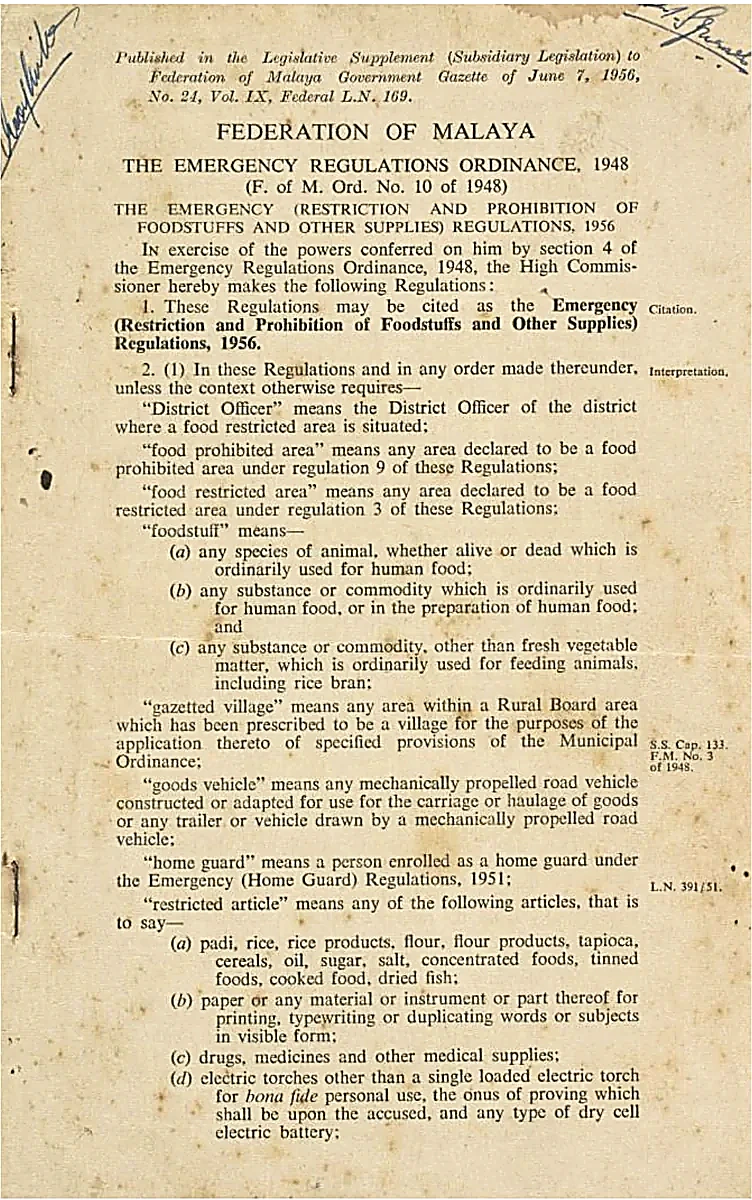
伴随大搜捕出台的《1948年紧急状态条例》(Emergency Regulations Ordinance 1948,第10号法令),是人类近代法制史上极其罕见的法西斯式恶法。它赋予了殖民统治机器骇人听闻的‘八大血腥特权’:
Accompanying the dragnet was the Emergency Regulations Ordinance 1948 (No. 10 of 1948), an autocratic charter granting colonial authorities eight despotic powers:
第一,无限期防范性拘留:任何军警无需逮捕令、无需出示证据即可任意抓人并无限期监禁;
第二,任意驱逐与流放:凡被殖民当局怀疑同情抗日抗英者,一律剥夺居留权直接流放海外;
第三,全面绞杀言论与出版自由:收缴查封一切进步书刊与独立报刊;
第四,强制圈禁迁徙平民:设立后来演化为集中营的铁丝网新村;
第五,实行24小时铁腕宵禁:严厉剥夺平民的人身自由;
第六,严酷的粮食与生存物资管制:私藏生米与常备药品直接定为重罪;
第七,军警现场射杀逃跑者免责特权(Shoot-on-sight);
第八,官方免责条款(Indemnity Clause):任何军警在围捕搜查中打死打伤无辜平民,法律上一概免予追究任何刑事责任!1. Indefinite preventive detention: Police and military could arrest and detain anyone without warrant, evidence, or trial;— 《1948年紧急状态条例》(1948年第10号法令)核心血腥特权条款 | Emergency Regulations Ordinance 1948 (Ordinance No. 10 of 1948), Key Draconian Powers
2. Arbitrary deportation and exile: Suspected anti-colonial sympathizers were stripped of residency and deported;
3. Suppression of speech and press: Total seizure and banning of progressive publications;
4. Forced relocation and internment: Interning rural populations into barbed-wire New Villages;
5. 24-hour iron-fisted curfews: Stripping civilians of freedom of movement;
6. Draconian food and supply controls: Possessing uncooked rice or medicine was classified as a capital offense;
7. Shoot-on-sight authorization against suspected escapees;
8. Complete official indemnity clause: Complete legal immunity shielding forces from criminal prosecution for civilian deaths.
到1948年底,在短短六个月内,就有13,300余名无辜平民与爱国人士被未经审讯投入铁窗或驱逐出境,400多名同胞在搜捕围剿中惨遭杀害。大英帝国标榜的‘普通法精神’与‘人权法治’,在热带殖民地的戒严刺刀与集中营面前荡然无存。
By the close of 1948, over 13,300 Malayan residents were interned or deported without trial, and more than 400 civilians were killed in military sweeps. Britain's self-proclaimed 'rule of law' dissolved into naked martial despotism.
第三章:马来亚民族解放军(MNLA)的浴血诞生:建军宣言与多民族工农长征
Chapter 3: The Blood-Stained Birth of the Malayan National Liberation Army: Manifesto and Cross-Ethnic Mobilization
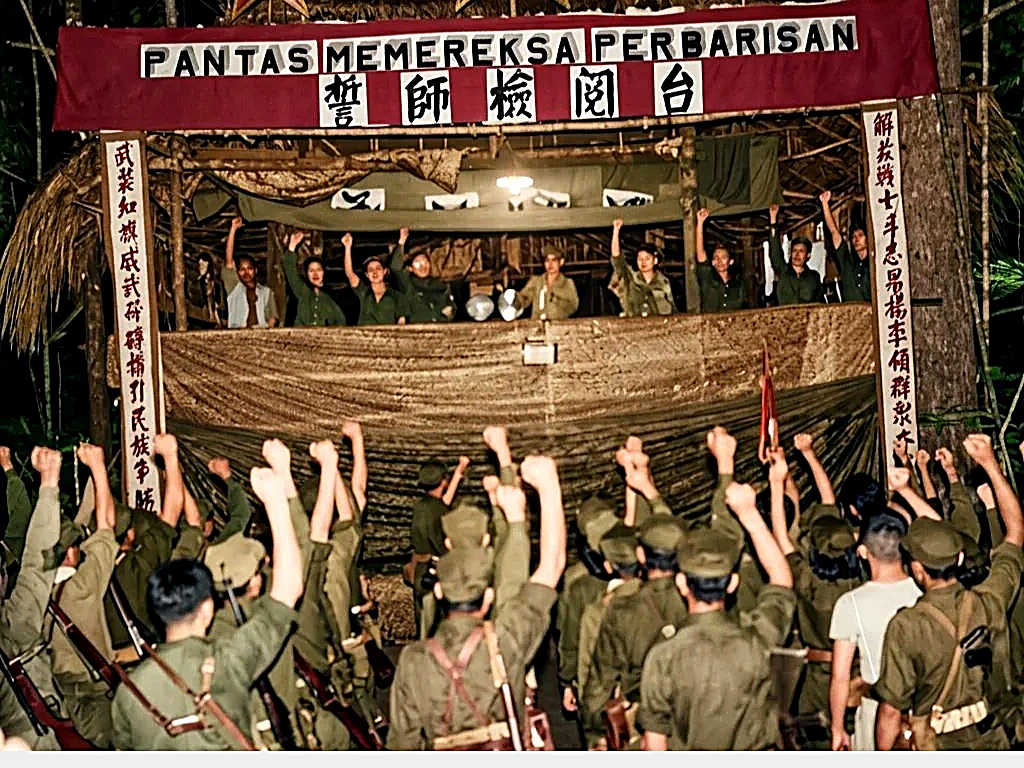
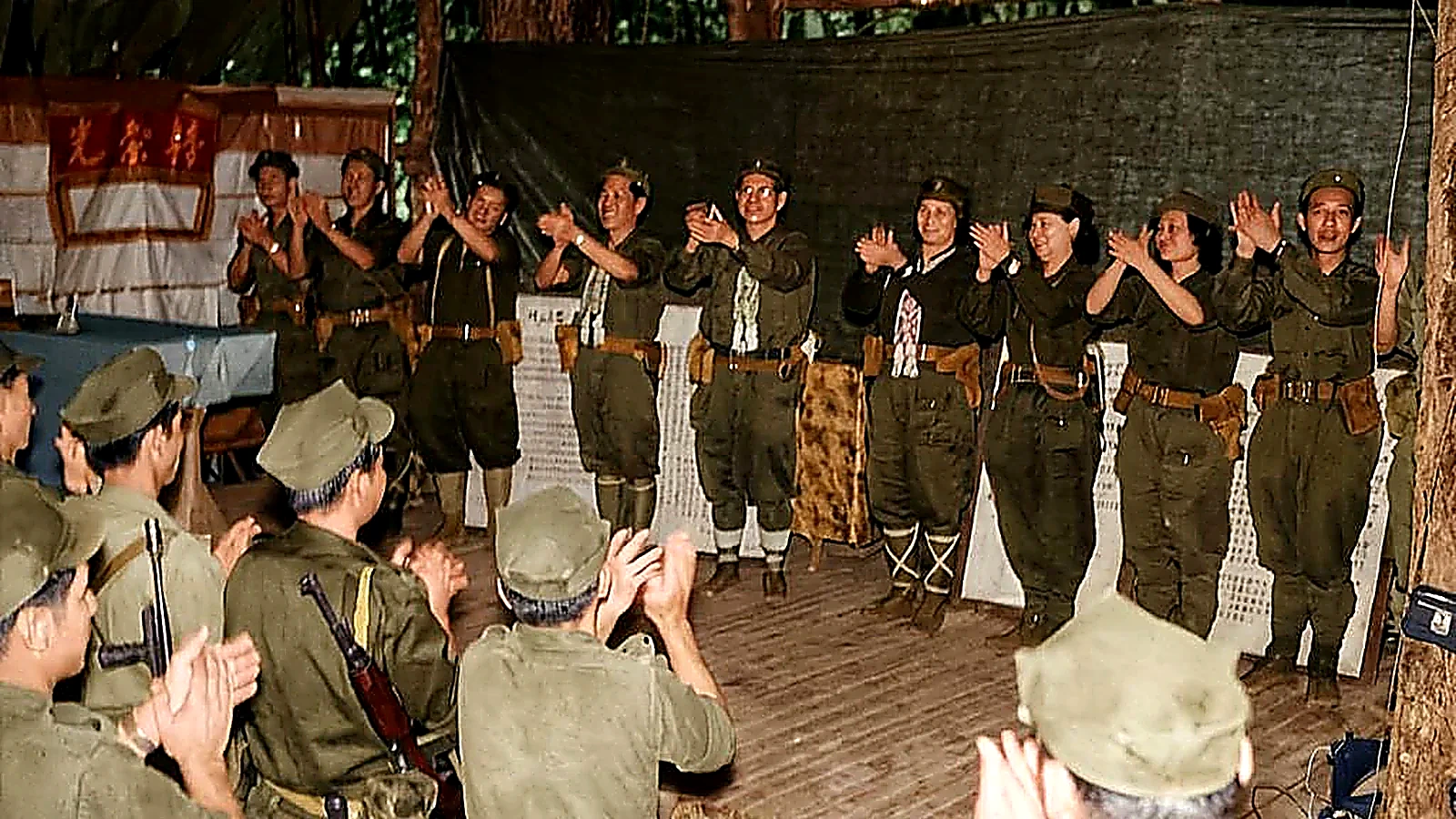
面对殖民帝国倾巢而出的屠刀与绞索,马来亚共产党与革命工农群众没有屈服于高压统治。1948年6月紧急状态爆发后,马共中央果断组织各地人民抗英武装,在敌人军警的疯狂进攻下,从不断的战斗和流动中建立起游击武装;1949年2月1日,马来亚共产党中央委员会与马来亚民族解放军总司令部联合发表具有划时代意义的《马来亚民族解放军建立宣言》,庄严宣告全马各地人民武装在“马来亚民族解放军”(Malayan National Liberation Army, MNLA)的名称与总司令部指挥下统一起来,并将2月1日确立为全军建军节。
《马来亚民族解放军建立宣言》明确界定这场战争是驱逐英帝出马来亚、争取民族解放与人民民主的正义战争,解放军战斗的总目的就是实现马共的《人民民主共和国纲领》。针对殖民当局的欺骗宣传与暴行,宣言颁布了严格的“四大军纪”与“十项注意”(其中第六项专门规定“风俗要尊重”,在制度层面确立了对马来亚各民族宗教与生活习俗的严格保护),与第二章所述英帝军警对各族平民的掳掠、烧杀、奴役形成了根本性的法理与道德分野。至1949年2月1日建军宣言发布之时,民族解放军业已建立起九个主力支队,普遍活动在全马每一州:第一支队在雪兰莪,第二支队在森美兰,第三支队在柔佛北部和马六甲,第四支队在柔佛南部和星加坡,第五支队在吡叻(霹雳),第六支队在彭亨西部和吉兰丹,第七支队在彭亨东部和丁加奴(登嘉楼),第八支队在吉打和槟城,第九支队在柔佛中部。
尤其具有重大历史意义的是,在全马九个支队完成整编的基础上,马共中央于1949年5月21日在彭亨淡马鲁的鲁布卡华(Lubok Kawah, Temerloh)正式创建了以阿都拉·CD(Abdullah C.D.)、慕沙阿末(Musa Ahmad)、拉昔·迈丁(Rashid Maidin)等杰出马来革命领袖为核心的马来亚民族解放军第十支队(10th Regiment)。
第十支队主要由马来族工农青年与进步穆斯林群体组建,由阿都拉·CD等领袖领导。这支部队在彭亨与吉兰丹丛林中坚持斗争,与前九个支队共同构成了纵贯半岛的十个主力支队战略格局,以确凿的历史实践打破了英殖民当局将抗英武装抵抗歪曲为“单纯华人外来势力”的种族主义宣传,在现代马来亚反帝斗争史上确立了跨民族联合抵抗的重要范式。
Faced with the colonial empire's unleashed repression, the Communist Party of Malaya and the revolutionary workers and peasants refused to submit. Following the declaration of the Emergency in June 1948, the CPM Central Committee organized people's armed forces across the country amidst relentless military sweeps. On February 1, 1949, the CPM Central Committee and the General Headquarters of the Malayan National Liberation Army jointly issued the historic Manifesto on the Founding of the Malayan National Liberation Army, solemnly proclaiming the unification of all people's armed forces across Malaya under the name and unified command of the Malayan National Liberation Army (MNLA), and designating February 1 as Army Day.
The Manifesto defined the war as a just national democratic revolution to expel British imperialism and realize the CPM's Program of the People's Democratic Republic. Drawing a sharp moral and institutional contrast against the looting, burning, and brutality of British colonial forces, the Manifesto promulgated the MNLA's strict "Four Disciplines" and "Ten Points for Attention" (notably enshrining "Respect customs and traditions" as the Sixth Point to safeguard the religious and cultural practices of Malaya's diverse communities). By February 1, 1949, the MNLA had already established nine operational regiments active across every state: the 1st Regiment in Selangor, 2nd in Negeri Sembilan, 3rd in Northern Johor and Malacca, 4th in Southern Johor and Singapore, 5th in Perak, 6th in Western Pahang and Kelantan, 7th in Eastern Pahang and Terengganu, 8th in Kedah and Penang, and 9th in Central Johor.
Building upon the consolidation of the first nine regiments, on May 21, 1949, under the direct leadership of the CPM Central Committee, the 10th Regiment of the MNLA was officially founded at Lubok Kawah in Temerloh, Pahang, led by prominent Malay revolutionary commanders including Abdullah C.D., Musa Ahmad, and Rashid Maidin.
Composed primarily of Malay peasant youths and progressive Muslims, the 10th Regiment fought resiliently across the jungles of Pahang and Kelantan, completing the ten-regiment strategic deployment along the peninsula. Through sustained armed resistance, the regiment dismantled British colonial propaganda that sought to portray the anti-colonial war as an "alien Chinese phenomenon," establishing an enduring historical paradigm of multi-ethnic anti-imperialist solidarity.
面对殖民帝国倾巢而出的屠刀与绞索,马来亚共产党与革命工农群众没有屈服于高压统治。1948年6月紧急状态爆发后,马共中央果断组织各地人民抗英武装,在敌人军警的疯狂进攻下,从不断的战斗和流动中建立起游击武装;1949年2月1日,马来亚共产党中央委员会与马来亚民族解放军总司令部联合发表具有划时代意义的《马来亚民族解放军建立宣言》,庄严宣告全马各地人民武装在“马来亚民族解放军”(Malayan National Liberation Army, MNLA)的名称与总司令部指挥下统一起来,并将2月1日确立为全军建军节。
《马来亚民族解放军建立宣言》明确界定这场战争是驱逐英帝出马来亚、争取民族解放与人民民主的正义战争,解放军战斗的总目的就是实现马共的《人民民主共和国纲领》。针对殖民当局的欺骗宣传与暴行,宣言颁布了严格的“四大军纪”与“十项注意”(其中第六项专门规定“风俗要尊重”,在制度层面确立了对马来亚各民族宗教与生活习俗的严格保护),与第二章所述英帝军警对各族平民的掳掠、烧杀、奴役形成了根本性的法理与道德分野。至1949年2月1日建军宣言发布之时,民族解放军业已建立起九个主力支队,普遍活动在全马每一州:第一支队在雪兰莪,第二支队在森美兰,第三支队在柔佛北部和马六甲,第四支队在柔佛南部和星加坡,第五支队在吡叻(霹雳),第六支队在彭亨西部和吉兰丹,第七支队在彭亨东部和丁加奴(登嘉楼),第八支队在吉打和槟城,第九支队在柔佛中部。
Faced with the colonial empire's unleashed repression, the Communist Party of Malaya and the revolutionary workers and peasants refused to submit. Following the declaration of the Emergency in June 1948, the CPM Central Committee organized people's armed forces across the country amidst relentless military sweeps. On February 1, 1949, the CPM Central Committee and the General Headquarters of the Malayan National Liberation Army jointly issued the historic Manifesto on the Founding of the Malayan National Liberation Army, solemnly proclaiming the unification of all people's armed forces across Malaya under the name and unified command of the Malayan National Liberation Army (MNLA), and designating February 1 as Army Day.
The Manifesto defined the war as a just national democratic revolution to expel British imperialism and realize the CPM's Program of the People's Democratic Republic. Drawing a sharp moral and institutional contrast against the looting, burning, and brutality of British colonial forces, the Manifesto promulgated the MNLA's strict "Four Disciplines" and "Ten Points for Attention" (notably enshrining "Respect customs and traditions" as the Sixth Point to safeguard the religious and cultural practices of Malaya's diverse communities). By February 1, 1949, the MNLA had already established nine operational regiments active across every state: the 1st Regiment in Selangor, 2nd in Negeri Sembilan, 3rd in Northern Johor and Malacca, 4th in Southern Johor and Singapore, 5th in Perak, 6th in Western Pahang and Kelantan, 7th in Eastern Pahang and Terengganu, 8th in Kedah and Penang, and 9th in Central Johor.
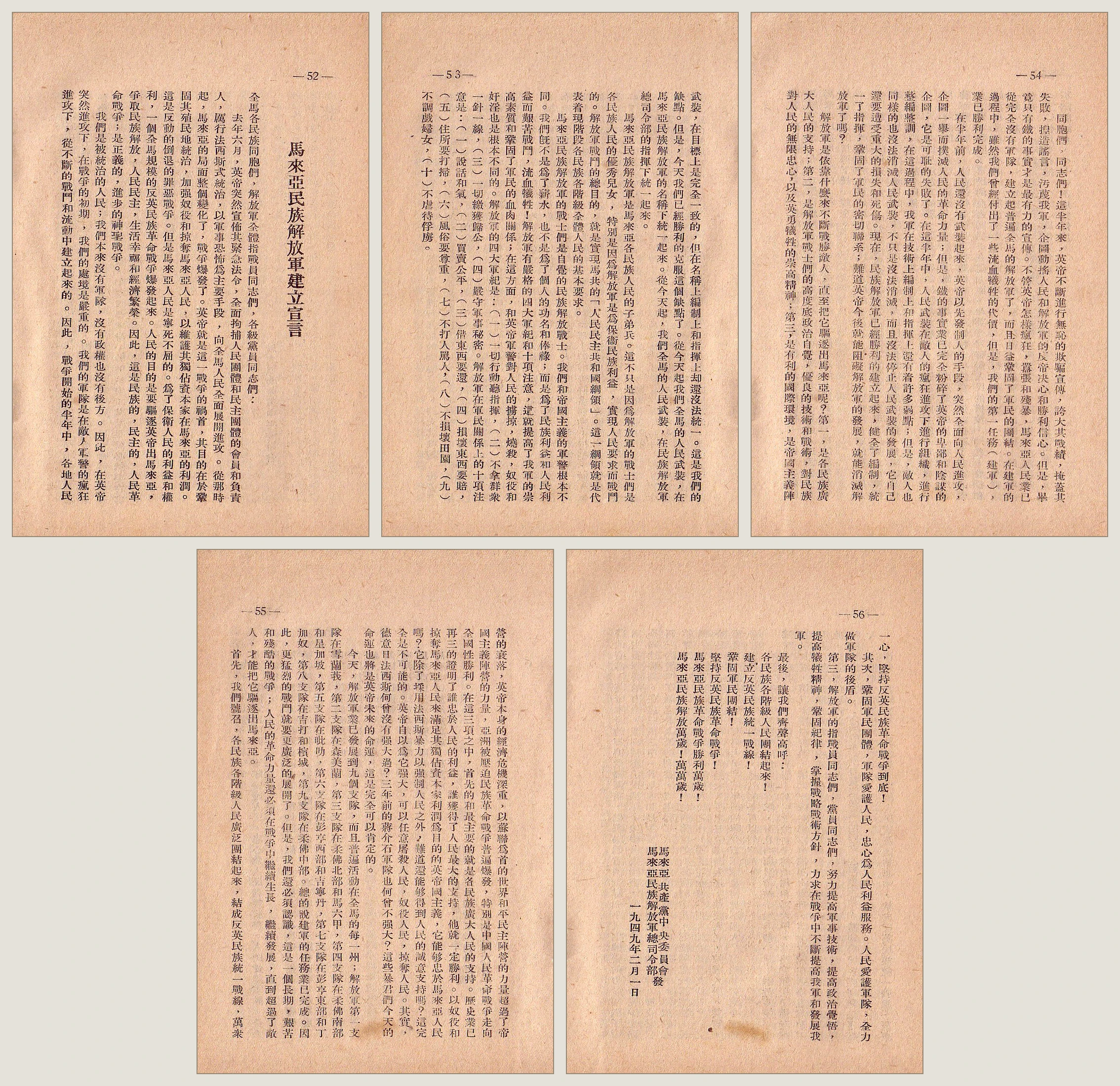
<strong class="text-[#771113] font-bold text-base sm:text-lg block mb-2">《马来亚民族解放军建立宣言》(核心节录 · 一九四九年二月一日)</strong>
从今天起,我们全马的人民武装,在马来亚民族解放军的名称下统一起来,在民族解放军总司令部的指挥下统一起来!
马来亚民族解放军是马来亚各民族人民的子弟兵,战斗的总目的,就是实现马共的“人民民主共和国纲领”。我们既不是为了薪水,也不是为了个人的功名和俸禄,而是为了民族利益和人民利益而艰苦战斗,流血牺牲!
解放军有严格的四大军纪和十项注意,这就提高了我军的崇高素质和巩固了军民的血肉关系;在这方面,和英帝军警对人民的掳掠、烧杀、奴役和奸淫是根本不同的。
各民族各阶级人民团结起来!建立反英民族统一战线!巩固军民团结!坚持反英民族革命战争到底!<strong class="text-[#771113] font-bold text-base sm:text-lg block mb-2">Manifesto on the Founding of the Malayan National Liberation Army (Core Excerpt · 1 February 1949)</strong>— 马来亚共产党中央委员会、马来亚民族解放军总司令部 发(一九四九年二月一日,原件第52至56页) | Jointly Issued by the Central Committee of the Communist Party of Malaya and the General Headquarters of the Malayan National Liberation Army (February 1, 1949, Original pp. 52–56)
From this day onward, our people's armed forces throughout Malaya are unified under the banner of the Malayan National Liberation Army and under the unified command of the MNLA General Headquarters!
The Malayan National Liberation Army is the army of the sons and daughters of all nationalities in Malaya. The overarching aim of our struggle is the realization of the CPM's 'People's Democratic Republic Programme.' We fight not for wages, nor for personal fame or fortune, but for the vital interests of the nation and the people, enduring hardship and sacrificing blood!
The Liberation Army enforces strict Four Disciplines and Ten Points for Attention, elevating our combat quality and forging unbreakable blood-and-flesh ties with the people—in stark, fundamental contrast to the pillage, slaughter, and terror of British colonial forces.
People of all nationalities and classes, unite! Form the anti-British national united front! Persevere in the anti-British national revolutionary war to the very end!
尤其具有重大历史意义的是,在全马九个支队完成整编的基础上,马共中央于1949年5月21日在彭亨淡马鲁的鲁布卡华(Lubok Kawah, Temerloh)正式创建了以阿都拉·CD(Abdullah C.D.)、慕沙阿末(Musa Ahmad)、拉昔·迈丁(Rashid Maidin)等杰出马来革命领袖为核心的马来亚民族解放军第十支队(10th Regiment)。
第十支队主要由马来族工农青年与进步穆斯林群体组建,由阿都拉·CD等领袖领导。这支部队在彭亨与吉兰丹丛林中坚持斗争,与前九个支队共同构成了纵贯半岛的十个主力支队战略格局,以确凿的历史实践打破了英殖民当局将抗英武装抵抗歪曲为“单纯华人外来势力”的种族主义宣传,在现代马来亚反帝斗争史上确立了跨民族联合抵抗的重要范式。
Building upon the consolidation of the first nine regiments, on May 21, 1949, under the direct leadership of the CPM Central Committee, the 10th Regiment of the MNLA was officially founded at Lubok Kawah in Temerloh, Pahang, led by prominent Malay revolutionary commanders including Abdullah C.D., Musa Ahmad, and Rashid Maidin.
Composed primarily of Malay peasant youths and progressive Muslims, the 10th Regiment fought resiliently across the jungles of Pahang and Kelantan, completing the ten-regiment strategic deployment along the peninsula. Through sustained armed resistance, the regiment dismantled British colonial propaganda that sought to portray the anti-colonial war as an "alien Chinese phenomenon," establishing an enduring historical paradigm of multi-ethnic anti-imperialist solidarity.
第四章:第一枪的誓言:在马来半岛崇山峻岭中誓死捍卫人民尊严
Chapter 4: The Oath of the First Shot: Defending the People's Dignity Across the Mountain Spine
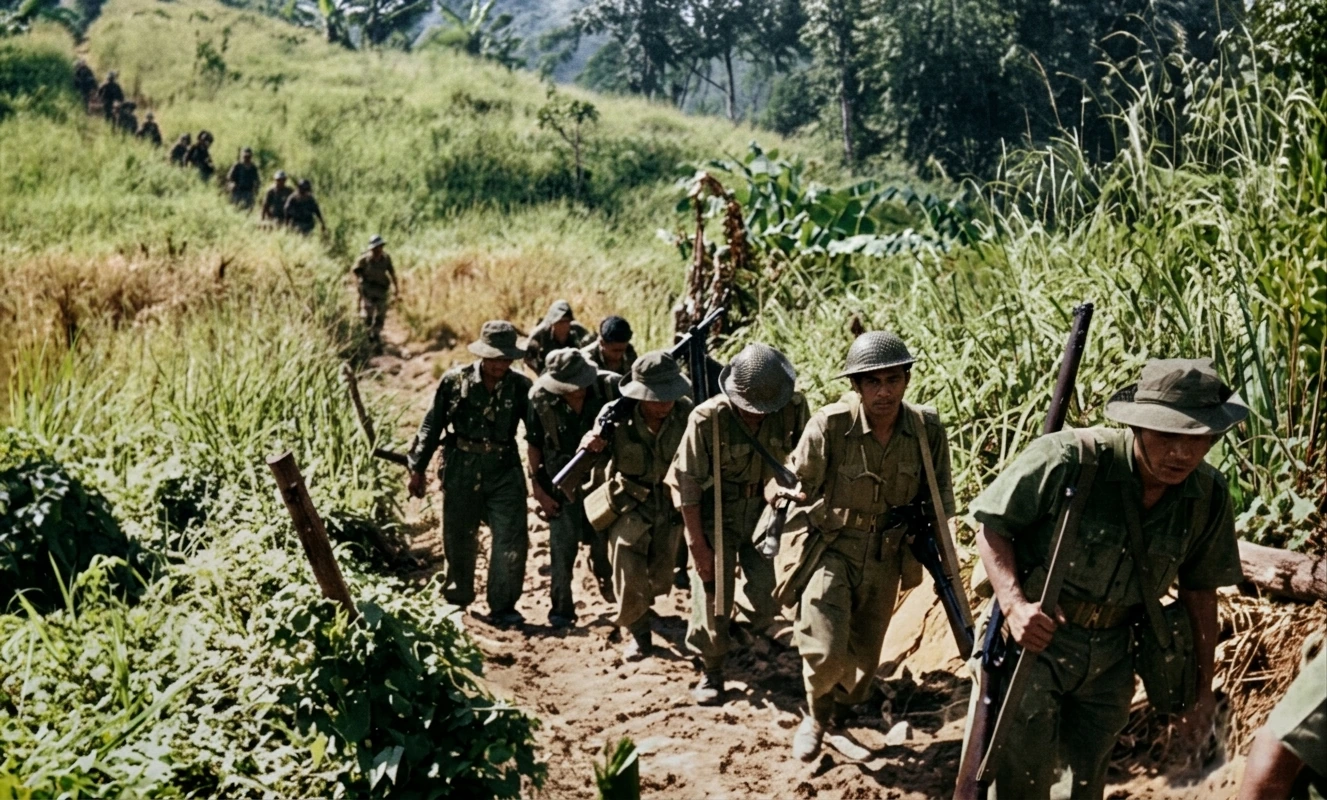
面对装备了坦克装甲车、重型榴弹炮、喷火战斗机与先进无线电通讯网的十万英军与殖民防卫军,年轻的马来亚民族解放军依托纵贯半岛的蒂迪旺沙中央山脉(Titiwangsa Range),书写了人类游击战史上的英勇篇章。
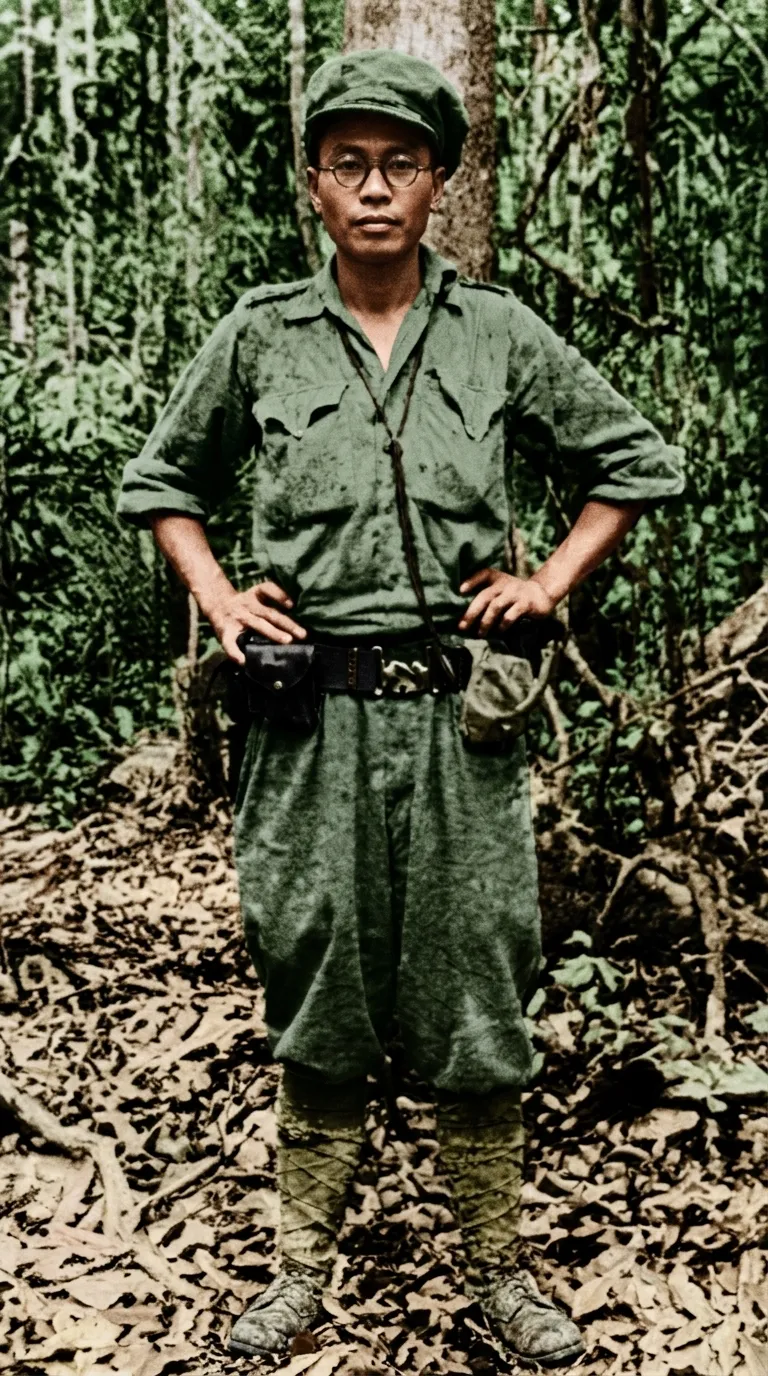
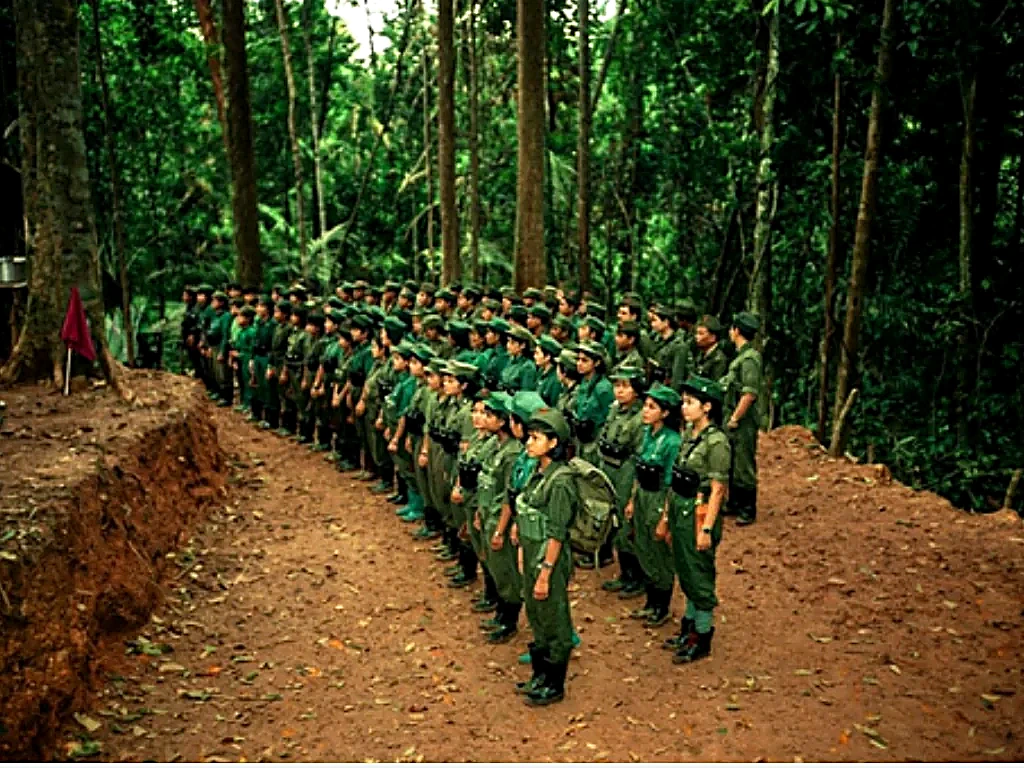
指战员们身着卡其或粗布军装,头戴缀着五角红星的军帽,脚踏胶鞋,穿行在人迹罕至的原始热带雨林中。他们化整为零,出敌不意,在险峻的山道峡谷中伏击英军巡逻队,夜袭殖民警署,炸毁英资垄断资本的矿山铁路线,屡次打退殖民军警的大规模‘联合扫荡’。
和丰与“6.20”的枪声,实质上宣告了战后英国在马来半岛依靠高压戒严维系无成本掠夺的设想走向破灭。从1948年起,马共领导民族解放军依托中央山脉开展长达十二年的抗英民族解放战争,不仅打破了殖民秩序的政治垄断,更从根本上动摇了帝国主义在东南亚的冷战战略部署。
Confronting 100,000 British, Commonwealth, and auxiliary troops equipped with tanks, heavy howitzers, fighter-bombers, and wireless networks, the young MNLA anchored its battle lines in the formidable Titiwangsa Range.
Wearing cotton uniforms and caps adorned with three red stars (symbolizing Malay, Chinese, and Indian unity), fighters moved through virgin rainforest. Operating in agile detachments, they ambushed colonial patrols in mountain gorges, raided police garrisons, and disrupted imperial rail corridors, repeatedly repelling massive search-and-destroy sweeps.
The gunfire at Sungai Siput and the outbreak of June 20 fundamentally shattered Britain's expectations of sustaining cheap colonial exploitation under peacetime conditions. From 1948 onward, the protracted twelve-year jungle resistance led by the CPM and the MNLA along the Main Range not only dismantled the political monopoly of the colonial regime, but also structurally disrupted imperialist strategic calculations in post-war Southeast Asia.
面对装备了坦克装甲车、重型榴弹炮、喷火战斗机与先进无线电通讯网的十万英军与殖民防卫军,年轻的马来亚民族解放军依托纵贯半岛的蒂迪旺沙中央山脉(Titiwangsa Range),书写了人类游击战史上的英勇篇章。
指战员们身着卡其或粗布军装,头戴缀着五角红星的军帽,脚踏胶鞋,穿行在人迹罕至的原始热带雨林中。他们化整为零,出敌不意,在险峻的山道峡谷中伏击英军巡逻队,夜袭殖民警署,炸毁英资垄断资本的矿山铁路线,屡次打退殖民军警的大规模‘联合扫荡’。
Confronting 100,000 British, Commonwealth, and auxiliary troops equipped with tanks, heavy howitzers, fighter-bombers, and wireless networks, the young MNLA anchored its battle lines in the formidable Titiwangsa Range.
Wearing cotton uniforms and caps adorned with three red stars (symbolizing Malay, Chinese, and Indian unity), fighters moved through virgin rainforest. Operating in agile detachments, they ambushed colonial patrols in mountain gorges, raided police garrisons, and disrupted imperial rail corridors, repeatedly repelling massive search-and-destroy sweeps.
和丰与“6.20”的枪声,实质上宣告了战后英国在马来半岛依靠高压戒严维系无成本掠夺的设想走向破灭。从1948年起,马共领导民族解放军依托中央山脉开展长达十二年的抗英民族解放战争,不仅打破了殖民秩序的政治垄断,更从根本上动摇了帝国主义在东南亚的冷战战略部署。
The gunfire at Sungai Siput and the outbreak of June 20 fundamentally shattered Britain's expectations of sustaining cheap colonial exploitation under peacetime conditions. From 1948 onward, the protracted twelve-year jungle resistance led by the CPM and the MNLA along the Main Range not only dismantled the political monopoly of the colonial regime, but also structurally disrupted imperialist strategic calculations in post-war Southeast Asia.