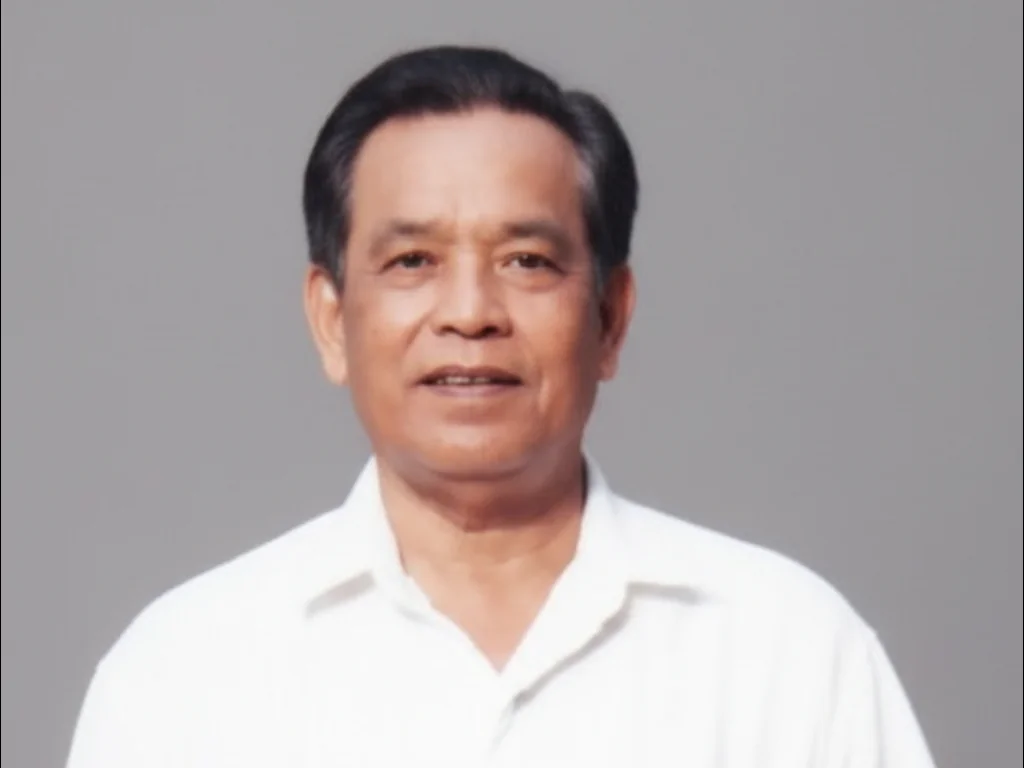
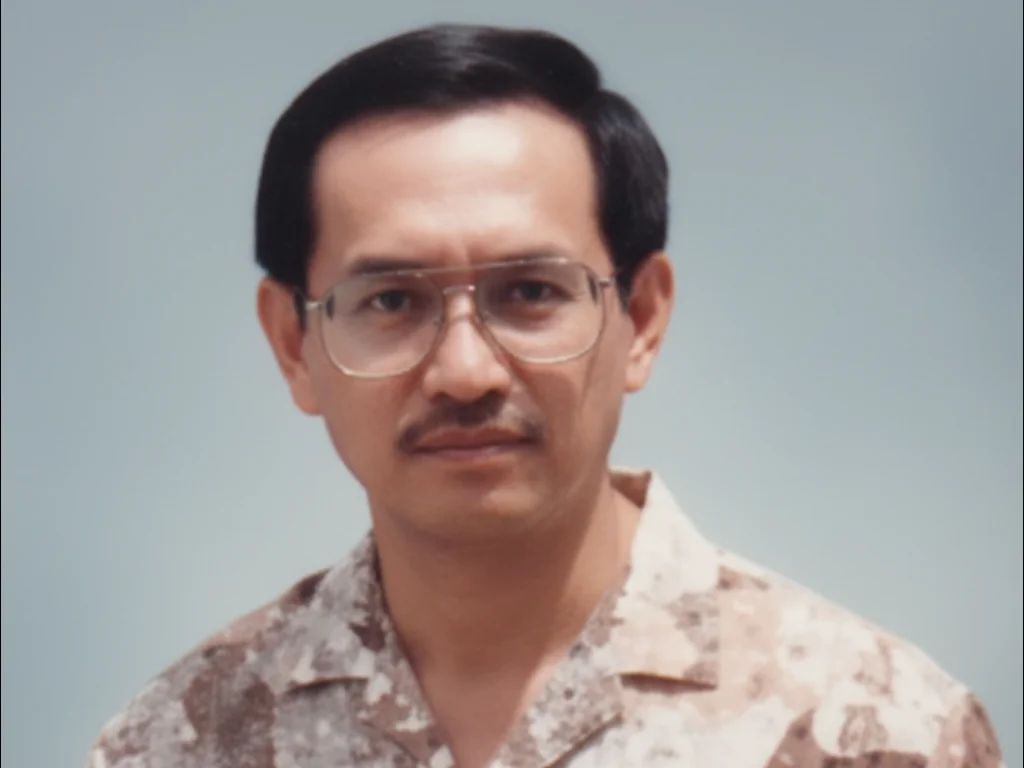
第24集:历史转折与普吉岛五轮风云:从秘密破冰到合艾和平前夜(1988–1989)
Historical Turning Point and the Five Rounds in Phuket: From Secret Ice-Breaking to the Eve of the Haadyai Peace Accord (1988-1989)
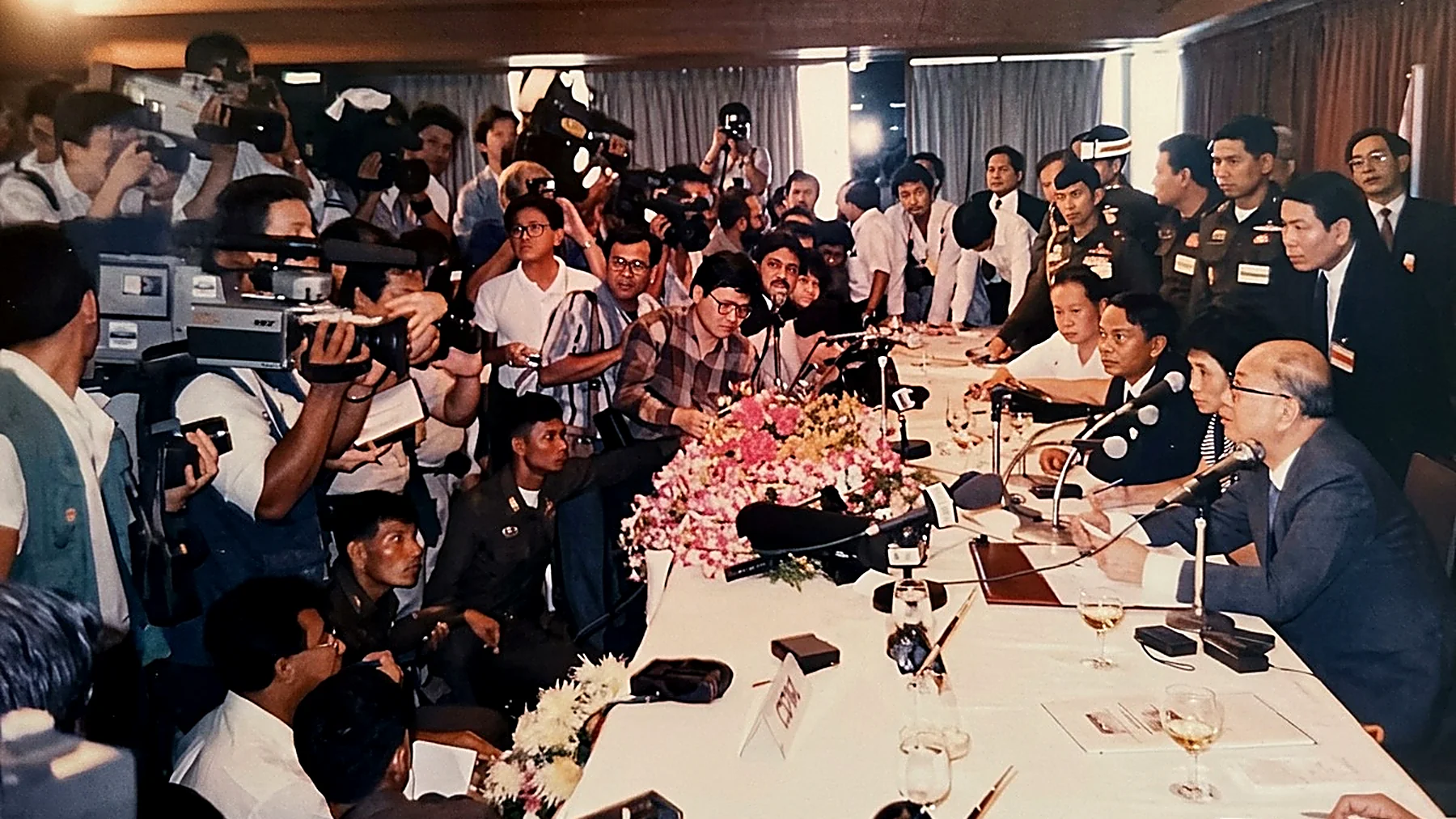
1980年代末,国际冷战格局加速重组,东南亚步入和平与经济发展的历史新阶段。面对长达四十一年武装相持的边境战局与每天高达百万马币的防务重负,马来亚共产党中央委员会把握1988至1989年的关键历史窗口期,在军队建制完整、根据地防线稳固的态势下主动开启和平谈判。从1984年致函马来西亚第八任最高元首苏丹依斯干达、1988年合艾与槟城三轮初级接触、澳门决策会议与五项先决条件,到1989年普吉岛卡隆滩五轮正式三方交锋、挫败《内安法令》审查企图、直至陈平总书记亲赴普吉岛与拉欣诺及吉迪将军闭门拍板,马共以不屈的原则底线一步步锁定了体面、光荣、平等的和平终局。
In the late 1980s, as the global Cold War order rapidly realigned and Southeast Asia entered an era of economic transformation, the Central Committee of the Communist Party of Malaya seized the critical 1988-1989 historical window to initiate peace negotiations from a position of intact military organization and unbroken border defenses. From the 1984 constitutional overture to the 8th Yang di-Pertuan Agong Sultan Iskandar, the 1988 preliminary contacts in Hat Yai and Penang, and the Macau decision-making conference, through five formal rounds of tripartite negotiations at Karon Beach, Phuket in 1989—overcoming the deadlock over the Internal Security Act via a bilateral breakthrough with Thailand and culminating in General Secretary Chin Peng's closed-door sessions with Datuk Abdul Rahim Mohd. Noor and General Kitti Rattanachaya—the CPM secured an honorable, equal, and dignified peace settlement.
第一章:冷战终局与东南亚地缘重组:1988至1989年的历史窗口期
Chapter 1: Cold War Endgame and Southeast Asian Realignment: The 1988-1989 Historical Window
任何一场持续近半个世纪的革命武装斗争,其战略转折皆受制于国际地缘格局、区域经济结构与政党自身军事实力三者的互动演进。马来亚共产党自1948年6月20日被迫转入丛林开展抗英民族解放战争,至1989年走向合艾谈判桌,历经了整整四十一年零五个月的武装抗争。若将这一进程置于二十世纪下半叶世界社会主义运动与冷战格局演变的档案坐标中考察,可以清晰地看到马共中央在八十年代末作出的战略调整,是一场建立在清醒客观评估基础上的主动转折。
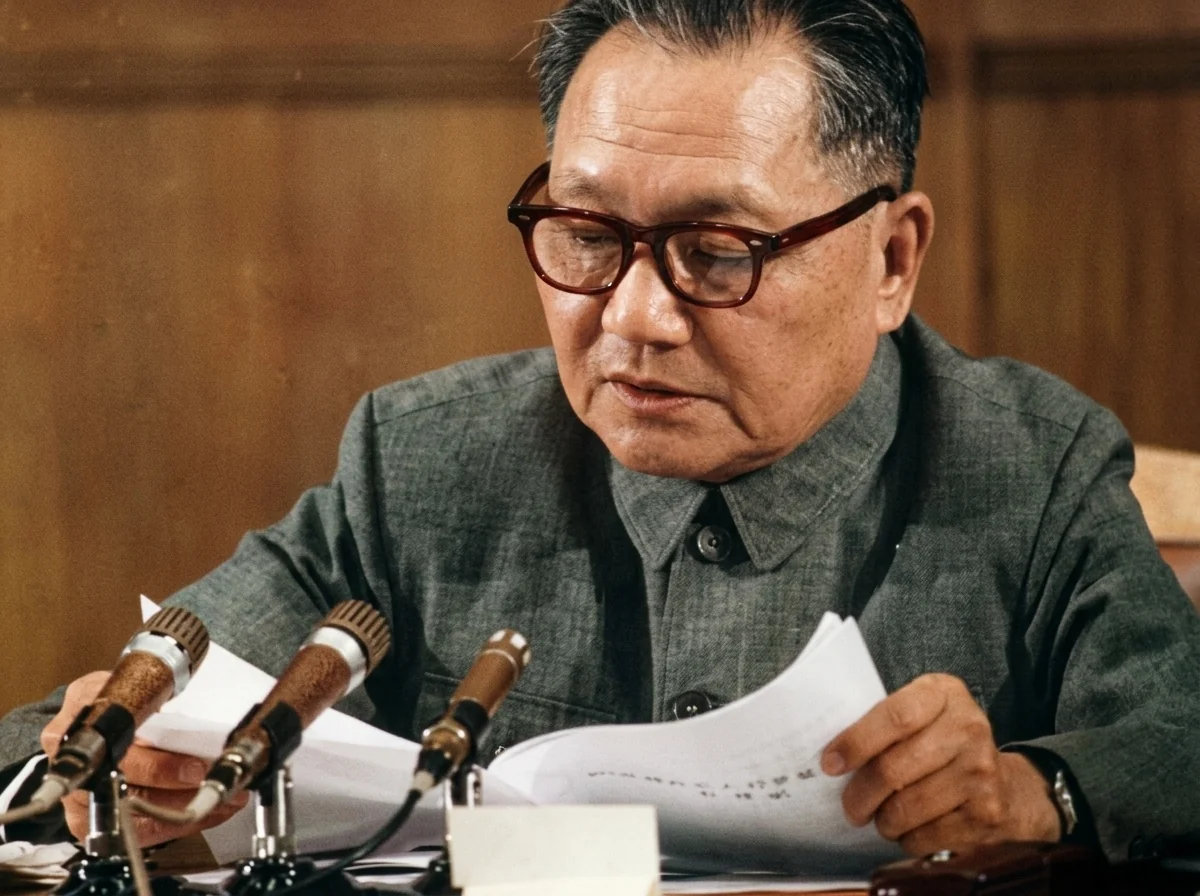
1975年春,越南战争以越南南方解放与南北统一告终,老挝与柬埔寨政权相继更迭,中南半岛民族解放浪潮一度推向顶峰。然而,1978年底柬越战争爆发与1979年初中越边境战争接踵而至,社会主义阵营内部的地缘裂痕深刻重塑了东南亚战略态势。与此同时,1978年中共十一届三中全会后,邓小平主导中国将国家重心全面转向经济建设与四个现代化。为了联合东盟国家在外交上应对苏联与越南的战略压力,并吸引东南亚华人资本与技术参与改革开放,中国逐步调整了自五十年代以来对东南亚各国共产党革命的实质性援助方针。1981年6月,受困于经费紧缩与外交大局,设于中国湖南益阳的马来亚革命之声广播电台奉命停播,标志着外部国际环境已发生根本性转移。
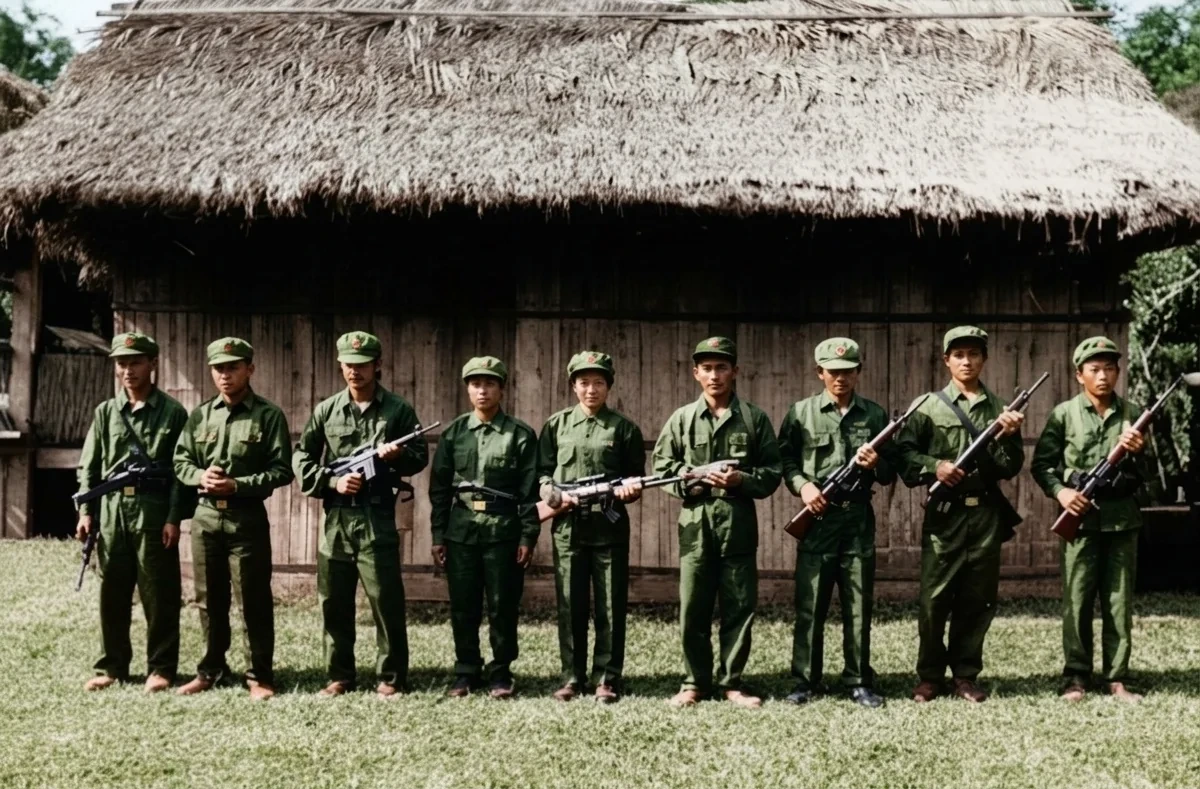
与马共唇齿相依的东南亚兄弟党在八十年代相继陷入低潮。砂拉越北加里曼丹共产党的主力部队早于1973年至1974年斯里阿曼行动中大部放下武器,其余部亦于1990年彻底结束武装斗争;长期在泰马边境与马共互为犄角的泰国共产党,在1980年炳·廷素拉暖政府颁布《第66/2523号首相府指令》推行政治招安后迅速分化,加上中越断援与党内路线分歧,泰共游击队至八十年代中后期成批走出丛林,武装力量基本瓦解。环顾四周,马共领导下的马来亚人民军(原马来亚民族解放军,于1982年6月20日正式改称马来亚人民军)已成为泰马边境地区唯一保持完整组织建制与战斗力的革命武装。
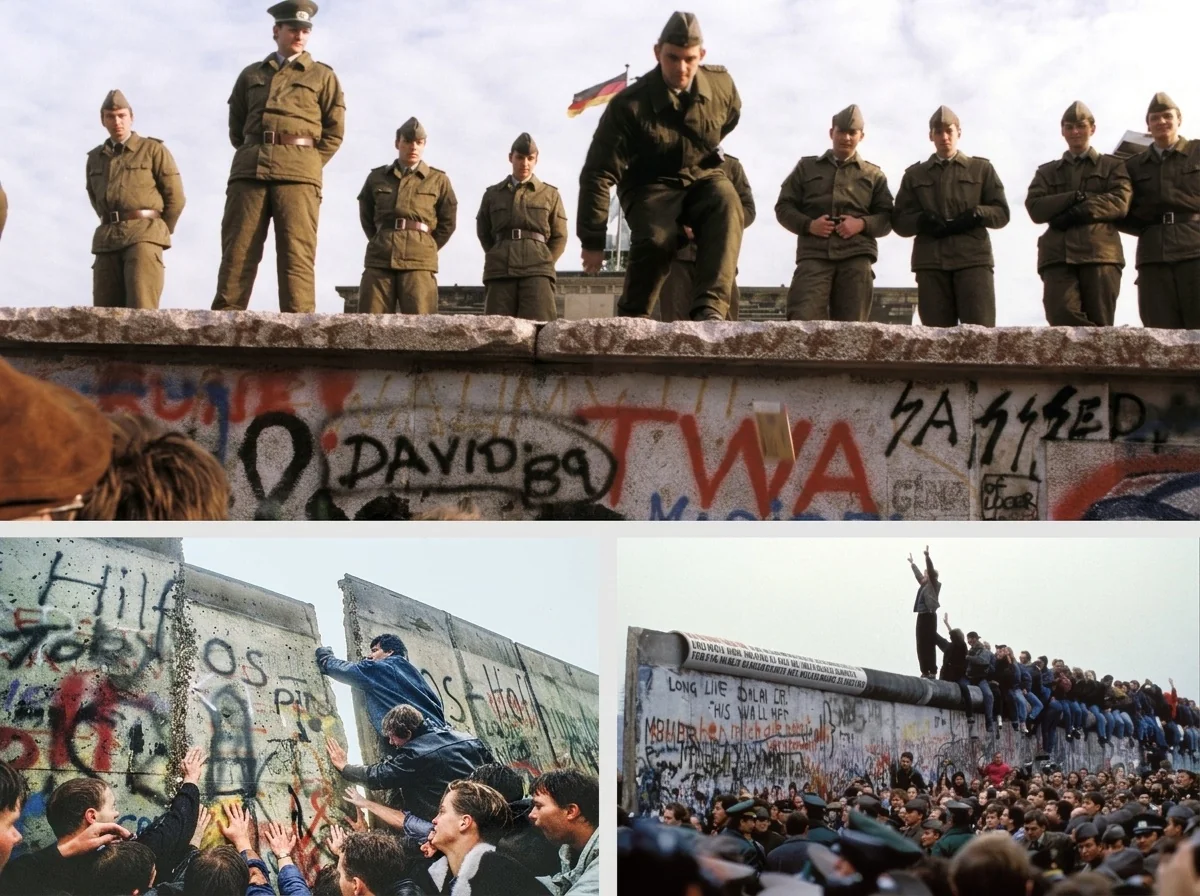
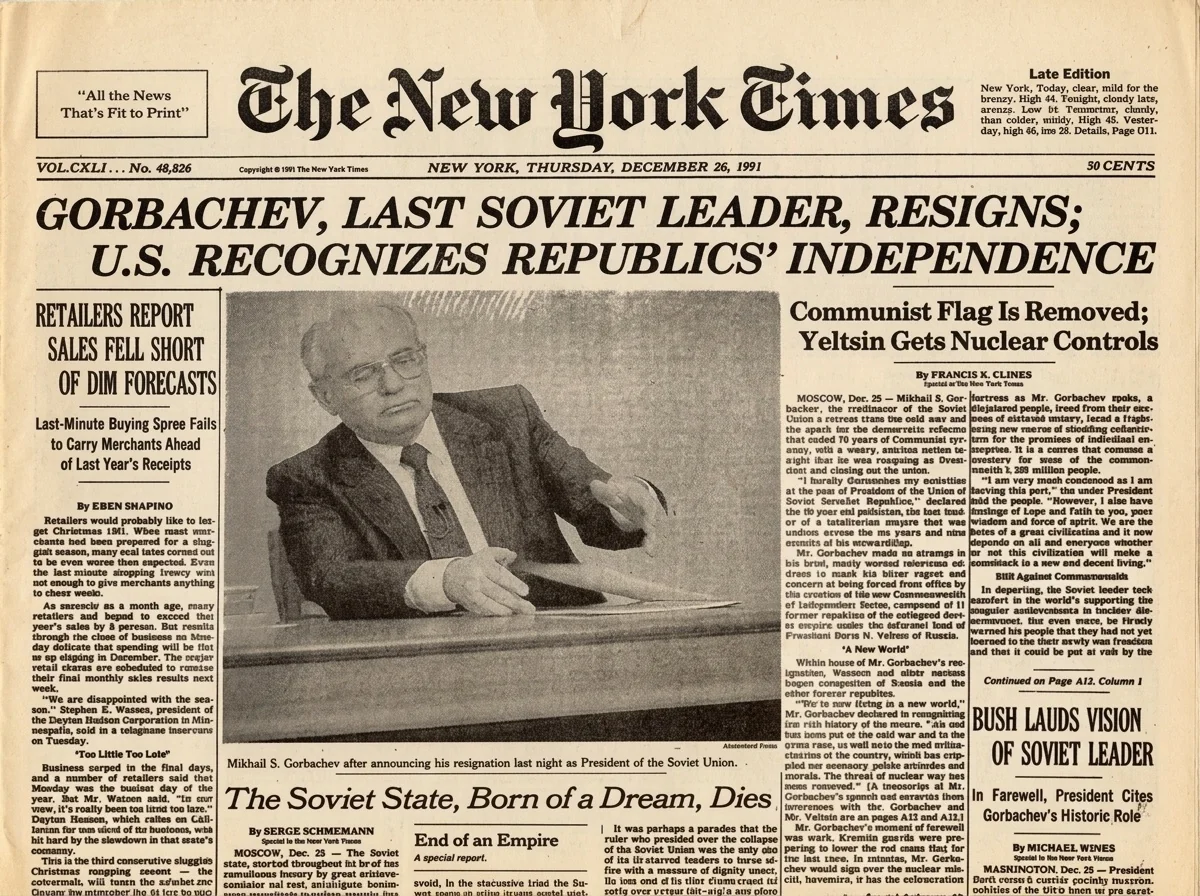
与此同时,马来西亚与泰国在八十年代中后期迎来了快速的工业化与出口导向型经济腾飞,城乡社会结构与民众生活诉求发生显著变迁,通过农村包围城市夺取政权的客观社会条件已不复存在。马共中央总书记陈平以“从高处看历史”的战略视野,同马共中央敏锐地意识到:与其等到国际社会主义阵营全面剧变后再被动应付,不如趁马来亚人民军在泰马边境尚握有完好兵力与严密防御体系之际,把握1988年至1989年这一关键历史窗口期,以主动姿态把军事抗衡转化为谈判桌上的政治筹码。历史档案的时间轴印证了这一战略预判的精确性:马、泰、马共三方于1989年11月4日在普吉岛达成最终协议,仅仅五天后的11月9日,象征欧洲冷战铁幕的柏林墙便在东欧剧变中倒塌;1989年12月2日《合艾和平协议》正式签署,两年后的1991年12月苏联即宣告解体。假若和谈推迟一至两年,在苏东剧变的全球冲击下,交战各方的心理天平势必发生剧烈倾斜,马共正是凭借“从高处看历史”的全局远见,在世界格局巨变前夜果断锁定了对等、体面与有尊严的和平。
Every revolutionary armed struggle spanning nearly half a century is shaped by the structural interaction among international geopolitics, regional economic transformation, and the party's own military resilience. From June 20, 1948, when the Communist Party of Malaya (CPM) took up arms in the Anti-British National Liberation War, until it entered the Haadyai peace negotiations in 1989, the party waged forty-one years and five months of armed struggle. Examined within the archival coordinates of the late twentieth-century Cold War, the strategic pivot made by the CPM Central Committee in the late 1980s stands out as a proactive transition grounded in sober material assessment.
In spring 1975, the Vietnam War ended with the reunification of Vietnam and political transitions in Laos and Cambodia, bringing the Indochinese national liberation wave to its zenith. Yet the outbreak of the Cambodian-Vietnamese War in late 1978 and the Sino-Vietnamese War in early 1979 fractured the socialist camp and reshaped Southeast Asia's strategic landscape. Simultaneously, after the Third Plenum of the 11th CPC Central Committee in December 1978, Deng Xiaoping reoriented China's national strategy toward economic modernization. To build a diplomatic coalition with ASEAN states and attract Southeast Asian capital and technology, Beijing phased out its material assistance to Southeast Asian communist parties. In June 1981, the Voice of the Malayan Revolution (Suara Revolusi Malaya) broadcasting from Yiyang, Hunan ceased operations, signaling an irreversible shift in the external international environment.
Across Southeast Asia, fraternal revolutionary movements declined sharply during the 1980s. Most forces of the North Kalimantan Communist Party in Sarawak had laid down their arms during the Sri Aman operation of 1973-1974, with its remaining unit ending armed struggle in 1990. Meanwhile, the Communist Party of Thailand (CPT), following Prime Minister Prem Tinsulanonda's Order No. 66/2523 in 1980 prioritizing political amnesty over military suppression, suffered severe internal splits and loss of external aid; by the mid-to-late 1980s, CPT guerrillas had emerged from the jungle en masse. Along the Thai-Malaysian border, the CPM-led Malayan People's Army (formerly the Malayan National Liberation Army, officially renamed the Malayan People's Army on June 20, 1982) remained the sole revolutionary force preserving an intact organizational structure and combat capability.
Concurrently, Malaysia and Thailand experienced rapid export-oriented industrialization in the mid-to-late 1980s, transforming urban and rural class structures and eroding the socio-economic conditions for protracted rural guerrilla warfare. Taking a 'levitated view of history' to see the broad picture, CPM General Secretary Chin Peng and the CPM Central Committee recognized that rather than waiting passively for the systemic crisis of the Eastern bloc to deepen, they had to seize the critical 1988-1989 window while the Malayan People's Army still held formidable defensive positions along the border, converting military resilience into political leverage at the negotiating table. The archival chronology underscores the precision of this timing: final tripartite consensus was reached in Phuket on November 4, 1989—just five days before the fall of the Berlin Wall on November 9, 1989—and the Haadyai Peace Accord was signed on December 2, 1989, two years before the dissolution of the Soviet Union in December 1991. Had negotiations been delayed by even a year or two, the collapse of the Eastern bloc would have shifted the geopolitical balance; by viewing history from above, the CPM locked in an equal and dignified peace just ahead of the global upheaval.
任何一场持续近半个世纪的革命武装斗争,其战略转折皆受制于国际地缘格局、区域经济结构与政党自身军事实力三者的互动演进。马来亚共产党自1948年6月20日被迫转入丛林开展抗英民族解放战争,至1989年走向合艾谈判桌,历经了整整四十一年零五个月的武装抗争。若将这一进程置于二十世纪下半叶世界社会主义运动与冷战格局演变的档案坐标中考察,可以清晰地看到马共中央在八十年代末作出的战略调整,是一场建立在清醒客观评估基础上的主动转折。
1975年春,越南战争以越南南方解放与南北统一告终,老挝与柬埔寨政权相继更迭,中南半岛民族解放浪潮一度推向顶峰。然而,1978年底柬越战争爆发与1979年初中越边境战争接踵而至,社会主义阵营内部的地缘裂痕深刻重塑了东南亚战略态势。与此同时,1978年中共十一届三中全会后,邓小平主导中国将国家重心全面转向经济建设与四个现代化。为了联合东盟国家在外交上应对苏联与越南的战略压力,并吸引东南亚华人资本与技术参与改革开放,中国逐步调整了自五十年代以来对东南亚各国共产党革命的实质性援助方针。1981年6月,受困于经费紧缩与外交大局,设于中国湖南益阳的马来亚革命之声广播电台奉命停播,标志着外部国际环境已发生根本性转移。
Every revolutionary armed struggle spanning nearly half a century is shaped by the structural interaction among international geopolitics, regional economic transformation, and the party's own military resilience. From June 20, 1948, when the Communist Party of Malaya (CPM) took up arms in the Anti-British National Liberation War, until it entered the Haadyai peace negotiations in 1989, the party waged forty-one years and five months of armed struggle. Examined within the archival coordinates of the late twentieth-century Cold War, the strategic pivot made by the CPM Central Committee in the late 1980s stands out as a proactive transition grounded in sober material assessment.
In spring 1975, the Vietnam War ended with the reunification of Vietnam and political transitions in Laos and Cambodia, bringing the Indochinese national liberation wave to its zenith. Yet the outbreak of the Cambodian-Vietnamese War in late 1978 and the Sino-Vietnamese War in early 1979 fractured the socialist camp and reshaped Southeast Asia's strategic landscape. Simultaneously, after the Third Plenum of the 11th CPC Central Committee in December 1978, Deng Xiaoping reoriented China's national strategy toward economic modernization. To build a diplomatic coalition with ASEAN states and attract Southeast Asian capital and technology, Beijing phased out its material assistance to Southeast Asian communist parties. In June 1981, the Voice of the Malayan Revolution (Suara Revolusi Malaya) broadcasting from Yiyang, Hunan ceased operations, signaling an irreversible shift in the external international environment.
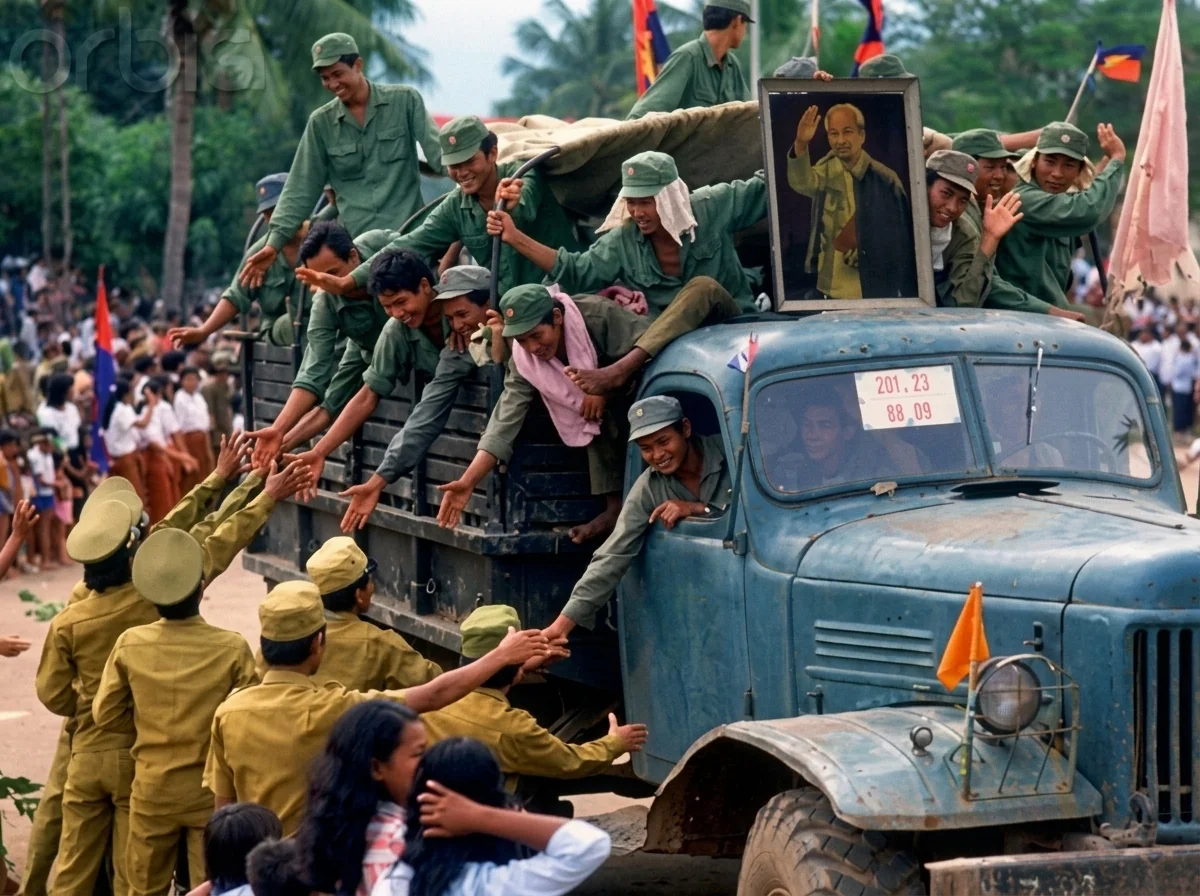
唯有从高处看历史,才能看清全貌,并确保新的和平理念适用于所有人。To take a levitated view of history and see the broad picture, we must make sure that the new concept of peace would work for everyone.— 陈平 | Chin Peng | Chin Peng
与马共唇齿相依的东南亚兄弟党在八十年代相继陷入低潮。砂拉越北加里曼丹共产党的主力部队早于1973年至1974年斯里阿曼行动中大部放下武器,其余部亦于1990年彻底结束武装斗争;长期在泰马边境与马共互为犄角的泰国共产党,在1980年炳·廷素拉暖政府颁布《第66/2523号首相府指令》推行政治招安后迅速分化,加上中越断援与党内路线分歧,泰共游击队至八十年代中后期成批走出丛林,武装力量基本瓦解。环顾四周,马共领导下的马来亚人民军(原马来亚民族解放军,于1982年6月20日正式改称马来亚人民军)已成为泰马边境地区唯一保持完整组织建制与战斗力的革命武装。
与此同时,马来西亚与泰国在八十年代中后期迎来了快速的工业化与出口导向型经济腾飞,城乡社会结构与民众生活诉求发生显著变迁,通过农村包围城市夺取政权的客观社会条件已不复存在。马共中央总书记陈平以“从高处看历史”的战略视野,同马共中央敏锐地意识到:与其等到国际社会主义阵营全面剧变后再被动应付,不如趁马来亚人民军在泰马边境尚握有完好兵力与严密防御体系之际,把握1988年至1989年这一关键历史窗口期,以主动姿态把军事抗衡转化为谈判桌上的政治筹码。历史档案的时间轴印证了这一战略预判的精确性:马、泰、马共三方于1989年11月4日在普吉岛达成最终协议,仅仅五天后的11月9日,象征欧洲冷战铁幕的柏林墙便在东欧剧变中倒塌;1989年12月2日《合艾和平协议》正式签署,两年后的1991年12月苏联即宣告解体。假若和谈推迟一至两年,在苏东剧变的全球冲击下,交战各方的心理天平势必发生剧烈倾斜,马共正是凭借“从高处看历史”的全局远见,在世界格局巨变前夜果断锁定了对等、体面与有尊严的和平。
Across Southeast Asia, fraternal revolutionary movements declined sharply during the 1980s. Most forces of the North Kalimantan Communist Party in Sarawak had laid down their arms during the Sri Aman operation of 1973-1974, with its remaining unit ending armed struggle in 1990. Meanwhile, the Communist Party of Thailand (CPT), following Prime Minister Prem Tinsulanonda's Order No. 66/2523 in 1980 prioritizing political amnesty over military suppression, suffered severe internal splits and loss of external aid; by the mid-to-late 1980s, CPT guerrillas had emerged from the jungle en masse. Along the Thai-Malaysian border, the CPM-led Malayan People's Army (formerly the Malayan National Liberation Army, officially renamed the Malayan People's Army on June 20, 1982) remained the sole revolutionary force preserving an intact organizational structure and combat capability.
Concurrently, Malaysia and Thailand experienced rapid export-oriented industrialization in the mid-to-late 1980s, transforming urban and rural class structures and eroding the socio-economic conditions for protracted rural guerrilla warfare. Taking a 'levitated view of history' to see the broad picture, CPM General Secretary Chin Peng and the CPM Central Committee recognized that rather than waiting passively for the systemic crisis of the Eastern bloc to deepen, they had to seize the critical 1988-1989 window while the Malayan People's Army still held formidable defensive positions along the border, converting military resilience into political leverage at the negotiating table. The archival chronology underscores the precision of this timing: final tripartite consensus was reached in Phuket on November 4, 1989—just five days before the fall of the Berlin Wall on November 9, 1989—and the Haadyai Peace Accord was signed on December 2, 1989, two years before the dissolution of the Soviet Union in December 1991. Had negotiations been delayed by even a year or two, the collapse of the Eastern bloc would have shifted the geopolitical balance; by viewing history from above, the CPM locked in an equal and dignified peace just ahead of the global upheaval.
第二章:防务重负与圣光行动受挫:泰马边境军事相持的客观实态
Chapter 2: Defense Burdens and the Stalemate of Operation Taksin: The Reality Along the Thai-Malaysian Border
促使马来西亚与泰国两国政府在1988年坐到谈判桌前的直接动因,并非单方面的善意恩赐,而是泰马边境长达十余年军事围剿未能奏效的客观现实,以及两国亟欲卸下沉重防务包袱、集中资源发展经济的迫切需要。自1970年代中期至1980年代末,马来西亚与泰国军警围绕泰马边境的勿洞(Betong)突出部、亚哈(Yaha)、仁丹(Intan)与威恩(Waeng)山区,发动了代号为神圣之光(Operation Sacred Ray / 圣光行动)及泰南达信行动(Operation Taksin)等一系列大规模联合军事围剿,动用步兵师、重炮、武装直升机乃至空军轰炸机,企图一举摧毁马共中央大本营及马来亚人民军第八、第十、第十二支队根据地。
然而,在深邃茂密的热带雨林与陡峭山峦中,长期锤炼出高超山地游击战术与防雷工事体系的马来亚人民军第十二支队与第十支队指战员,依托预设伏击阵地与纵深机动防线,一次次挫败了数倍于己的正规军围攻。泰马联军每推进一处山头,都不得不付出高昂的伤亡代价与巨额军费开支,却始终无法歼灭人民军的有生力量,战局长期停滞于拉锯相持状态。
每天一百万马币、一年超过三亿六千万马币的持续防务消耗,加上泰马边境重要交通干线(如东西大道工程)与橡胶、锡矿及旅游开发区长期受困于军事戒严,成为吉隆坡与曼谷决策层难以承受的财政与经济重负。当时首相马哈迪·莫哈末(Dr. Mahathir Mohamad)正全力推动马来西亚重工业化与制造业转型,而泰国政府与军方亦确立了将印度支那及泰南战场转变为商场的国家经济战略。
泰国陆军总司令兼代理武装部队最高统帅差瓦立·永猜裕上将(General Chavalit Yongchaiyudh)与第四军区副司令兼泰国内安行动指挥部第四区副主任吉迪·拉达纳猜也将军(General Kitti Rattanachaya)清醒地认识到:单靠军事手段不仅无法在短期内彻底解决马共问题,反而严重制约了泰南边境省份的治安稳定与跨境经贸投资。因此,泰军高层率先向马共驻泰南各支队释放了停止军事进攻、通过政治谈判解决历史遗留问题的信号。正是马来亚人民军在战场上打不垮、围不烂的生存韧性,迫使对手放弃了武力逼降的幻想,为马共中央争取有尊严的和平奠定了坚实的实力基础。
What brought the Malaysian and Thai governments to the negotiating table in 1988 was not unilateral magnanimity, but the hard military reality that over a decade of joint counter-insurgency campaigns along the Thai-Malaysian border had failed to eradicate the CPM, coupled with both governments' urgent desire to shed heavy defense burdens in favor of economic development. From the mid-1970s through the late 1980s, Malaysian and Thai security forces launched successive large-scale joint military offensives—including Operation Sacred Ray and Operation Taksin—across the Betong Salient, Yaha, Intan, and Waeng mountain ranges, deploying infantry divisions, heavy artillery, helicopter gunships, and aerial bombardment against the CPM Central Committee headquarters and the bases of the 8th, 10th, and 12th Regiments of the Malayan People's Army.
Yet within the dense tropical rainforests and rugged mountain ridges, combatants of the MPA 12th and 10th Regiments—seasoned in mountain guerrilla warfare and defensive minefield fortifications—repeatedly blunted conventional offensives by forces several times their size. Every ridge contested by the joint Thai-Malaysian forces incurred casualties and prohibitive military expenditures without destroying the core strength of the MPA, locking the border conflict into a costly strategic stalemate.
Sustaining military outlays of RM 1 million per day—exceeding RM 360 million annually—while major infrastructure projects such as the East-West Highway and border rubber, tin, and tourism zones remained under military curfew, imposed a severe fiscal drain on both Kuala Lumpur and Bangkok. Prime Minister Dr. Mahathir Mohamad was driving Malaysia's heavy industrialization and manufacturing transformation, while Bangkok and the Royal Thai Armed Forces sought to turn regional battlefields into marketplaces.
Royal Thai Army Commander-in-Chief and Acting Supreme Commander General Chavalit Yongchaiyudh, together with 4th Army Region Deputy Commander and ISOC Region 4 Deputy Director General Kitti Rattanachaya, recognized that military force alone could not resolve the CPM question and was impeding economic development in southern Thailand. Consequently, the Thai military leadership took the initiative to signal a cessation of offensives and a willingness to pursue a political settlement. It was the unbroken military resilience of the Malayan People's Army in the field that compelled its adversaries to abandon hopes of forced capitulation, laying the material foundation for an honorable peace.
促使马来西亚与泰国两国政府在1988年坐到谈判桌前的直接动因,并非单方面的善意恩赐,而是泰马边境长达十余年军事围剿未能奏效的客观现实,以及两国亟欲卸下沉重防务包袱、集中资源发展经济的迫切需要。自1970年代中期至1980年代末,马来西亚与泰国军警围绕泰马边境的勿洞(Betong)突出部、亚哈(Yaha)、仁丹(Intan)与威恩(Waeng)山区,发动了代号为神圣之光(Operation Sacred Ray / 圣光行动)及泰南达信行动(Operation Taksin)等一系列大规模联合军事围剿,动用步兵师、重炮、武装直升机乃至空军轰炸机,企图一举摧毁马共中央大本营及马来亚人民军第八、第十、第十二支队根据地。
然而,在深邃茂密的热带雨林与陡峭山峦中,长期锤炼出高超山地游击战术与防雷工事体系的马来亚人民军第十二支队与第十支队指战员,依托预设伏击阵地与纵深机动防线,一次次挫败了数倍于己的正规军围攻。泰马联军每推进一处山头,都不得不付出高昂的伤亡代价与巨额军费开支,却始终无法歼灭人民军的有生力量,战局长期停滞于拉锯相持状态。
What brought the Malaysian and Thai governments to the negotiating table in 1988 was not unilateral magnanimity, but the hard military reality that over a decade of joint counter-insurgency campaigns along the Thai-Malaysian border had failed to eradicate the CPM, coupled with both governments' urgent desire to shed heavy defense burdens in favor of economic development. From the mid-1970s through the late 1980s, Malaysian and Thai security forces launched successive large-scale joint military offensives—including Operation Sacred Ray and Operation Taksin—across the Betong Salient, Yaha, Intan, and Waeng mountain ranges, deploying infantry divisions, heavy artillery, helicopter gunships, and aerial bombardment against the CPM Central Committee headquarters and the bases of the 8th, 10th, and 12th Regiments of the Malayan People's Army.
Yet within the dense tropical rainforests and rugged mountain ridges, combatants of the MPA 12th and 10th Regiments—seasoned in mountain guerrilla warfare and defensive minefield fortifications—repeatedly blunted conventional offensives by forces several times their size. Every ridge contested by the joint Thai-Malaysian forces incurred casualties and prohibitive military expenditures without destroying the core strength of the MPA, locking the border conflict into a costly strategic stalemate.
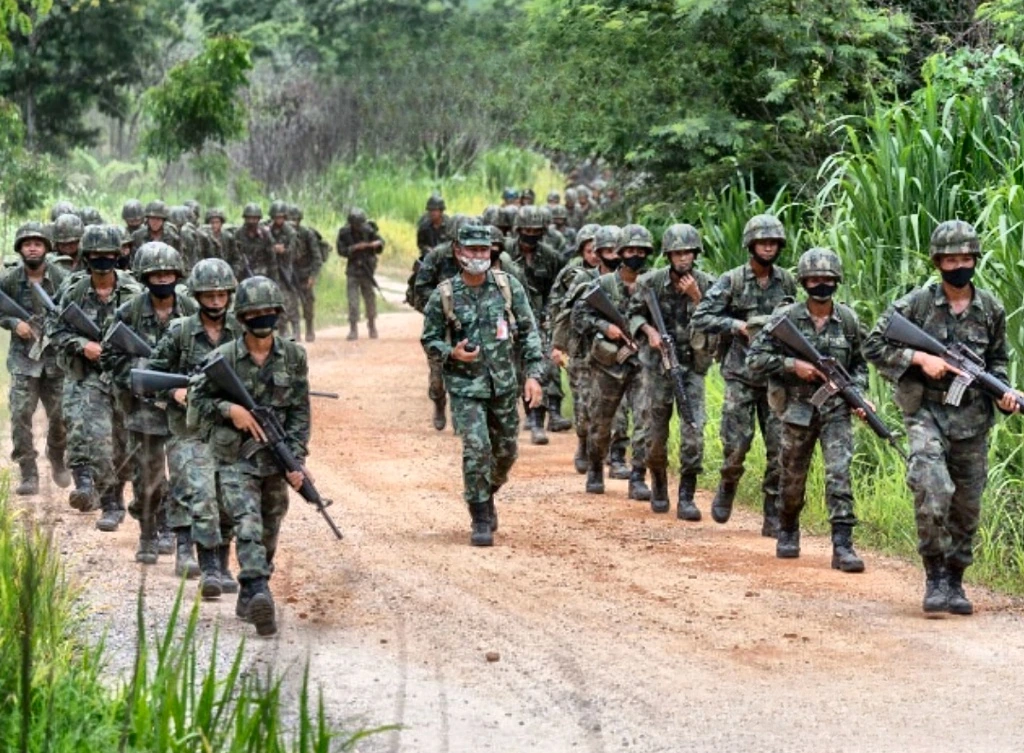
为了在军事上围剿马来亚共产党,马来西亚政府在长达十年的时间里,平均每天必须耗费高达一百万马币的军费开支。To sustain military suppression operations against the Communist Party of Malaya, the Malaysian government had to expend an average of one million Malaysian ringgit per day in military outlays over a period of ten years.— 马来西亚防务开支历史统计数据(引自合艾和平谈判历史档案文献) | Malaysian Defense Expenditure Historical Statistics (Haadyai Peace Talks Archival Dossier)
每天一百万马币、一年超过三亿六千万马币的持续防务消耗,加上泰马边境重要交通干线(如东西大道工程)与橡胶、锡矿及旅游开发区长期受困于军事戒严,成为吉隆坡与曼谷决策层难以承受的财政与经济重负。当时首相马哈迪·莫哈末(Dr. Mahathir Mohamad)正全力推动马来西亚重工业化与制造业转型,而泰国政府与军方亦确立了将印度支那及泰南战场转变为商场的国家经济战略。
泰国陆军总司令兼代理武装部队最高统帅差瓦立·永猜裕上将(General Chavalit Yongchaiyudh)与第四军区副司令兼泰国内安行动指挥部第四区副主任吉迪·拉达纳猜也将军(General Kitti Rattanachaya)清醒地认识到:单靠军事手段不仅无法在短期内彻底解决马共问题,反而严重制约了泰南边境省份的治安稳定与跨境经贸投资。因此,泰军高层率先向马共驻泰南各支队释放了停止军事进攻、通过政治谈判解决历史遗留问题的信号。正是马来亚人民军在战场上打不垮、围不烂的生存韧性,迫使对手放弃了武力逼降的幻想,为马共中央争取有尊严的和平奠定了坚实的实力基础。
Sustaining military outlays of RM 1 million per day—exceeding RM 360 million annually—while major infrastructure projects such as the East-West Highway and border rubber, tin, and tourism zones remained under military curfew, imposed a severe fiscal drain on both Kuala Lumpur and Bangkok. Prime Minister Dr. Mahathir Mohamad was driving Malaysia's heavy industrialization and manufacturing transformation, while Bangkok and the Royal Thai Armed Forces sought to turn regional battlefields into marketplaces.
Royal Thai Army Commander-in-Chief and Acting Supreme Commander General Chavalit Yongchaiyudh, together with 4th Army Region Deputy Commander and ISOC Region 4 Deputy Director General Kitti Rattanachaya, recognized that military force alone could not resolve the CPM question and was impeding economic development in southern Thailand. Consequently, the Thai military leadership took the initiative to signal a cessation of offensives and a willingness to pursue a political settlement. It was the unbroken military resilience of the Malayan People's Army in the field that compelled its adversaries to abandon hopes of forced capitulation, laying the material foundation for an honorable peace.
第三章:破冰接触与澳门会议:从致函最高元首到五项先决条件
Chapter 3: Ice-Breaking Contacts and the Macau Meeting: From the Letter to the King to the Five Preconditions
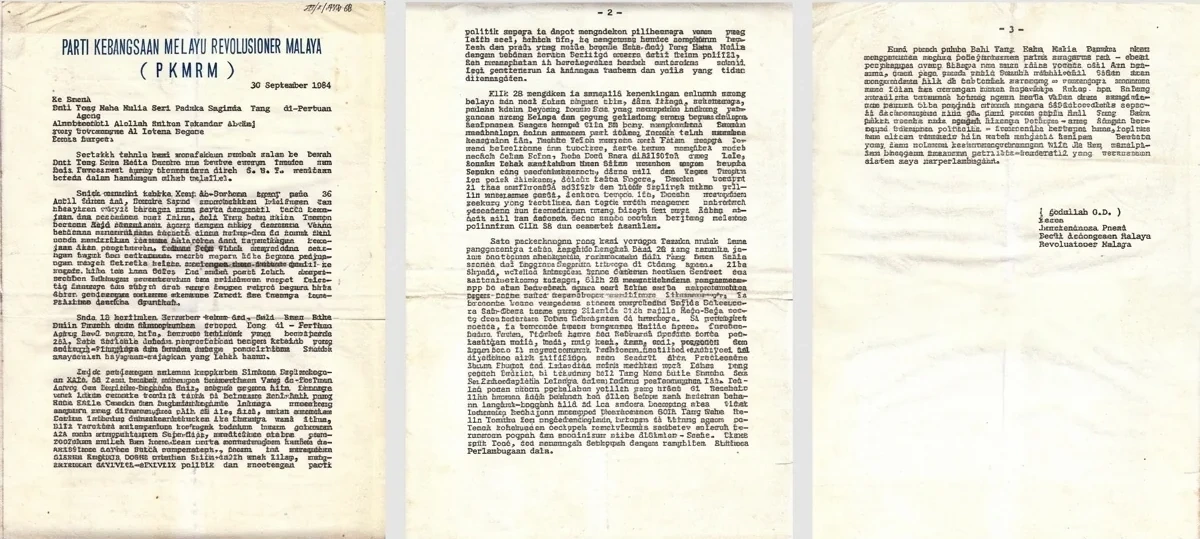
在泰马边境武装相持的同时,马共阵营早在1980年代中期便开始主动探索宪法与政治框架下的和解路径。1984年9月30日,以阿都拉·西迪(Abdullah C.D.)为中央主席的马来亚马来民族革命党(Parti Kebangsaan Melayu Revolusioner Malaya, PKMRM)正式致函刚刚于同年4月出任马来西亚第八任最高元首的柔佛苏丹依斯干达·阿都哈吉(Sultan Iskandar Al-Haj,1984年4月26日就任、同年11月15日正式登基加冕,在位至1989年4月)。这封四页马来文信函尖锐批评了马哈迪与慕沙希淡(2M政权)试图削弱马来统治者宪制权限的专权做法,明确表达了对君主立宪制与伊斯兰信仰原则的尊重,并呼吁组建广泛的爱国民主联合政府以维护国家主权与各族人民权益。这一历史文献充分表明,马共领导层及其马来民族翼早在1984年就已向马来西亚最高宪制元首传递了在立宪框架下实现国内政治和解的明确意向。
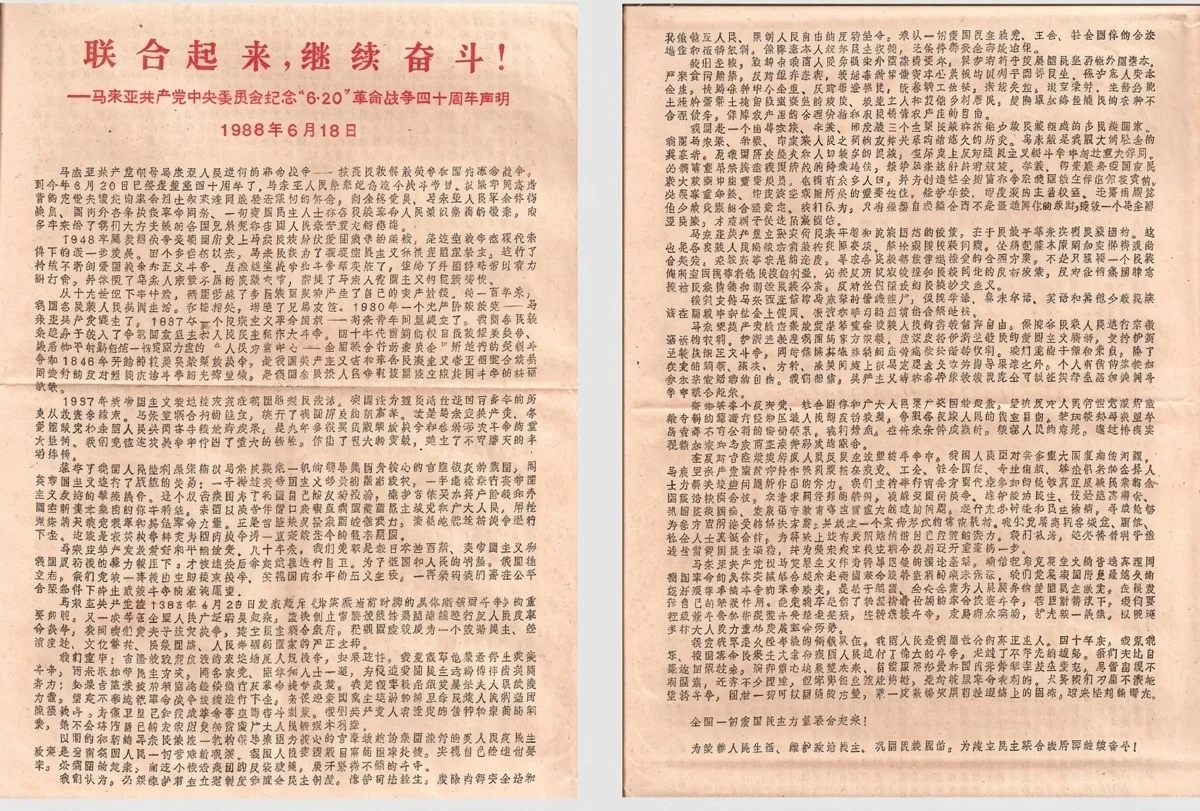
1988年,马共与马来西亚方面在泰方协助下,先后于5月23日至24日(在合艾)、8月10日至11日(在槟城)及10月22日至23日(在合艾)举行了三轮试探性的初级会谈,初步沟通了双方通过政治谈判结束战争的意愿。同年6月15日,马共中央发表《纪念“六·二〇”抗英民族解放战争四十周年声明》,公开倡议通过谈判方式结束国内战争,谋求实现公正与民主的持久和平。
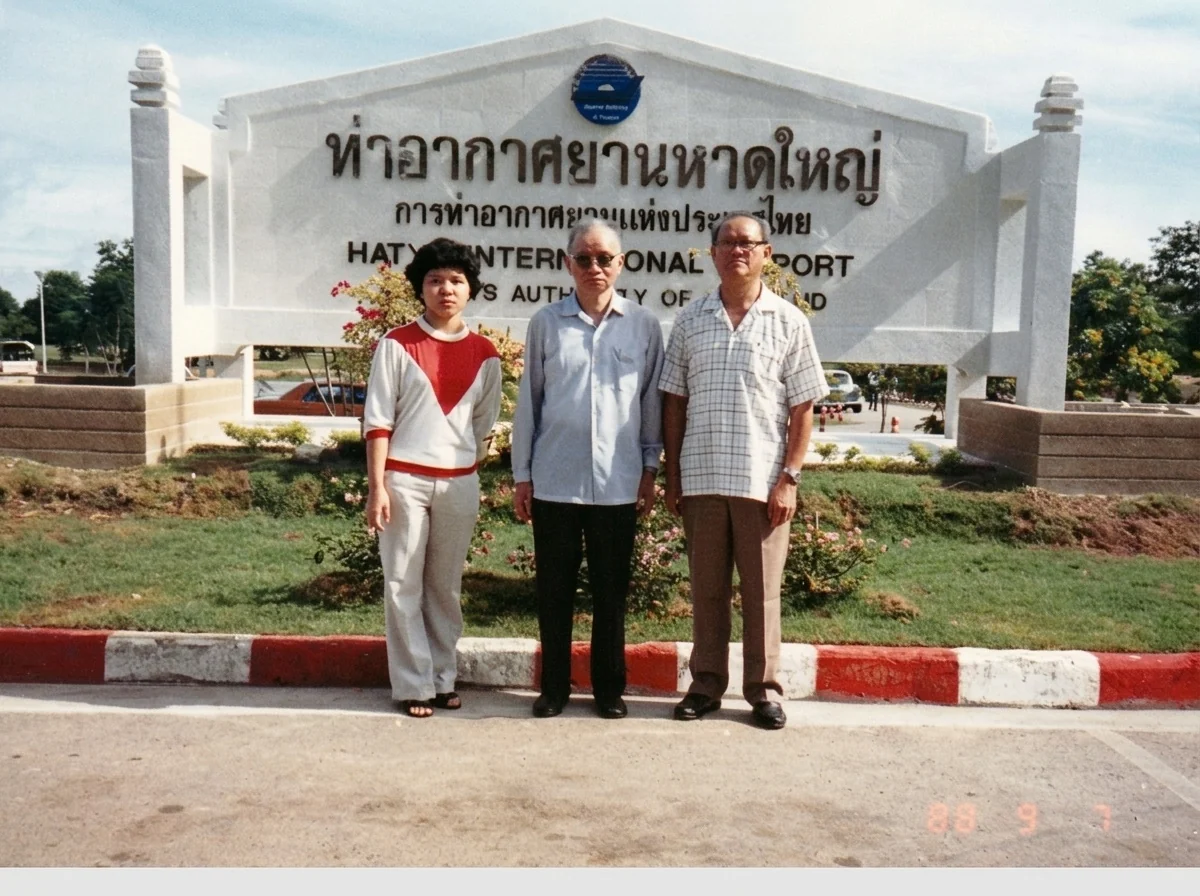
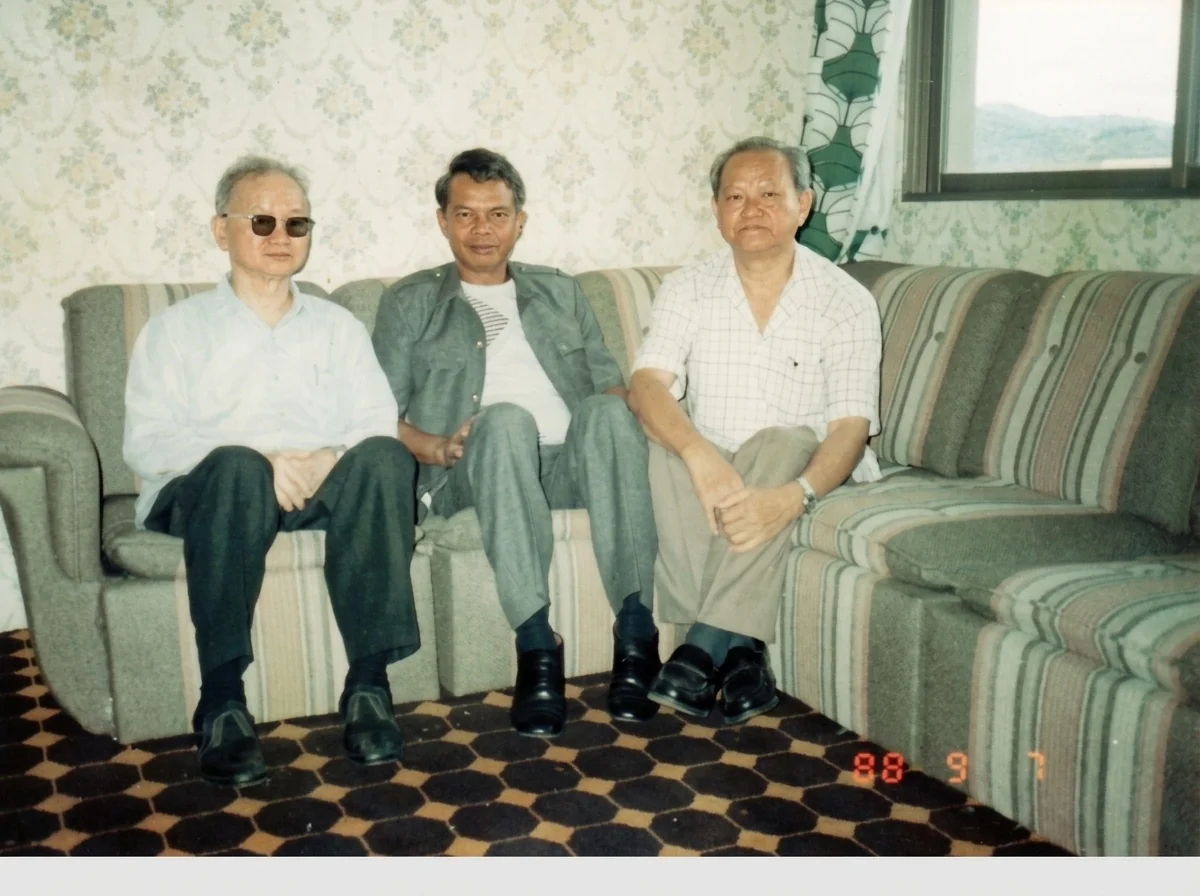
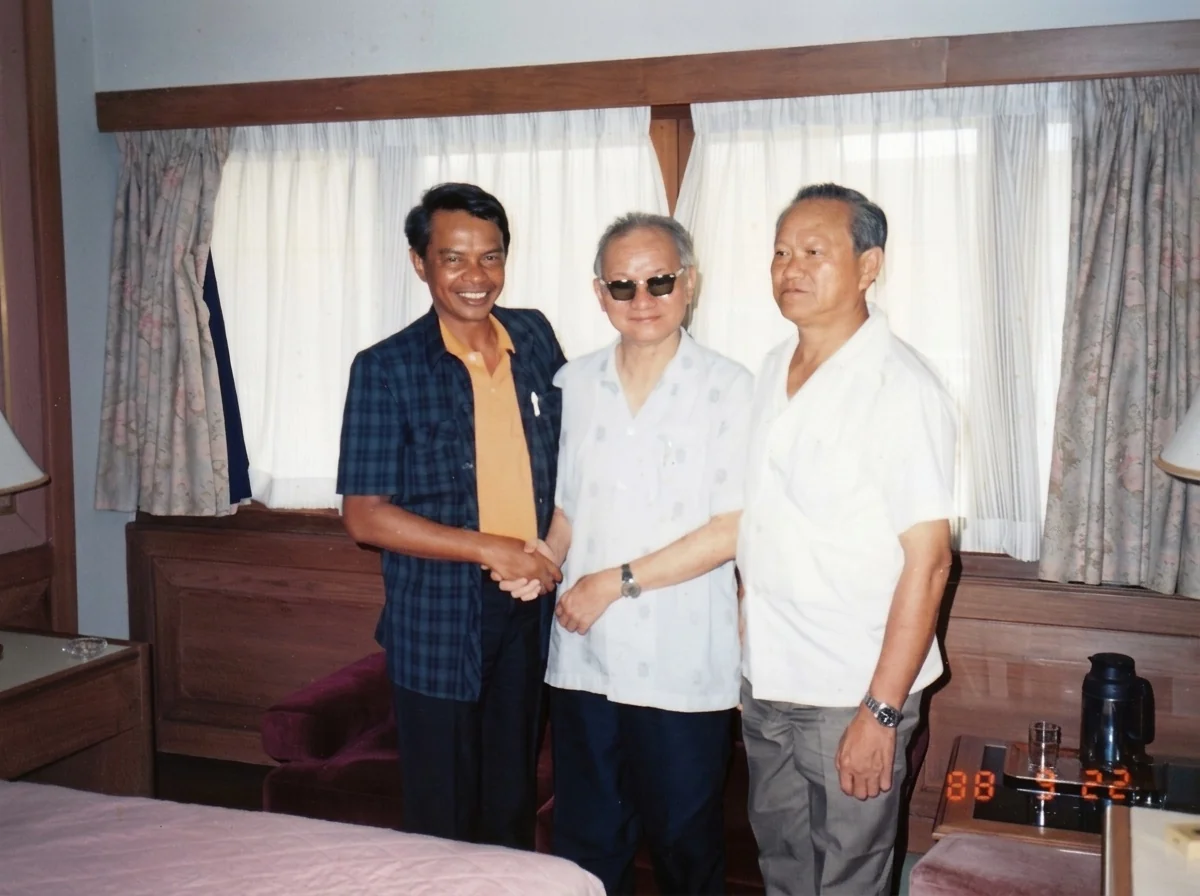
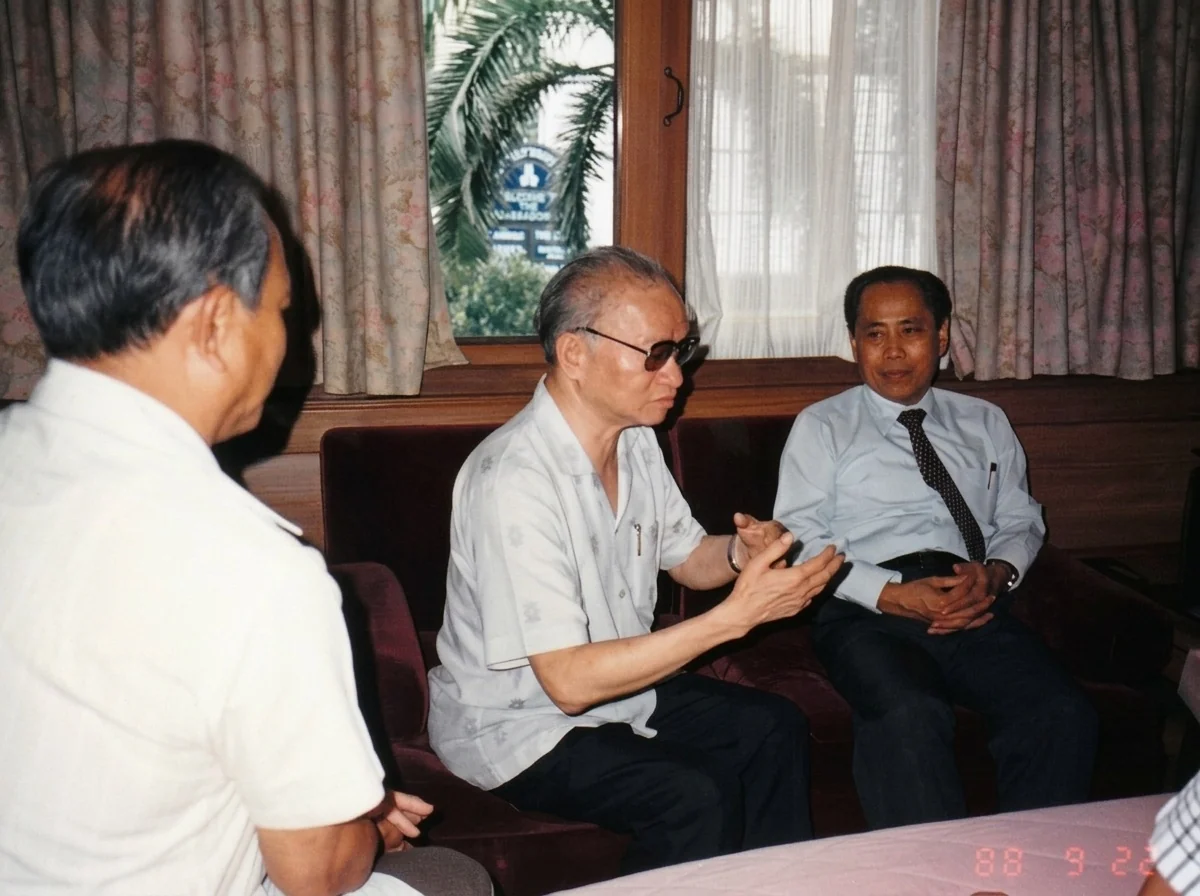
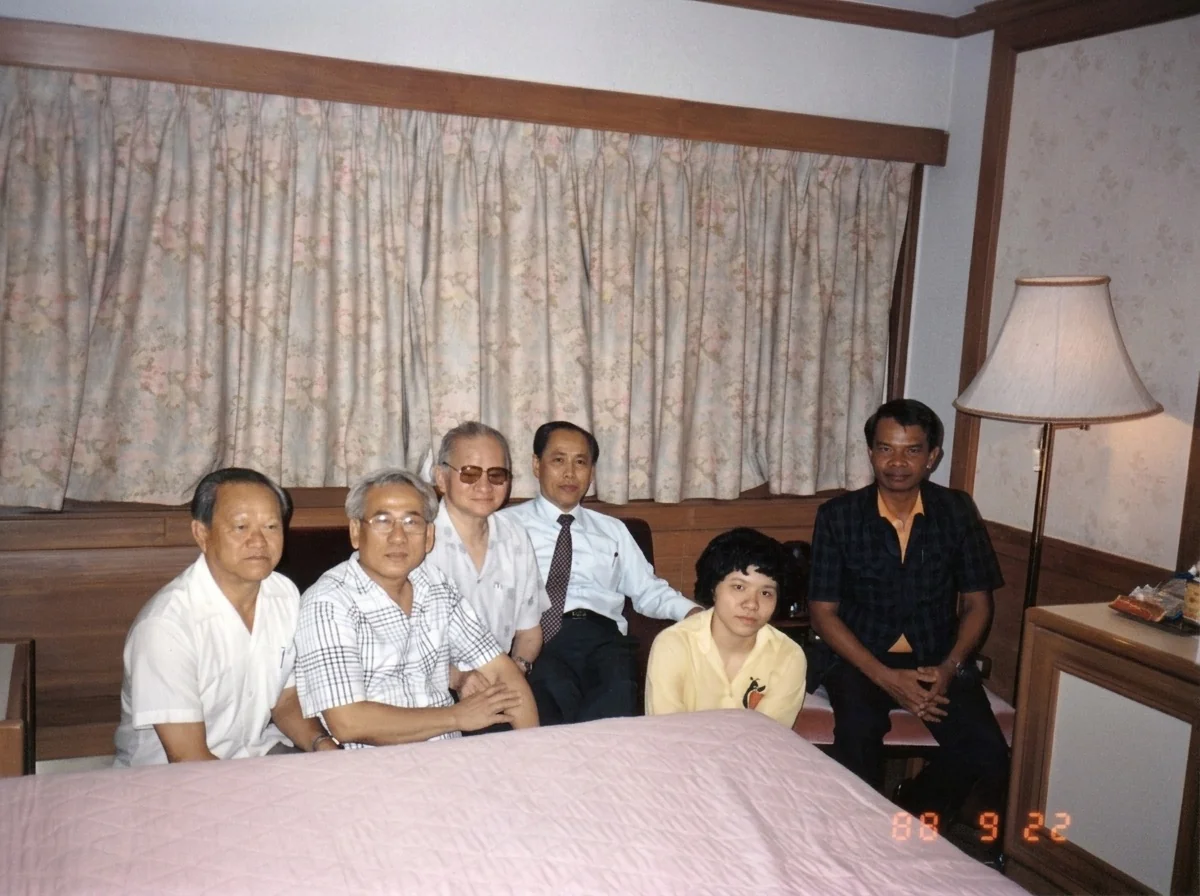
在初级接触沟通基本意向后,马共中央全面推进正式高级会谈的筹备工作。1988年9月4日至7日及9月22日,马共中央政治局委员兼马来亚人民军副总司令章凌云与中央委员黄胜走出边境丛林前往合艾,直接会见泰军第四军区副司令吉迪·拉达纳猜也将军及联络官瓦拉上校、阿卡尼中校。泰军协助章凌云办理泰国护照,使其得以飞赴海外向马共中央总书记陈平当面汇报。
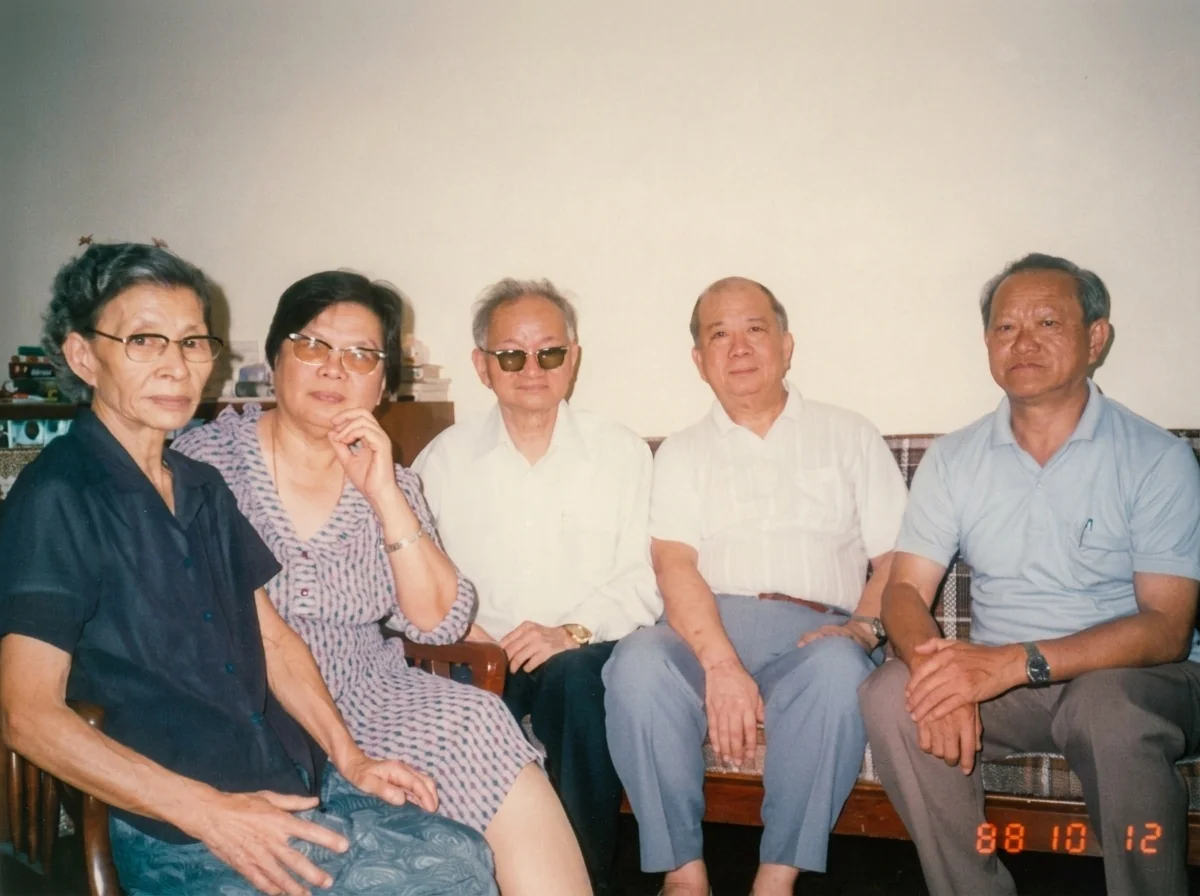
1988年10月12日,陈平与章凌云、陈再润(真名伍瑞霭)、黄胜在澳门举行了具有历史转折意义的秘密决策会议。会议正式确定了马共参加三方和谈的代表团组成方案与分阶段谈判程序,<strong class="text-[#771113] font-bold">并划定了四条不可逾越的谈判底线</strong>:
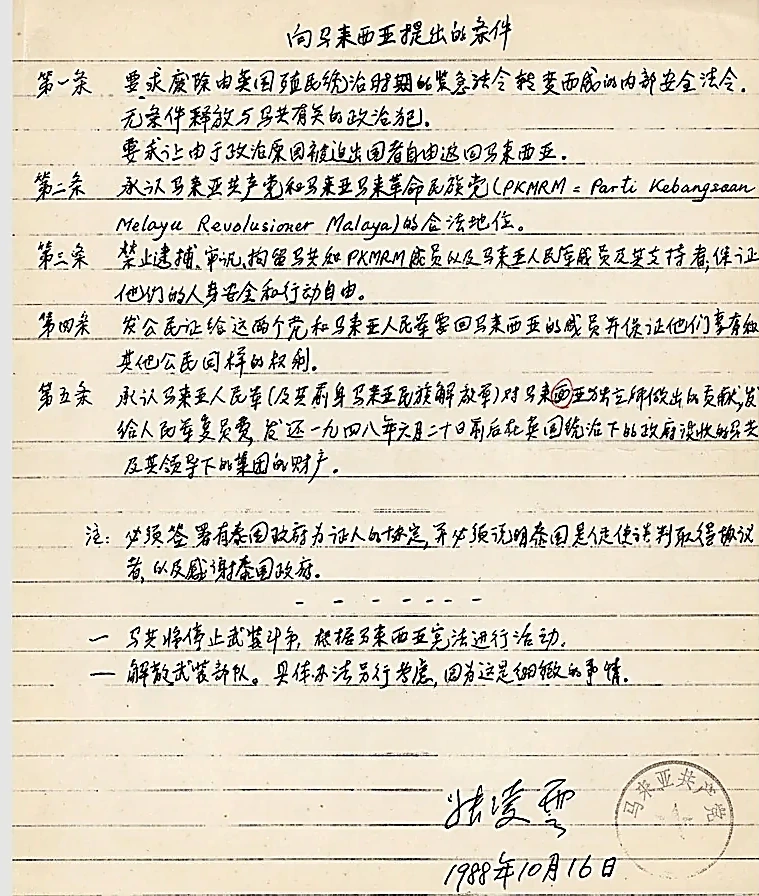
10月16日,章凌云(署名张凌云)代表马共中央将正式签署并加盖“马来亚共产党”党印的《向马来西亚提出的条件》五条手稿原件(涵盖废除《内部安全法令》与释放政治犯、承认马共与马来亚马来革命民族党[PKMRM]合法地位、保障人身安全与行动自由、发放公民证与同等公民权利、承认马来亚人民军及其前身马来亚民族解放军对马来亚独立所作贡献并发放复员费与发还被没收财产,以及由泰国政府作证、马共停止武装斗争按马来西亚宪法活动并解散武装部队的相应承诺),交由吉迪将军通过姚光耀转呈马来西亚首相马哈迪。11月11日至12月13日间,马哈迪通过姚光耀正式复函表示赞成举行马、泰、马共三方正式会谈,并指定以马来西亚皇家警察政治部总监拿督阿都·拉欣·莫哈末·诺(Datuk Abdul Rahim Mohd. Noor)为马方谈判代表团团长。1989年1月5日,马、泰、马共三方代表在泰南合艾市J.B.酒店举行高级预备会议,正式敲定将三方和平谈判的会场设于泰国普吉岛卡隆滩塔湾棕榈海滩酒店(Thavorn Palm Beach Hotel)。
Alongside the military stalemate along the border, the CPM camp actively explored avenues for constitutional and political reconciliation as early as the mid-1980s. On September 30, 1984, the Malay Nationalist Revolutionary Party of Malaya (Parti Kebangsaan Melayu Revolusioner Malaya, PKMRM), chaired by Abdullah C.D., addressed an official four-page Malay-language letter to the 8th Yang di-Pertuan Agong of Malaysia, Sultan Iskandar Al-Haj of Johor (who assumed office on April 26, 1984 and was formally installed on November 15, 1984, reigning until April 1989). The letter critiqued the authoritarian centralization of the Mahathir-Musa ('2M') administration, affirmed respect for the Constitutional Monarchy and Islamic principles, and called for a broad patriotic-democratic coalition government to safeguard national sovereignty and popular rights—demonstrating the CPM leadership's early readiness for political reconciliation within Malaysia's constitutional framework.
In 1988, with Thai facilitation, the CPM and the Malaysian side held three rounds of exploratory preliminary talks on May 23–24 (in Haadyai), August 10–11 (in Penang), and October 22–23 (in Haadyai), establishing initial communication on ending the conflict through political negotiations. Meanwhile, on June 15, 1988, the CPM Central Committee issued its Statement Commemorating the 40th Anniversary of the June 20 Anti-British National Liberation War, publicly proposing peace negotiations to end the domestic war.
Following these initial contacts, the CPM Central Committee moved to prepare formal senior-level negotiations. On September 4–7 and September 22, 1988, CPM Central Politburo Member and MPA Deputy Commander Zhang Lingyun and Central Committee Member Huang Sheng traveled to Hat Yai to meet directly with 4th Army Region Deputy Commander General Kitti Rattanachaya and liaison officers Col. Warah and Lt. Col. Akanit. With Thai military assistance in issuing travel documents, Zhang Lingyun flew to Macau to brief CPM General Secretary Chin Peng in person.
On October 12, 1988, Chin Peng convened a decisive secret meeting in Macau with Zhang Lingyun, Chen Zairun (Wu Rui Ai), and Huang Sheng. The meeting finalized the CPM negotiation delegation lineup and phased negotiation procedures, <strong class="text-[#771113] font-bold">and established four non-negotiable red lines</strong>:
On October 16, 1988, Zhang Lingyun formally signed and affixed the official CPM seal to the handwritten manuscript 'Conditions Proposed to Malaysia' (《向马来西亚提出的条件》, setting out five articles—repealing the Internal Security Act and releasing political prisoners, recognizing the legal status of the CPM and PKMRM, guaranteeing personal safety and freedom of movement, issuing citizenship certificates with equal rights to returning members, and acknowledging the MPA/MNLA's contribution to Malayan independence alongside demobilization pay and property restitution—together with a note requiring the Royal Thai Government as witness and two reciprocal commitments to cease armed struggle under the Malaysian Constitution and disband the armed units), which General Kitti forwarded via Yao Guangyao to Prime Minister Dr. Mahathir Mohamad. Between November 11 and December 13, 1988, Mahathir conveyed his formal approval for tripartite peace talks and appointed Special Branch Director Datuk Abdul Rahim Mohd. Noor to head the Malaysian delegation. On January 5, 1989, senior representatives of Malaysia, Thailand, and the CPM met at the J.B. Hotel in Hat Yai for a Senior-Level Preparatory Meeting, selecting the Thavorn Palm Beach Hotel on Karon Beach, Phuket as the venue for the formal talks.
在泰马边境武装相持的同时,马共阵营早在1980年代中期便开始主动探索宪法与政治框架下的和解路径。1984年9月30日,以阿都拉·西迪(Abdullah C.D.)为中央主席的马来亚马来民族革命党(Parti Kebangsaan Melayu Revolusioner Malaya, PKMRM)正式致函刚刚于同年4月出任马来西亚第八任最高元首的柔佛苏丹依斯干达·阿都哈吉(Sultan Iskandar Al-Haj,1984年4月26日就任、同年11月15日正式登基加冕,在位至1989年4月)。这封四页马来文信函尖锐批评了马哈迪与慕沙希淡(2M政权)试图削弱马来统治者宪制权限的专权做法,明确表达了对君主立宪制与伊斯兰信仰原则的尊重,并呼吁组建广泛的爱国民主联合政府以维护国家主权与各族人民权益。这一历史文献充分表明,马共领导层及其马来民族翼早在1984年就已向马来西亚最高宪制元首传递了在立宪框架下实现国内政治和解的明确意向。
1988年,马共与马来西亚方面在泰方协助下,先后于5月23日至24日(在合艾)、8月10日至11日(在槟城)及10月22日至23日(在合艾)举行了三轮试探性的初级会谈,初步沟通了双方通过政治谈判结束战争的意愿。同年6月15日,马共中央发表《纪念“六·二〇”抗英民族解放战争四十周年声明》,公开倡议通过谈判方式结束国内战争,谋求实现公正与民主的持久和平。
Alongside the military stalemate along the border, the CPM camp actively explored avenues for constitutional and political reconciliation as early as the mid-1980s. On September 30, 1984, the Malay Nationalist Revolutionary Party of Malaya (Parti Kebangsaan Melayu Revolusioner Malaya, PKMRM), chaired by Abdullah C.D., addressed an official four-page Malay-language letter to the 8th Yang di-Pertuan Agong of Malaysia, Sultan Iskandar Al-Haj of Johor (who assumed office on April 26, 1984 and was formally installed on November 15, 1984, reigning until April 1989). The letter critiqued the authoritarian centralization of the Mahathir-Musa ('2M') administration, affirmed respect for the Constitutional Monarchy and Islamic principles, and called for a broad patriotic-democratic coalition government to safeguard national sovereignty and popular rights—demonstrating the CPM leadership's early readiness for political reconciliation within Malaysia's constitutional framework.
In 1988, with Thai facilitation, the CPM and the Malaysian side held three rounds of exploratory preliminary talks on May 23–24 (in Haadyai), August 10–11 (in Penang), and October 22–23 (in Haadyai), establishing initial communication on ending the conflict through political negotiations. Meanwhile, on June 15, 1988, the CPM Central Committee issued its Statement Commemorating the 40th Anniversary of the June 20 Anti-British National Liberation War, publicly proposing peace negotiations to end the domestic war.
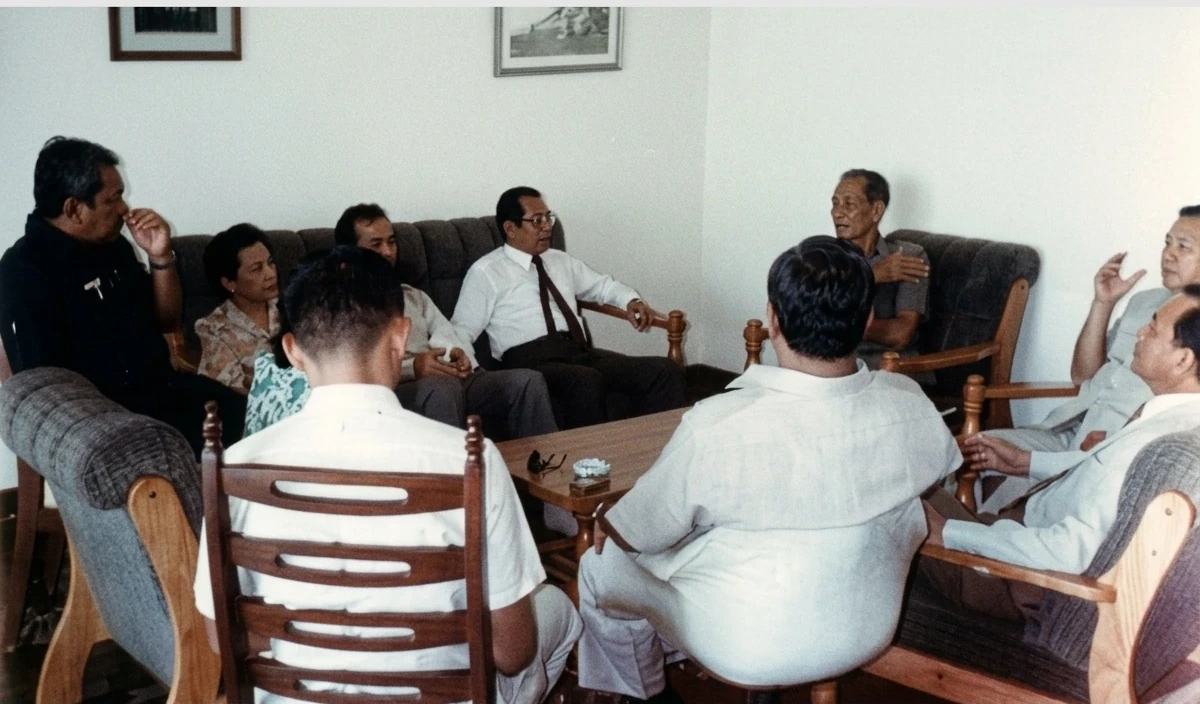
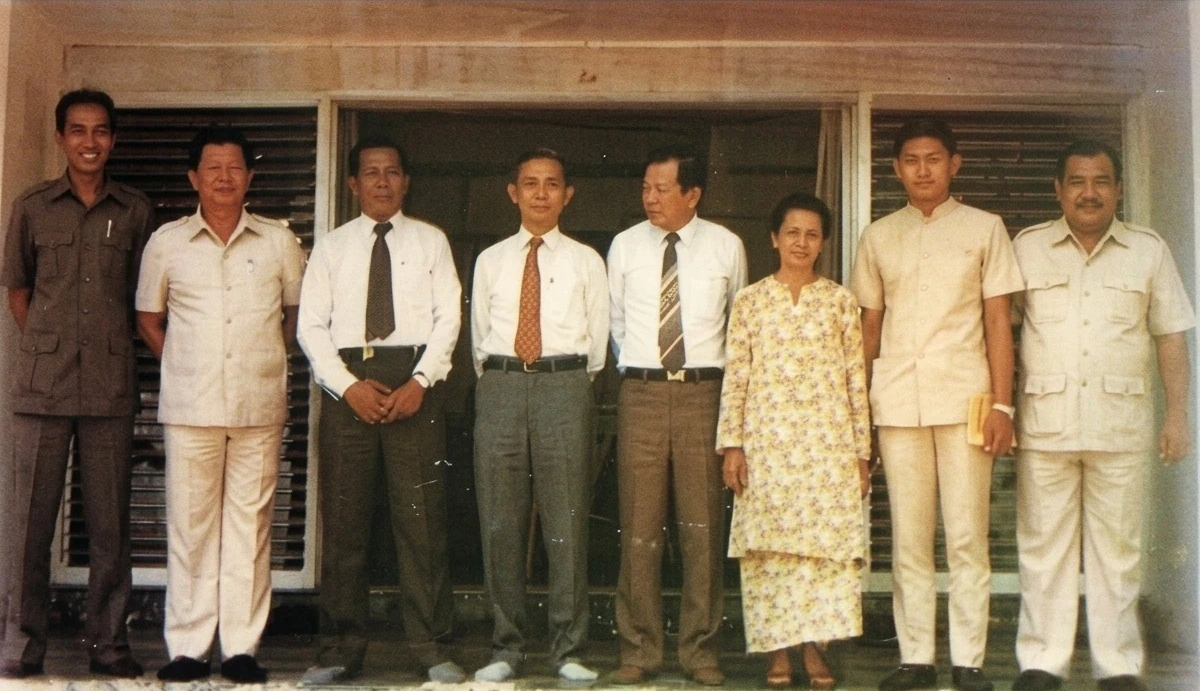
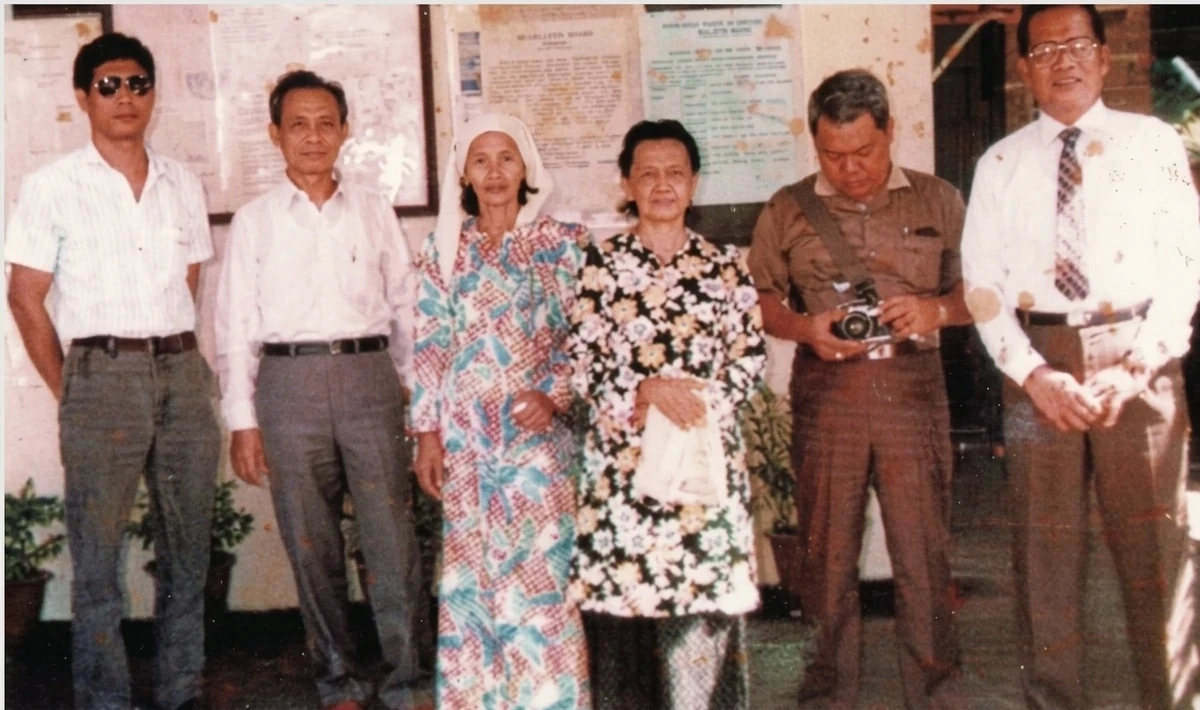
在初级接触沟通基本意向后,马共中央全面推进正式高级会谈的筹备工作。1988年9月4日至7日及9月22日,马共中央政治局委员兼马来亚人民军副总司令章凌云与中央委员黄胜走出边境丛林前往合艾,直接会见泰军第四军区副司令吉迪·拉达纳猜也将军及联络官瓦拉上校、阿卡尼中校。泰军协助章凌云办理泰国护照,使其得以飞赴海外向马共中央总书记陈平当面汇报。
1988年10月12日,陈平与章凌云、陈再润(真名伍瑞霭)、黄胜在澳门举行了具有历史转折意义的秘密决策会议。会议正式确定了马共参加三方和谈的代表团组成方案与分阶段谈判程序,<strong class="text-[#771113] font-bold">并划定了四条不可逾越的谈判底线</strong>:
Following these initial contacts, the CPM Central Committee moved to prepare formal senior-level negotiations. On September 4–7 and September 22, 1988, CPM Central Politburo Member and MPA Deputy Commander Zhang Lingyun and Central Committee Member Huang Sheng traveled to Hat Yai to meet directly with 4th Army Region Deputy Commander General Kitti Rattanachaya and liaison officers Col. Warah and Lt. Col. Akanit. With Thai military assistance in issuing travel documents, Zhang Lingyun flew to Macau to brief CPM General Secretary Chin Peng in person.
On October 12, 1988, Chin Peng convened a decisive secret meeting in Macau with Zhang Lingyun, Chen Zairun (Wu Rui Ai), and Huang Sheng. The meeting finalized the CPM negotiation delegation lineup and phased negotiation procedures, <strong class="text-[#771113] font-bold">and established four non-negotiable red lines</strong>:
1988年10月12日澳门秘密决策会议划定的四条不可逾越的谈判底线:
1. 绝不接受投降字眼与任何带有侮辱性的受降仪式;
2. 绝不解散马来亚共产党,协议仅限于停止武装行动与解散马来亚人民军;
3. 回国定居的马共人员绝不接受《内安法令》(ISA)的扣留与审讯;
4. 留居泰国与返回马来西亚的全体指战员必须获得切实的公民权、土地与生活保障。Four Non-Negotiable Red Lines Established at the Macau Secret Decision-Making Meeting (October 12, 1988):— 马共中央1988年10月12日澳门秘密决策会议确立之谈判总原则 | Core Negotiation Principles Established at the CPM Central Committee Macau Meeting, October 12, 1988
1. Absolute rejection of the term 'surrender' or any humiliating surrender ceremony;
2. Refusal to dissolve the Communist Party of Malaya itself, limiting the accord strictly to the cessation of armed activities and the disbandment of the Malayan People's Army;
3. Complete exemption from detention and interrogation under the Internal Security Act (ISA) for members returning to Malaysia;
4. Concrete guarantees of citizenship, land, and livelihood allowances for combatants settling in Thailand or returning to Malaysia.
10月16日,章凌云(署名张凌云)代表马共中央将正式签署并加盖“马来亚共产党”党印的《向马来西亚提出的条件》五条手稿原件(涵盖废除《内部安全法令》与释放政治犯、承认马共与马来亚马来革命民族党[PKMRM]合法地位、保障人身安全与行动自由、发放公民证与同等公民权利、承认马来亚人民军及其前身马来亚民族解放军对马来亚独立所作贡献并发放复员费与发还被没收财产,以及由泰国政府作证、马共停止武装斗争按马来西亚宪法活动并解散武装部队的相应承诺),交由吉迪将军通过姚光耀转呈马来西亚首相马哈迪。11月11日至12月13日间,马哈迪通过姚光耀正式复函表示赞成举行马、泰、马共三方正式会谈,并指定以马来西亚皇家警察政治部总监拿督阿都·拉欣·莫哈末·诺(Datuk Abdul Rahim Mohd. Noor)为马方谈判代表团团长。1989年1月5日,马、泰、马共三方代表在泰南合艾市J.B.酒店举行高级预备会议,正式敲定将三方和平谈判的会场设于泰国普吉岛卡隆滩塔湾棕榈海滩酒店(Thavorn Palm Beach Hotel)。
On October 16, 1988, Zhang Lingyun formally signed and affixed the official CPM seal to the handwritten manuscript 'Conditions Proposed to Malaysia' (《向马来西亚提出的条件》, setting out five articles—repealing the Internal Security Act and releasing political prisoners, recognizing the legal status of the CPM and PKMRM, guaranteeing personal safety and freedom of movement, issuing citizenship certificates with equal rights to returning members, and acknowledging the MPA/MNLA's contribution to Malayan independence alongside demobilization pay and property restitution—together with a note requiring the Royal Thai Government as witness and two reciprocal commitments to cease armed struggle under the Malaysian Constitution and disband the armed units), which General Kitti forwarded via Yao Guangyao to Prime Minister Dr. Mahathir Mohamad. Between November 11 and December 13, 1988, Mahathir conveyed his formal approval for tripartite peace talks and appointed Special Branch Director Datuk Abdul Rahim Mohd. Noor to head the Malaysian delegation. On January 5, 1989, senior representatives of Malaysia, Thailand, and the CPM met at the J.B. Hotel in Hat Yai for a Senior-Level Preparatory Meeting, selecting the Thavorn Palm Beach Hotel on Karon Beach, Phuket as the venue for the formal talks.
1988年10月16日《向马来西亚提出的条件》五条手稿原件全文:
一、要求废除由英国殖民统治时期的紧急法令转变而成的内部安全法令。无条件释放与马共有关的政治犯。要求让由于政治原因被迫出国者自由返回马来西亚。
二、承认马来亚共产党和马来亚马来革命民族党(PKMRM = Parti Kebangsaan Melayu Revolusioner Malaya)的合法地位。
三、禁止逮捕、审讯、拘留马共和PKMRM成员以及马来亚人民军成员及其支持者,保证他们的人身安全和行动自由。
四、发公民证给这两个党和马来亚人民军要回马来西亚的成员并保证他们享有和其他公民同样的权利。
五、承认马来亚人民军(及其前身马来亚民族解放军)对马来亚独立所做出的贡献,发给人民军复员费,发还一九四八年六月二十日前后在英国统治下的政府没收的马共及其领导下的集团的财产。<br><br><strong>注:</strong>必须签署有泰国政府为证人的协定,并必须说明泰国是促使谈判取得协议者,以及感谢泰国政府。<br>· 马共将停止武装斗争,根据马来西亚宪法进行活动。<br>· 解散武装部队。具体办法另行考虑,因为这是细致的事情。Full Verbatim Text of the Handwritten Manuscript 'Conditions Proposed to Malaysia' (October 16, 1988):— 章凌云(署名张凌云)代表马共中央签署并加盖党印:《向马来西亚提出的条件》(1988年10月16日手稿原件) | Signed by Zhang Lingyun with the Official Seal of the Communist Party of Malaya: 'Conditions Proposed to Malaysia' (Original Handwritten Manuscript, October 16, 1988)
1. Demand the repeal of the Internal Security Act derived from the Emergency Regulations of the British colonial era; the unconditional release of political prisoners connected with the CPM; and the right of those forced abroad for political reasons to return freely to Malaysia.
2. Recognize the legal status of the Communist Party of Malaya (CPM) and the Malay Nationalist Revolutionary Party of Malaya (PKMRM = Parti Kebangsaan Melayu Revolusioner Malaya).
3. Prohibit the arrest, interrogation, or detention of members of the CPM, PKMRM, and the Malayan People's Army as well as their supporters, and guarantee their personal safety and freedom of movement.
4. Issue citizenship certificates to members of these two parties and the Malayan People's Army returning to Malaysia, and guarantee that they enjoy the same rights as other citizens.
5. Acknowledge the contribution made by the Malayan People's Army (and its predecessor, the Malayan National Liberation Army) to the independence of Malaya, provide demobilization pay to the People's Army, and restore the property of the CPM and organizations under its leadership confiscated by the government under British rule around June 20, 1948.<br><br><strong>Note:</strong> An agreement must be signed with the Royal Thai Government as witness, stating that Thailand facilitated the attainment of the agreement and expressing gratitude to the Royal Thai Government.<br>— The CPM will cease armed struggle and conduct activities in accordance with the Malaysian Constitution.<br>— Disband the armed units. Specific arrangements to be considered separately, as this is a delicate matter.
第四章:普吉岛第一轮与第二轮三方会谈:首次同桌破冰与《内安法》争议焦点
Chapter 4: The First and Second Rounds in Phuket: From the Tripartite Plenary to the ISA Contention
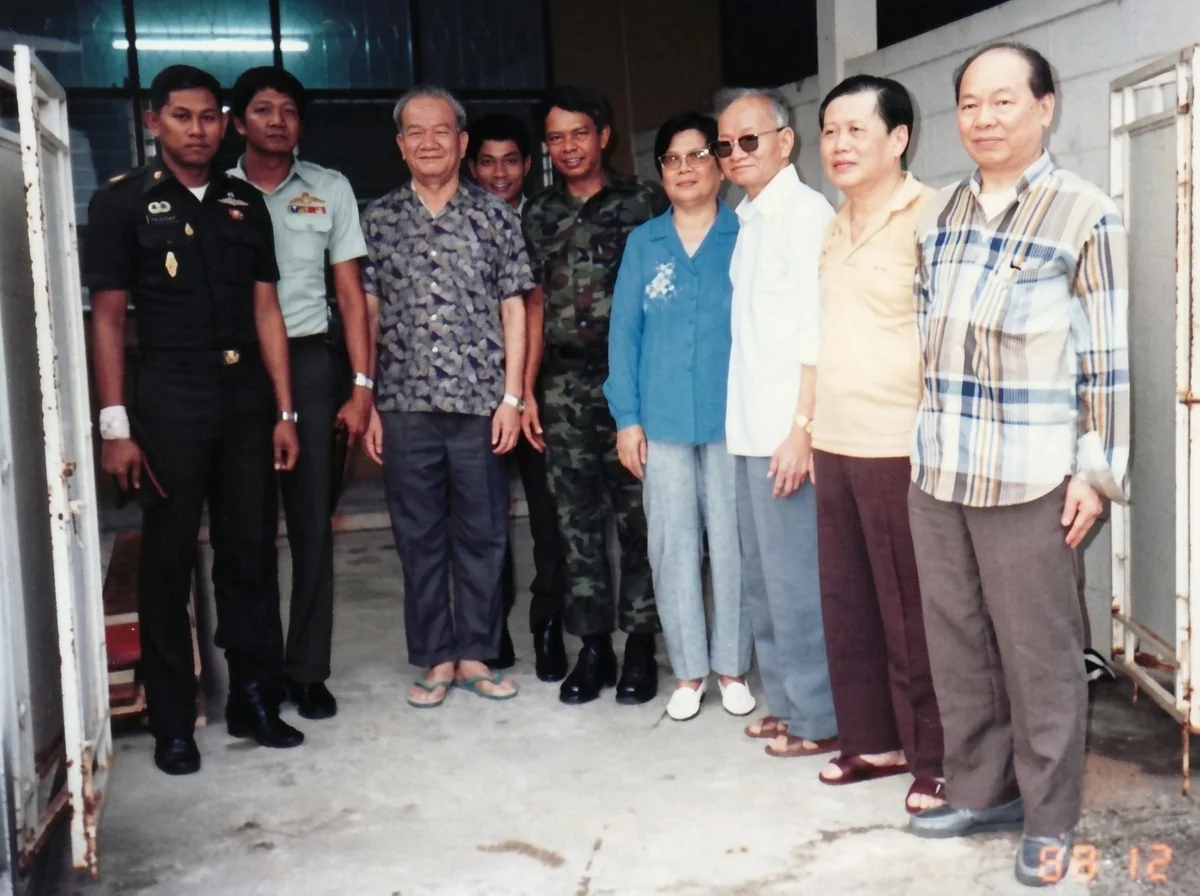
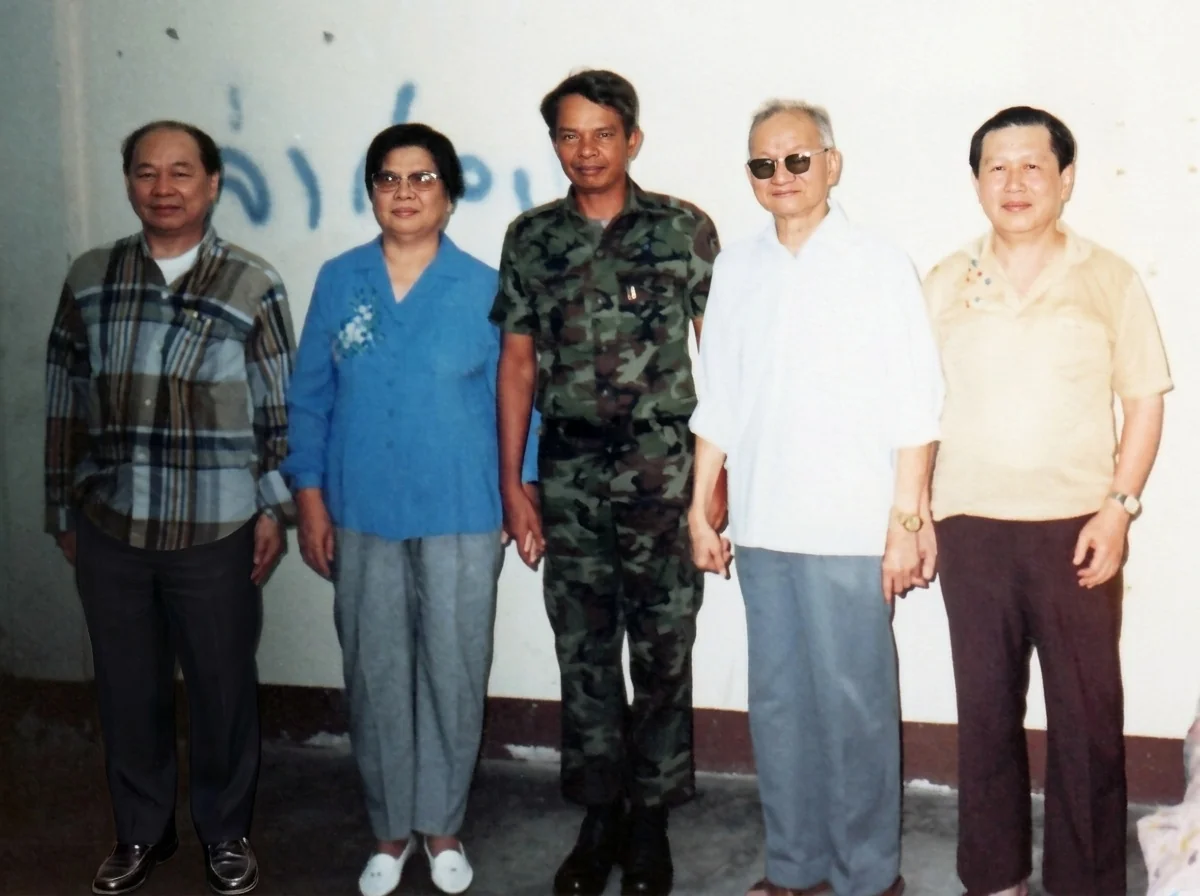
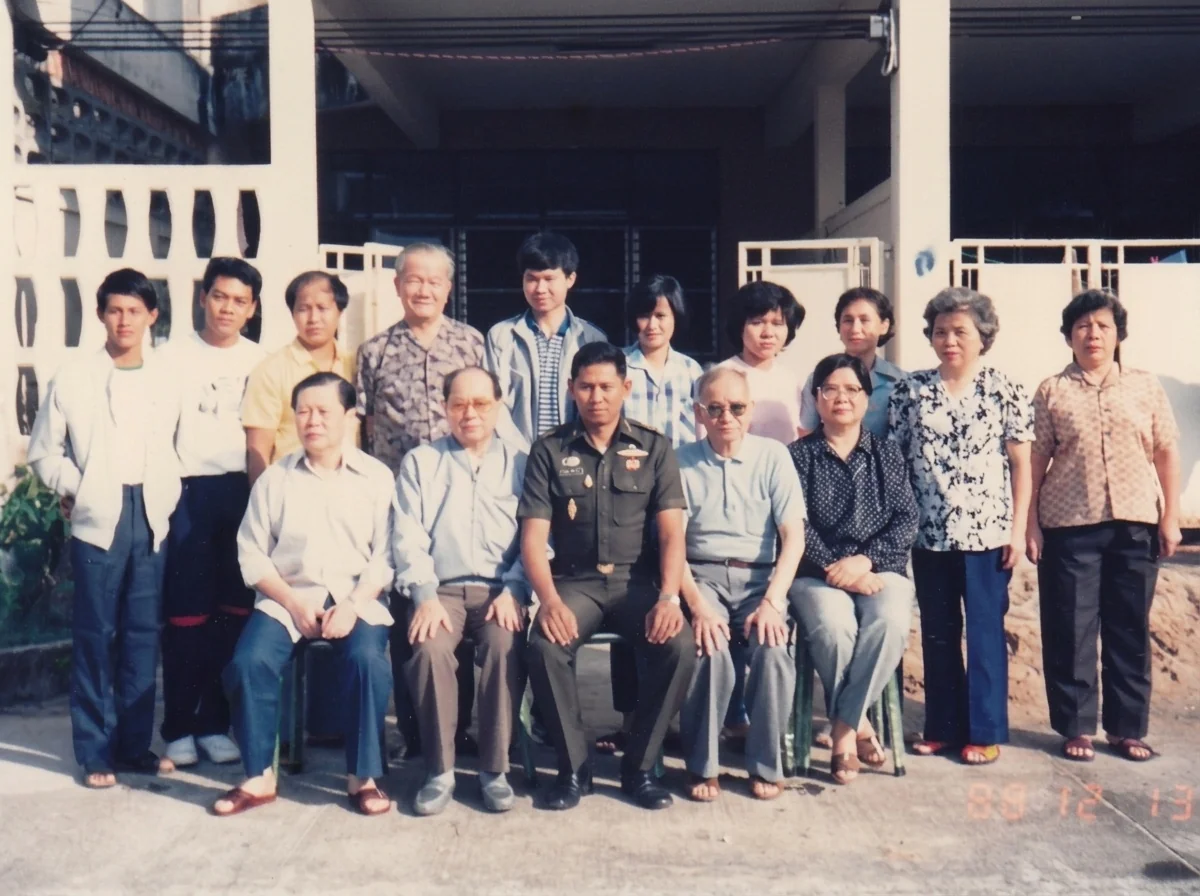
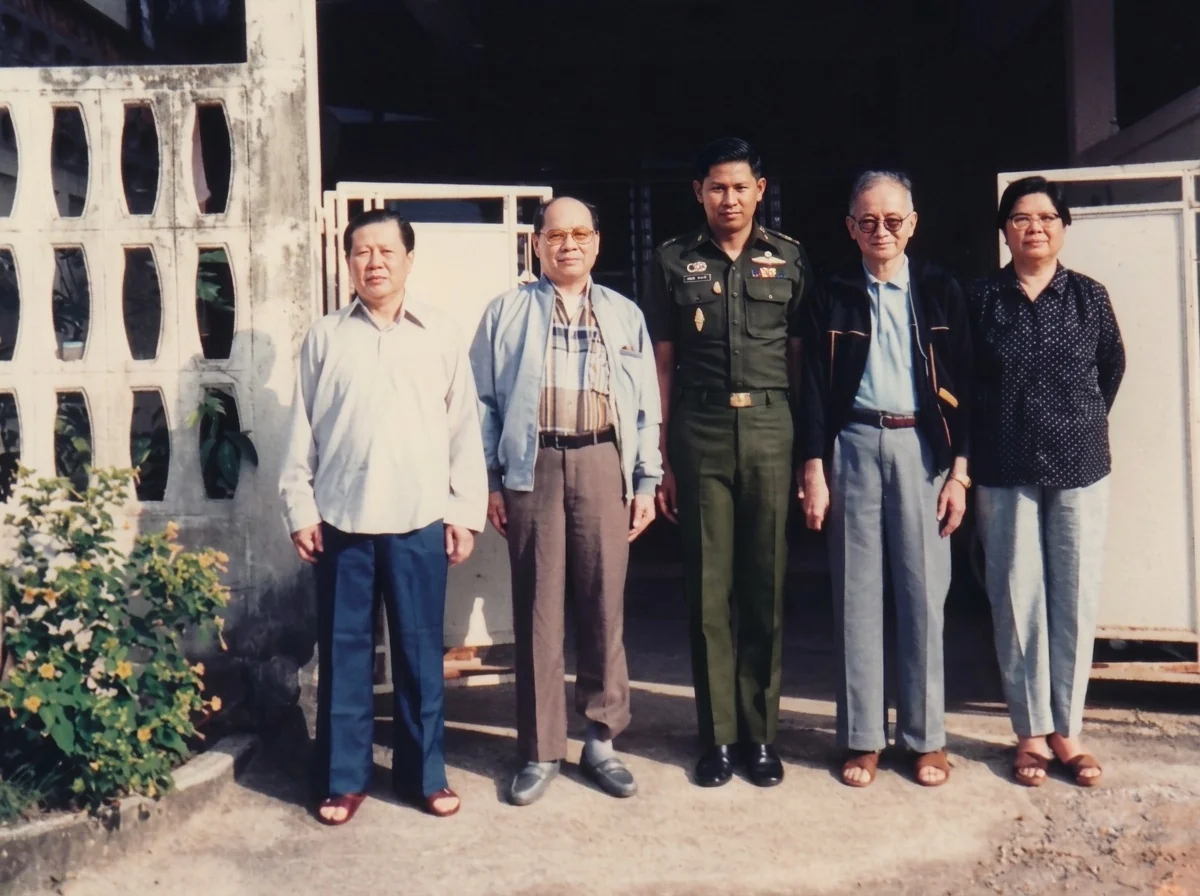
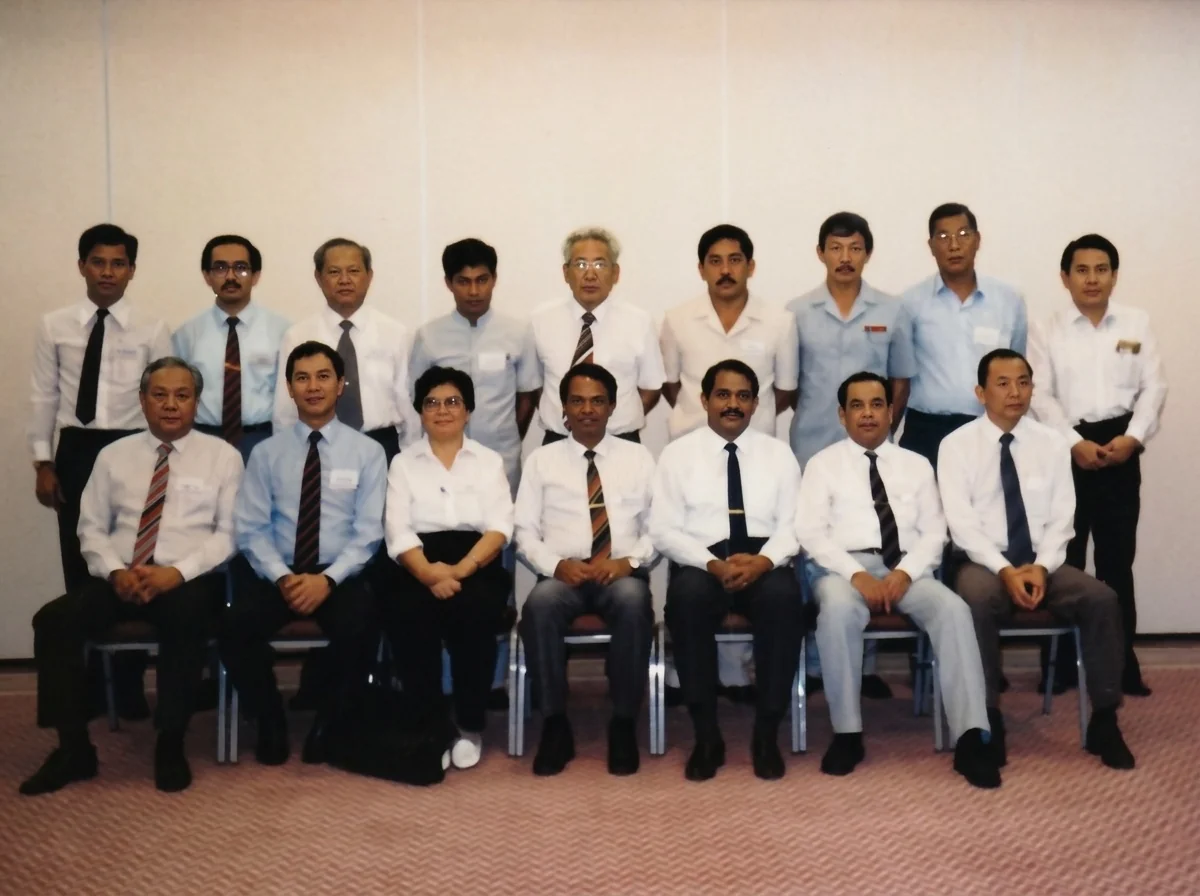
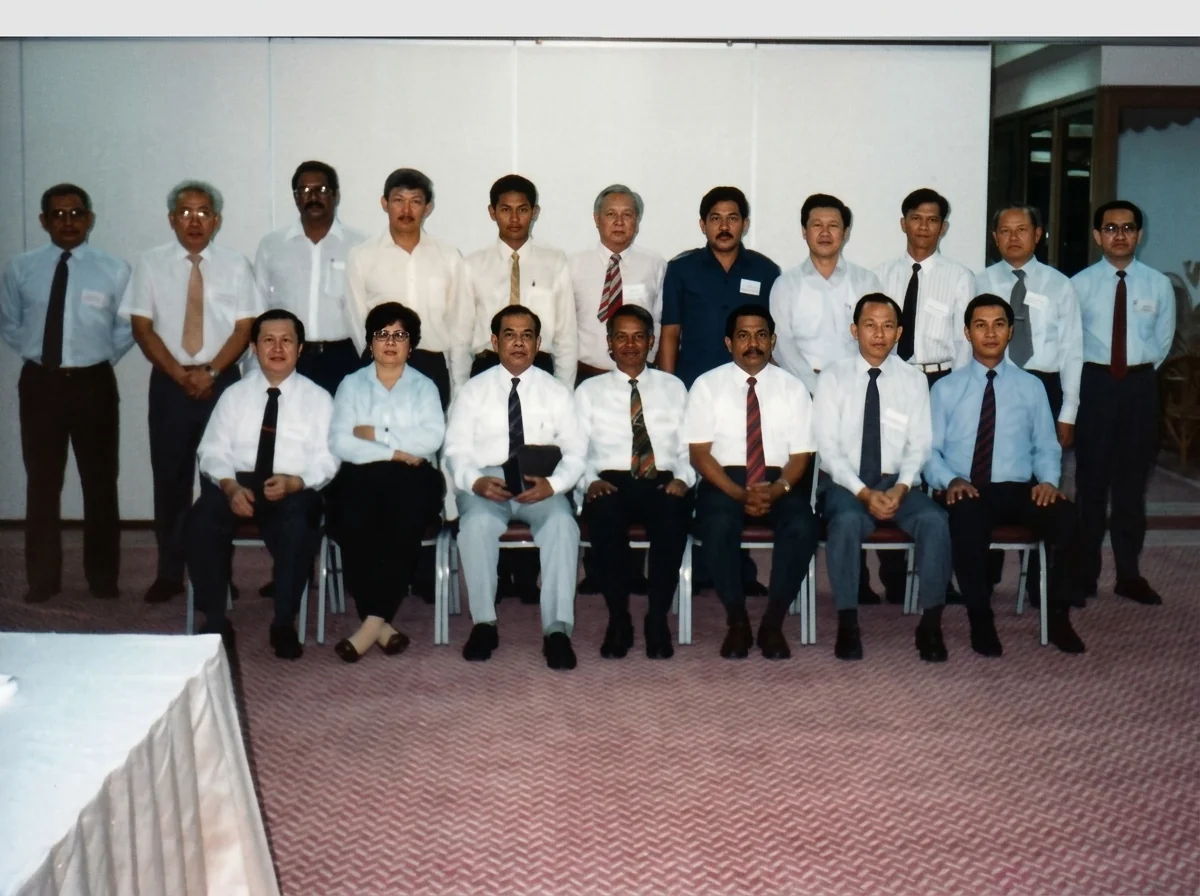
1989年2月2日至4日,首轮三方会谈在普吉岛卡隆滩的塔湾棕榈海滩酒店(Thavorn Palm Beach Hotel)举行,马来西亚警方政治部、泰国军方内部安全行动指挥部与马共代表团首次同桌;每轮先开三方联席会议,随后分别进行闭门商谈。为体现对等谈判地位,三方均派出了阵容齐整的高规格代表团:马来亚共产党代表团由中央政治局委员章凌云任首任团长(第一至第二轮和谈团长;第三轮起由中央政治局委员吴一石[吴清琦,代号阿石]继任第二任团长),中央委员兼第十支队领导人拉昔·迈丁(Rashid Maidin)任代表,中央委员陈再润(伍瑞霭)任代表团顾问,中央委员黄胜(黄声)与第十支队干部伊斯干达(Iskandar)任代表团秘书;马来西亚政府代表团由皇家警察政治部总监拿督阿都·拉欣·莫哈末·诺任团长,成员包括政治部副总监拿督陈仁庆(Datuk Henry Chin)、内政部与国家安全理事会官员诺利安·迈(Norian Mai)、扎曼汗(Zaman Khan)、阿末·塔祖丁(Ahmad Tajuddin)、国防部军事情报局局长拉惹·阿都·拉昔少将(Maj. Gen. Raja Abdul Rashid)以及马来西亚副首相嘉化峇峇特使、代表团顾问姚光耀(Yau Kong Yew);泰王国政府代表团则由第四军区副司令兼泰国内安行动指挥部第四区副主任吉迪·拉达纳猜也将军任团长,成员包括联合特遣部队司令班贴·普瓦纳努叻少将、第四军区参谋长威猜少将(Maj. Gen. Vichai)、颂道上校(Col. Somdao)与阿卡尼中校(Lt. Col. Akanit)等。
在2月2日至4日的第一轮会谈中,马方在谈判初期仍沿袭冷战治安战思维,试图将协议框定为非法武装分子向政府缴械归顺。面对马方的施压,身患重症的首任团长章凌云抱病率团据理力争,同代表拉昔·迈丁、顾问陈再润及秘书黄胜密切配合,在谈判桌上全面阐述了马共自1930年建党以来领导抗日卫马战争与抗英民族解放战争的历史正统性,明确指出是马共的流血牺牲加速迫使英帝国主义在1957年交出政权,从法理与道义源头上驳斥了将和谈降格为招安受降的企图,奠定了三方对等协商的基调。
1989年3月15日至17日,马、泰、马共三方代表团在普吉岛塔湾棕榈海滩酒店举行第二轮会谈,进入打磨协议草案的实质交锋阶段。与马来西亚当局的谈判日趋紧张。马方要求马共解散并交出全部武器;虽然谈判整体上取得一定进展,但《内安法》成了最大的争议焦点:<strong class="text-[#771113] font-bold">马共坚持要求废除内安法令,而马方则坚持以此为依据,将回归的马共成员安置在政治部特别指定并监管的驻地居住,为期两个月。</strong>
相较之下,<strong class="text-[#771113] font-bold">与泰方的谈判则相对顺畅</strong>,主要围绕马共武装部队解散后的成员在泰国定居、生计与融入平民生活的具体安排展开。尽管身患重症,首任团长章凌云仍抱病坚持率团出席第二轮会谈,与代表拉昔·迈丁、顾问陈再润及秘书黄胜并肩作战,寸步不让地顶住了马方要求解散马共政党、交出全部武器以及依据《内安法》实施两个月政治部指定驻地监管居住的压力(第二轮会谈结束后,章凌云因癌症病情急剧恶化住院治疗,后于1989年5月31日不幸因病逝世,同年10月14日在泰南马共中央营地举行骨灰安葬仪式,为和平事业献出了宝贵生命)。经过前两轮高强度的法理辩驳,马方代表团团长拉欣诺意识到马共代表团在原则问题上绝无退让可能,遂同意在协议文本中剔除一切含有投降、招安、归顺意味的词汇,确立了三方对等签署《联合公报》与双边《和平协议》的基本文件结构。
From February 2 to 4, 1989, the first round of tripartite talks convened at the Thavorn Palm Beach Hotel on Karon Beach, Phuket, bringing together the CPM, Malaysia’s Special Branch, and Thailand’s ISOC; each session began with a three-party plenary, followed by closed-door bilateral consultations. Reflecting equal diplomatic standing, all three parties fielded high-level delegations. The CPM delegation was headed initially by Central Politburo Member Zhang Lingyun (Delegation Head for Rounds 1–2; succeeded from the Third Round onward by Central Politburo Member Wu Yi Shi [Wu Ching Kee / Ah Shi] as Second Head of Delegation), with Central Committee Member and 10th Detachment leader Rashid Maidin as Representative, Central Committee Member Chen Zairun (Wu Rui Ai) as Adviser, and Central Committee Member Huang Sheng and 10th Detachment cadre Iskandar as Secretaries. The Malaysian Government delegation was led by Special Branch Director Datuk Abdul Rahim Mohd. Noor, joined by Deputy Director Datuk Henry Chin, Norian Mai, Zaman Khan, Ahmad Tajuddin, Military Intelligence Director Maj. Gen. Raja Abdul Rashid, and Delegation Advisor Yau Kong Yew. The Royal Thai Government delegation was headed by 4th Army Region Deputy Commander General Kitti Rattanachaya, alongside Combined Task Force Commander Maj. Gen. Panthep Phuwananurak, 4th Army Region Chief of Staff Maj. Gen. Vichai, Col. Somdao, and Lt. Col. Akanit.
During the First Round of talks (February 2–4, 1989), Malaysian negotiators initially sought to frame the accord within a counter-insurgency paradigm as a capitulation of armed insurgents. Despite battling terminal illness, first CPM Delegation Head Zhang Lingyun led the delegation in forcefully articulating the historical legitimacy of the CPM since its founding in 1930, emphasizing how its sacrifices in the Anti-Japanese War and the Anti-British National Liberation War had accelerated British decolonization in 1957, and working closely with Delegate Rashid Maidin, Adviser Chen Zairun, and Secretary Huang Sheng to refute any attempt to frame the talks as a surrender and establish an equal footing for the tripartite consultations.
From March 15 to 17, 1989, the three delegations reconvened at the Thavorn Palm Beach Hotel in Phuket for the Second Round of Talks: Refining the Draft. Negotiations with the Malaysian authorities grew increasingly tense. Their demands included the complete dissolution of the CPM and the surrender of all its weapons. Although some progress was made overall, the Internal Security Act (ISA) emerged as the primary point of contention: <strong class="text-[#771113] font-bold">the CPM insisted on its abolition, while Malaysia insisted on using it to require returning CPM members to live for two months in Special Branch–designated supervised residences.</strong>
In contrast, <strong class="text-[#771113] font-bold">discussions with the Thai side proceeded more smoothly</strong>, focusing on practical arrangements for members of the CPM armed forces after their disbandment to settle in Thailand, secure their livelihoods, and reintegrate into civilian life. Despite battling terminal illness, first CPM Delegation Head Zhang Lingyun continued to lead the delegation through the Second Round alongside Delegate Rashid Maidin, Adviser Chen Zairun, and Secretary Huang Sheng, steadfastly resisting Malaysia's demands for the dissolution of the CPM, the surrender of all weapons, and the two-month Special Branch–designated supervised residence requirement under the ISA (following the Second Round, Zhang Lingyun was hospitalized due to rapidly worsening cancer and passed away on May 31, 1989, with his ashes interred at the CPM Central Camp on October 14, 1989). Through two rounds of intensive legal debate, Malaysian Chief Negotiator Datuk Abdul Rahim Mohd. Noor recognized that the CPM delegation would never yield on core principles of political dignity, and agreed to purge all terminology implying surrender, amnesty, or capitulation, establishing the framework of an equal tripartite Joint Communiqué accompanied by bilateral Peace Agreements.
1989年2月2日至4日,首轮三方会谈在普吉岛卡隆滩的塔湾棕榈海滩酒店(Thavorn Palm Beach Hotel)举行,马来西亚警方政治部、泰国军方内部安全行动指挥部与马共代表团首次同桌;每轮先开三方联席会议,随后分别进行闭门商谈。为体现对等谈判地位,三方均派出了阵容齐整的高规格代表团:马来亚共产党代表团由中央政治局委员章凌云任首任团长(第一至第二轮和谈团长;第三轮起由中央政治局委员吴一石[吴清琦,代号阿石]继任第二任团长),中央委员兼第十支队领导人拉昔·迈丁(Rashid Maidin)任代表,中央委员陈再润(伍瑞霭)任代表团顾问,中央委员黄胜(黄声)与第十支队干部伊斯干达(Iskandar)任代表团秘书;马来西亚政府代表团由皇家警察政治部总监拿督阿都·拉欣·莫哈末·诺任团长,成员包括政治部副总监拿督陈仁庆(Datuk Henry Chin)、内政部与国家安全理事会官员诺利安·迈(Norian Mai)、扎曼汗(Zaman Khan)、阿末·塔祖丁(Ahmad Tajuddin)、国防部军事情报局局长拉惹·阿都·拉昔少将(Maj. Gen. Raja Abdul Rashid)以及马来西亚副首相嘉化峇峇特使、代表团顾问姚光耀(Yau Kong Yew);泰王国政府代表团则由第四军区副司令兼泰国内安行动指挥部第四区副主任吉迪·拉达纳猜也将军任团长,成员包括联合特遣部队司令班贴·普瓦纳努叻少将、第四军区参谋长威猜少将(Maj. Gen. Vichai)、颂道上校(Col. Somdao)与阿卡尼中校(Lt. Col. Akanit)等。
在2月2日至4日的第一轮会谈中,马方在谈判初期仍沿袭冷战治安战思维,试图将协议框定为非法武装分子向政府缴械归顺。面对马方的施压,身患重症的首任团长章凌云抱病率团据理力争,同代表拉昔·迈丁、顾问陈再润及秘书黄胜密切配合,在谈判桌上全面阐述了马共自1930年建党以来领导抗日卫马战争与抗英民族解放战争的历史正统性,明确指出是马共的流血牺牲加速迫使英帝国主义在1957年交出政权,从法理与道义源头上驳斥了将和谈降格为招安受降的企图,奠定了三方对等协商的基调。
From February 2 to 4, 1989, the first round of tripartite talks convened at the Thavorn Palm Beach Hotel on Karon Beach, Phuket, bringing together the CPM, Malaysia’s Special Branch, and Thailand’s ISOC; each session began with a three-party plenary, followed by closed-door bilateral consultations. Reflecting equal diplomatic standing, all three parties fielded high-level delegations. The CPM delegation was headed initially by Central Politburo Member Zhang Lingyun (Delegation Head for Rounds 1–2; succeeded from the Third Round onward by Central Politburo Member Wu Yi Shi [Wu Ching Kee / Ah Shi] as Second Head of Delegation), with Central Committee Member and 10th Detachment leader Rashid Maidin as Representative, Central Committee Member Chen Zairun (Wu Rui Ai) as Adviser, and Central Committee Member Huang Sheng and 10th Detachment cadre Iskandar as Secretaries. The Malaysian Government delegation was led by Special Branch Director Datuk Abdul Rahim Mohd. Noor, joined by Deputy Director Datuk Henry Chin, Norian Mai, Zaman Khan, Ahmad Tajuddin, Military Intelligence Director Maj. Gen. Raja Abdul Rashid, and Delegation Advisor Yau Kong Yew. The Royal Thai Government delegation was headed by 4th Army Region Deputy Commander General Kitti Rattanachaya, alongside Combined Task Force Commander Maj. Gen. Panthep Phuwananurak, 4th Army Region Chief of Staff Maj. Gen. Vichai, Col. Somdao, and Lt. Col. Akanit.
During the First Round of talks (February 2–4, 1989), Malaysian negotiators initially sought to frame the accord within a counter-insurgency paradigm as a capitulation of armed insurgents. Despite battling terminal illness, first CPM Delegation Head Zhang Lingyun led the delegation in forcefully articulating the historical legitimacy of the CPM since its founding in 1930, emphasizing how its sacrifices in the Anti-Japanese War and the Anti-British National Liberation War had accelerated British decolonization in 1957, and working closely with Delegate Rashid Maidin, Adviser Chen Zairun, and Secretary Huang Sheng to refute any attempt to frame the talks as a surrender and establish an equal footing for the tripartite consultations.
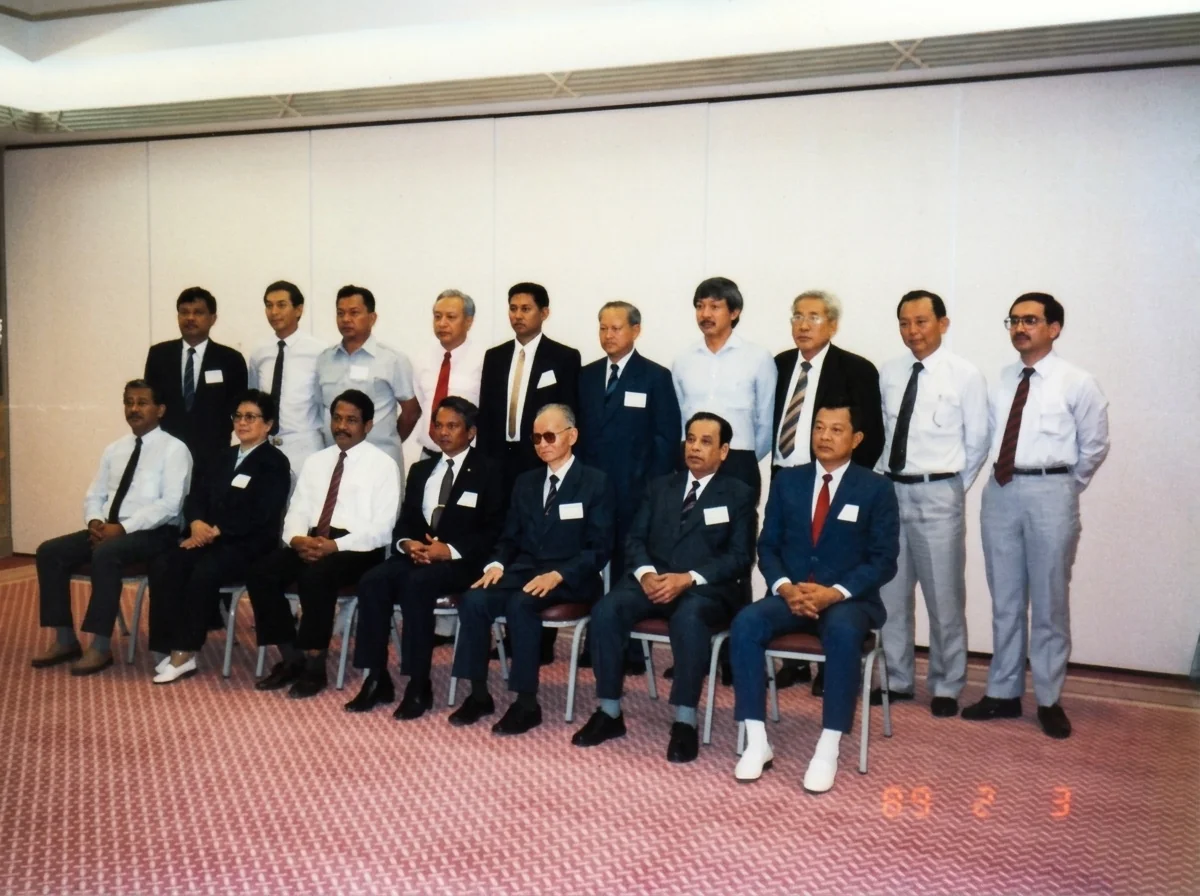
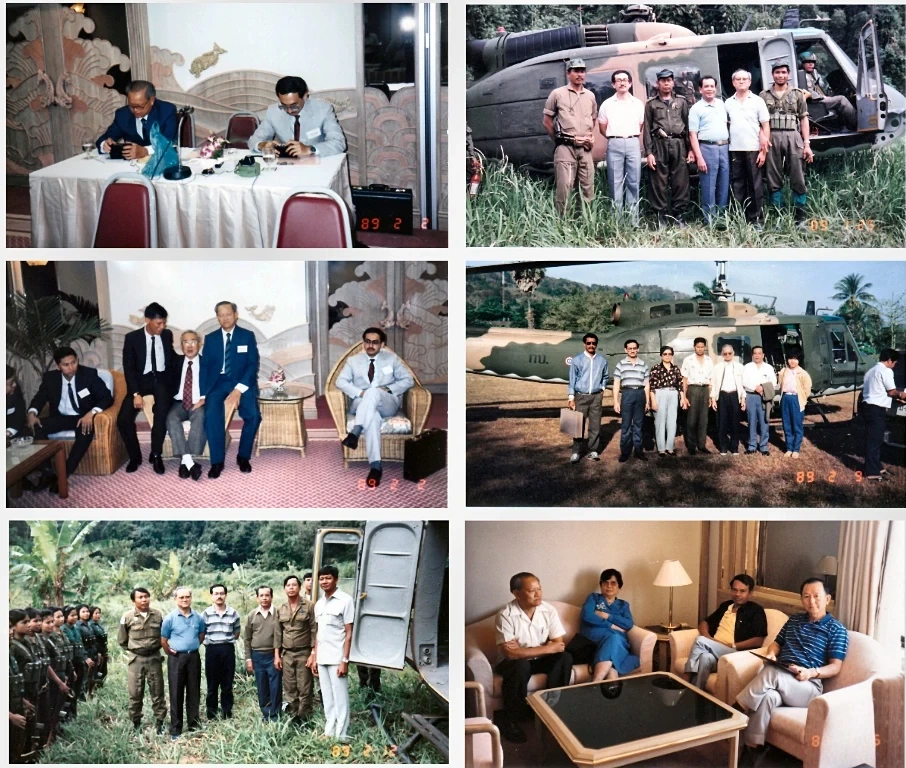
要和平,但必须是有尊严的和平;要和解,但必须是光荣的和解。这是我为谈判确定的方向。We sought peace, but it had to be a peace with dignity. We sought reconciliation, but it had to be a reconciliation with honour. This was the direction I set for the negotiations.— 陈平 | Chin Peng | Chin Peng
1989年3月15日至17日,马、泰、马共三方代表团在普吉岛塔湾棕榈海滩酒店举行第二轮会谈,进入打磨协议草案的实质交锋阶段。与马来西亚当局的谈判日趋紧张。马方要求马共解散并交出全部武器;虽然谈判整体上取得一定进展,但《内安法》成了最大的争议焦点:<strong class="text-[#771113] font-bold">马共坚持要求废除内安法令,而马方则坚持以此为依据,将回归的马共成员安置在政治部特别指定并监管的驻地居住,为期两个月。</strong>
相较之下,<strong class="text-[#771113] font-bold">与泰方的谈判则相对顺畅</strong>,主要围绕马共武装部队解散后的成员在泰国定居、生计与融入平民生活的具体安排展开。尽管身患重症,首任团长章凌云仍抱病坚持率团出席第二轮会谈,与代表拉昔·迈丁、顾问陈再润及秘书黄胜并肩作战,寸步不让地顶住了马方要求解散马共政党、交出全部武器以及依据《内安法》实施两个月政治部指定驻地监管居住的压力(第二轮会谈结束后,章凌云因癌症病情急剧恶化住院治疗,后于1989年5月31日不幸因病逝世,同年10月14日在泰南马共中央营地举行骨灰安葬仪式,为和平事业献出了宝贵生命)。经过前两轮高强度的法理辩驳,马方代表团团长拉欣诺意识到马共代表团在原则问题上绝无退让可能,遂同意在协议文本中剔除一切含有投降、招安、归顺意味的词汇,确立了三方对等签署《联合公报》与双边《和平协议》的基本文件结构。
From March 15 to 17, 1989, the three delegations reconvened at the Thavorn Palm Beach Hotel in Phuket for the Second Round of Talks: Refining the Draft. Negotiations with the Malaysian authorities grew increasingly tense. Their demands included the complete dissolution of the CPM and the surrender of all its weapons. Although some progress was made overall, the Internal Security Act (ISA) emerged as the primary point of contention: <strong class="text-[#771113] font-bold">the CPM insisted on its abolition, while Malaysia insisted on using it to require returning CPM members to live for two months in Special Branch–designated supervised residences.</strong>
In contrast, <strong class="text-[#771113] font-bold">discussions with the Thai side proceeded more smoothly</strong>, focusing on practical arrangements for members of the CPM armed forces after their disbandment to settle in Thailand, secure their livelihoods, and reintegrate into civilian life. Despite battling terminal illness, first CPM Delegation Head Zhang Lingyun continued to lead the delegation through the Second Round alongside Delegate Rashid Maidin, Adviser Chen Zairun, and Secretary Huang Sheng, steadfastly resisting Malaysia's demands for the dissolution of the CPM, the surrender of all weapons, and the two-month Special Branch–designated supervised residence requirement under the ISA (following the Second Round, Zhang Lingyun was hospitalized due to rapidly worsening cancer and passed away on May 31, 1989, with his ashes interred at the CPM Central Camp on October 14, 1989). Through two rounds of intensive legal debate, Malaysian Chief Negotiator Datuk Abdul Rahim Mohd. Noor recognized that the CPM delegation would never yield on core principles of political dignity, and agreed to purge all terminology implying surrender, amnesty, or capitulation, establishing the framework of an equal tripartite Joint Communiqué accompanied by bilateral Peace Agreements.
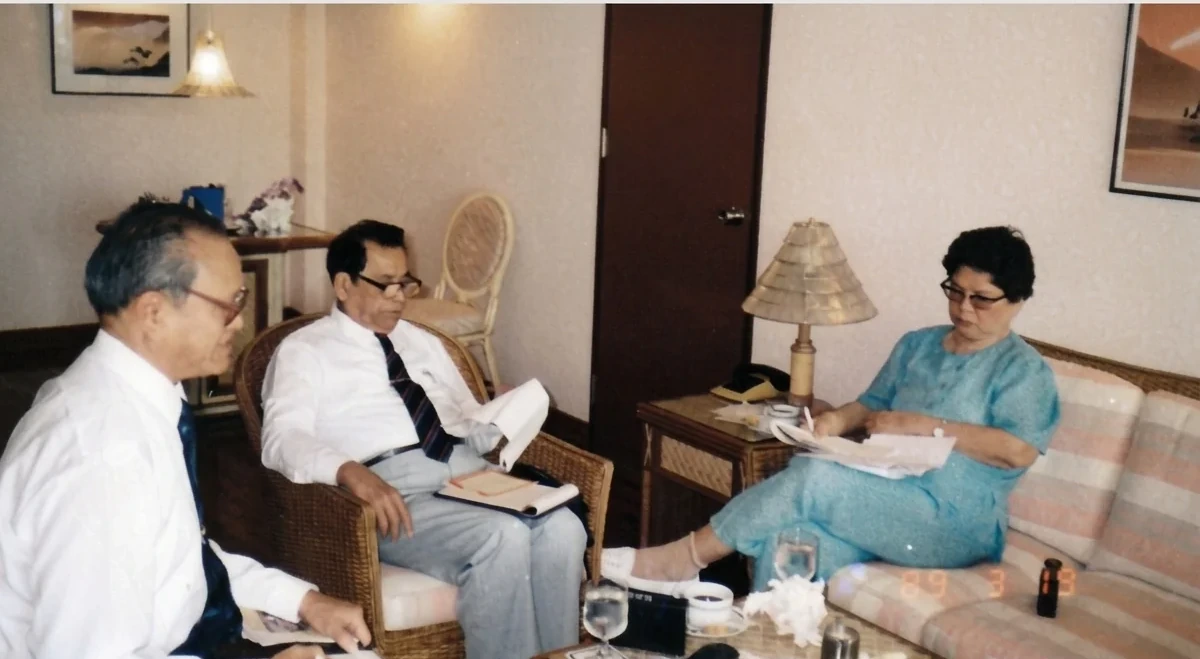
第五章:第三轮僵局与战略迂回:拒绝内安法审查及泰方双边突破
Chapter 5: The Third-Round Deadlock and Strategic Maneuver: Rejecting the ISA and the Thai Bilateral Breakthrough
1989年5月11日至13日,普吉岛第三轮三方正式会谈召开。马共中央委派长期负责党内理论与统战工作的中央政治局委员吴一石(吴清琦,代号阿石)正式接替病重的章凌云,出任马共和平谈判代表团第二任团长。此时会谈进入了决定性的关键阶段:马共和泰国方面已经完全达成一致,只剩下确定签署日期。然而,尽管马共和马来西亚政府在多个重大问题上已经取得进展,例如马共的法律地位和自行销毁武器,但仍然因为两点出现全面僵局:一是马共武器销毁的时间表与方式,二是马来西亚方面坚持对所有回国的马共成员实施《1960年内部安全法令》(Internal Security Act, ISA)。
对马共而言,被《内安法令》扣留审查的前景既屈辱又不可接受,等同于将解甲归田的战士送入变相的战俘审查营,因此成为绝不妥协的底线。新任团长吴一石与拉昔·迈丁当场予以严词拒绝。围绕这一点形成的僵局,使与马来西亚政府的谈判一度面临彻底破裂的局面,把整个和平进程推向了崩溃的边缘。
由于马方在《内安法令》问题上未获吉隆坡高层授权松口,第三轮普吉岛会谈于5月13日陷入僵局,三方正式会谈被迫休会近五个月之久。面对僵局,马共中央展现出老练的军事与外交两手艺术:一方面,在泰马边境森林根据地内,各支队严格执行马共中央指示,毫不松懈地开展开芭种粮与物资储备,将大批精良枪支弹药密封涂油深埋地下,向外界表明马共随时具备在谈判破裂后继续长期抗战的底气;另一方面,在外交谈判桌上,吴一石、拉昔·迈丁与黄胜采取了巧妙的双边突围策略,暂时搁置与马方的争议,转而同急欲促成泰南和平的泰国军方先行开展双边谈判。
1989年5月29日与6月7日,马共代表团在合艾先后与泰军联合特遣部队司令班贴少将及泰方谈判团长吉迪将军举行深入的双边磋商。泰军方高度赞赏马共停止在泰马边境武装活动的诚意,迅速同意在泰南拨出土地建立四个和平发展村,为留居泰国的马共全体人员提供耕地、建房补贴、三年生活津贴并逐步办理泰国国籍,且对武器采取由马共自行销毁、泰方仅派员见证的体面方式。6月7日,泰国内安行动指挥部第四区与马共率先敲定了双边协议草案(暂定6月20日即可正式签署)。<strong class="text-[#771113] font-bold">这一“以泰促马”的双边突破,立即使吉隆坡方面陷入巨大的战略被动,成为马来西亚政府在第三轮谈判破裂边缘最终决定让步、重返谈判桌的核心原因</strong>:
From May 11 to 13, 1989, the Third Round of the Phuket Tripartite Talks convened. The CPM Central Committee appointed Central Politburo Member Wu Yi Shi to succeed the gravely ill Zhang Lingyun as Second Head of the CPM Delegation. The talks had now reached a decisive stage: the CPM and Thailand had reached full agreement and were ready to set a signing date. However, despite resolving major issues with the Malaysian authorities, such as the status of the CPM and the voluntary destruction of its weapons, two points led to a total deadlock: (1) the schedule and method for destroying CPM weapons, and (2) the Malaysian side's insistence on applying the Internal Security Act (ISA) of 1960 to all returning CPM members.
For the CPM, the prospect of detention and screening under the ISA was so demeaning and unacceptable that it became a non-negotiable bottom line. Delegation Head Wu Yi Shi and Rashid Maidin firmly rejected the demand. This deadlock brought negotiations with the Malaysian government to the brink of complete breakdown and pushed the entire peace process to the verge of collapse.
Because the Malaysian delegation lacked authorization from Kuala Lumpur to waive the ISA requirement, the Third Round adjourned in deadlock on May 13, 1989, suspending formal tripartite sessions for nearly five months. In response, the CPM Central Committee executed a dual military-diplomatic strategy. Inside the border jungle bases, MPA units strictly carried out the directives of the CPM Central Committee, clearing new agricultural plots, stockpiled food reserves, and sealed and buried high-grade weapons and ammunition, signaling unmistakable readiness to resume protracted struggle if talks collapsed. Simultaneously, on the diplomatic front, Wu Yi Shi, Rashid Maidin, and Huang Sheng executed a strategic bilateral pivot, temporarily setting aside the dispute with Kuala Lumpur to negotiate directly with the Thai military.
On May 29 and June 7, 1989, the CPM delegation held intensive bilateral meetings in Hat Yai with Combined Task Force Commander Maj. Gen. Panthep Phuwananurak and Thai Delegation Head General Kitti Rattanachaya. Welcoming the cessation of armed activities along the border, the Thai military agreed to establish four Peace Development Villages in southern Thailand, providing farmland, housing grants, three-year living allowances, and eventual Thai citizenship to all CPM members remaining in Thailand, while agreeing that weapons would be destroyed by the CPM itself in the presence of Thai witnesses. On June 7, 1989, ISOC Region 4 and the CPM finalized their draft bilateral agreement (provisionally set for signing on June 20). <strong class="text-[#771113] font-bold">This bilateral breakthrough immediately placed Kuala Lumpur in a position of acute strategic passivity, becoming the decisive reason why the Malaysian government ultimately backed down from its precondition and sought to conclude the peace accord after the Third Round deadlock</strong>:
1989年5月11日至13日,普吉岛第三轮三方正式会谈召开。马共中央委派长期负责党内理论与统战工作的中央政治局委员吴一石(吴清琦,代号阿石)正式接替病重的章凌云,出任马共和平谈判代表团第二任团长。此时会谈进入了决定性的关键阶段:马共和泰国方面已经完全达成一致,只剩下确定签署日期。然而,尽管马共和马来西亚政府在多个重大问题上已经取得进展,例如马共的法律地位和自行销毁武器,但仍然因为两点出现全面僵局:一是马共武器销毁的时间表与方式,二是马来西亚方面坚持对所有回国的马共成员实施《1960年内部安全法令》(Internal Security Act, ISA)。
对马共而言,被《内安法令》扣留审查的前景既屈辱又不可接受,等同于将解甲归田的战士送入变相的战俘审查营,因此成为绝不妥协的底线。新任团长吴一石与拉昔·迈丁当场予以严词拒绝。围绕这一点形成的僵局,使与马来西亚政府的谈判一度面临彻底破裂的局面,把整个和平进程推向了崩溃的边缘。
From May 11 to 13, 1989, the Third Round of the Phuket Tripartite Talks convened. The CPM Central Committee appointed Central Politburo Member Wu Yi Shi to succeed the gravely ill Zhang Lingyun as Second Head of the CPM Delegation. The talks had now reached a decisive stage: the CPM and Thailand had reached full agreement and were ready to set a signing date. However, despite resolving major issues with the Malaysian authorities, such as the status of the CPM and the voluntary destruction of its weapons, two points led to a total deadlock: (1) the schedule and method for destroying CPM weapons, and (2) the Malaysian side's insistence on applying the Internal Security Act (ISA) of 1960 to all returning CPM members.
For the CPM, the prospect of detention and screening under the ISA was so demeaning and unacceptable that it became a non-negotiable bottom line. Delegation Head Wu Yi Shi and Rashid Maidin firmly rejected the demand. This deadlock brought negotiations with the Malaysian government to the brink of complete breakdown and pushed the entire peace process to the verge of collapse.
和平谈判若能成功固然最好,但如果我们不能在谈判桌上得到体面和有尊严的和平,部队就必须随时准备继续坚持下去。根据地要继续开芭种粮,把粮食和精良武器妥善埋藏好,绝不能在协议未定前自废武功。It is best if the peace negotiations succeed, but if we cannot secure an honorable and dignified peace at the negotiating table, our forces must be prepared to carry on. The base areas must continue clearing plots to grow grain and carefully cache food reserves and quality weaponry; under no circumstances may we disarm ourselves before an agreement is sealed.— 1989年春夏谈判僵局期间马共中央对泰马边境各支队的战备指示 | CPM Central Committee Preparedness Directive to Border Regiments During the Spring-Summer 1989 Negotiation Deadlock
由于马方在《内安法令》问题上未获吉隆坡高层授权松口,第三轮普吉岛会谈于5月13日陷入僵局,三方正式会谈被迫休会近五个月之久。面对僵局,马共中央展现出老练的军事与外交两手艺术:一方面,在泰马边境森林根据地内,各支队严格执行马共中央指示,毫不松懈地开展开芭种粮与物资储备,将大批精良枪支弹药密封涂油深埋地下,向外界表明马共随时具备在谈判破裂后继续长期抗战的底气;另一方面,在外交谈判桌上,吴一石、拉昔·迈丁与黄胜采取了巧妙的双边突围策略,暂时搁置与马方的争议,转而同急欲促成泰南和平的泰国军方先行开展双边谈判。
1989年5月29日与6月7日,马共代表团在合艾先后与泰军联合特遣部队司令班贴少将及泰方谈判团长吉迪将军举行深入的双边磋商。泰军方高度赞赏马共停止在泰马边境武装活动的诚意,迅速同意在泰南拨出土地建立四个和平发展村,为留居泰国的马共全体人员提供耕地、建房补贴、三年生活津贴并逐步办理泰国国籍,且对武器采取由马共自行销毁、泰方仅派员见证的体面方式。6月7日,泰国内安行动指挥部第四区与马共率先敲定了双边协议草案(暂定6月20日即可正式签署)。<strong class="text-[#771113] font-bold">这一“以泰促马”的双边突破,立即使吉隆坡方面陷入巨大的战略被动,成为马来西亚政府在第三轮谈判破裂边缘最终决定让步、重返谈判桌的核心原因</strong>:
Because the Malaysian delegation lacked authorization from Kuala Lumpur to waive the ISA requirement, the Third Round adjourned in deadlock on May 13, 1989, suspending formal tripartite sessions for nearly five months. In response, the CPM Central Committee executed a dual military-diplomatic strategy. Inside the border jungle bases, MPA units strictly carried out the directives of the CPM Central Committee, clearing new agricultural plots, stockpiled food reserves, and sealed and buried high-grade weapons and ammunition, signaling unmistakable readiness to resume protracted struggle if talks collapsed. Simultaneously, on the diplomatic front, Wu Yi Shi, Rashid Maidin, and Huang Sheng executed a strategic bilateral pivot, temporarily setting aside the dispute with Kuala Lumpur to negotiate directly with the Thai military.
On May 29 and June 7, 1989, the CPM delegation held intensive bilateral meetings in Hat Yai with Combined Task Force Commander Maj. Gen. Panthep Phuwananurak and Thai Delegation Head General Kitti Rattanachaya. Welcoming the cessation of armed activities along the border, the Thai military agreed to establish four Peace Development Villages in southern Thailand, providing farmland, housing grants, three-year living allowances, and eventual Thai citizenship to all CPM members remaining in Thailand, while agreeing that weapons would be destroyed by the CPM itself in the presence of Thai witnesses. On June 7, 1989, ISOC Region 4 and the CPM finalized their draft bilateral agreement (provisionally set for signing on June 20). <strong class="text-[#771113] font-bold">This bilateral breakthrough immediately placed Kuala Lumpur in a position of acute strategic passivity, becoming the decisive reason why the Malaysian government ultimately backed down from its precondition and sought to conclude the peace accord after the Third Round deadlock</strong>:
1989年6月合艾双边突破倒逼吉隆坡重返谈判桌的三大战略考量:
1. 泰方单边缔约的现实压力:泰军高层急欲实现泰南边境长治久安与经济开发,已在6月7日合艾双边磋商中与马共敲定双边协议草案(暂定6月20日签约),同意拨地建立四个和平发展村、提供耕地与三年生活津贴并办理泰国国籍,且接受马共自行销毁武器的体面方案;倘若马方固守《内安法令》导致三方谈判破裂,泰国军方极可能撇开吉隆坡单独与马共签署和平协议并合法安置全部马共人员;
2. 边境安全架构主导权与防务止损需求:马哈迪政府正全力推进国家工业化转型,亟需卸下每天高达一百万马币(全年逾三亿六千万马币)的沉重边境防务包袱;一旦泰方单独与马共缔约并全面终止泰马边境联合军事行动,吉隆坡不仅无法借三方协议实现彻底的防务止损,反而将彻底丧失在协议框架内参与边境善后、武器销毁见证及人员返马安排的谈判主导权;
3. 国际与东盟区域外交舆论的孤立代价:在冷战终局与东盟倡导区域和平和解的宏观态势下,马共已展现出停止武装活动的高度诚意并获泰军方高度赞赏;若因吉隆坡顽固坚持动用无需法庭审判即可无限期扣押的《内安法令》而扼杀和平进程,马来西亚政府将在国际舆论与区域安全架构中沦为破坏和平的孤立一方。Three Strategic Reasons Why the June 1989 Hat Yai Bilateral Breakthrough Compelled Kuala Lumpur to Conclude the Peace Talks:— 1989年6月马共与泰方双边协议共识倒逼三方和谈转折之历史档案考据 | Archival Analysis of the June 1989 Thai-CPM Bilateral Consensus and the Strategic Turning Point in the Tripartite Peace Talks
1. The Prospect of a Separate Thai-CPM Peace Accord: Eager to secure lasting stability and economic development in southern Thailand, the Thai military finalized a draft bilateral accord with the CPM on June 7 (provisionally set for signing on June 20), agreeing to allocate land for four Peace Development Villages, provide farmland, housing grants, three-year living allowances, and eventual Thai citizenship, and witness the CPM's self-destruction of weapons; had Malaysia's insistence on the ISA collapsed the tripartite talks, Thailand was prepared to sign a separate bilateral peace agreement and legally resettle all CPM personnel without Kuala Lumpur;
2. Border Security Leverage and Fiscal Relief from Defense Outlays: Focused on national industrialization, the Mahathir administration urgently needed to relieve its RM 1 million daily (over RM 360 million annual) border defense drain; if Thailand signed a separate peace and ended joint Thai-Malaysian border military operations, Kuala Lumpur would not only fail to secure a comprehensive settlement, but would also forfeit its seat at the table in overseeing border demobilization, weapons destruction verification, and returnee arrangements;
3. Avoiding Diplomatic Isolation in Regional and International Public Opinion: Amid the Cold War endgame and ASEAN's push for regional reconciliation, the CPM had demonstrated recognized sincerity in ceasing armed activities; had Kuala Lumpur derailed the peace process by insisting on detention without trial under the Internal Security Act (ISA), the Malaysian government would have been isolated in international public opinion and regional security frameworks as the party obstructing peace.
第六章:马哈迪复函、陈平赴泰与第五轮普吉终局定案
Chapter 6: The Guns Fall Silent, The Flame Unquenched: Mahathir's Directive, Chin Peng's Arrival in Thailand, and the Fifth-Round Final Settlement
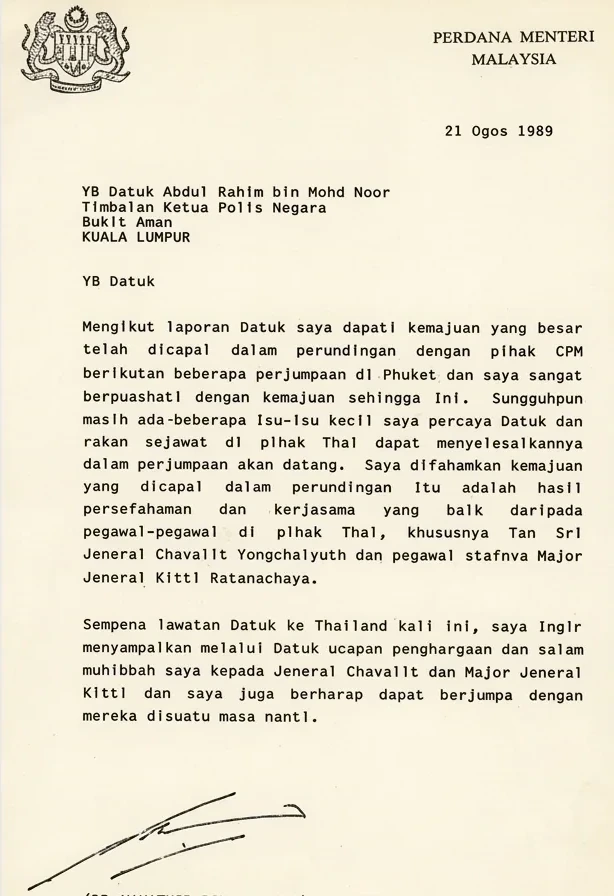
马共与泰方于1989年6月达成双边协议草案的消息传回吉隆坡后,马来西亚首相马哈迪·莫哈末审时度势,作出了打破僵局的最高政治决断。1989年8月21日,马哈迪首相正式致函马方谈判代表团团长、皇家警察政治部总监拿督阿都·拉欣·莫哈末·诺。马哈迪在信中对马、泰、马共三方会谈取得的进展表示满意,明确指示马方代表团采取务实灵活的姿态,抓紧在1989年年底前圆满完成和平谈判。获得首相尚方宝剑的拉欣诺随即通知泰方与马共重开谈判。
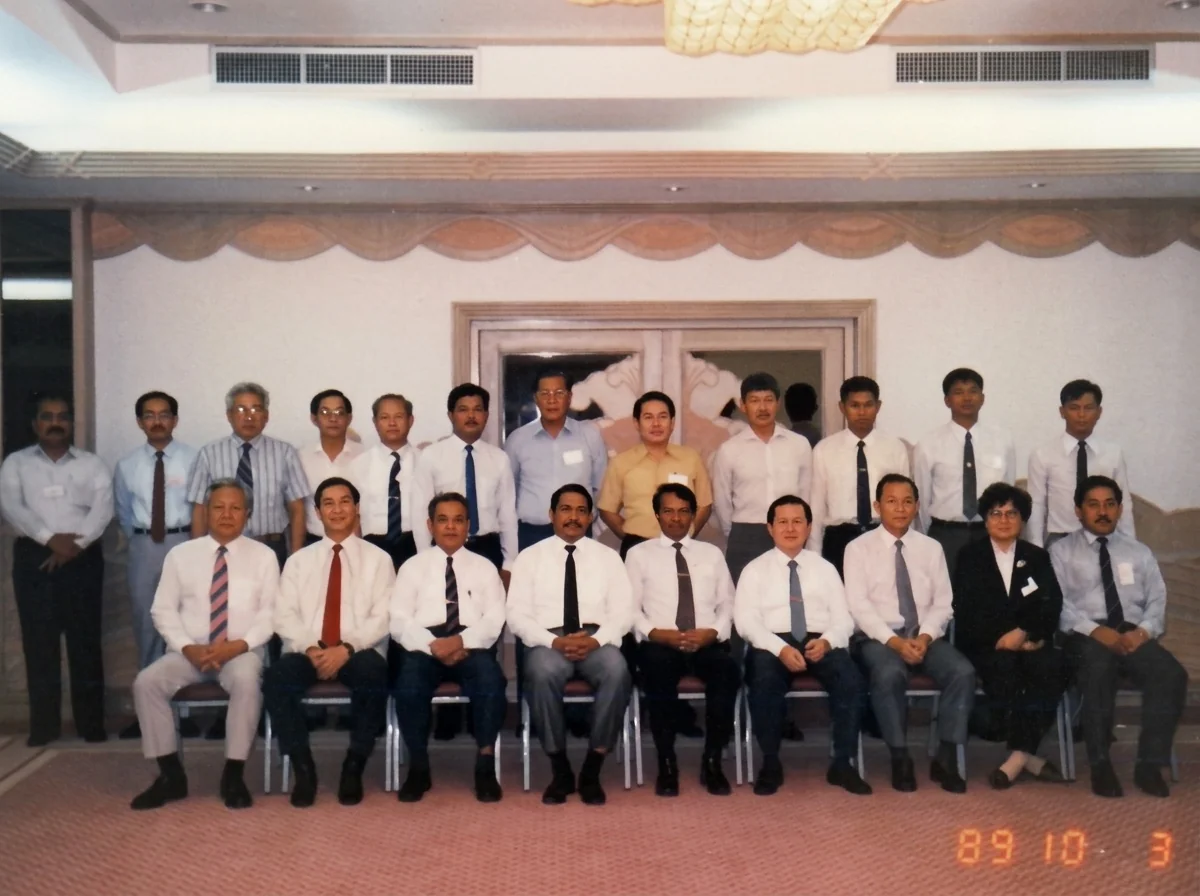
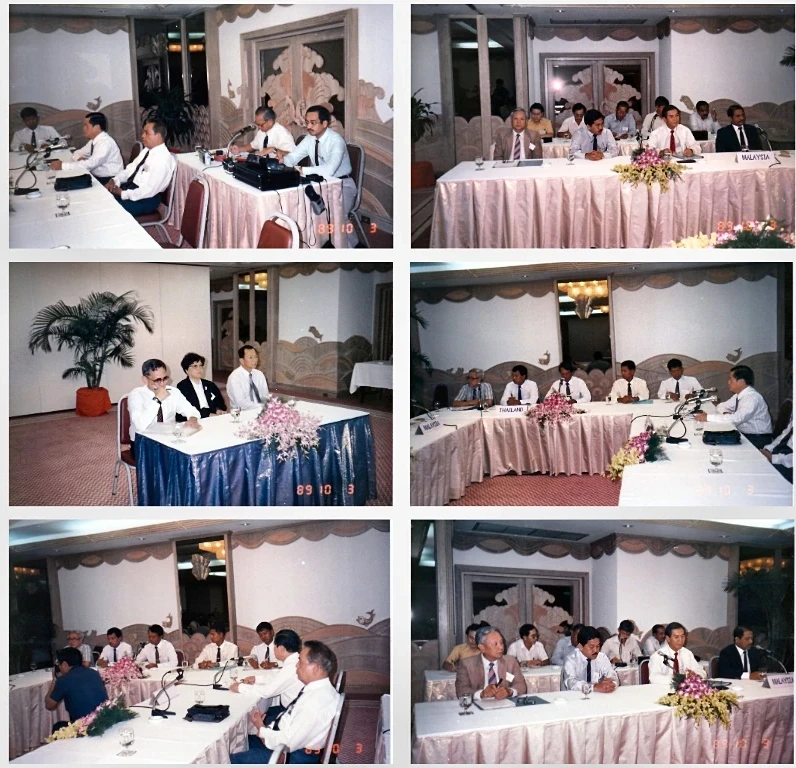
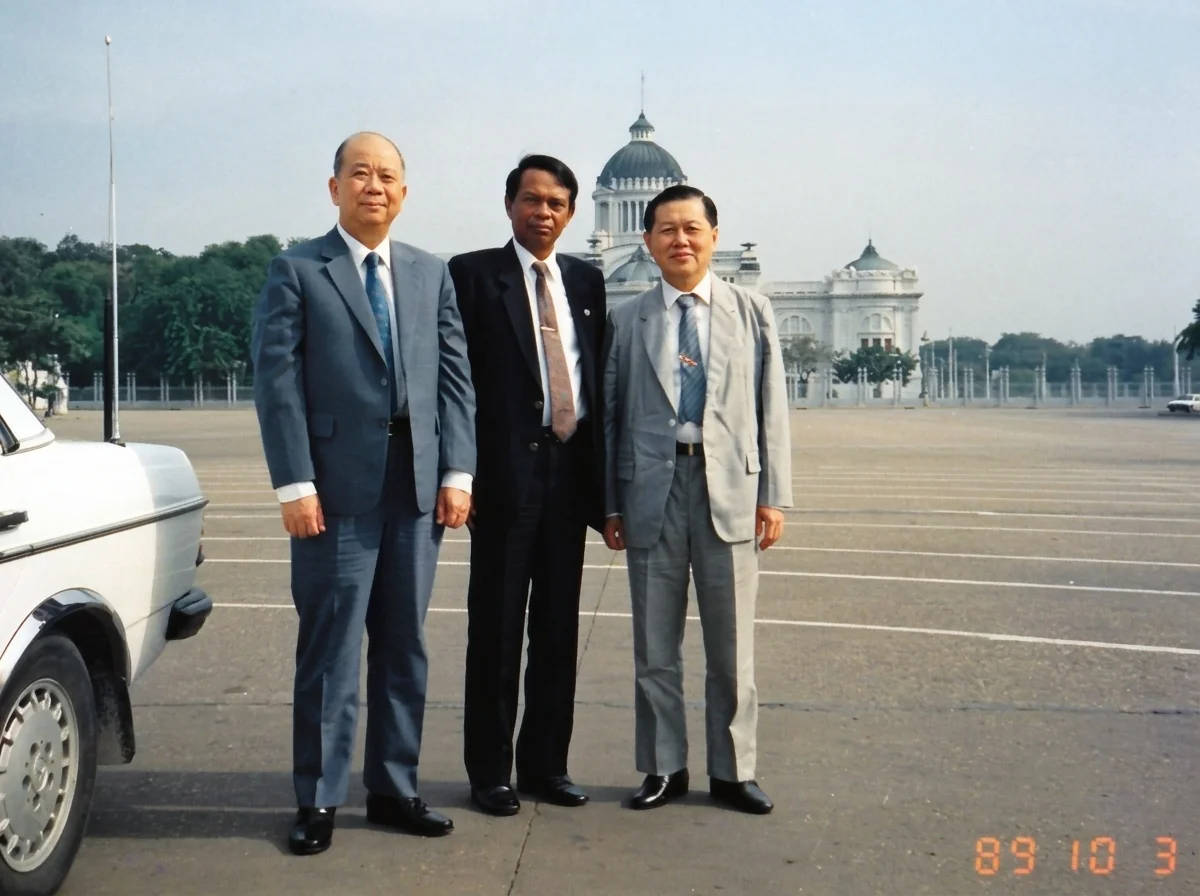
1989年10月2日至3日,中断近五个月的三方和谈在普吉岛迎来第四轮正式会谈。会谈伊始,拉欣诺代表马来西亚政府正式宣布撤回动用《1960年内部安全法令》(ISA)的条款,明确承诺凡按协议返回马来西亚的原马共成员与人民军战士,一概免受《内安法令》的扣留与审讯,并享有马来西亚联邦宪法赋予公民的各项正当权利与一次性安置补助及三年生活津贴。随着《内安法令》这一最大拦路虎被彻底移除,第四轮会谈在两天内迅速就主协议与《行政安排备忘录》的核心条款达成全面突破。
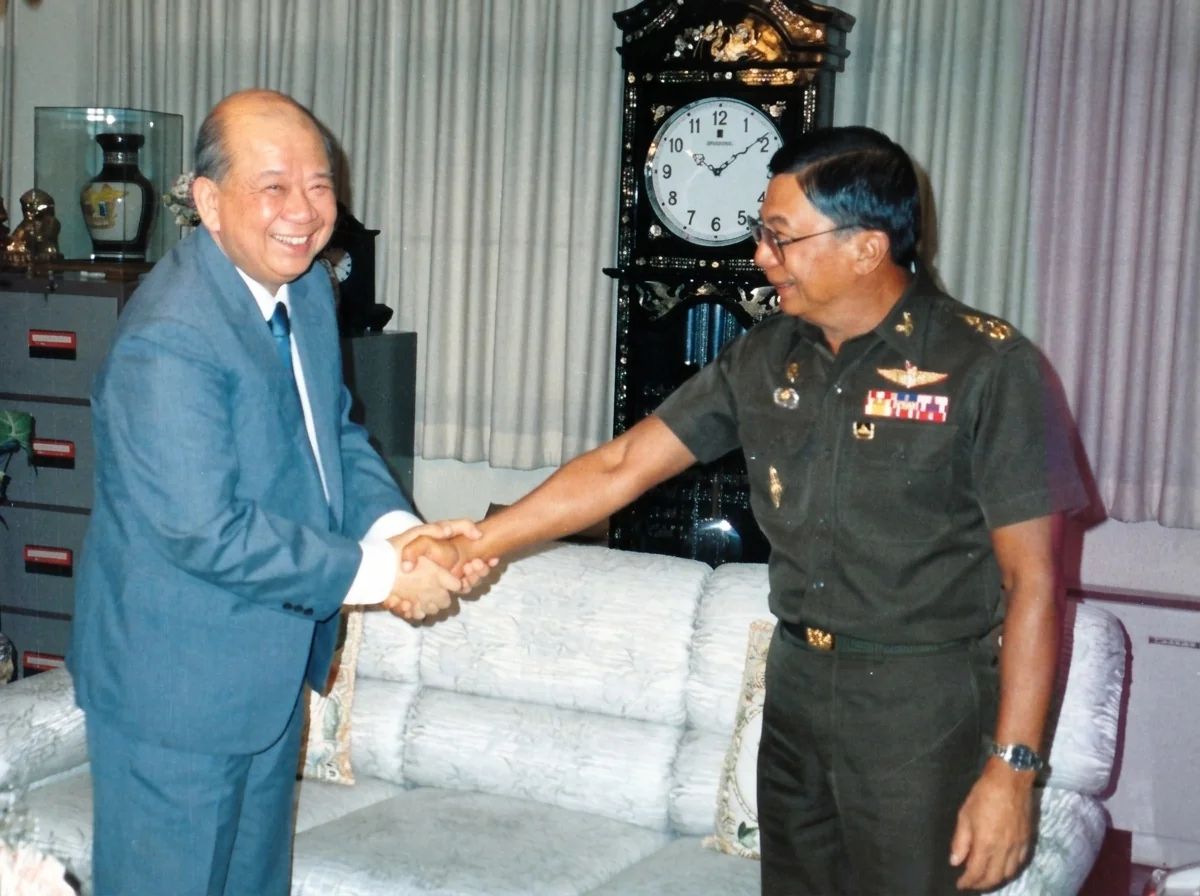
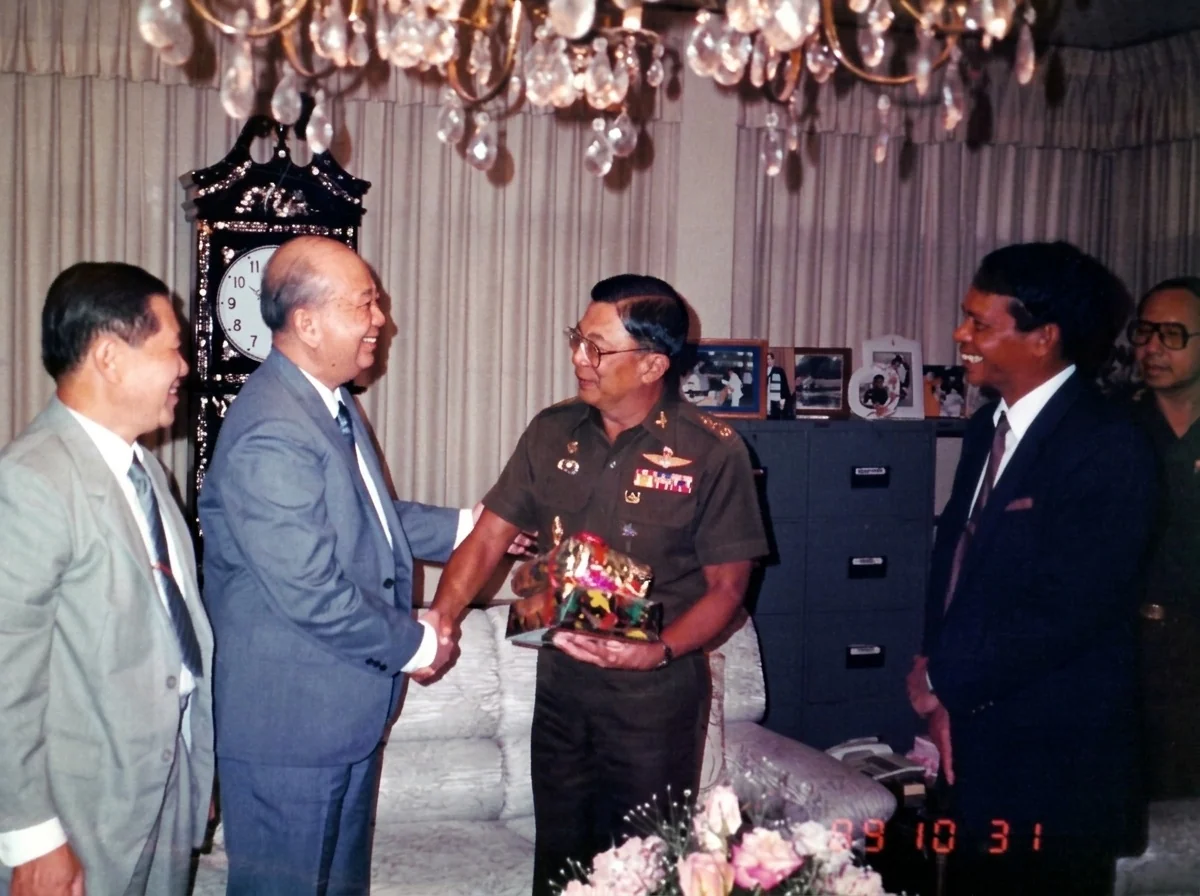
第四轮普吉岛会谈圆满收官后,按照马共中央此前在澳门会议中确立的由低级向高级分阶段推进原则,马共中央总书记陈平于1989年10月27日自北京乘机飞抵曼谷。10月31日,陈平在曼谷同泰国陆军总司令兼代理最高统帅差瓦立·永猜裕上将及联合特遣部队司令班贴少将举行历史性会晤,就正式签署和平协议的各项安排达成高度默契。随后,陈平率马共中央工作组秘密南下普吉岛。
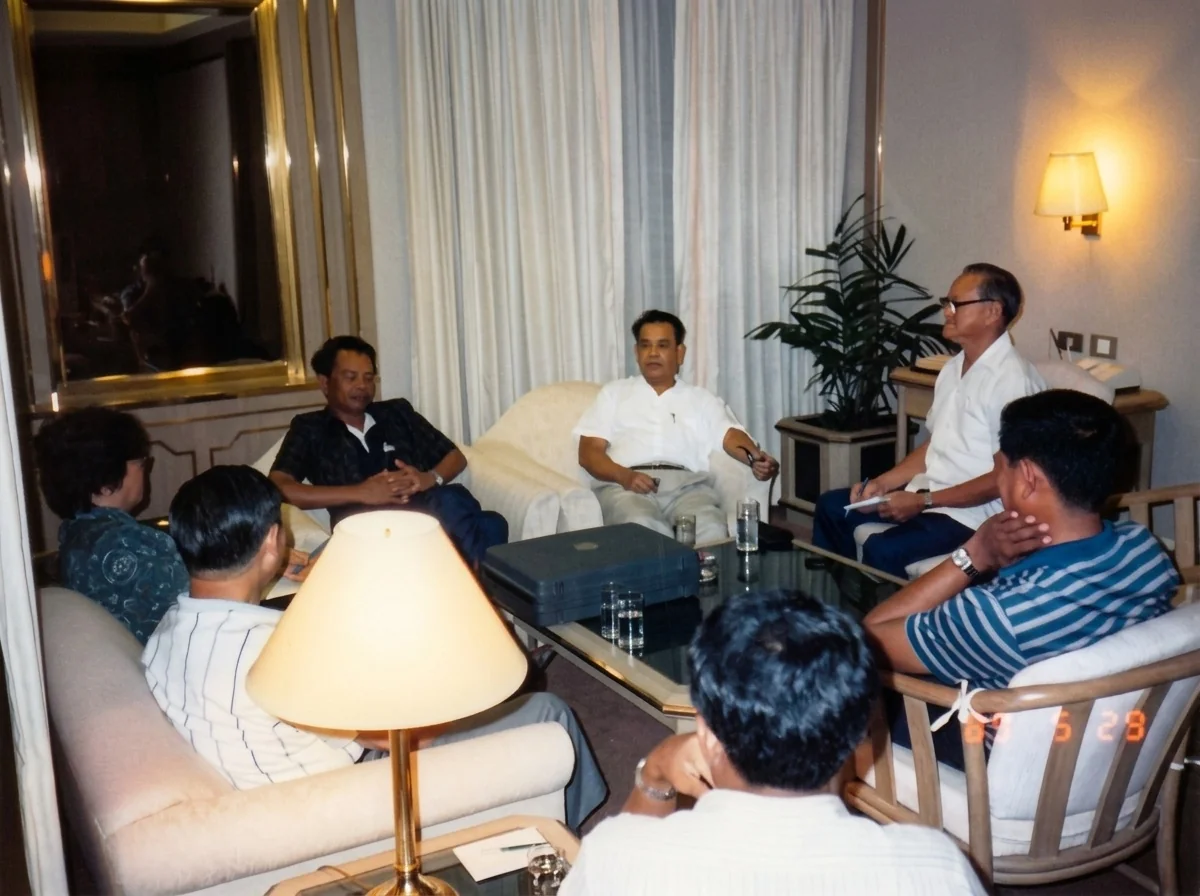
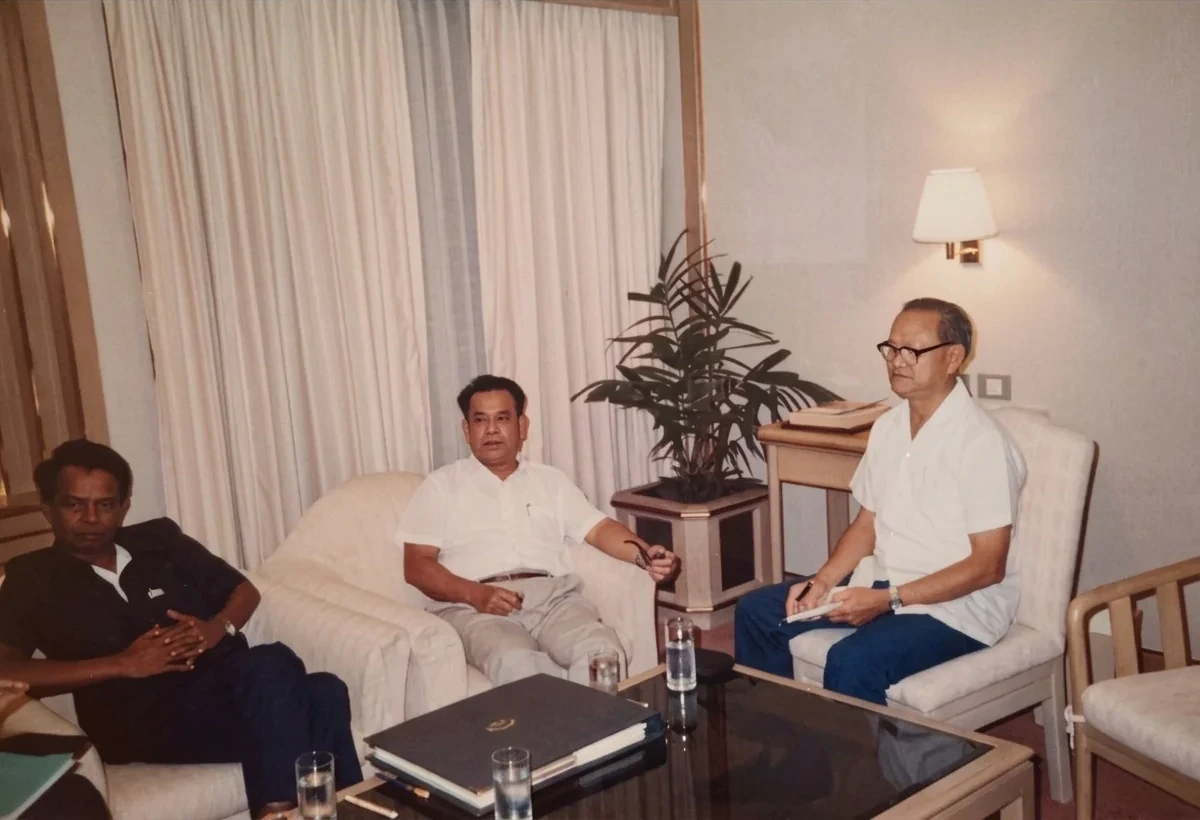
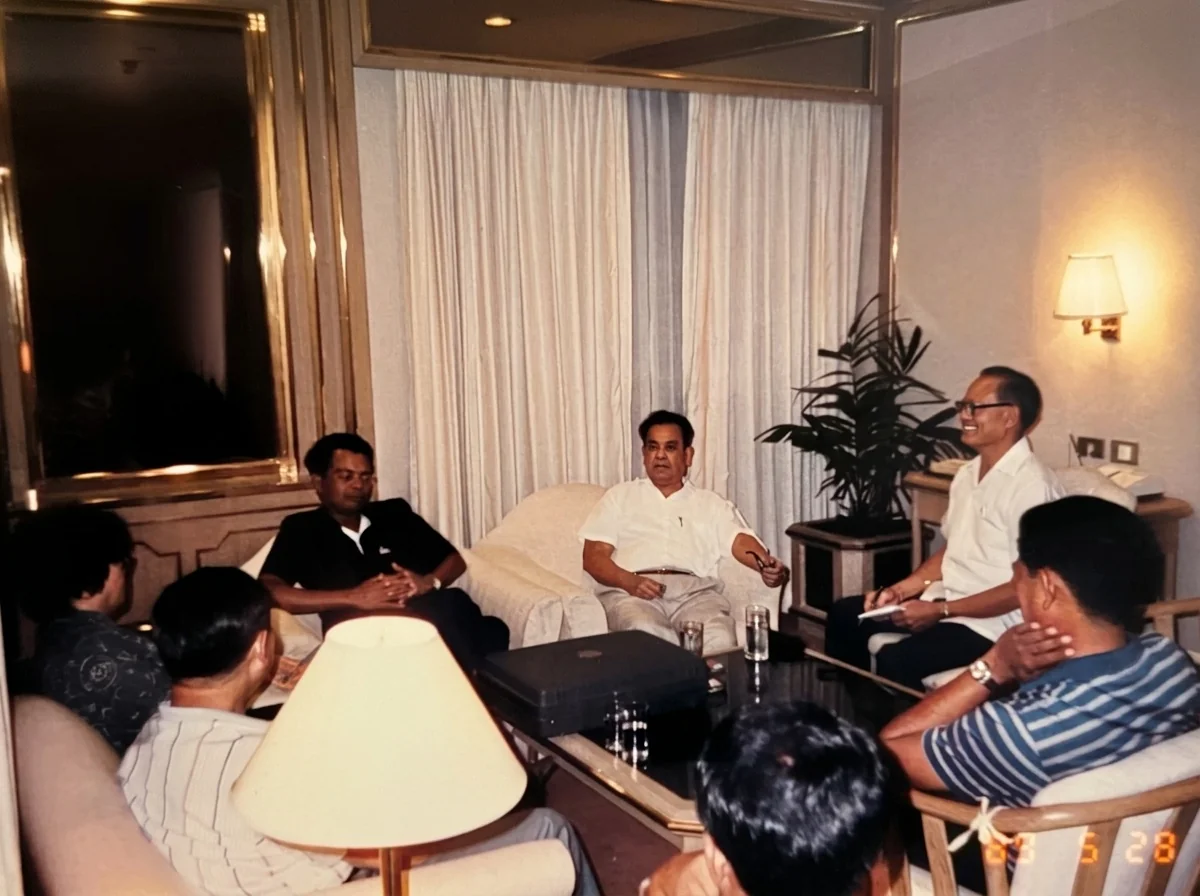
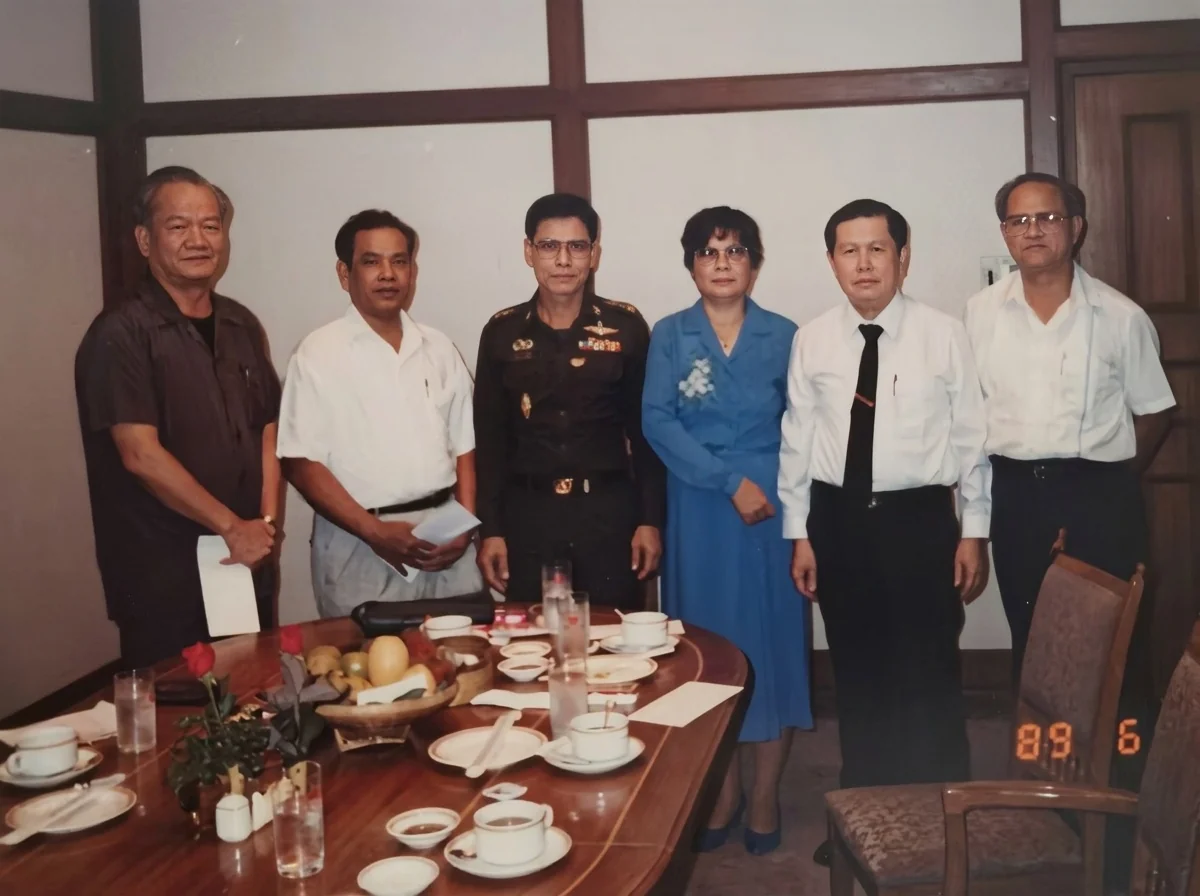
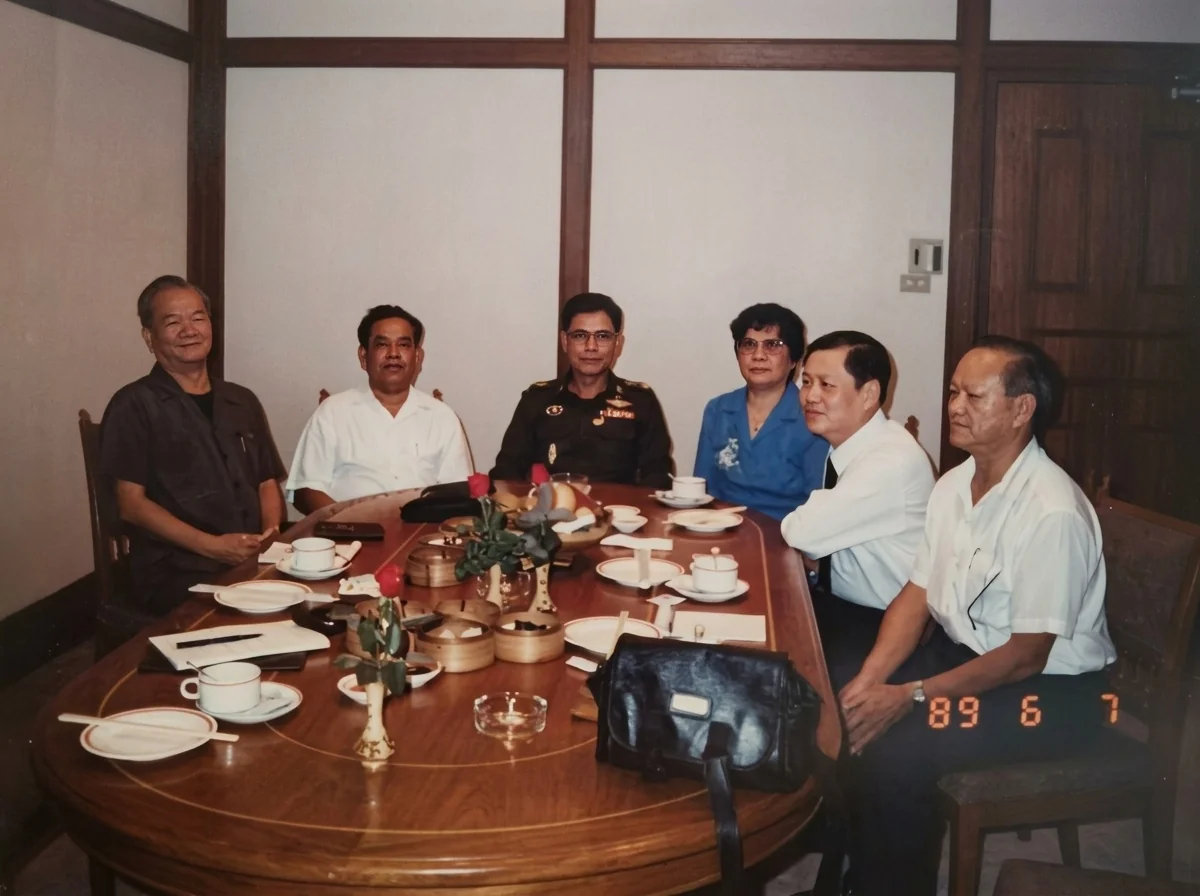
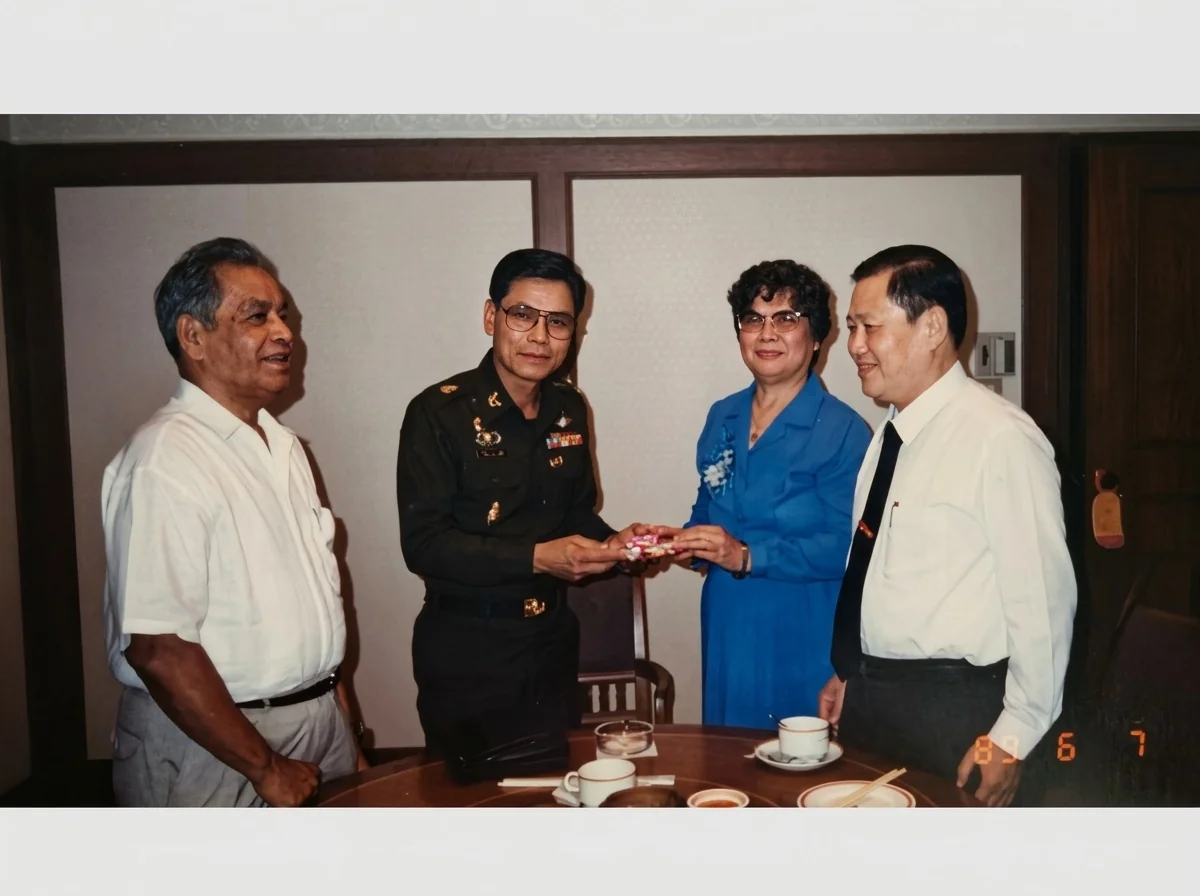
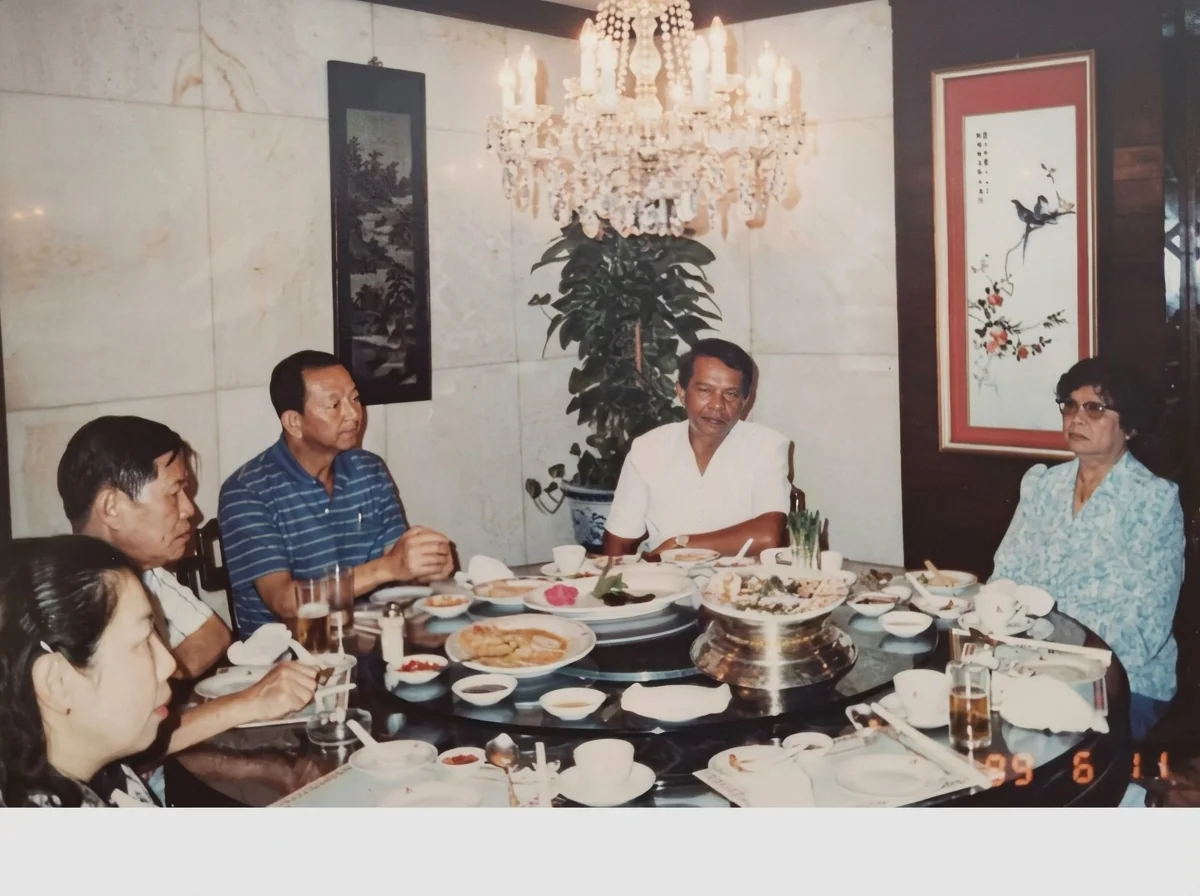
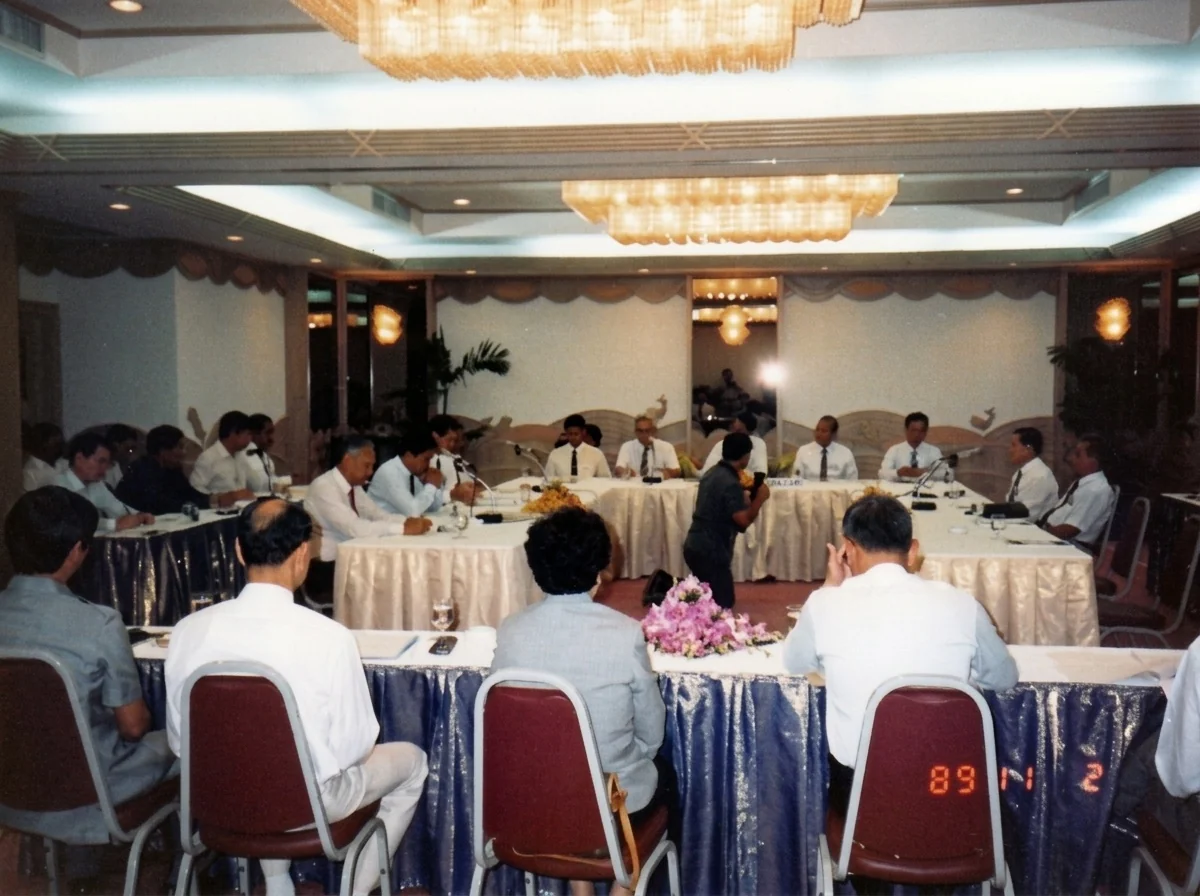
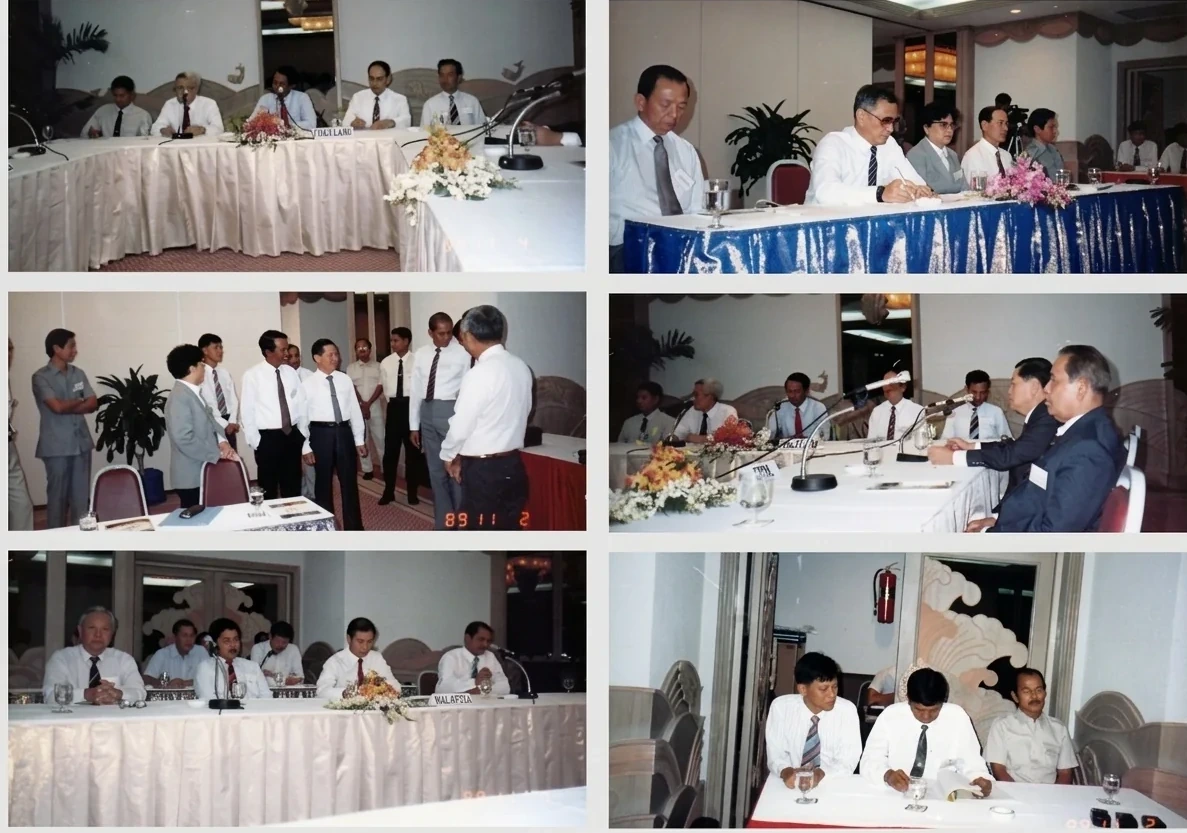
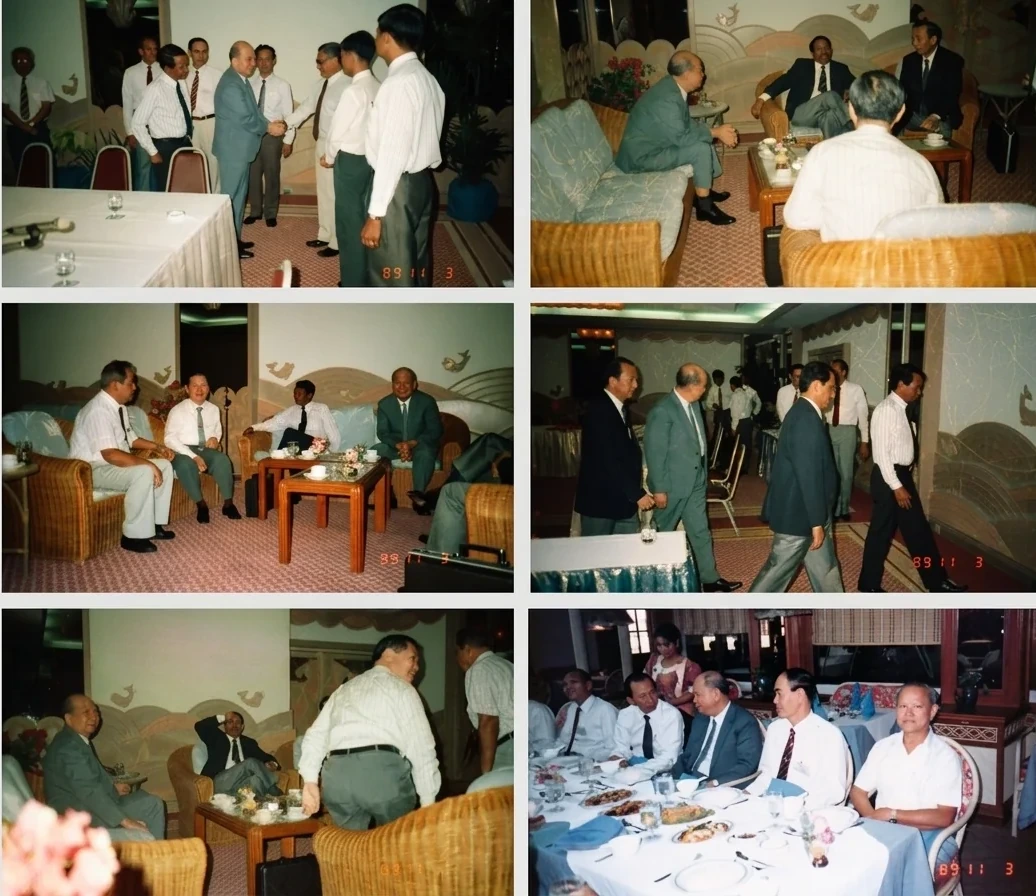
1989年11月2日至4日,马、泰、马共三方第五轮(也是最后一轮)正式会谈在普吉岛塔湾棕榈海滩酒店隆重举行。11月3日,坐镇幕后的陈平总书记与马来西亚代表团团长拉欣诺、马方特使姚光耀及泰方代表团团长吉迪将军在酒店贵宾室举行了两次具有决定意义的闭门直接会晤(吴一石、陈再润、黄胜在座)。在这两次跨越半个世纪恩怨的面对面会谈中,陈平与拉欣诺坦诚交换意见,当场拍板解决了残余的敏感表述与行政衔接细节。11月4日,三方代表团在第五轮会谈闭幕式上正式确认全部协议草案,并授权由吉迪将军主持的三方起草委员会于11月13日至21日完成中、英、马、泰四种语言文本的最终审定;11月25日,马来亚共产党举行第十一届第十三次扩大的中央委员会会议,一致通过《关于停止武装斗争的决议》。至此,通往1989年12月2日合艾历史性签署大典的道路已全部铺平。
After word of the June 1989 Thai-CPM draft bilateral agreement reached Kuala Lumpur, Prime Minister Dr. Mahathir Mohamad made the political decision to break the impasse. On August 21, 1989, Dr. Mahathir sent an official letter to Malaysian Delegation Head and Special Branch Director Datuk Abdul Rahim Mohd. Noor, expressing satisfaction with the progress of the tripartite talks and instructing the Malaysian delegation to adopt a pragmatic approach to bring the peace negotiations to a successful conclusion before the end of 1989. Armed with the Prime Minister's personal mandate, Rahim Noor notified the Thai and CPM delegations to reconvene in Phuket.
On October 2-3, 1989, the Fourth Round of the Phuket Tripartite Peace Talks convened after a nearly five-month hiatus. At the opening session, Rahim Noor formally announced on behalf of the Malaysian government that the Internal Security Act (ISA) of 1960 would not be invoked against returning CPM members and MPA combatants, who would instead be guaranteed their constitutional rights alongside a resettlement grant and a three-year monthly living allowance. With the ISA obstacle removed, the Fourth Round achieved a decisive breakthrough across all substantive clauses within forty-eight hours.
Following the success of the Fourth Round, in accordance with the phased progression principle established at the October 1988 Macau Meeting, CPM General Secretary Chin Peng flew from Beijing to Bangkok on October 27, 1989. On October 31, Chin Peng met in Bangkok with Royal Thai Army Commander-in-Chief and Acting Supreme Commander General Chavalit Yongchaiyudh and Combined Task Force Commander Maj. Gen. Panthep Phuwananurak, finalizing arrangements for the peace accord before traveling south to Phuket.
From November 2 to 4, 1989, the Fifth and Final Round of the Phuket Tripartite Peace Talks convened at the Thavorn Palm Beach Hotel. On November 3, General Secretary Chin Peng held two decisive closed-door meetings in the hotel's VIP suite with Malaysian Delegation Head Datuk Abdul Rahim Mohd. Noor, Malaysian envoy Yao Guangyao, and Thai Delegation Head General Kitti Rattanachaya, attended by Wu Yi Shi, Chen Zairun, and Huang Sheng. Speaking face-to-face across four decades of conflict, Chin Peng and Rahim Noor resolved all remaining textual and administrative issues on the spot. On November 4, the three delegations formally endorsed the complete draft accords and tasked the Tripartite Drafting Committee headed by General Kitti with finalizing the Chinese, English, Malay, and Thai texts between November 15 and 23; on November 25, the CPM held its 13th Expanded Central Committee Plenum and unanimously adopted the Resolution on the Cessation of Armed Struggle, paving the way for the historic signing ceremony in Hat Yai on December 2, 1989.
马共与泰方于1989年6月达成双边协议草案的消息传回吉隆坡后,马来西亚首相马哈迪·莫哈末审时度势,作出了打破僵局的最高政治决断。1989年8月21日,马哈迪首相正式致函马方谈判代表团团长、皇家警察政治部总监拿督阿都·拉欣·莫哈末·诺。马哈迪在信中对马、泰、马共三方会谈取得的进展表示满意,明确指示马方代表团采取务实灵活的姿态,抓紧在1989年年底前圆满完成和平谈判。获得首相尚方宝剑的拉欣诺随即通知泰方与马共重开谈判。
After word of the June 1989 Thai-CPM draft bilateral agreement reached Kuala Lumpur, Prime Minister Dr. Mahathir Mohamad made the political decision to break the impasse. On August 21, 1989, Dr. Mahathir sent an official letter to Malaysian Delegation Head and Special Branch Director Datuk Abdul Rahim Mohd. Noor, expressing satisfaction with the progress of the tripartite talks and instructing the Malaysian delegation to adopt a pragmatic approach to bring the peace negotiations to a successful conclusion before the end of 1989. Armed with the Prime Minister's personal mandate, Rahim Noor notified the Thai and CPM delegations to reconvene in Phuket.
1989年10月2日至3日,中断近五个月的三方和谈在普吉岛迎来第四轮正式会谈。会谈伊始,拉欣诺代表马来西亚政府正式宣布撤回动用《1960年内部安全法令》(ISA)的条款,明确承诺凡按协议返回马来西亚的原马共成员与人民军战士,一概免受《内安法令》的扣留与审讯,并享有马来西亚联邦宪法赋予公民的各项正当权利与一次性安置补助及三年生活津贴。随着《内安法令》这一最大拦路虎被彻底移除,第四轮会谈在两天内迅速就主协议与《行政安排备忘录》的核心条款达成全面突破。
On October 2-3, 1989, the Fourth Round of the Phuket Tripartite Peace Talks convened after a nearly five-month hiatus. At the opening session, Rahim Noor formally announced on behalf of the Malaysian government that the Internal Security Act (ISA) of 1960 would not be invoked against returning CPM members and MPA combatants, who would instead be guaranteed their constitutional rights alongside a resettlement grant and a three-year monthly living allowance. With the ISA obstacle removed, the Fourth Round achieved a decisive breakthrough across all substantive clauses within forty-eight hours.
当时的局势逐渐明朗。马来西亚希望尽快取得进展,而我相信,只要立场坚定,我们在谈判中便能保持应有的位置。The situation was gradually becoming clearer. Malaysia was keen to see progress, and I believed that as long as we held firm, we would be able to maintain our rightful position in the negotiations.— 陈平 | Chin Peng | Chin Peng
第四轮普吉岛会谈圆满收官后,按照马共中央此前在澳门会议中确立的由低级向高级分阶段推进原则,马共中央总书记陈平于1989年10月27日自北京乘机飞抵曼谷。10月31日,陈平在曼谷同泰国陆军总司令兼代理最高统帅差瓦立·永猜裕上将及联合特遣部队司令班贴少将举行历史性会晤,就正式签署和平协议的各项安排达成高度默契。随后,陈平率马共中央工作组秘密南下普吉岛。
1989年11月2日至4日,马、泰、马共三方第五轮(也是最后一轮)正式会谈在普吉岛塔湾棕榈海滩酒店隆重举行。11月3日,坐镇幕后的陈平总书记与马来西亚代表团团长拉欣诺、马方特使姚光耀及泰方代表团团长吉迪将军在酒店贵宾室举行了两次具有决定意义的闭门直接会晤(吴一石、陈再润、黄胜在座)。在这两次跨越半个世纪恩怨的面对面会谈中,陈平与拉欣诺坦诚交换意见,当场拍板解决了残余的敏感表述与行政衔接细节。11月4日,三方代表团在第五轮会谈闭幕式上正式确认全部协议草案,并授权由吉迪将军主持的三方起草委员会于11月13日至21日完成中、英、马、泰四种语言文本的最终审定;11月25日,马来亚共产党举行第十一届第十三次扩大的中央委员会会议,一致通过《关于停止武装斗争的决议》。至此,通往1989年12月2日合艾历史性签署大典的道路已全部铺平。
Following the success of the Fourth Round, in accordance with the phased progression principle established at the October 1988 Macau Meeting, CPM General Secretary Chin Peng flew from Beijing to Bangkok on October 27, 1989. On October 31, Chin Peng met in Bangkok with Royal Thai Army Commander-in-Chief and Acting Supreme Commander General Chavalit Yongchaiyudh and Combined Task Force Commander Maj. Gen. Panthep Phuwananurak, finalizing arrangements for the peace accord before traveling south to Phuket.
From November 2 to 4, 1989, the Fifth and Final Round of the Phuket Tripartite Peace Talks convened at the Thavorn Palm Beach Hotel. On November 3, General Secretary Chin Peng held two decisive closed-door meetings in the hotel's VIP suite with Malaysian Delegation Head Datuk Abdul Rahim Mohd. Noor, Malaysian envoy Yao Guangyao, and Thai Delegation Head General Kitti Rattanachaya, attended by Wu Yi Shi, Chen Zairun, and Huang Sheng. Speaking face-to-face across four decades of conflict, Chin Peng and Rahim Noor resolved all remaining textual and administrative issues on the spot. On November 4, the three delegations formally endorsed the complete draft accords and tasked the Tripartite Drafting Committee headed by General Kitti with finalizing the Chinese, English, Malay, and Thai texts between November 15 and 23; on November 25, the CPM held its 13th Expanded Central Committee Plenum and unanimously adopted the Resolution on the Cessation of Armed Struggle, paving the way for the historic signing ceremony in Hat Yai on December 2, 1989.
<strong class="text-[#771113] font-bold">结束战争,却不结束政党。</strong>
目睹了马共在抗英时期所展现的组织能力,以及其能够维持规模数千人的武装力量和地下组织达五十年之久,马来西亚政府决心在《和平协议》之后让这个党不再存在。
从一开始,这就是谈判的核心争议点:马共寻求合法化,而马方则坚持要求其正式解散。陈平和他的谈判团队巧妙地将这一议题从谈判桌上移开;双方都明白,一旦继续纠缠下去,谈判将会破裂。
对马共而言,“解散”是不能接受的,这意味着否定自己的斗争事业、历史和尊严,是彻底的投降。
然而,领导层也认识到,使武装斗争曾经具有现实条件的政治与社会环境已不复存在。在这种形势下,即便马共从未正式宣布解散,这个政党终究也会逐渐淡出历史舞台。
作为一名马克思主义者,陈平相信历史变化不可避免。当一个社会在压迫秩序下长期承受深刻的不公与不平等时,党的政治理想与追求终将重新出现,这是他所坚持的历史唯物主义规律。<strong class="text-[#771113] font-bold">Ending the War Without Ending the Party.</strong>— 结束战争,却不结束政党。 | Ending the War Without Ending the Party. | Ending the War Without Ending the Party. | 结束战争,却不结束政党。
Having witnessed the Communist Party's organizational capabilities during the anti-British struggle - and its ability to sustain armed forces and underground networks numbering in the thousands for five decades - the Malaysian government was resolved to ensure the Party would cease to exist following the Peace Agreement.
From the outset, this was the core point of contention: the CPM sought legal recognition, while Malaysia government demanded its formal dissolution. Chin Peng and his negotiating team skilfully steered the issue off the table; both sides understood that pressing it would have collapsed the Talks.
For the CPM, dissolution was unacceptable. It would have meant renouncing its cause, its history, and its dignity - a total surrender.
Nonetheless, the leadership recognized that the political and social conditions that once made armed struggle viable had disappeared. Faced with these similar circumstances, the Party would eventually fade from the scene, even though the CPM was never formally disbanded.
As a Marxist, Chin Peng believed that change is inevitable. Where a society suffers deep injustice and inequality under a repressive order, the Party's political ideals and aspirations will re-emerge. This, he held, was the law of historical materialism.
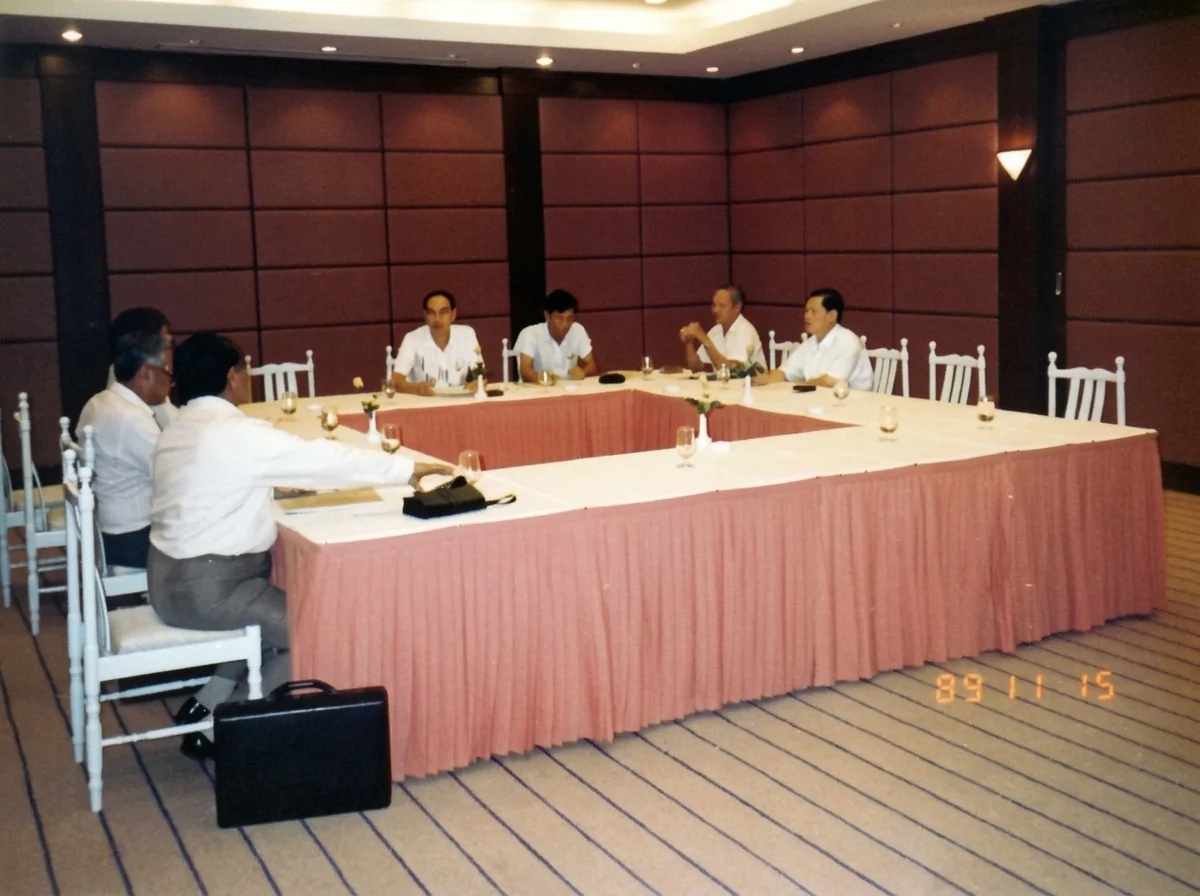
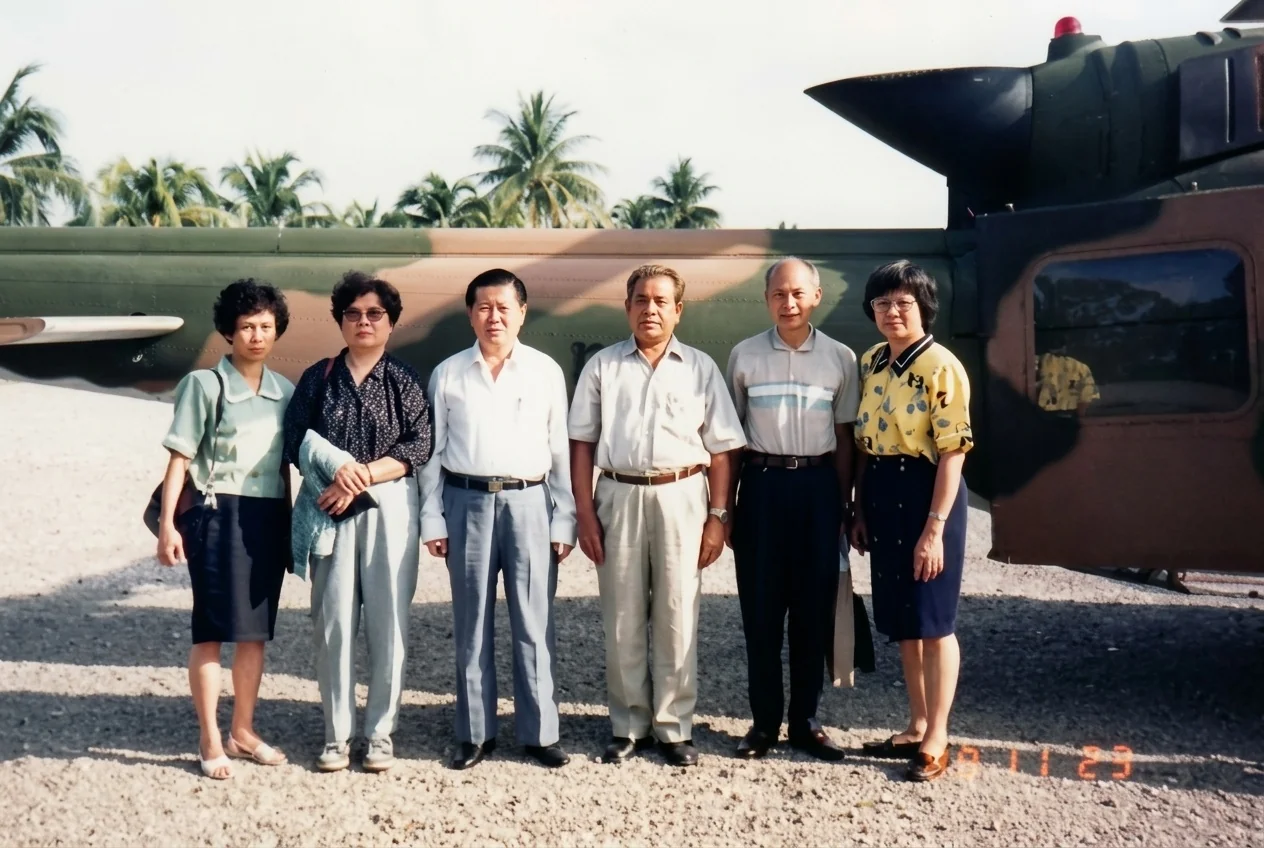
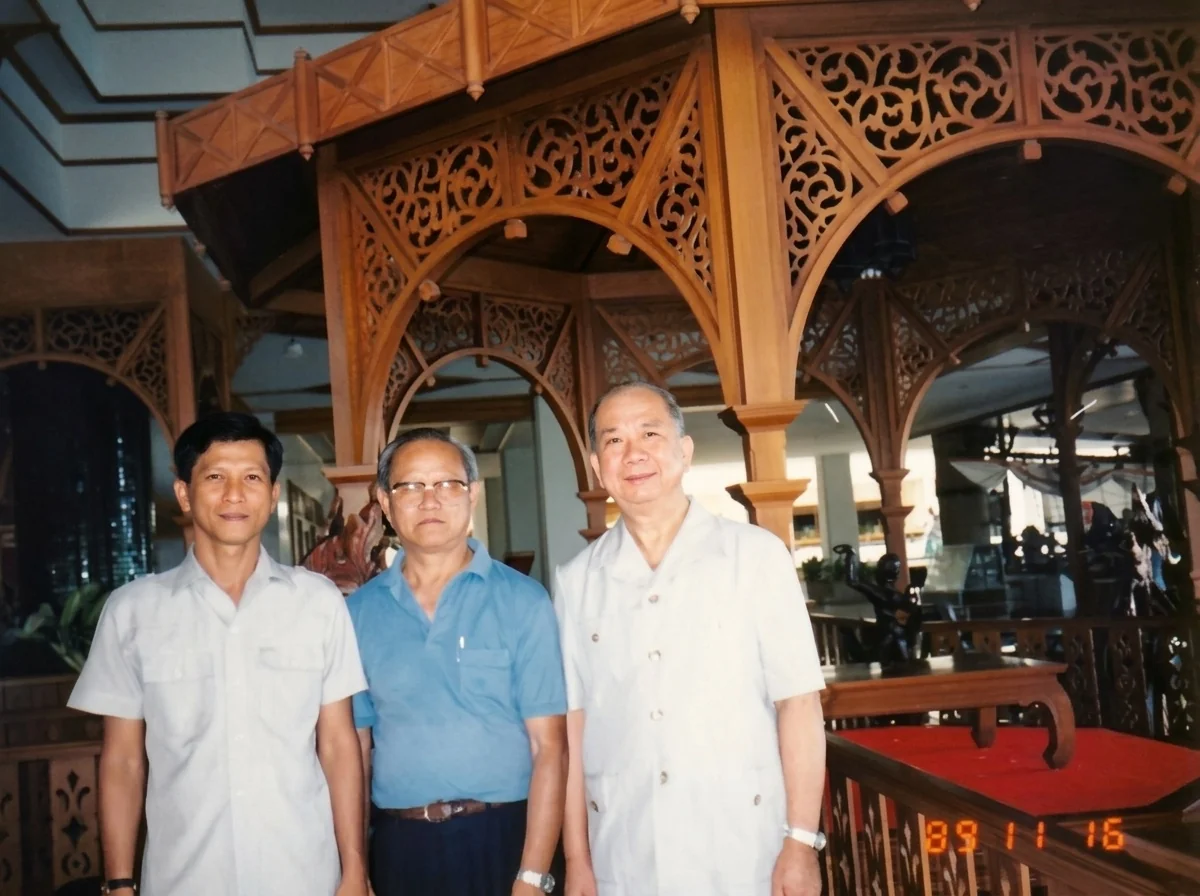
历史档案图证与文献影印(全卷图录)
Archival Photographic & Documentary Evidence Gallery