第27集:历史的裂痕与世纪和解:泰南肃反扩大化、党军分裂与平反昭雪(1967年-2002年)
Episode 27: The Historical Fracture & Century Reconciliation: The Purges, The Split, and Full Public Redress (1967–2002)
正视历史的曲折与伤痛,是彻底的马克思主义唯物史观与无产阶级革命政党成熟担当的根本标志。1960年代末至1970年代初,正值马来亚民族解放战争从战略恢复迈向纵深发展的关键转折期,英美殖民治安机关与吉隆坡心理战特务机构(由杜志超主导)精心炮制绝密渗透毒计,企图借青年参军潮制造离间假相从内部瓦解马共。在泰马边境险恶严酷的密林游击环境下,马共中央北马局在信息隔绝与反特重压下,犯下了令人扼腕的“肃反扩大化”严重错误。然而,马共第八支队黄一江与第十二支队二区张忠民等少数领导层,并非出于爱护同志与革命大义,而是假借抗议极左之名自导伪“肃奸”残害同志、杀害组织调查代表,悍然走上割据分裂反党的罪恶道路,甚至在1983年合流拼凑所谓“马来西亚共产党”,最终在1987年丧失一切信念向泰军屈辱投降。面对这场亲者痛仇者快的历史剧痛,马共中央与陈平总书记展现了崇高的政治定力与实事求是品格:在分裂危机关头坚决恪守“绝不自相残杀”的底线;1972年海外马共中央督促启动“小平反”;1989年《合艾和平协议》签署后,马共于1990年5月签署历史性《平反协议书》,向88名受冤烈士公开平反道歉、优抚家属并获准建碑昭雪;更在2002年曼谷会议上,陈平以博大胸襟力排众议,为两派数百名无辜受蒙蔽战士落实泰国公民权,促成和平村与友谊村的历史性和解。这段跨越三十五年的历史长卷,生动印证了真理的力量、人性的光辉与穿越时空的阶级大爱。
Confronting historical tragedies and internal traumas with unflinching honesty is the hallmark of revolutionary maturity and historical materialism. In the late 1960s, as the Malayan National Liberation Army prepared to re-infiltrate southward, colonial security and psychological warfare specialists under C.C. Too orchestrated sophisticated disinformation operations to fracture the CPM from within. Under extreme guerrilla isolation in the Thai-Malayan borderlands, the CPM North Malayan Bureau committed grave errors of over-reach in its internal anti-espionage purges. Seizing upon these tragic mistakes, opportunist factional leaders in the 8th Regiment (Huang Yi Jiang) and the 12th Regiment's 2nd District (Zhang Zhong Min) staged fabricated purges, murdered Central envoys, and proclaimed an open split in 1970, eventually forming the short-lived 'Communist Party of Malaysia' in 1983 before unconditionally surrendering to the Thai military in 1987. In response, the CPM Central leadership upheld supreme restraint, refusing to engage in fratricidal warfare. Following the 1989 Haadyai Peace Accord, the CPM executed a landmark Redress Agreement in May 1990, formally apologising, compensating families, and rehabilitating 88 wrongful victims as revolutionary martyrs. Finally in 2002, Secretary-General Chin Peng magnanimously intervened to secure Thai citizenship for hundreds of rank-and-file fighters from the former breakaway factions, sealing a historic reconciliation between Peace Villages and Friendship Villages.
第一章:黑云压城:敌特心理战渗透与中央北马局肃反扩大化(1967–1970)
Chapter 1: Gathering Clouds: Psychological Infiltration and the North Malayan Bureau's Purge Errors (1967–1970)
1960年代中后期,马来半岛阶级矛盾与民族矛盾急剧激化。特别是在1969年“五一三事件”爆发后,大批反帝爱国青年学生、工农知识分子对反动统治彻底绝望,满怀救国理想奔赴泰马边境热带雨林参加民族解放军。马共中央根据国际风云变幻与国内革命高潮的到来,作出了重新恢复武装斗争、组建突击队南下马来半岛腹地开辟根据地的重大战略决策。正是在这一武装斗争由战略坚持迈向恢复发展的历史关口,敌对势力的破坏阴谋也悄然潜入。
吉隆坡军警反动当局与英国殖民情报机构深知正面军事围剿无法摧毁革命队伍,转而将全部筹码押在恶毒的特务渗透与心战离间之上。由联邦警察心理战最高专家杜志超(C.C. Too)亲自坐镇的特别心理战行动局,制定了代号深密的破坏计划。杜志超在解密战后记录中毫不掩饰地承认:其核心战略并非在林区前线消灭游击队,而是“利用假情报制造互不信任的幽灵,从内部瓦解马共”。敌特机关物色特工打入地下交通线,故意在被捕人员的供词中编造大批潜伏名单,蓄意在泰南游击区散布虚假迷雾,企图诱使马共产生信任危机。
面对错综复杂的敌情与青年参军潮中的真实特务线索,身处泰南边境前沿阵地的马共中央北马局领导层,陷入了高度戒备。然而,在极其艰苦、险恶且通信受阻的热带雨林游击环境下,北马局脱离了唯物辩证法的实事求是路线,主观夸大了敌情严重程度,先后在1967年、1969年9月以及1969年12月至1970年中期,连续三次开展了内部清除奸细运动。
这场原本旨在纯洁组织、粉碎渗透的自卫行动,因缺乏健全的法制程序与科学的调查取证机制,迅速滑向了扩大化的深渊。粗暴的讯问手段、肉刑逼供与主观定罪相互交织,导致大量口供虚假变形,牵连面如同滚雪球般迅速扩散。一批忠诚赤胆的革命同志与刚从城市上山的热血青年,在残酷的扩大化浪潮中被扣上莫须有的罪名,甚至惨遭冤杀。肃反扩大化非但没能纯洁阵营,反而严重摧残了部队内部多年铸就的生死信任,在战士心灵深处投下了难以抹去的巨大阴影,给党和革命事业造成了无法估量的惨痛创伤。
In the mid-to-late 1960s, revolutionary sentiment surged across Malaya, culminating in an influx of progressive youth into the rainforests following the May 13 unrest of 1969. As the CPM Central Committee formulated plans to deploy southward assault units to re-establish peninsular bases, colonial and federal intelligence agencies shifted tactics from frontal military assaults to psychological warfare.
Headed by psychological warfare expert C.C. Too, intelligence operatives executed covert operations designed to disrupt revolutionary recruitment. Too later acknowledged that their principal objective was 'to break the CPM from within' by planting fabricated confessions and false infiltration leads, calculated to provoke widespread paranoia and mutual suspicion inside the guerrilla base areas.
Confronted by enemy infiltration and real espionage threats, the North Malayan Bureau leadership succumbed to severe subjective anxiety. In the isolated and perilous jungle environment, the Bureau deviated from empirical investigation, launching three successive internal purge campaigns in 1967, September 1969, and December 1969 to mid-1970.
What was conceived as an internal security measure rapidly degenerated into tragic over-reach. Arbitrary interrogations, physical coercion, and subjective judgments elicited fabricated confessions, leading to the wrongful detention and tragic execution of dedicated cadres and idealistic recruits. Rather than fortifying internal cohesion, the purges severely damaged morale and sowed profound seeds of sorrow.
1960年代中后期,马来半岛阶级矛盾与民族矛盾急剧激化。特别是在1969年“五一三事件”爆发后,大批反帝爱国青年学生、工农知识分子对反动统治彻底绝望,满怀救国理想奔赴泰马边境热带雨林参加民族解放军。马共中央根据国际风云变幻与国内革命高潮的到来,作出了重新恢复武装斗争、组建突击队南下马来半岛腹地开辟根据地的重大战略决策。正是在这一武装斗争由战略坚持迈向恢复发展的历史关口,敌对势力的破坏阴谋也悄然潜入。
吉隆坡军警反动当局与英国殖民情报机构深知正面军事围剿无法摧毁革命队伍,转而将全部筹码押在恶毒的特务渗透与心战离间之上。由联邦警察心理战最高专家杜志超(C.C. Too)亲自坐镇的特别心理战行动局,制定了代号深密的破坏计划。杜志超在解密战后记录中毫不掩饰地承认:其核心战略并非在林区前线消灭游击队,而是“利用假情报制造互不信任的幽灵,从内部瓦解马共”。敌特机关物色特工打入地下交通线,故意在被捕人员的供词中编造大批潜伏名单,蓄意在泰南游击区散布虚假迷雾,企图诱使马共产生信任危机。
In the mid-to-late 1960s, revolutionary sentiment surged across Malaya, culminating in an influx of progressive youth into the rainforests following the May 13 unrest of 1969. As the CPM Central Committee formulated plans to deploy southward assault units to re-establish peninsular bases, colonial and federal intelligence agencies shifted tactics from frontal military assaults to psychological warfare.
Headed by psychological warfare expert C.C. Too, intelligence operatives executed covert operations designed to disrupt revolutionary recruitment. Too later acknowledged that their principal objective was 'to break the CPM from within' by planting fabricated confessions and false infiltration leads, calculated to provoke widespread paranoia and mutual suspicion inside the guerrilla base areas.
“心理战的目的,是从内部瓦解马共。”"Psychological warfare was used to break the CPM from within."— 杜志超(C.C. Too,马来亚联合邦警务处心理作战处处长) | C.C. Too (Head of Psychological Warfare Section, Federation of Malaya Police)
面对错综复杂的敌情与青年参军潮中的真实特务线索,身处泰南边境前沿阵地的马共中央北马局领导层,陷入了高度戒备。然而,在极其艰苦、险恶且通信受阻的热带雨林游击环境下,北马局脱离了唯物辩证法的实事求是路线,主观夸大了敌情严重程度,先后在1967年、1969年9月以及1969年12月至1970年中期,连续三次开展了内部清除奸细运动。
这场原本旨在纯洁组织、粉碎渗透的自卫行动,因缺乏健全的法制程序与科学的调查取证机制,迅速滑向了扩大化的深渊。粗暴的讯问手段、肉刑逼供与主观定罪相互交织,导致大量口供虚假变形,牵连面如同滚雪球般迅速扩散。一批忠诚赤胆的革命同志与刚从城市上山的热血青年,在残酷的扩大化浪潮中被扣上莫须有的罪名,甚至惨遭冤杀。肃反扩大化非但没能纯洁阵营,反而严重摧残了部队内部多年铸就的生死信任,在战士心灵深处投下了难以抹去的巨大阴影,给党和革命事业造成了无法估量的惨痛创伤。
Confronted by enemy infiltration and real espionage threats, the North Malayan Bureau leadership succumbed to severe subjective anxiety. In the isolated and perilous jungle environment, the Bureau deviated from empirical investigation, launching three successive internal purge campaigns in 1967, September 1969, and December 1969 to mid-1970.
What was conceived as an internal security measure rapidly degenerated into tragic over-reach. Arbitrary interrogations, physical coercion, and subjective judgments elicited fabricated confessions, leading to the wrongful detention and tragic execution of dedicated cadres and idealistic recruits. Rather than fortifying internal cohesion, the purges severely damaged morale and sowed profound seeds of sorrow.
“肃反扩大化是马共历史上最惨痛、最沉重的一页。在热带丛林极其艰苦险恶的孤立环境,以及敌特杜志超心理战假情报的蓄意离间下,北马局犯下了严重的扩大化错误,摧毁了内部多年铸就的生死信任,直接引发了后来的武装分裂。作为总书记,我对此承担历史责任。正视并纠正这一历史曲折,向无辜受害的同志彻底平反昭雪,是无产阶级革命政党对历史和人民应有的坦荡胸怀与政治品格。”"The excessive purges were the darkest and most agonizing chapter in the history of the CPM. In the isolated and perilous jungle, compounded by C.C. Too's psychological warfare and fabricated intelligence, the North Malayan Bureau committed severe errors of expansion, shattering the bonds of trust and leading directly to the armed split. As General Secretary, I bear full historical responsibility. Directly confronting this tragedy and exonerating the wrongfully accused is the solemn duty of a revolutionary party accountable to history."— 陈平 | Chin Peng
“七十年代初,分裂的消息传来,令马来半岛与新加坡的进步人士、左翼群体与马共同情者震惊不已。一个以团结与纪律著称的政党,怎么会发生这种事?彼时既看不出明确的意识形态分歧,也没有权力角逐的迹象。
残酷的真相最终浮出水面:两个部队的领导人因不满一场他们认为手段过激的‘肃反’行动而选择与组织决裂。这场原本为维护党的纯洁性而开展的‘整肃行动’,最终演变成难以弥合的裂痕。
后续记述表明,中央北马局的失误,多半出自游击战争环境的严酷与人的判断局限,这些错误后来也得到承认与纠正。然而,分裂派领导层对中央北马局长期的不服与对抗,更像是源于更深层的人性弱点:一己私欲。
这场分裂不止是政治上的撕裂,更是一场人性的悲剧。对依然信念不改的我们而言,它像是亲眼看见一个家族自我撕碎。数十年过去,回忆仍在刺痛,它始终是马共复杂历史中一个蒙尘篇章。”"News of the Split reached us in the early 1970s, leaving progressives, leftists and CPM sympathisers across the Peninsula and Singapore in stunned disbelief. How could this happen in a party that had stood as a beacon of unity and discipline? There wasn't any ideological divide, or sign of a power struggle.— 一名马共同情者之见 | View of a CPM Sympathiser
The painful truth eventually emerged: the leaders of two CPM units had broken ranks, alienated by what they saw as an excessively high-handed 'traitor-purge' campaign. What had begun as a 'house-cleaning' attempt to safeguard the Party's integrity devolved into an irreconcilable schism.
Subsequent accounts suggest that the North Malayan Bureau's errors stemmed largely from the harsh conditions of guerrilla warfare and the limitations of human judgment—mistakes that were later acknowledged and rectified. However, the continued defiance and antagonism, mainly of the leaders of the dissident faction towards the North Malayan Bureau leadership, appear to have been driven by deeper human frailties—personal ambition and self-serving motives.
The Split was more than a political rupture—it was a human tragedy. To those of us who had kept faith in the movement, it felt like watching a family tear itself apart. Decades later, the memory still stings—a tarnished chapter in the CPM's complex history."
第二章:山河泣血:第八支队与第十二支队二区的决裂与阴谋(1970–1974)
Chapter 2: Blood on the Mountains: The Defection and Conspiracies of the 8th Regiment and 12th Regiment 2nd District (1970–1974)
正当中央北马局深陷肃反扩大化泥潭之时,更加凶险的政治阴谋在游击队内部悄然孵化。长期以来,资产阶级文人与殖民史书试图把后来的党军分裂粉饰为“受迫害者反抗极左暴政”的正义起义。然而,铁打的历史档案与当事人绝密口述彻底粉碎了这一颠倒黑白的谎言:在地理上和建制上,后来率先宣布决裂的第八支队与第十二支队第二区,根本就没有被卷入中央北马局直接开展的肃反运动!
第八支队驻扎于昔罗(Sadao)地区,由黄一江等人把持领导权。黄一江长期滋长山头主义与抗拒上级指挥的独立王国思想,早在北马局肃反前夕便与上级心生嫌隙。为了掩护其私自迁营割据的非法图谋,黄一江竟骇人听闻地在第八支队内部自导自演了两场虚假的伪“肃奸”,残酷处决了四十余名无辜同志!当中央北马局获悉异动、派出以刘权为组长的搜查联络队赶赴八支调查核实情况时,黄一江等人为杀人灭口、掩盖罪证,竟残忍地杀害了组长刘权同志!1970年2月,黄一江以此血腥罪行作为决裂资本,悍然宣布脱离马共,拉起山头成立所谓的“马共革命派”。
紧随第八支队之后发生的是第十二支队第二区(驻扎勿洞北部山麓)的决裂。该区由张忠民(化名阿凌)掌控。张忠民同样利用战地信息闭塞,处心积虑编造危机,谎称部队即将遭遇中央清洗。为了激怒下级官兵并断绝回归之路,张忠民巧妙设局,以商讨战局为名诱使中央北马局特派代表阿和同志前来营地。在阿和毫无防备的情况下,张忠民指使亲信在阿和面前当场处决数名同志,并倒打一耙,将杀人凶手的罪名公然诬陷在阿和与马共中央头上!
张忠民煽动起官兵对马共中央的极端仇恨与恐慌,于1970年3月率部全面脱离指挥链。1974年,该派系正式拼凑非法组织机构,标榜自封为所谓“马共马列派”。至此,马共领导的人民武装力量在泰南边境被硬生生撕开两道巨大的伤口。这一决裂给全马正在蓬勃发展的反帝革命事业造成了毁灭性重创,严重削弱了游击队南下马来半岛的打击力量,使吉隆坡与曼谷反动军警当局欣喜若狂。
While the North Malayan Bureau grappled with purge excesses, an insidious betrayal unfolded within dissident units. Bourgeois histories have long romanticized the subsequent schism as a righteous rebellion against high-handed purges. Yet archival records and veteran testimonies present an entirely different reality: neither the 8th Regiment nor the 2nd District of the 12th Regiment were ever directly subject to the North Malayan Bureau's purges.
Stationed in the Sadao sector under Huang Yi Jiang, the 8th Regiment had long harbored insular, warlord tendencies. To facilitate an unsanctioned base relocation and escape centralized authority, Huang staged two fraudulent internal 'anti-traitor' trials, executing over forty innocent comrades. When the North Malayan Bureau dispatched an investigative team led by Liu Quan to ascertain the facts, Huang's inner circle murdered Liu Quan to cover their tracks. In February 1970, Huang proclaimed the breakaway 'CPM Revolutionary Faction.'
Shortly thereafter, the 2nd District of the 12th Regiment in Betong, commanded by Zhang Zhong Min, staged an identical provocation. Zhang fabricated an imminent security crisis to terrify his troops. To sever ties irrevocably, Zhang lured the North Malayan Bureau's official envoy, Comrade Ah He, to his jungle headquarters under false pretenses. In Ah He's presence, Zhang orchestrated the execution of several comrades, subsequently framing Ah He as the perpetrator to ignite hatred against the Central leadership.
Capitalizing on manipulated fear, Zhang severed all command links in March 1970, formally proclaiming the 'Marxist-Leninist Faction' in 1974. These coordinated schisms ruptured the armed revolutionary front, dealing a catastrophic blow to the planned peninsular advance while delivering an unprecedented intelligence victory to the Malaysian and Thai security forces.
正当中央北马局深陷肃反扩大化泥潭之时,更加凶险的政治阴谋在游击队内部悄然孵化。长期以来,资产阶级文人与殖民史书试图把后来的党军分裂粉饰为“受迫害者反抗极左暴政”的正义起义。然而,铁打的历史档案与当事人绝密口述彻底粉碎了这一颠倒黑白的谎言:在地理上和建制上,后来率先宣布决裂的第八支队与第十二支队第二区,根本就没有被卷入中央北马局直接开展的肃反运动!
第八支队驻扎于昔罗(Sadao)地区,由黄一江等人把持领导权。黄一江长期滋长山头主义与抗拒上级指挥的独立王国思想,早在北马局肃反前夕便与上级心生嫌隙。为了掩护其私自迁营割据的非法图谋,黄一江竟骇人听闻地在第八支队内部自导自演了两场虚假的伪“肃奸”,残酷处决了四十余名无辜同志!当中央北马局获悉异动、派出以刘权为组长的搜查联络队赶赴八支调查核实情况时,黄一江等人为杀人灭口、掩盖罪证,竟残忍地杀害了组长刘权同志!1970年2月,黄一江以此血腥罪行作为决裂资本,悍然宣布脱离马共,拉起山头成立所谓的“马共革命派”。
While the North Malayan Bureau grappled with purge excesses, an insidious betrayal unfolded within dissident units. Bourgeois histories have long romanticized the subsequent schism as a righteous rebellion against high-handed purges. Yet archival records and veteran testimonies present an entirely different reality: neither the 8th Regiment nor the 2nd District of the 12th Regiment were ever directly subject to the North Malayan Bureau's purges.
Stationed in the Sadao sector under Huang Yi Jiang, the 8th Regiment had long harbored insular, warlord tendencies. To facilitate an unsanctioned base relocation and escape centralized authority, Huang staged two fraudulent internal 'anti-traitor' trials, executing over forty innocent comrades. When the North Malayan Bureau dispatched an investigative team led by Liu Quan to ascertain the facts, Huang's inner circle murdered Liu Quan to cover their tracks. In February 1970, Huang proclaimed the breakaway 'CPM Revolutionary Faction.'
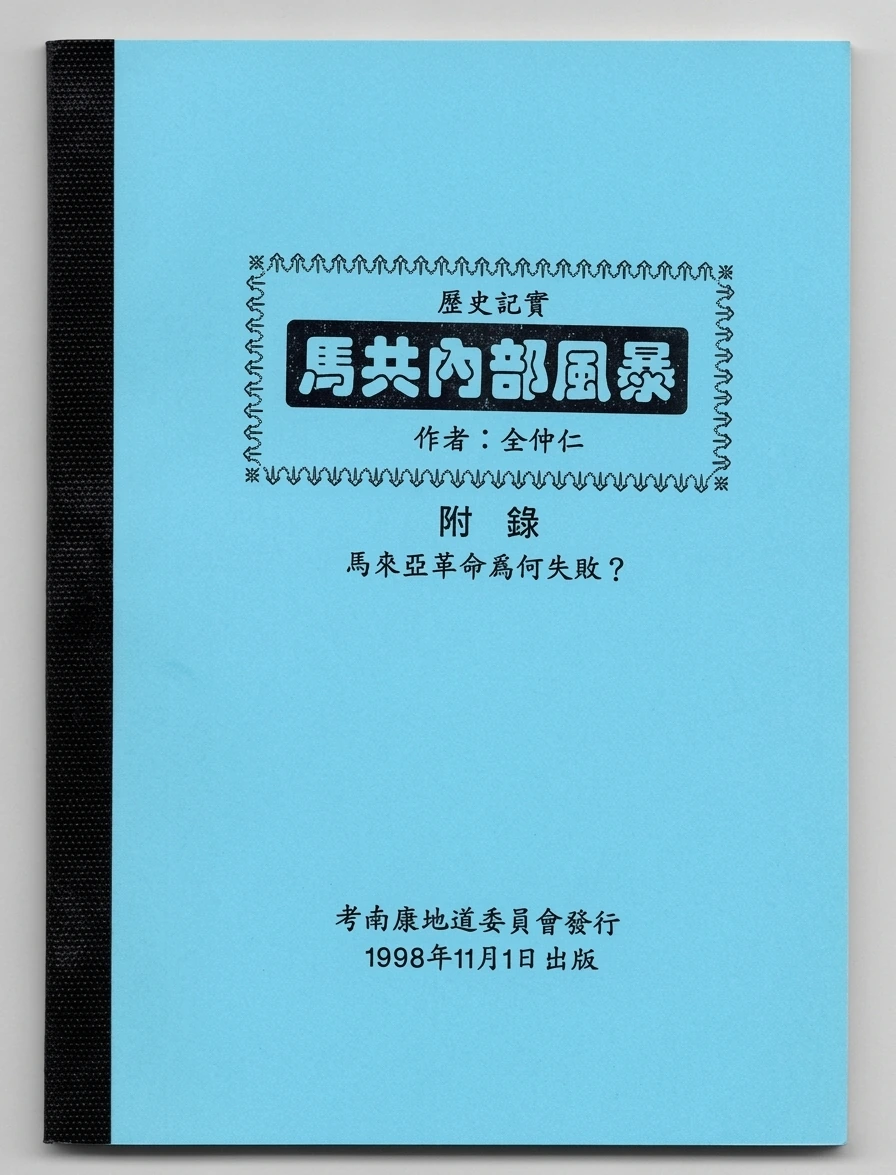
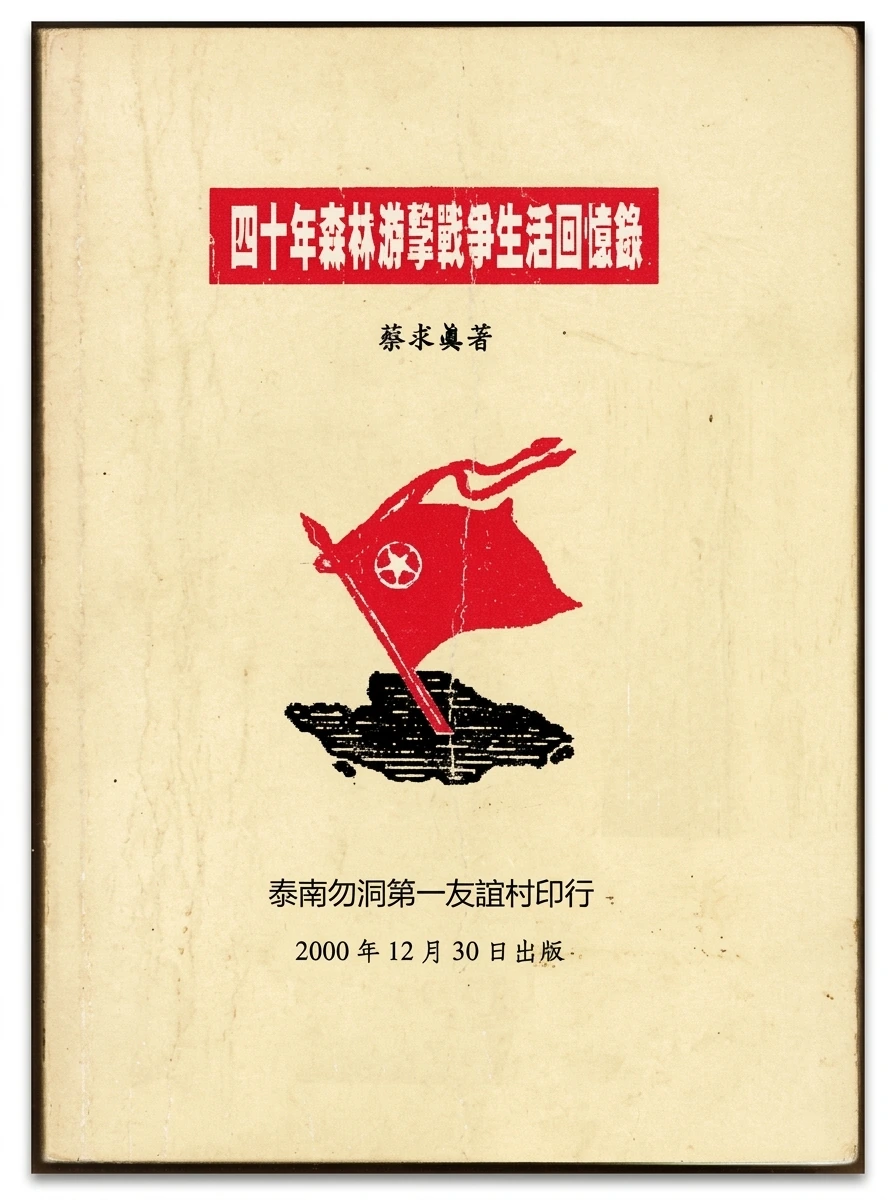
紧随第八支队之后发生的是第十二支队第二区(驻扎勿洞北部山麓)的决裂。该区由张忠民(化名阿凌)掌控。张忠民同样利用战地信息闭塞,处心积虑编造危机,谎称部队即将遭遇中央清洗。为了激怒下级官兵并断绝回归之路,张忠民巧妙设局,以商讨战局为名诱使中央北马局特派代表阿和同志前来营地。在阿和毫无防备的情况下,张忠民指使亲信在阿和面前当场处决数名同志,并倒打一耙,将杀人凶手的罪名公然诬陷在阿和与马共中央头上!
张忠民煽动起官兵对马共中央的极端仇恨与恐慌,于1970年3月率部全面脱离指挥链。1974年,该派系正式拼凑非法组织机构,标榜自封为所谓“马共马列派”。至此,马共领导的人民武装力量在泰南边境被硬生生撕开两道巨大的伤口。这一决裂给全马正在蓬勃发展的反帝革命事业造成了毁灭性重创,严重削弱了游击队南下马来半岛的打击力量,使吉隆坡与曼谷反动军警当局欣喜若狂。
Shortly thereafter, the 2nd District of the 12th Regiment in Betong, commanded by Zhang Zhong Min, staged an identical provocation. Zhang fabricated an imminent security crisis to terrify his troops. To sever ties irrevocably, Zhang lured the North Malayan Bureau's official envoy, Comrade Ah He, to his jungle headquarters under false pretenses. In Ah He's presence, Zhang orchestrated the execution of several comrades, subsequently framing Ah He as the perpetrator to ignite hatred against the Central leadership.
Capitalizing on manipulated fear, Zhang severed all command links in March 1970, formally proclaiming the 'Marxist-Leninist Faction' in 1974. These coordinated schisms ruptured the armed revolutionary front, dealing a catastrophic blow to the planned peninsular advance while delivering an unprecedented intelligence victory to the Malaysian and Thai security forces.
“1970年,正值马共领导的武装斗争从恢复阶段迈向发展阶段的重要时刻,我党我军的两个单位发生了反党事件。两个单位的头头利用中央北马局肃反扩大化的严重错误,大搞阴谋诡计,蒙骗和控制其所属单位的同志,搅乱革命地盘,干扰地下组织,蓄意制造党军的分裂,造成亲者痛仇者快的恶果,使党军力量遭到重大损失。”"In 1970, at a critical juncture when the CPM's armed struggle was advancing from recovery to development, two Party and army units committed serious anti-Party acts. The leaders of these units, taking advantage of the grave errors of over-reach during the North Malayan Bureau's Rectification campaign, engaged in intrigue and deception, hoodwinked and manipulated their subordinates, disrupted revolutionary base areas, and sabotaged underground organisations. By deliberately sowing discord within the Party and army, they brought grievous harm to the revolutionary cause, gladdened the enemy, and caused heavy losses to the Party and army's strength."— 《马来亚革命之声》广播电台(Suara Revolusi Malaya,1970年全马权威广播文稿) | Voice of Malayan Revolution (Official radio broadcast manuscript, 1970)
第三章:克制与纠错:海外马共中央的“小平反”与避免同室操戈(1972–1983)
Chapter 3: Restraint and Rectification: The 'Minor Redress' and Refusal to Engage in Fratricide (1972–1983)
面对泰南根据地突如其来的剧烈震荡,以陈平同志为首、设在海外的马共中央展现出了无产阶级革命领袖非凡的清醒与原则定力。海外马共中央深刻觉察到泰南前线肃反扩大化的惨痛危害,于1971年底至1972年初向中央北马局发出极其严厉的督促指示,要求必须无条件立即停止任何形式的扩大化做法,迅速全面启动内部纠偏整顿与案件复查。
在海外马共中央的强力敦促下,中央北马局自1972年中期展开了一场深怀历史自觉的审查纠错运动,历时长达三年之久。这场运动在党史文献中被郑重称为“小平反”。运动全面复查了历次肃反中的存疑案卷,重点对因逼供、口误而遭受错误定性、降职撤职、记过处分以及被限制人身自由的同志进行平反昭雪。尽管由于战时林区流动动荡的严苛局限,“小平反”当时主要局限于非死刑涉案人员,但它依然在很大程度上制止了极左扩大化的恶性蔓延,逐步恢复了广大指战员之间的革命阶级信任,重振了基层的战斗力与纪律。
更为难能可贵的是,马共中央在对待八支与十二支二区分裂部队的问题上,展现了无与伦比的高风亮节与人道主义克制。当时,泰南游击区拥有数千名指战员的主力精锐完全具备压倒性的军事战力,党内甚至有激进干部主张采取铁血军事手段剿灭分裂割据队伍。但马共中央与陈平总书记力排众议,斩钉截铁下达死命令:绝对严禁打响第一枪,绝对严禁同室操戈!
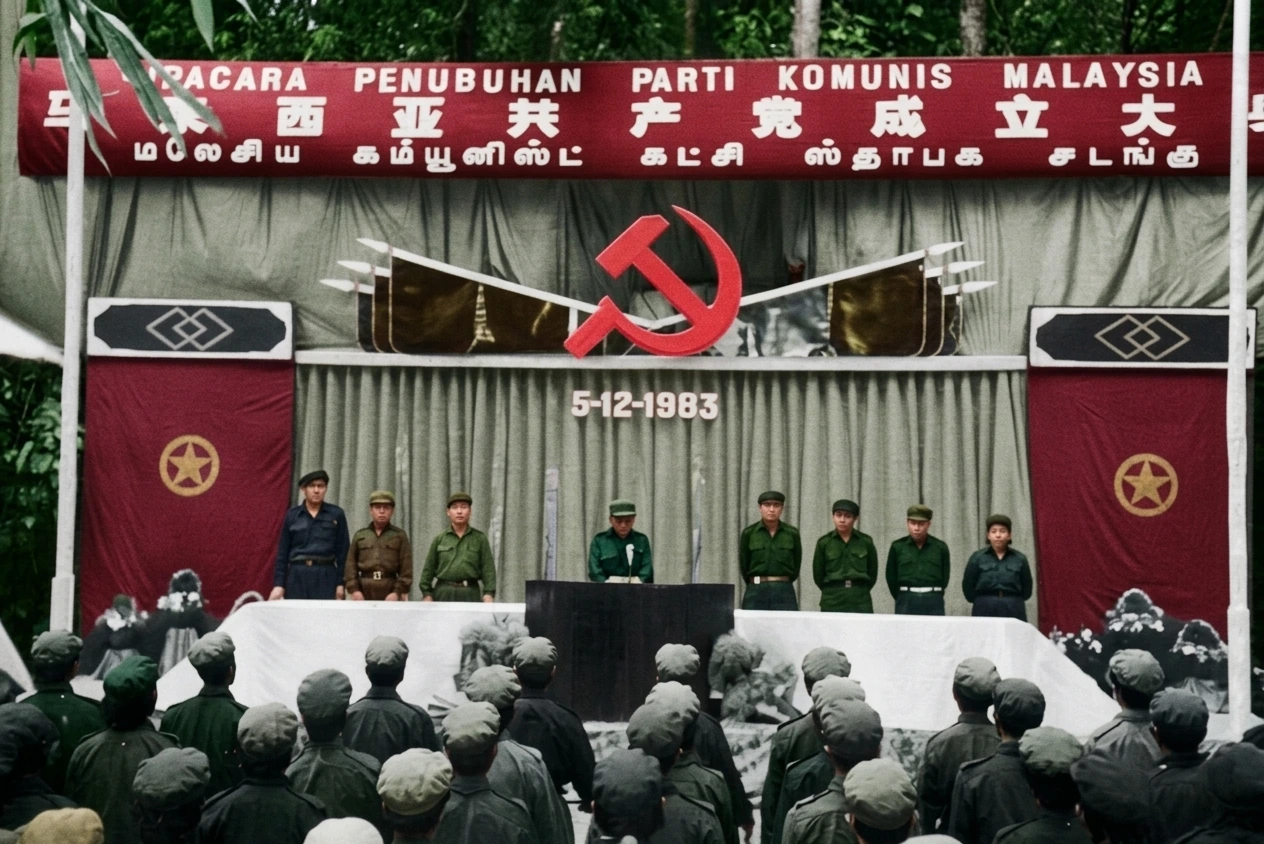
马共中央客观分析指出:分裂阵营中的绝大多数战士和下级干部,都是满腔热血投身民族解放的阶级兄弟,他们完全是被黄一江、张忠民等野心家刻意制造的谎言与恐惧所挟持蒙蔽。对阶级骨肉动武,只会正中帝国主义敌伪下怀!然而,中央这种以民族大义为重的无限忍让与真诚呼吁,却被分裂派领导人视作软弱可欺。由于缺乏崇高的革命纲领支撑,分裂派逐渐堕落为争权夺利的山头集团。1983年12月5日,“革命派”与“马列派”在昔罗宣布合流,合并成立了所谓“马来西亚共产党”。他们不仅彻底放弃了反对殖民主义和反动政权的斗争矛头,反而公然宣称将原马共作为头号死敌,在这条丧失理想信念的道路上滑向万劫不复的深渊。
Confronting this devastating crisis, the CPM Central Committee based abroad under Secretary-General Chin Peng demonstrated profound strategic restraint and ideological clarity. Recognizing the grave dangers of over-reach, the Central leadership sternly ordered the North Malayan Bureau to halt all purge activities immediately and embark upon systematic self-rectification.
Beginning in mid-1972 and continuing for three years, the North Malayan Bureau conducted an internal rehabilitation campaign historically designated as the 'Minor Redress.' The movement meticulously re-examined hundreds of questionable files, revoking erroneous classifications, restoring demoted cadres, and lifting disciplinary sanctions. Although constrained by wartime conditions and primarily addressing non-capital cases, the Minor Redress effectively checked the extremist contagion, gradually restoring trust, discipline, and operational viability.
Even more remarkable was the Central Committee's unwavering commitment to preventing fratricide. Possessing overwhelming military superiority, the CPM main force could have easily crushed the splinter bases. Yet Chin Peng and the Central Committee issued strict, uncompromising orders: under no circumstances would the CPM initiate armed attacks against the dissident factions. Fratricide was deemed an absolute crime against the revolution.
The Central Committee accurately discerned that the vast majority of rank-and-file fighters in the breakaway units were innocent revolutionary patriots, deliberately deceived by their factional leaders. To shed their blood would serve only imperialist interests. Yet the Central leadership's magnanimous patience was spurned by the factional bosses. On December 5, 1983, the two splinter factions merged to form the so-called 'Communist Party of Malaysia,' declaring open war against the legitimate CPM and sealing their tragic, irreversible demise.
面对泰南根据地突如其来的剧烈震荡,以陈平同志为首、设在海外的马共中央展现出了无产阶级革命领袖非凡的清醒与原则定力。海外马共中央深刻觉察到泰南前线肃反扩大化的惨痛危害,于1971年底至1972年初向中央北马局发出极其严厉的督促指示,要求必须无条件立即停止任何形式的扩大化做法,迅速全面启动内部纠偏整顿与案件复查。
在海外马共中央的强力敦促下,中央北马局自1972年中期展开了一场深怀历史自觉的审查纠错运动,历时长达三年之久。这场运动在党史文献中被郑重称为“小平反”。运动全面复查了历次肃反中的存疑案卷,重点对因逼供、口误而遭受错误定性、降职撤职、记过处分以及被限制人身自由的同志进行平反昭雪。尽管由于战时林区流动动荡的严苛局限,“小平反”当时主要局限于非死刑涉案人员,但它依然在很大程度上制止了极左扩大化的恶性蔓延,逐步恢复了广大指战员之间的革命阶级信任,重振了基层的战斗力与纪律。
Confronting this devastating crisis, the CPM Central Committee based abroad under Secretary-General Chin Peng demonstrated profound strategic restraint and ideological clarity. Recognizing the grave dangers of over-reach, the Central leadership sternly ordered the North Malayan Bureau to halt all purge activities immediately and embark upon systematic self-rectification.
Beginning in mid-1972 and continuing for three years, the North Malayan Bureau conducted an internal rehabilitation campaign historically designated as the 'Minor Redress.' The movement meticulously re-examined hundreds of questionable files, revoking erroneous classifications, restoring demoted cadres, and lifting disciplinary sanctions. Although constrained by wartime conditions and primarily addressing non-capital cases, the Minor Redress effectively checked the extremist contagion, gradually restoring trust, discipline, and operational viability.
更为难能可贵的是,马共中央在对待八支与十二支二区分裂部队的问题上,展现了无与伦比的高风亮节与人道主义克制。当时,泰南游击区拥有数千名指战员的主力精锐完全具备压倒性的军事战力,党内甚至有激进干部主张采取铁血军事手段剿灭分裂割据队伍。但马共中央与陈平总书记力排众议,斩钉截铁下达死命令:绝对严禁打响第一枪,绝对严禁同室操戈!
马共中央客观分析指出:分裂阵营中的绝大多数战士和下级干部,都是满腔热血投身民族解放的阶级兄弟,他们完全是被黄一江、张忠民等野心家刻意制造的谎言与恐惧所挟持蒙蔽。对阶级骨肉动武,只会正中帝国主义敌伪下怀!然而,中央这种以民族大义为重的无限忍让与真诚呼吁,却被分裂派领导人视作软弱可欺。由于缺乏崇高的革命纲领支撑,分裂派逐渐堕落为争权夺利的山头集团。1983年12月5日,“革命派”与“马列派”在昔罗宣布合流,合并成立了所谓“马来西亚共产党”。他们不仅彻底放弃了反对殖民主义和反动政权的斗争矛头,反而公然宣称将原马共作为头号死敌,在这条丧失理想信念的道路上滑向万劫不复的深渊。
Even more remarkable was the Central Committee's unwavering commitment to preventing fratricide. Possessing overwhelming military superiority, the CPM main force could have easily crushed the splinter bases. Yet Chin Peng and the Central Committee issued strict, uncompromising orders: under no circumstances would the CPM initiate armed attacks against the dissident factions. Fratricide was deemed an absolute crime against the revolution.
The Central Committee accurately discerned that the vast majority of rank-and-file fighters in the breakaway units were innocent revolutionary patriots, deliberately deceived by their factional leaders. To shed their blood would serve only imperialist interests. Yet the Central leadership's magnanimous patience was spurned by the factional bosses. On December 5, 1983, the two splinter factions merged to form the so-called 'Communist Party of Malaysia,' declaring open war against the legitimate CPM and sealing their tragic, irreversible demise.
第四章:迷途终局:1987年昔罗与勿洞的红花瓦解(1987)
Chapter 4: The Dead End: The 1987 Capitulation and Disarmament at Sadao and Betong (1987)
背弃了崇高革命宗旨与广大群众血肉依托的政党,其瓦解只是时间问题。进入1980年代中期,所谓“马来西亚共产党”在泰南丛林中陷入了前所未有的生存危机。没有了反帝反殖民族解放的政治正义性,这支分裂武装完全蜕变为靠非法税收与地方割据苟延残喘的军阀式集团。内部派系斗争日趋激化,思想极度虚无混乱,老战士厌战情绪排山倒海,队伍彻底丧失了政治凝聚力。
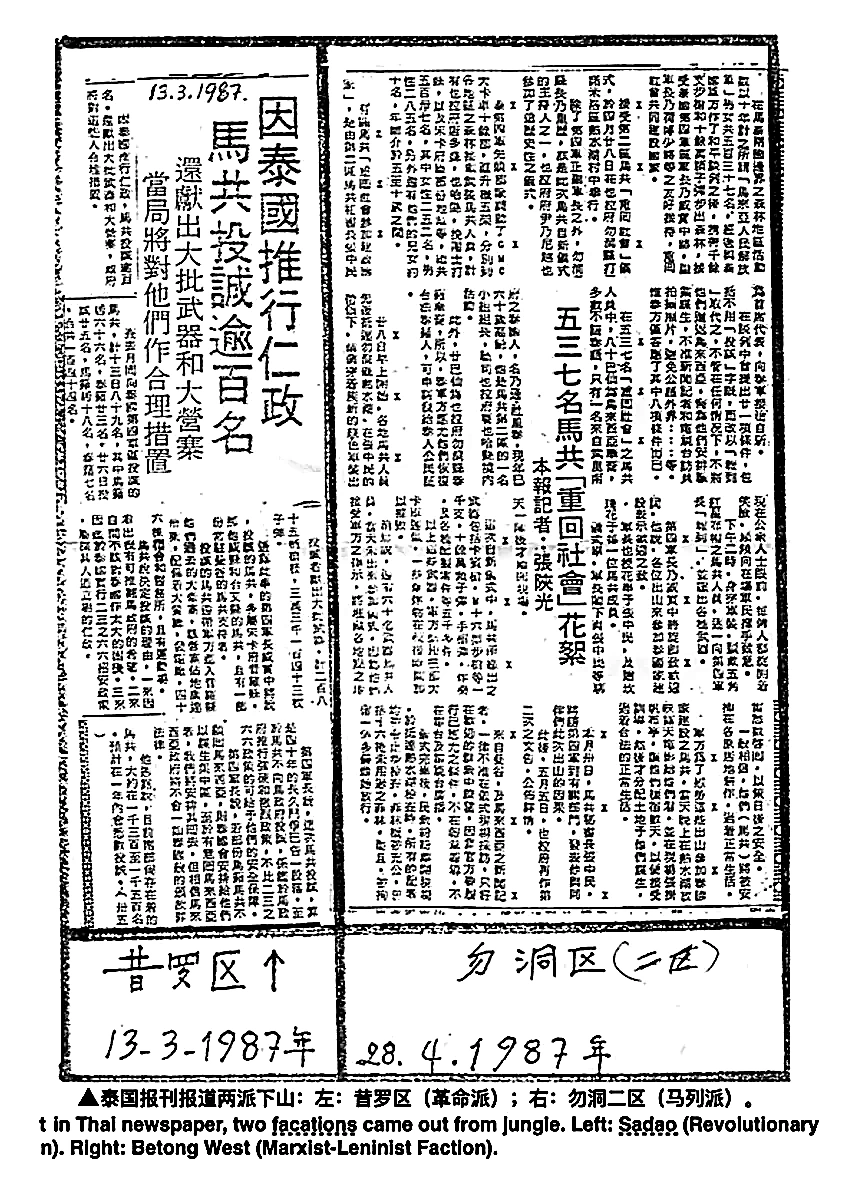
1987年春,这个脱离群众、在自身重重矛盾绞杀下行将就木的分裂党,走向了不可逆转的终结。在泰国陆军第四军区与安全机关的恩威并施下,残余部队彻底放弃抵抗。当年3月至4月间,震惊新马的投诚惨剧在泰南拉开帷幕:3月13日,盘踞昔罗地区的黄一江“革命派”率先向泰军全面交枪投诚;4月28日,盘踞勿洞二区的张忠民“马列派”紧接着向泰国当局缴械投降。至此,喧嚣一时、给马共革命造成巨大创伤的伪“马来西亚共产党”在一片凄凉中宣告烟消云散。
在泰南也拉与勿洞举行的两场受降仪式,场面如出一辙,充满了极其刺眼的讽刺意味:昔日全副武装的游击队员依次走上前台,将步枪与弹药恭敬交到泰国军官手中;作为交换,每名投诚人员仅仅领到一朵象征抚恤的塑料红花,并在泰军官员的监督下逐一站在白墙前拍照造册。这一过程,无声地宣告了昔日以狂热“超革命”自诩的分裂闹剧,最终沦为历史的笑柄。
马共总书记陈平同志在多年后的历史自白中,对此留下了冷峻深刻而又饱含人道悲悯的论定。陈平指出,十五年间,这些分裂分子在自己的名号上处处标榜“革命派”、“马列派”,把自己打扮成“最纯粹的马克思主义者”,狂妄攻击马共中央是所谓的“修正主义”。然而到了1987年,率先背叛信仰、缴械投降的恰恰是这批高唱革命高调的人!陈平由衷感叹道:他从未为这些自绝于人民的分裂头目感到惋惜,但他始终为几百名被谎言裹挟、付出了青春却沦为弃儿的无辜普通战士感到无比心痛。
Divorced from revolutionary principles and grassroots popular support, the splinter organization’s collapse was merely a matter of time. By the mid-1980s, the so-called 'Communist Party of Malaysia' was suffocating in isolation. Bereft of ideological legitimacy, the factions degenerated into localized warlord enclaves plagued by vicious infighting, cynicism, and plunging morale.
In the spring of 1987, under concerted pressure from the Thai 4th Army Region, the splinter movement disintegrated completely. On March 13, 1987, Huang Yi Jiang's 'Revolutionary Faction' at Sadao surrendered to Thai military authorities. Six weeks later, on April 28, Zhang Zhong Min's 'Marxist-Leninist Faction' in Betong laid down its weapons. The self-styled 'Communist Party of Malaysia' vanished into ignominy.
The identical ceremonies in Yala and Betong were laden with tragic irony. One by one, guerrillas stepped forward to surrender their weapons to Thai officers, receiving in return a single red plastic flower and a photographic mugshot for administrative records—a humiliating conclusion to a movement that once boasted of ideological infallibility.
Reflecting upon these events in his memoirs, CPM Secretary-General Chin Peng recorded a devastating critique coupled with profound compassion. He observed the supreme irony that those who had strutted for fifteen years under self-righteous revolutionary banners, branding the CPM Central Committee as 'revisionist,' were the very first to capitulate unconditionally. While harboring no sympathy for the ambitious leaders, Chin Peng lamented the tragic fate of the misled rank-and-file who had sacrificed their youths for a false cause.
背弃了崇高革命宗旨与广大群众血肉依托的政党,其瓦解只是时间问题。进入1980年代中期,所谓“马来西亚共产党”在泰南丛林中陷入了前所未有的生存危机。没有了反帝反殖民族解放的政治正义性,这支分裂武装完全蜕变为靠非法税收与地方割据苟延残喘的军阀式集团。内部派系斗争日趋激化,思想极度虚无混乱,老战士厌战情绪排山倒海,队伍彻底丧失了政治凝聚力。
1987年春,这个脱离群众、在自身重重矛盾绞杀下行将就木的分裂党,走向了不可逆转的终结。在泰国陆军第四军区与安全机关的恩威并施下,残余部队彻底放弃抵抗。当年3月至4月间,震惊新马的投诚惨剧在泰南拉开帷幕:3月13日,盘踞昔罗地区的黄一江“革命派”率先向泰军全面交枪投诚;4月28日,盘踞勿洞二区的张忠民“马列派”紧接着向泰国当局缴械投降。至此,喧嚣一时、给马共革命造成巨大创伤的伪“马来西亚共产党”在一片凄凉中宣告烟消云散。
Divorced from revolutionary principles and grassroots popular support, the splinter organization’s collapse was merely a matter of time. By the mid-1980s, the so-called 'Communist Party of Malaysia' was suffocating in isolation. Bereft of ideological legitimacy, the factions degenerated into localized warlord enclaves plagued by vicious infighting, cynicism, and plunging morale.
In the spring of 1987, under concerted pressure from the Thai 4th Army Region, the splinter movement disintegrated completely. On March 13, 1987, Huang Yi Jiang's 'Revolutionary Faction' at Sadao surrendered to Thai military authorities. Six weeks later, on April 28, Zhang Zhong Min's 'Marxist-Leninist Faction' in Betong laid down its weapons. The self-styled 'Communist Party of Malaysia' vanished into ignominy.
在泰南也拉与勿洞举行的两场受降仪式,场面如出一辙,充满了极其刺眼的讽刺意味:昔日全副武装的游击队员依次走上前台,将步枪与弹药恭敬交到泰国军官手中;作为交换,每名投诚人员仅仅领到一朵象征抚恤的塑料红花,并在泰军官员的监督下逐一站在白墙前拍照造册。这一过程,无声地宣告了昔日以狂热“超革命”自诩的分裂闹剧,最终沦为历史的笑柄。
马共总书记陈平同志在多年后的历史自白中,对此留下了冷峻深刻而又饱含人道悲悯的论定。陈平指出,十五年间,这些分裂分子在自己的名号上处处标榜“革命派”、“马列派”,把自己打扮成“最纯粹的马克思主义者”,狂妄攻击马共中央是所谓的“修正主义”。然而到了1987年,率先背叛信仰、缴械投降的恰恰是这批高唱革命高调的人!陈平由衷感叹道:他从未为这些自绝于人民的分裂头目感到惋惜,但他始终为几百名被谎言裹挟、付出了青春却沦为弃儿的无辜普通战士感到无比心痛。
The identical ceremonies in Yala and Betong were laden with tragic irony. One by one, guerrillas stepped forward to surrender their weapons to Thai officers, receiving in return a single red plastic flower and a photographic mugshot for administrative records—a humiliating conclusion to a movement that once boasted of ideological infallibility.
Reflecting upon these events in his memoirs, CPM Secretary-General Chin Peng recorded a devastating critique coupled with profound compassion. He observed the supreme irony that those who had strutted for fifteen years under self-righteous revolutionary banners, branding the CPM Central Committee as 'revisionist,' were the very first to capitulate unconditionally. While harboring no sympathy for the ambitious leaders, Chin Peng lamented the tragic fate of the misled rank-and-file who had sacrificed their youths for a false cause.
“让我感到尤为讽刺的是,这些投诚的人,十五多年里一直在自己名号上加上括号里的‘革命派’和‘马列派’,以此强调他们的革命热情。他们把自己塑造成更高明的革命者,并把我们的领导斥为‘修正主义’。他们各自为自己的投降找来种种解释与辩解。我追踪这些说法了一段时间,后来坦率地说就放弃了。
直到今天,我仍确信,到1987年叛变者投降时,他们的领导人已不再受意识形态驱动。我为普通成员感到难过。但当时我不可能说出这些看法,否则会被指责为单纯抹黑反对我的人。”"I find it particularly ironic that the ones who surrendered were those who had, for more than 15 years, underlined their revolutionary zeal with the bracketed adjuncts of 'Revolutionary Faction' and 'Marxist/Leninist'. They had portrayed themselves as the superior revolutionaries and had damned our leadership for being 'revisionist'. Each had its own explanations and rationalisations for capitulating. I tried to follow these for some time then, quite frankly, gave up.— 陈平(《我方的历史》战后档案自白) | Chin Peng ('My Side of History')
To this day, I remain convinced that, by the time of the rebels' capitulation in 1987, their leaders could no longer be regarded as ideologically motivated. I felt sad for the rank-and-file. But I could not have made these observations then. I would have been accused of simply discrediting those who opposed me."
第五章:向历史负责:1990年《平反协议书》与88名烈士昭雪(1989–1990)
Chapter 5: Answering to History: The 1990 Redress Agreement and the Rehabilitation of 88 Martyrs (1989–1990)
1989年12月2日,随着举世瞩目的《合艾和平协议》在泰国合艾利园酒店光荣签署,马共指战员在泰南边境各和平村体面解甲,结束了长达半个世纪的抗日与抗英反殖武装斗争。然而,和平降临之后,一个尘封二十余年、令无数革命家庭刻骨铭心的巨大历史创痛,再次摆在了马共中央领导层的面前:当年在泰南肃反扩大化中遭受冤屈与误杀的同志,他们的清白该如何交代?他们的家属该如何告慰?
在一个讲求绝对正义极其艰难的后战地岁月,马共中央本着彻底的唯物主义历史勇气与崇高的人民情怀,毅然做出了全面公开平反昭雪的重大历史抉择!陈平同志与中央北马局领导层顶住一切顾虑,坦率承认当年的过火扩大化严重错误,决心全面纠正所有历史遗留案件,以最庄严的形式恢复被错杀同志的革命荣誉与历史尊严。
1990年间,在泰南各和平村内,中央北马局委派原马来亚人民军各部队代表,分批与各受难烈士家属代表逐一会面,按统一规制签署了庄严的《平反协议书》(其中包括1990年5月8日由部队代表梁希元与关平烈士家属代表签署的留存原档样本)。这一份份沉甸甸的文献,字字泣血、句句千钧。中央北马局在协议中以极其诚恳的态度,白纸黑字写下了令历史肃然起敬的历史定论:
“在六十年代后期和七十年代初期的肃反斗争中,由于战争情况下各种实际原因,中央北马局犯了扩大化的严重错误,以致误杀了一些革命同志……中央北马局郑重承认二十年前所犯的上述错误,对同志不幸被误杀,感到非常痛心,谨向烈士家属表示真诚歉意和亲切慰问!”
协议书正式确立了四项具有不可动摇政治效力的昭雪抚恤办法:第一,中央北马局为所有在这次行动中被误杀的同志在党内外进行平反,恢复其革命同志的名誉,授以革命烈士的称号;第二,承认其家属为革命烈士家属,享有革命家属所共有的一切政治待遇,中央北马局郑重向有关家属承认错误,赔礼道歉;第三,发给抚恤金二万铢;第四,在获得泰国政府许可后,建立统一的革命烈士纪念碑,供后人敬仰悼念。关平(覃金生)、李观生、张德强等88名被误杀同志的冤情被彻底洗雪,发出了正式平反通知书。这一伟大的历史举措,化解了数十年的心头积血,赢得了所有烈士家属的衷心谅解与拥护,在泰南写下了共产党人直面真理、敢于纠错的人性壮歌!
On December 2, 1989, the historic Haadyai Peace Agreement brought an honorable conclusion to the CPM's half-century armed anti-colonial struggle. Yet as peace dawned over the border villages, an excruciating historical debt demanded resolution: the unresolved injustices suffered by comrades wrongfully accused and executed during the internal purges two decades prior.
Confronting this burning historical wound, the CPM Central leadership under Chin Peng exhibited supreme moral courage and revolutionary accountability. Rather than burying past excesses under wartime secrecy, the Party resolved upon full public redress, undertaking the profound task of formally rehabilitating every wrongful victim.
Throughout 1990, across the southern Thai peace villages, representatives designated by the North Malayan Bureau and the various regiments and units of the former Malayan People's Army met batch by batch with the bereaved families of each victim, executing individual formal "Redress Agreements" (among which the May 8, 1990 agreement for Martyr Guan Ping, signed by unit representative Liang Xiyuan and the family's representative, survives as a primary archival specimen). In an unflinching acknowledgement of culpability, the North Malayan Bureau explicitly stated:
"In the anti-espionage purges of the late 1960s and early 1970s, due to various practical conditions under wartime circumstances, the North Malayan Bureau committed grave errors of over-reach, resulting in the wrongful execution of revolutionary comrades... The North Malayan Bureau solemnly admits these errors committed twenty years ago, expresses profound grief over the unfortunate deaths of comrades, and extends sincere apologies and heartfelt condolences to the martyrs' families!"
The agreement formally enacted four binding redress articles: 1. Full public rehabilitation within and outside the Party for all comrades wrongfully executed, restoring their revolutionary honor and conferring the title of Revolutionary Martyr; 2. Recognition of bereaved relatives as Revolutionary Martyr Families entitled to all corresponding political treatment, accompanied by formal apologies from the North Malayan Bureau; 3. Payment of a financial solatium of 20,000 Thai Baht; 4. Sanction to erect a unified Revolutionary Martyrs' Memorial, subject to Thai government permission, for perpetual commemoration. Comrades including Guan Ping (Qin Jinsheng), Li Guansheng, and Zhang Deqiang among the 88 wrongful victims were fully exonerated with official rehabilitation certificates, transforming decades of agony into reconciliation and peace.
1989年12月2日,随着举世瞩目的《合艾和平协议》在泰国合艾利园酒店光荣签署,马共指战员在泰南边境各和平村体面解甲,结束了长达半个世纪的抗日与抗英反殖武装斗争。然而,和平降临之后,一个尘封二十余年、令无数革命家庭刻骨铭心的巨大历史创痛,再次摆在了马共中央领导层的面前:当年在泰南肃反扩大化中遭受冤屈与误杀的同志,他们的清白该如何交代?他们的家属该如何告慰?
在一个讲求绝对正义极其艰难的后战地岁月,马共中央本着彻底的唯物主义历史勇气与崇高的人民情怀,毅然做出了全面公开平反昭雪的重大历史抉择!陈平同志与中央北马局领导层顶住一切顾虑,坦率承认当年的过火扩大化严重错误,决心全面纠正所有历史遗留案件,以最庄严的形式恢复被错杀同志的革命荣誉与历史尊严。
On December 2, 1989, the historic Haadyai Peace Agreement brought an honorable conclusion to the CPM's half-century armed anti-colonial struggle. Yet as peace dawned over the border villages, an excruciating historical debt demanded resolution: the unresolved injustices suffered by comrades wrongfully accused and executed during the internal purges two decades prior.
Confronting this burning historical wound, the CPM Central leadership under Chin Peng exhibited supreme moral courage and revolutionary accountability. Rather than burying past excesses under wartime secrecy, the Party resolved upon full public redress, undertaking the profound task of formally rehabilitating every wrongful victim.
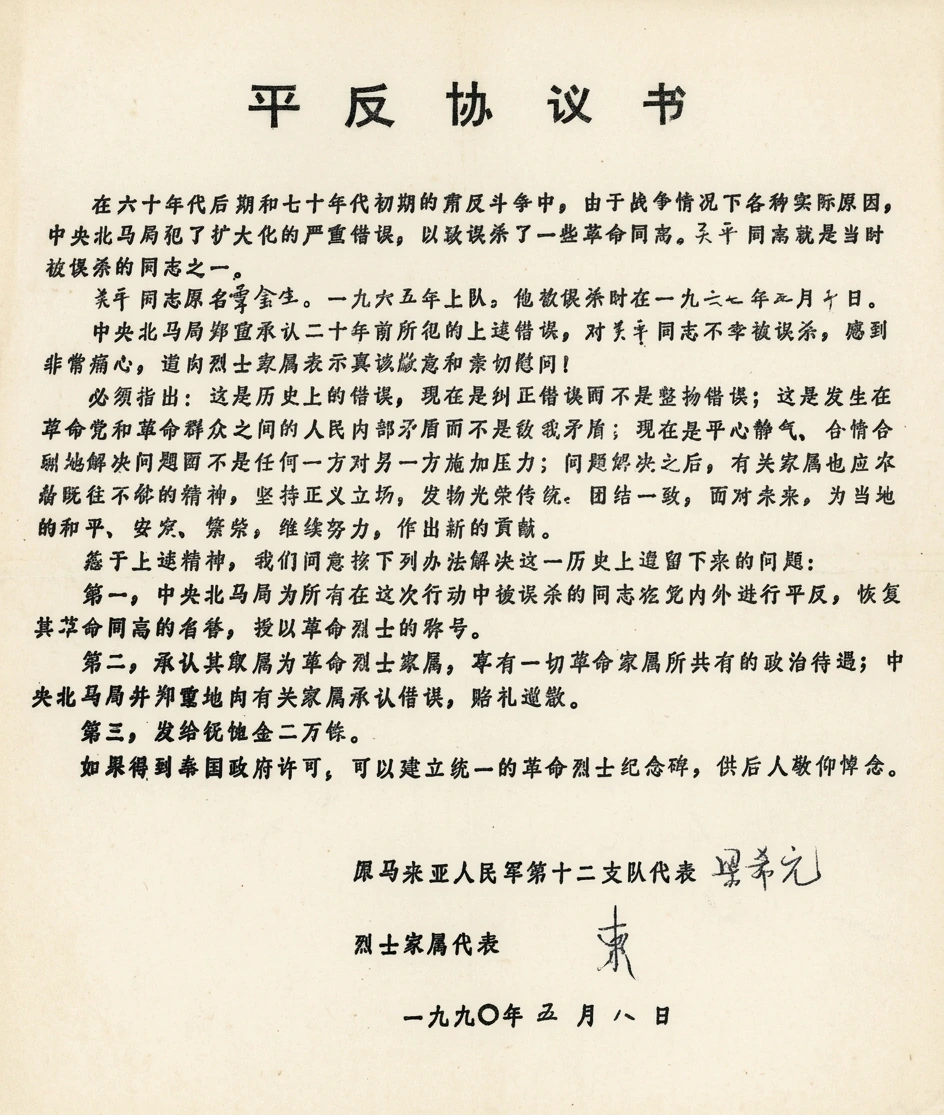
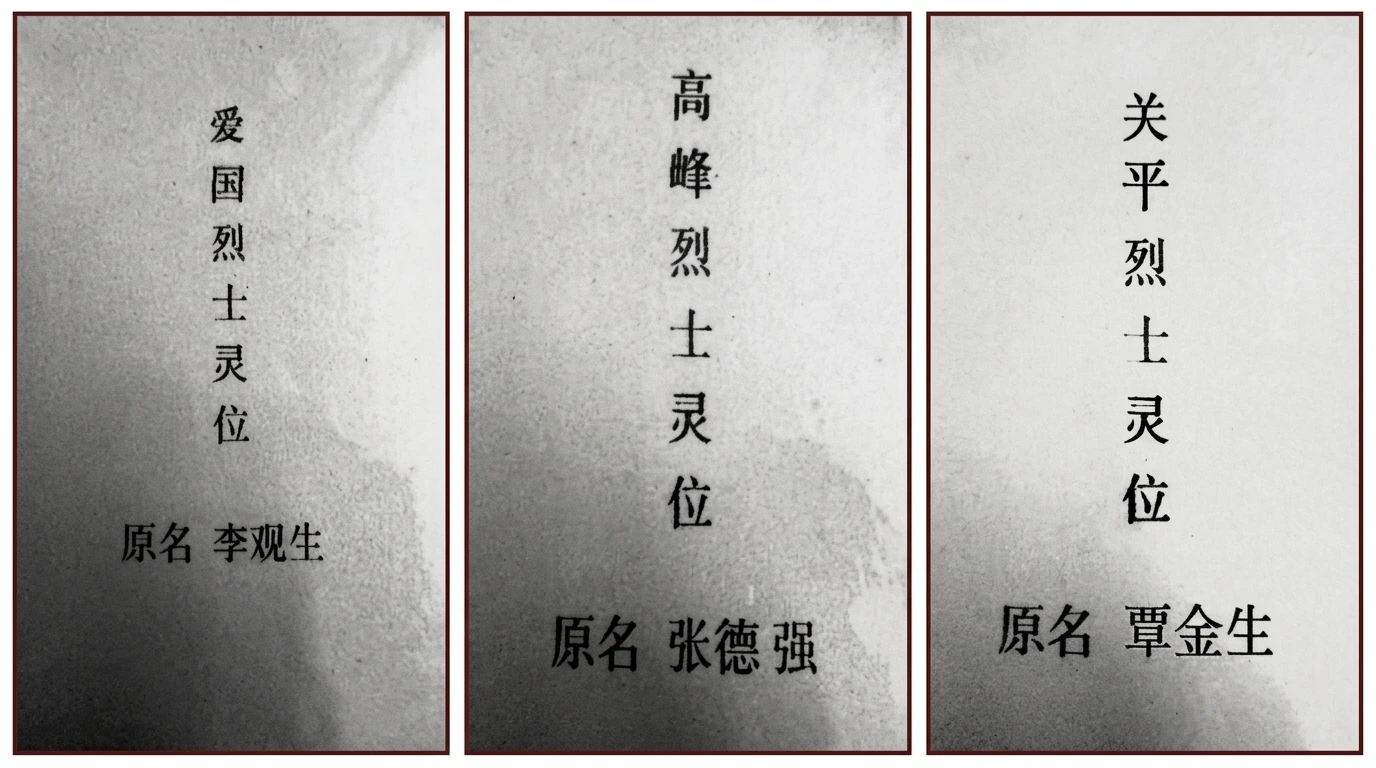
1990年间,在泰南各和平村内,中央北马局委派原马来亚人民军各部队代表,分批与各受难烈士家属代表逐一会面,按统一规制签署了庄严的《平反协议书》(其中包括1990年5月8日由部队代表梁希元与关平烈士家属代表签署的留存原档样本)。这一份份沉甸甸的文献,字字泣血、句句千钧。中央北马局在协议中以极其诚恳的态度,白纸黑字写下了令历史肃然起敬的历史定论:
“在六十年代后期和七十年代初期的肃反斗争中,由于战争情况下各种实际原因,中央北马局犯了扩大化的严重错误,以致误杀了一些革命同志……中央北马局郑重承认二十年前所犯的上述错误,对同志不幸被误杀,感到非常痛心,谨向烈士家属表示真诚歉意和亲切慰问!”
协议书正式确立了四项具有不可动摇政治效力的昭雪抚恤办法:第一,中央北马局为所有在这次行动中被误杀的同志在党内外进行平反,恢复其革命同志的名誉,授以革命烈士的称号;第二,承认其家属为革命烈士家属,享有革命家属所共有的一切政治待遇,中央北马局郑重向有关家属承认错误,赔礼道歉;第三,发给抚恤金二万铢;第四,在获得泰国政府许可后,建立统一的革命烈士纪念碑,供后人敬仰悼念。关平(覃金生)、李观生、张德强等88名被误杀同志的冤情被彻底洗雪,发出了正式平反通知书。这一伟大的历史举措,化解了数十年的心头积血,赢得了所有烈士家属的衷心谅解与拥护,在泰南写下了共产党人直面真理、敢于纠错的人性壮歌!
Throughout 1990, across the southern Thai peace villages, representatives designated by the North Malayan Bureau and the various regiments and units of the former Malayan People's Army met batch by batch with the bereaved families of each victim, executing individual formal "Redress Agreements" (among which the May 8, 1990 agreement for Martyr Guan Ping, signed by unit representative Liang Xiyuan and the family's representative, survives as a primary archival specimen). In an unflinching acknowledgement of culpability, the North Malayan Bureau explicitly stated:
"In the anti-espionage purges of the late 1960s and early 1970s, due to various practical conditions under wartime circumstances, the North Malayan Bureau committed grave errors of over-reach, resulting in the wrongful execution of revolutionary comrades... The North Malayan Bureau solemnly admits these errors committed twenty years ago, expresses profound grief over the unfortunate deaths of comrades, and extends sincere apologies and heartfelt condolences to the martyrs' families!"
The agreement formally enacted four binding redress articles: 1. Full public rehabilitation within and outside the Party for all comrades wrongfully executed, restoring their revolutionary honor and conferring the title of Revolutionary Martyr; 2. Recognition of bereaved relatives as Revolutionary Martyr Families entitled to all corresponding political treatment, accompanied by formal apologies from the North Malayan Bureau; 3. Payment of a financial solatium of 20,000 Thai Baht; 4. Sanction to erect a unified Revolutionary Martyrs' Memorial, subject to Thai government permission, for perpetual commemoration. Comrades including Guan Ping (Qin Jinsheng), Li Guansheng, and Zhang Deqiang among the 88 wrongful victims were fully exonerated with official rehabilitation certificates, transforming decades of agony into reconciliation and peace.
《平反协议书》历史条款(以1990年5月8日关平烈士平反协议原档为例):
“在六十年代后期和七十年代初期的肃反斗争中,由于战争情况下各种实际原因,中央北马局犯了扩大化的严重错误,以致误杀了一些革命同志。关平同志就是当时被误杀的同志之一。
关平同志原名覃金生。一九六五年上队。他被误杀时在一九六七年五月十日。
中央北马局郑重承认二十年前所犯的上述错误,对关平同志不幸被误杀,感到非常痛心,谨向烈士家属表示真诚歉意和亲切慰问!
必须指出:这是历史上的错误,现在是纠正错误而不是坚持错误;这是发生在革命党和革命群众之间的人民内部矛盾而不是敌我矛盾;现在是平心静气、合情合理地解决问题而不是任何一方对另一方施加压力;问题解决之后,有关家属也应本着既往不咎的精神,坚持正义立场,发扬光荣传统,团结一致,面对未来,为当地的和平、安定、繁荣,继续努力,作出新的贡献。
鉴于上述精神,我们同意按下列办法解决这一历史上遗留下来的问题:
第一,中央北马局为所有在这次行动中被误杀的同志在党内外进行平反,恢复其革命同志的名誉,授以革命烈士的称号。
第二,承认其家属为革命烈士家属,享有革命家属所共有的一切政治待遇;中央北马局并郑重地向有关家属承认错误,赔礼道歉。
第三,发给抚恤金二万铢。
如果得到泰国政府许可,可以建立统一的革命烈士纪念碑,供后人敬仰悼念。”Historical Redress Agreement (Exemplar Text from the May 8, 1990 Martyr Guan Ping Dossier):— 原马来亚人民军第十二支队代表之一 梁希元 与 关平烈士家属代表(1990年5月8日签署样本) | Liang Xiyuan (One of the Representatives of the Former 12th Regiment) and Representative of Martyr Guan Ping's Family (Specimen signed May 8, 1990)
"In the anti-espionage purges of the late 1960s and early 1970s, due to various practical conditions under wartime circumstances, the North Malayan Bureau committed grave errors of over-reach, resulting in the wrongful execution of revolutionary comrades. Comrade Guan Ping was one of the comrades wrongfully executed at the time.
Comrade Guan Ping, originally named Qin Jinsheng, joined the army in 1965. He was wrongfully executed on May 10, 1967.
The North Malayan Bureau solemnly admits these errors committed twenty years ago, expresses profound grief over the unfortunate death of Comrade Guan Ping, and extends sincere apologies and heartfelt condolences to the martyr's family!
It must be pointed out: these are errors in history; we must now rectify errors rather than persist in them; these are contradictions among the people between the revolutionary party and revolutionary masses, rather than contradictions between the enemy and ourselves; now is the time to resolve the problem calmly and reasonably, rather than either party exerting pressure on the other; after the issue is resolved, the families concerned should also, in the spirit of letting bygones be bygones, uphold a just stand, carry forward the glorious tradition, unite as one, face the future, and continue striving to make new contributions to local peace, stability, and prosperity.
In light of the above spirit, we agree to resolve this historically inherited issue through the following measures:
First, the North Malayan Bureau shall rehabilitate within and outside the Party all comrades wrongfully executed in this campaign, restore their reputation as revolutionary comrades, and confer the title of Revolutionary Martyr.
Second, recognize their families as Revolutionary Martyr Families, entitled to all political treatment shared by revolutionary families; the North Malayan Bureau solemnly admits its errors and tenders formal apologies to the families concerned.
Third, grant a solatium of 20,000 Thai Baht.
If permission is granted by the Thai government, a unified Revolutionary Martyrs' Memorial may be erected for posterity to pay homage and commemorate."
第六章:世纪大和解:陈平的胸怀、泰国公民权与和平村友谊村同心(2002)
Chapter 6: The Century Reconciliation: Chin Peng's Magnanimity, Thai Citizenship, and Village Unity (2002)
历史的伤痕需要伟大的胸怀来彻底弥合。1987年昔罗与勿洞二区分裂派下山后,被泰国政府分散安置在也拉与宋卡边境建立的“友谊村”(Friendship Villages)。而1989年随同马共中央在合艾签署和平协议的主力部队指战员,则集中在也拉与勿洞建立的“和平村”(Peace Villages)安家立业。尽管两派战士在空间上逐渐比邻而居,但在长达十余年的时间里,一条无形的政治鸿沟与心理坚冰依然横亘在彼此心间。
更为致命的生存危机在步入2000年代后骤然爆发:由于八支与十二支二区分裂武装在1987年属于单方面私自投降,根本没有参与1989年马、泰、马共三方签署的《合艾和平协议》,因此无法直接援引合艾协议中关于解决马共留泰人员泰国国籍与身份证的特殊法律条文。友谊村数百名下山老战士与其眷属沦为没有国籍、缺乏法律身份认同的黑户人群,在就业、置产与子女求学上面临寸步难行的困境。眼看数百名昔日阶级弟兄陷入绝境,历史的考验再次降临到陈平的肩头。
2002年8月,在《合艾和平协议》签署十三周年之际,为了彻底攻克这一历史沉疴,时任泰国内政部长万那穆罕默·诺尔·马塔在曼谷内政部大楼亲自召集四方最高会议。与会各方不仅包括当年代表泰国政府在合艾协议上签字的军政高级将领、陈平,更罕见地召来了“马列派”原头目张忠民和“革命派”原头目黄一江。
在决定几百名战士命运的谈判席上,张忠民、黄一江一度仍企图以所谓独立派系名义签署文件,妄图保留其分裂招牌。陈平同志拍案而起,展现了无产阶级领袖洞若观火的政治原则与浩然正气!陈平极其严正地向泰国军政首脑与两派头目宣布:泰国内政部必须且只能援引《合艾和平协议》具备国际法律效力的特赦条款来解决国籍;张忠民和黄一江必须放弃一切非法的分裂党派头衔,分别老老实实以原马共第十二支队第二区司令员、第八支队司令员的原编制身份在申请转籍公文上签字!陈平明确警告泰方与两派头头:如果有人敢以‘革命派’或‘马列派’的非法名目签字,他陈平绝不在担保文件上签字!
陈平当着张忠民和黄一江的面,掷地有声地说出了这句震撼全场的历史名言:“如果是为你们几个分裂派头头做的话,我绝不会签这个字,但你们手下几百名战士是无辜的,他们也曾经是我的部下,为了他们,我才会签这个字!”最终,在陈平与泰国军政高层的坚持下,张忠民与黄一江低下头颅,依令签署。困扰数百名受蒙蔽战士十余年之久的国籍与合法身份证问题迎刃而解!
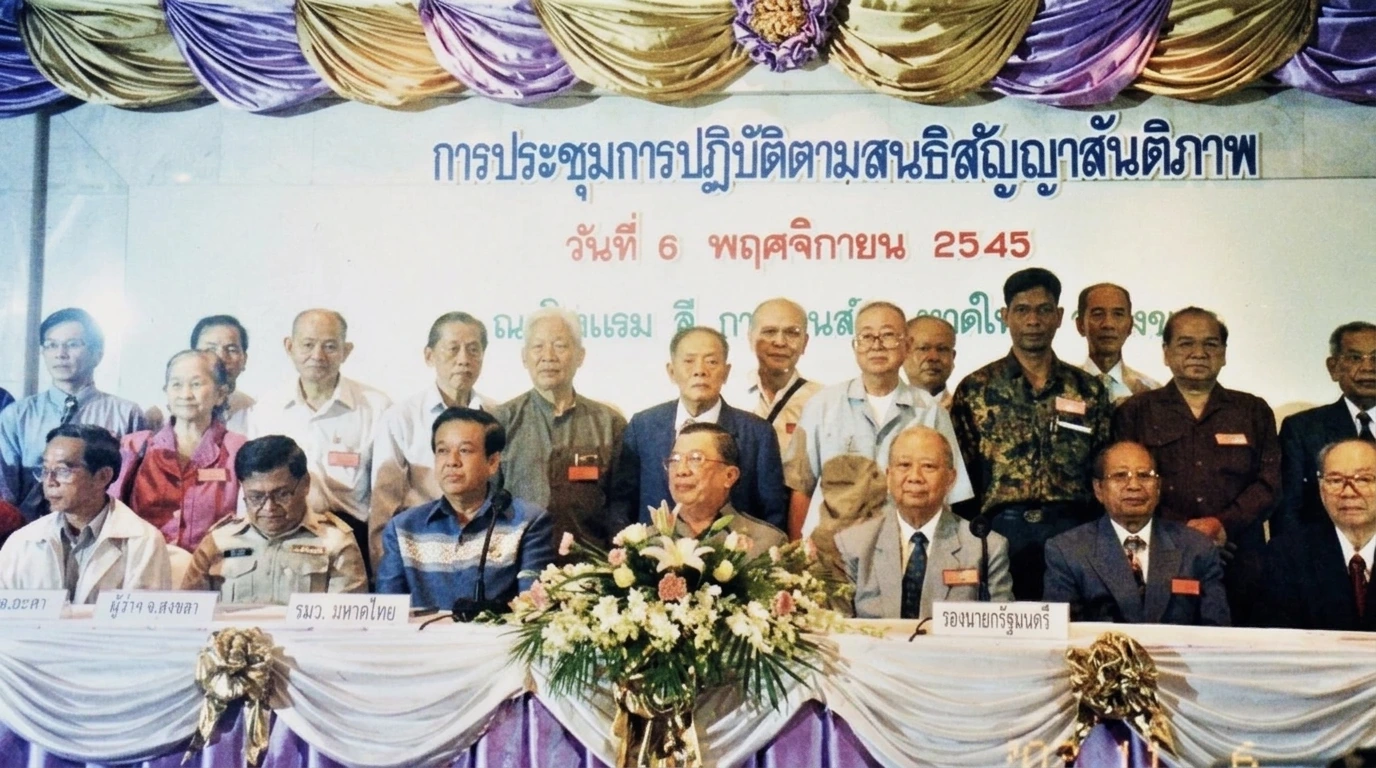
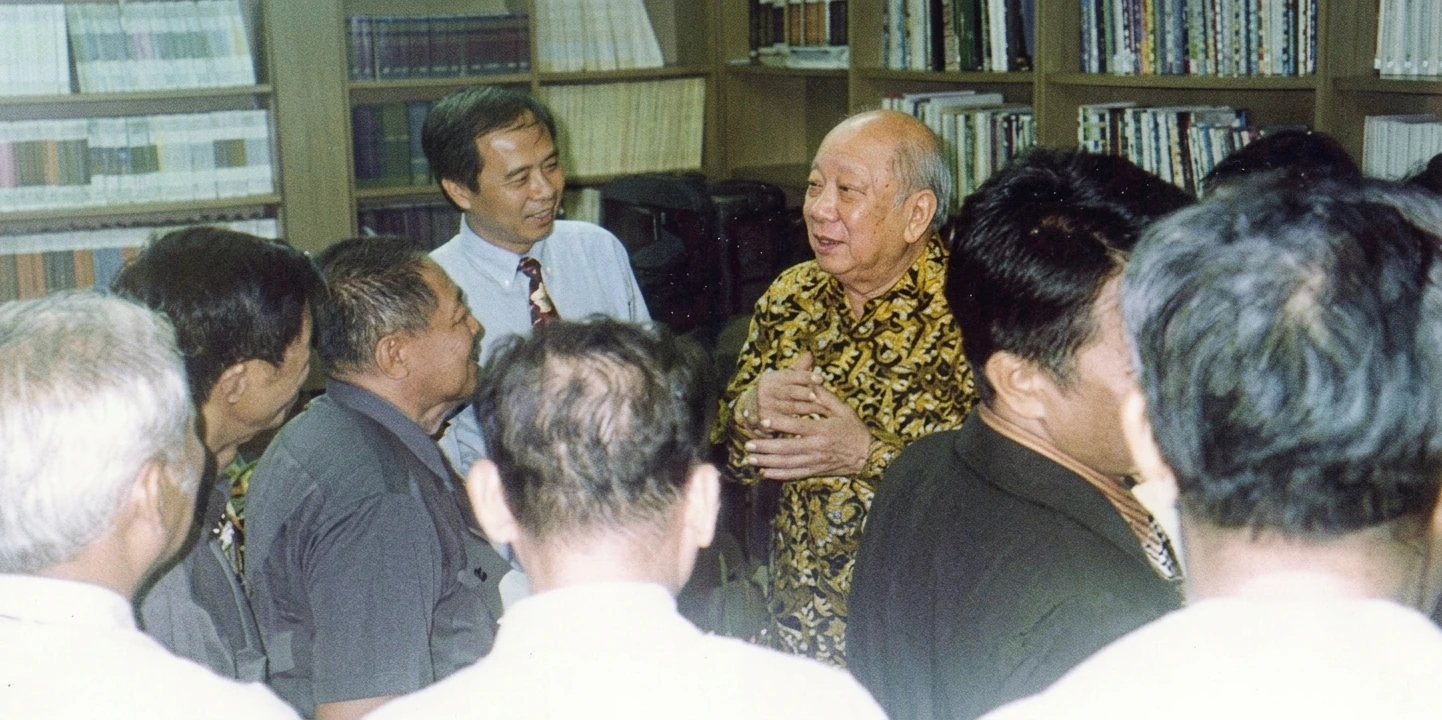
曼谷会议的破冰之举,直接迎来了两派老战士跨越世纪的世纪大和解。2002年11月6日,规格空前的“合艾协议落实座谈会”在合艾隆重举行。泰国时任副总理差瓦立·永猜裕上将(当年签署合艾和平协议的泰军最高统帅)专程乘军用专机飞抵合艾出席,亲自主持为全体原马共留泰人员统筹办理泰国身份证的启动仪式。
会场内外,洋溢着三十余年来从未有过的温暖春意。来自和平村(马共中央主力)与友谊村(原八支、二区所部)的数百名老战士、老战友、老军属紧紧拥抱在一起,热泪盈眶。座谈会结束后,差瓦立副总理、泰国军政官员与和平村、友谊村的全体成员簇拥着陈平,在合艾会场留下了震撼历史的世纪大合影;而当年挑起分裂的张忠民、黄一江则在正义与真理的光芒下自惭形秽,悄悄避开人群离去。
在全体老战士的热烈欢呼声中,陈平健步走上讲台,发表了这篇载入史册、抚平一切历史伤痛的长者讲话:
“从今以后,不要再分你我。大家要团结,不要再讲另一方坏话。大家都是同志!今后大家要互相来往,做生意找生活应互相帮助。两年前合艾水灾,使我看到友谊村的同志互相关心协助;我们方面比较差,我们应向他们学习!我们现在要讲‘大公有私’,既要大公,也要照顾私人。公私有矛盾时,要先照顾公。现在我们不再搞革命,要把自己和家人的生活照顾好来!对有困难的,要帮助。这方面,领导上做不到,要靠大家!”
陈平这番质朴真挚、充满长者仁厚与领袖胸怀的演讲,赢得了全场排山倒海、经久不息的掌声与泪水。它彻底宣告了泰南密林长达三十五年之久的派系坚冰全面消融!恩怨与伤痕最终被真理、宽恕与阶级深情所化解。在泰南边陲的莽莽群山间,和平村与友谊村的老战士携手并肩,共同迈入了尊严、祥和与团结的新世纪长歌!
The deepest historical wounds require extraordinary statesmanship and magnanimity to heal. Following their 1987 surrender, members of the breakaway factions were settled by the Thai government in designated 'Friendship Villages' across Yala and Songkhla. Meanwhile, the CPM main force under the Central Committee settled in 'Peace Villages' following the 1989 Haadyai Peace Accord. Though physically proximate, a formidable psychological divide separated the communities for over a decade.
By the early 2000s, an acute existential crisis struck the Friendship Villages: because the splinter factions had surrendered unilaterally in 1987, they were completely excluded from the legal protections of the 1989 Haadyai Peace Agreement. Hundreds of former combatants and their children found themselves stateless, unable to secure Thai identification cards, own land, or access formal employment. Their plight demanded decisive leadership from the one person with the moral and legal authority to act: Chin Peng.
In August 2002, Thai Minister of the Interior Wan Muhammad Noor Matha convened a landmark quadripartite summit in Bangkok. Attendees included the original Thai signatories of the Haadyai Accord, Chin Peng, and the former leaders of the dissident factions, Zhang Zhong Min and Huang Yi Jiang.
During tense deliberations, Zhang and Huang sought to maintain their factional identities on the citizenship petitions. Chin Peng intervened with unyielding political principle and moral authority. He made it unequivocal that the Thai government could only extend special naturalization rights by invoking the legally binding provisions of the Haadyai Peace Accord. Therefore, Zhang and Huang were strictly required to sign solely under their original CPM appointments—as Commander of the 12th Regiment's 2nd District and Commander of the 8th Regiment respectively. Should they attempt to sign under their splinter designations, Chin Peng affirmed that he would immediately refuse to endorse the accord.
Confronting Zhang and Huang directly, Chin Peng pronounced words that reverberate through Malayan history: 'If this were for the leaders of your breakaway faction, I would never put my name to it. But the hundreds of fighters under your command are innocent; they were once my own men, and it is for them that I will sign.' Submitting to Chin Peng's insistence, the factional heads signed as directed, ensuring Thai citizenship for every last guerrilla fighter.
The breakthrough in Bangkok culminated three months later in an unforgettable emotional reunion. On November 6, 2002, the Thai government convened the Forum on Implementing the Haadyai Accord. General Chavalit Yongchaiyudh, former Supreme Commander and then-Deputy Prime Minister of Thailand, flew in personally to officiate the mass issuance of Thai citizenship and national identification cards.
Generations of fighters from both the Peace Villages and Friendship Villages embraced with tears of relief, finally bridging a 35-year separation. Following the forum, hundreds of veterans assembled with General Chavalit and Chin Peng for a triumphant, unified portrait, while the discredited factional leaders slipped away unnoticed.
Stepping to the rostrum, Chin Peng addressed the united gathering with profound magnanimity and practical wisdom: 'From now on, let us no longer divide ourselves. We must stay united and not speak ill of one another—we are all comrades! We should stay in contact and help each other in our livelihoods. During the Hat Yai flood two years ago, I saw the comrades in Friendship Village care for and assist one another. We are still lacking in this; we should learn from them! We must uphold both public and private responsibilities. While we must put the collective first, we should still care for individuals. We are no longer waging revolution. We must take care of our own lives and families. Those in difficulty should be helped. In this matter, leadership alone cannot do everything; it depends on everyone!'
Chin Peng's heartfelt address dissolved the final remnants of factional bitterness. In the serene borderlands of southern Thailand, the veterans of the Peace and Friendship Villages walked forward as one family, proving that truth, historical accountability, and human solidarity transcend the deepest scars of revolutionary history.
历史的伤痕需要伟大的胸怀来彻底弥合。1987年昔罗与勿洞二区分裂派下山后,被泰国政府分散安置在也拉与宋卡边境建立的“友谊村”(Friendship Villages)。而1989年随同马共中央在合艾签署和平协议的主力部队指战员,则集中在也拉与勿洞建立的“和平村”(Peace Villages)安家立业。尽管两派战士在空间上逐渐比邻而居,但在长达十余年的时间里,一条无形的政治鸿沟与心理坚冰依然横亘在彼此心间。
更为致命的生存危机在步入2000年代后骤然爆发:由于八支与十二支二区分裂武装在1987年属于单方面私自投降,根本没有参与1989年马、泰、马共三方签署的《合艾和平协议》,因此无法直接援引合艾协议中关于解决马共留泰人员泰国国籍与身份证的特殊法律条文。友谊村数百名下山老战士与其眷属沦为没有国籍、缺乏法律身份认同的黑户人群,在就业、置产与子女求学上面临寸步难行的困境。眼看数百名昔日阶级弟兄陷入绝境,历史的考验再次降临到陈平的肩头。
The deepest historical wounds require extraordinary statesmanship and magnanimity to heal. Following their 1987 surrender, members of the breakaway factions were settled by the Thai government in designated 'Friendship Villages' across Yala and Songkhla. Meanwhile, the CPM main force under the Central Committee settled in 'Peace Villages' following the 1989 Haadyai Peace Accord. Though physically proximate, a formidable psychological divide separated the communities for over a decade.
By the early 2000s, an acute existential crisis struck the Friendship Villages: because the splinter factions had surrendered unilaterally in 1987, they were completely excluded from the legal protections of the 1989 Haadyai Peace Agreement. Hundreds of former combatants and their children found themselves stateless, unable to secure Thai identification cards, own land, or access formal employment. Their plight demanded decisive leadership from the one person with the moral and legal authority to act: Chin Peng.
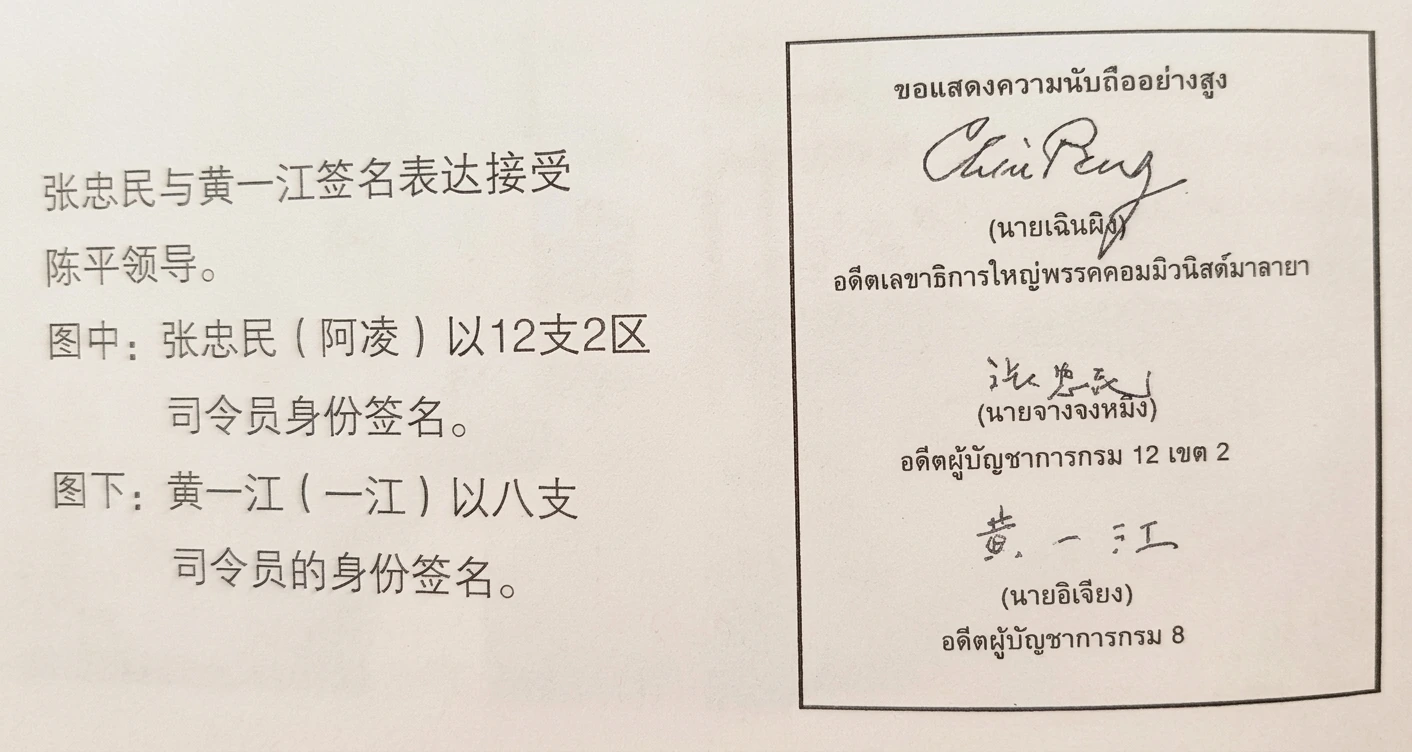
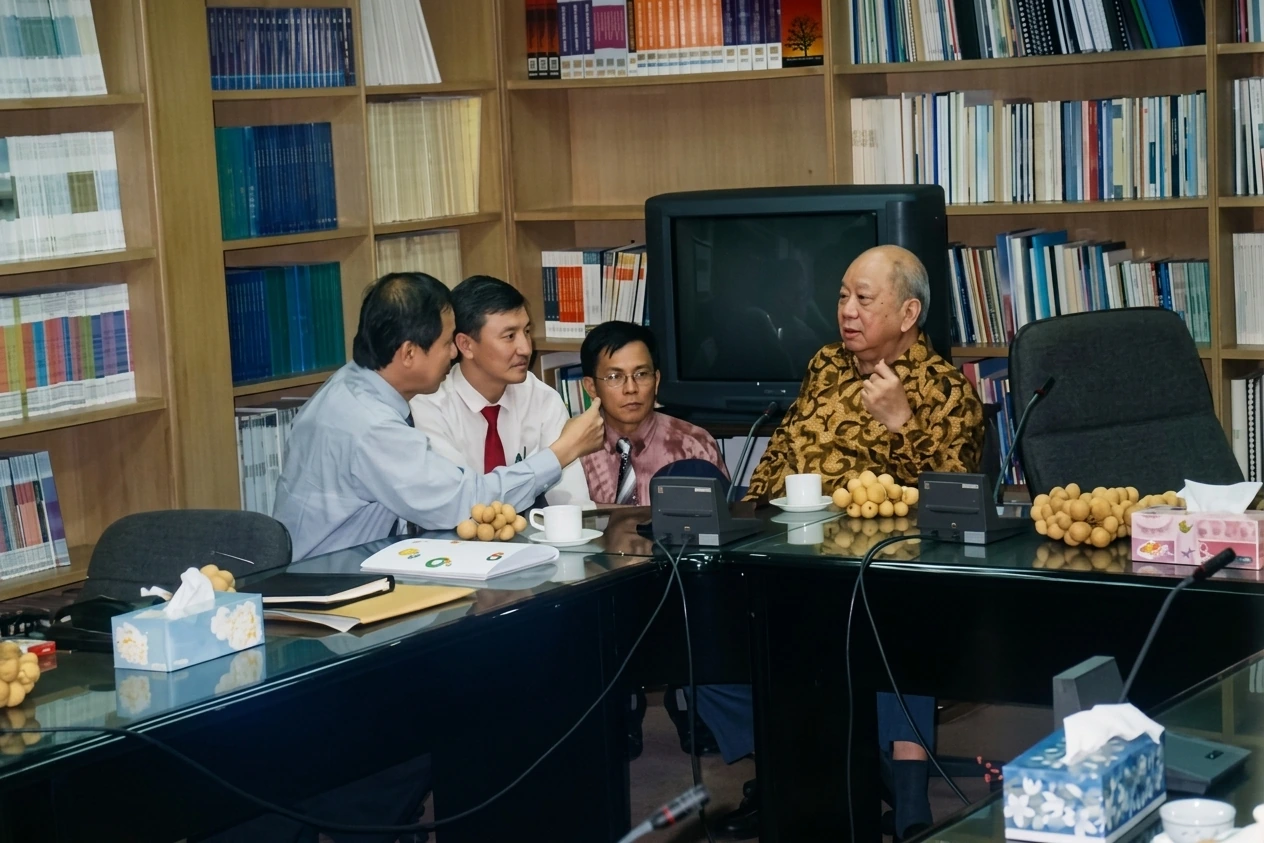
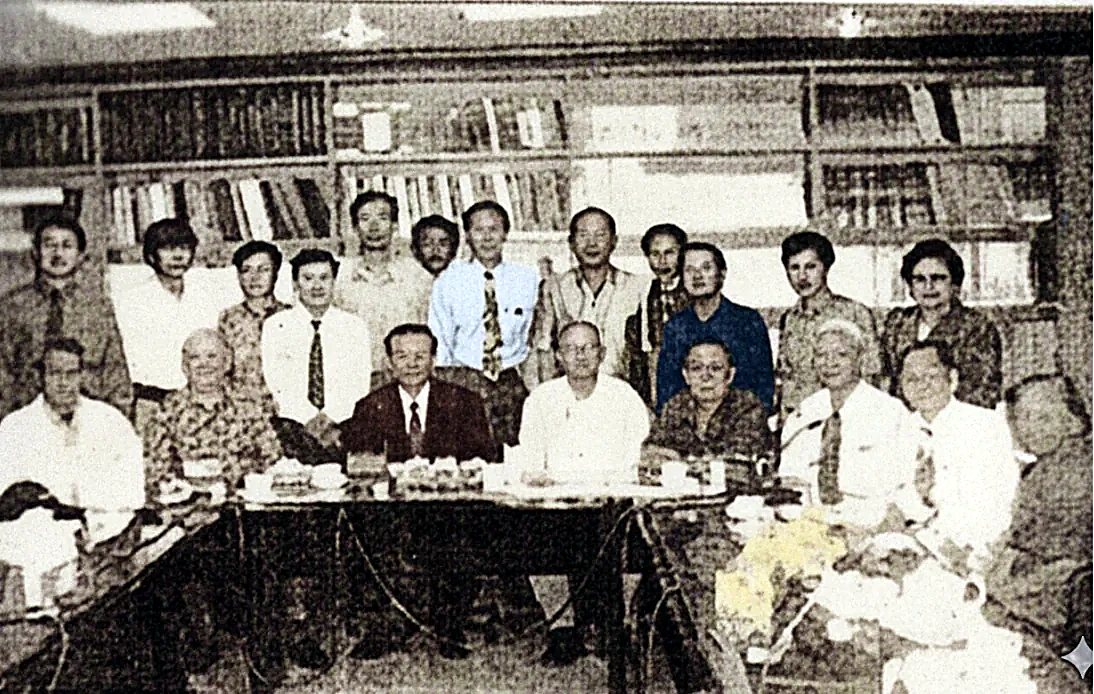
2002年8月,在《合艾和平协议》签署十三周年之际,为了彻底攻克这一历史沉疴,时任泰国内政部长万那穆罕默·诺尔·马塔在曼谷内政部大楼亲自召集四方最高会议。与会各方不仅包括当年代表泰国政府在合艾协议上签字的军政高级将领、陈平,更罕见地召来了“马列派”原头目张忠民和“革命派”原头目黄一江。
在决定几百名战士命运的谈判席上,张忠民、黄一江一度仍企图以所谓独立派系名义签署文件,妄图保留其分裂招牌。陈平同志拍案而起,展现了无产阶级领袖洞若观火的政治原则与浩然正气!陈平极其严正地向泰国军政首脑与两派头目宣布:泰国内政部必须且只能援引《合艾和平协议》具备国际法律效力的特赦条款来解决国籍;张忠民和黄一江必须放弃一切非法的分裂党派头衔,分别老老实实以原马共第十二支队第二区司令员、第八支队司令员的原编制身份在申请转籍公文上签字!陈平明确警告泰方与两派头头:如果有人敢以‘革命派’或‘马列派’的非法名目签字,他陈平绝不在担保文件上签字!
陈平当着张忠民和黄一江的面,掷地有声地说出了这句震撼全场的历史名言:“如果是为你们几个分裂派头头做的话,我绝不会签这个字,但你们手下几百名战士是无辜的,他们也曾经是我的部下,为了他们,我才会签这个字!”最终,在陈平与泰国军政高层的坚持下,张忠民与黄一江低下头颅,依令签署。困扰数百名受蒙蔽战士十余年之久的国籍与合法身份证问题迎刃而解!
In August 2002, Thai Minister of the Interior Wan Muhammad Noor Matha convened a landmark quadripartite summit in Bangkok. Attendees included the original Thai signatories of the Haadyai Accord, Chin Peng, and the former leaders of the dissident factions, Zhang Zhong Min and Huang Yi Jiang.
During tense deliberations, Zhang and Huang sought to maintain their factional identities on the citizenship petitions. Chin Peng intervened with unyielding political principle and moral authority. He made it unequivocal that the Thai government could only extend special naturalization rights by invoking the legally binding provisions of the Haadyai Peace Accord. Therefore, Zhang and Huang were strictly required to sign solely under their original CPM appointments—as Commander of the 12th Regiment's 2nd District and Commander of the 8th Regiment respectively. Should they attempt to sign under their splinter designations, Chin Peng affirmed that he would immediately refuse to endorse the accord.
Confronting Zhang and Huang directly, Chin Peng pronounced words that reverberate through Malayan history: 'If this were for the leaders of your breakaway faction, I would never put my name to it. But the hundreds of fighters under your command are innocent; they were once my own men, and it is for them that I will sign.' Submitting to Chin Peng's insistence, the factional heads signed as directed, ensuring Thai citizenship for every last guerrilla fighter.
“如果是为你们几个分裂派头头做的话,我绝不会签这个字,但你们手下几百名战士是无辜的,他们也曾经是我的部下,为了他们,我才会签这个字。”"If this were for the leaders of your breakaway faction, I would never put my name to it. But the hundreds of fighters under your command are innocent, they were once my own men, and it is for them that I will sign."— 陈平(2002年8月于曼谷四方最高会议当面直言) | Chin Peng (Bangkok Quadripartite Conference, August 2002)
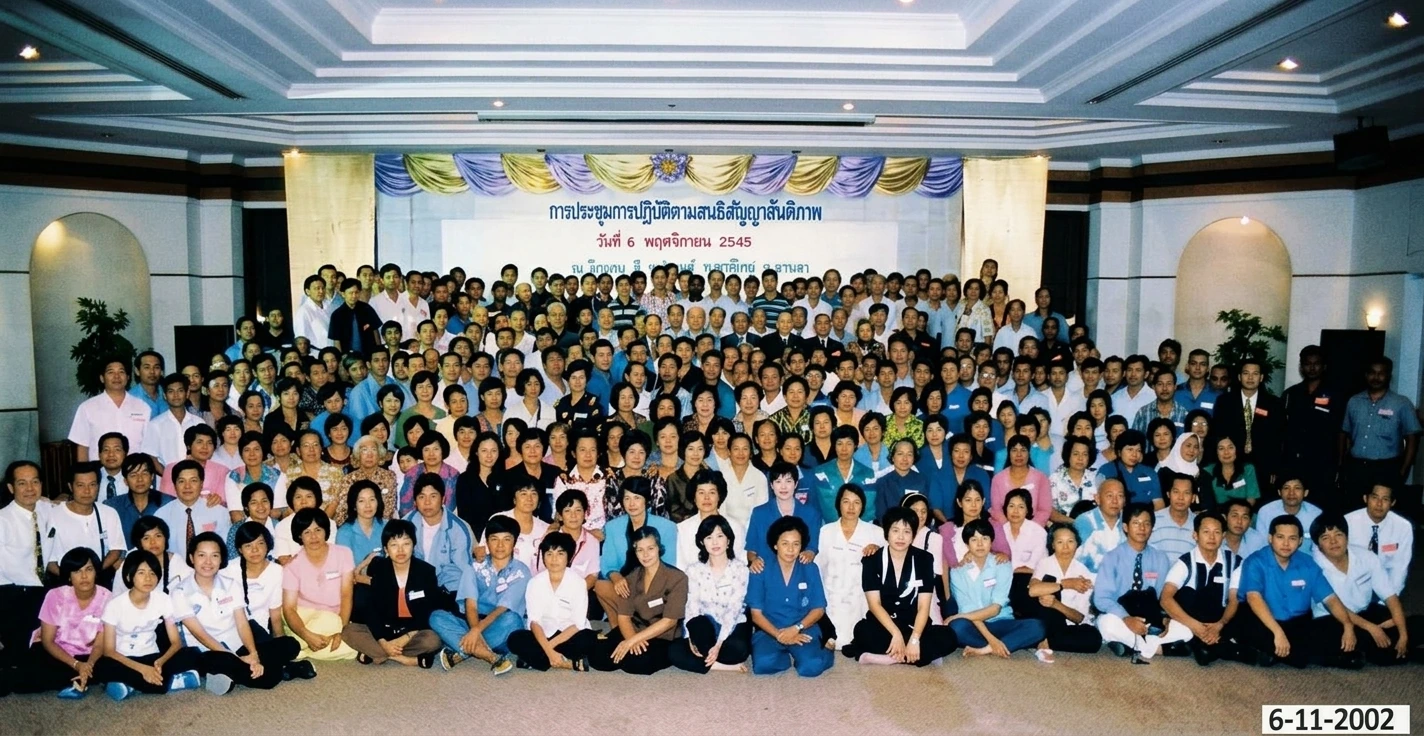
曼谷会议的破冰之举,直接迎来了两派老战士跨越世纪的世纪大和解。2002年11月6日,规格空前的“合艾协议落实座谈会”在合艾隆重举行。泰国时任副总理差瓦立·永猜裕上将(当年签署合艾和平协议的泰军最高统帅)专程乘军用专机飞抵合艾出席,亲自主持为全体原马共留泰人员统筹办理泰国身份证的启动仪式。
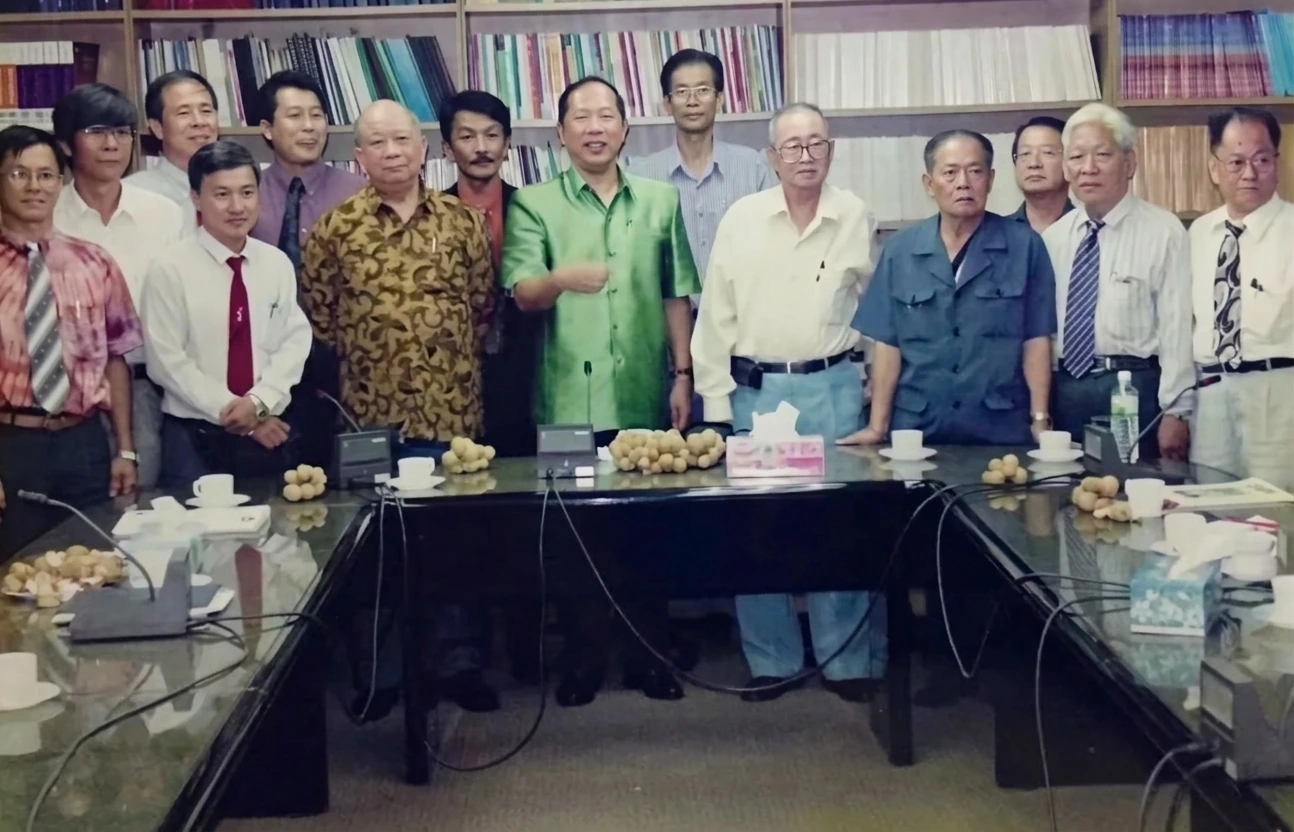
会场内外,洋溢着三十余年来从未有过的温暖春意。来自和平村(马共中央主力)与友谊村(原八支、二区所部)的数百名老战士、老战友、老军属紧紧拥抱在一起,热泪盈眶。座谈会结束后,差瓦立副总理、泰国军政官员与和平村、友谊村的全体成员簇拥着陈平,在合艾会场留下了震撼历史的世纪大合影;而当年挑起分裂的张忠民、黄一江则在正义与真理的光芒下自惭形秽,悄悄避开人群离去。
在全体老战士的热烈欢呼声中,陈平健步走上讲台,发表了这篇载入史册、抚平一切历史伤痛的长者讲话:
“从今以后,不要再分你我。大家要团结,不要再讲另一方坏话。大家都是同志!今后大家要互相来往,做生意找生活应互相帮助。两年前合艾水灾,使我看到友谊村的同志互相关心协助;我们方面比较差,我们应向他们学习!我们现在要讲‘大公有私’,既要大公,也要照顾私人。公私有矛盾时,要先照顾公。现在我们不再搞革命,要把自己和家人的生活照顾好来!对有困难的,要帮助。这方面,领导上做不到,要靠大家!”
陈平这番质朴真挚、充满长者仁厚与领袖胸怀的演讲,赢得了全场排山倒海、经久不息的掌声与泪水。它彻底宣告了泰南密林长达三十五年之久的派系坚冰全面消融!恩怨与伤痕最终被真理、宽恕与阶级深情所化解。在泰南边陲的莽莽群山间,和平村与友谊村的老战士携手并肩,共同迈入了尊严、祥和与团结的新世纪长歌!
The breakthrough in Bangkok culminated three months later in an unforgettable emotional reunion. On November 6, 2002, the Thai government convened the Forum on Implementing the Haadyai Accord. General Chavalit Yongchaiyudh, former Supreme Commander and then-Deputy Prime Minister of Thailand, flew in personally to officiate the mass issuance of Thai citizenship and national identification cards.
Generations of fighters from both the Peace Villages and Friendship Villages embraced with tears of relief, finally bridging a 35-year separation. Following the forum, hundreds of veterans assembled with General Chavalit and Chin Peng for a triumphant, unified portrait, while the discredited factional leaders slipped away unnoticed.
Stepping to the rostrum, Chin Peng addressed the united gathering with profound magnanimity and practical wisdom: 'From now on, let us no longer divide ourselves. We must stay united and not speak ill of one another—we are all comrades! We should stay in contact and help each other in our livelihoods. During the Hat Yai flood two years ago, I saw the comrades in Friendship Village care for and assist one another. We are still lacking in this; we should learn from them! We must uphold both public and private responsibilities. While we must put the collective first, we should still care for individuals. We are no longer waging revolution. We must take care of our own lives and families. Those in difficulty should be helped. In this matter, leadership alone cannot do everything; it depends on everyone!'
Chin Peng's heartfelt address dissolved the final remnants of factional bitterness. In the serene borderlands of southern Thailand, the veterans of the Peace and Friendship Villages walked forward as one family, proving that truth, historical accountability, and human solidarity transcend the deepest scars of revolutionary history.
“从今以后,不要再分你我。大家要团结,不要再讲另一方坏话。大家都是同志。
今后大家要互相来往。做生意找生活应互相帮助。两年前合艾水灾,使我看到‘友谊村’的同志互相关心协助。我们方面比较差,我们应向他们学习。
我们现在要讲‘大公有私’。既要大公,也要照顾私人。公私有矛盾时,要先照顾公。
现在我们不再搞革命,要把自己和家人的生活照顾好来。对有困难的,要帮助。这方面,领导上做不到,要靠大家。”"From now on, let us no longer divide ourselves. We must stay united and not speak ill of one another—we are all comrades.— 陈平(2002年11月6日合艾和平协议落实座谈会历史性总结发言) | Chin Peng (Haadyai Peace Forum Closing Address, 6 November 2002)
We should stay in contact and help each other in our livelihoods. During the Hat Yai flood two years ago, I saw the comrades in Friendship Village care for and assist one another. We are still lacking in this; we should learn from them.
We must uphold both public and private responsibilities. While we must put the collective first, we should still care for individuals. When public and private interests conflict, the public must come first.
We are no longer waging revolution. We must take care of our own lives and families. Those in difficulty should be helped. In this matter, leadership alone cannot do everything; it depends on everyone."