第29集:陈平的世纪反思:从实兆远反殖觉醒、丛林抗英苦战到超越胜败的思想遗产(1924年-2013年)
Episode 29: Chin Peng's Reflections: From Anti-Colonial Awakening in Sitiawan and Jungle Warfare to a Philosophical Legacy Beyond Victory and Defeat (1924–2013)
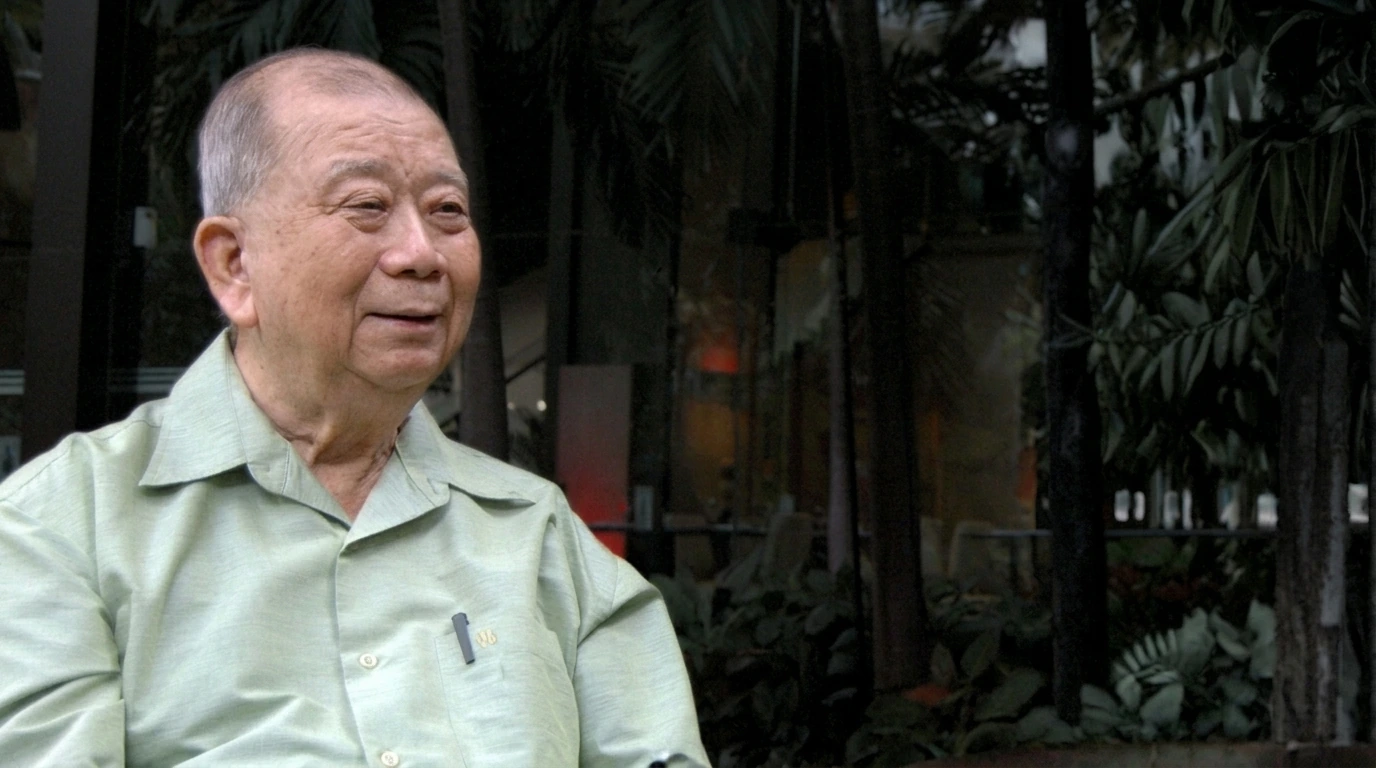
在二十世纪东南亚波澜壮阔的反殖民主义民族解放运动史上,马来亚共产党中央委员会总书记陈平(原名王文华,1924年10月21日-2013年9月16日)跨越八十九载的革命人生,完整浓缩了一代南洋觉醒青年回应时代呼声、投身丛林烽火、拒斥帝国招安、在生死存亡关头催生马来亚独立,最终促成体面和平并留下深邃历史哲思的世纪轨迹。从三十年代吡叻实兆远目睹英国殖民统治傲慢剥削而确立共产主义信仰,到十七岁毅然踏入抗日密林、代表马共同英军136部队缔结《美罗协议》;从二战胜利后弃绝大英帝国官佐勋章(OBE)与优渥洋房的世俗名利、二十二岁临危受命清算内奸莱特右倾投降主义路线,到统领大英帝国二十世纪持续时间最长、规模最大的十二年反殖游击战争;从1955年华玲和谈桌上誓死捍卫战友尊严、以停止敌对行动之庄严承诺迫使白厅提前交出马来亚独立政权,到1989年于合艾蠡园酒店签署不带一字“投降”的《合艾和平协议》、主持1990年《平反协议书》与2002年曼谷世纪大和解。晚年陈平在堪培拉澳洲国立大学、新加坡东南亚研究院及《陈平的反思》文献档案中,不仅坦荡总结了追求社会平等正义的终生信仰与摒弃教条主义的务实演进,更向沉溺于贪婪与物质主义的现代社会发出了振聋发聩的警世箴言:最终,所有文明只能回归于无价的价值观。
In the twentieth-century history of anti-colonial national liberation movements across Southeast Asia, the eighty-nine-year revolutionary journey of Chin Peng (born Ong Boon Hua, October 21, 1924 – September 16, 2013), General Secretary of the Central Committee of the Communist Party of Malaya (CPM), encapsulates the trajectory of an awakened generation: answering the clamour of a stark colonial age, entering the anti-fascist rainforest, spurning imperial enticements, accelerating national independence through twelve years of guerrilla warfare, securing an honorable peace, and leaving behind profound philosophical reflections. From his teenage awakening in Sitiawan amidst British colonial disdain to entering the Perak jungle at seventeen and forging the Bidor Agreement with Force 136; from rejecting an OBE and comfortable bungalows to unmasking triple agent Lai Te at twenty-two and leading the longest, largest guerrilla war in the twentieth-century British Empire; from refusing to humiliate his comrades at the 1955 Baling Talks while dismantling Whitehall's pretext for colonial rule, to signing the honorable 1989 Haadyai Peace Accord at the Lee Gardens Hotel and spearheading the 1990 Redress Agreement and 2002 Bangkok reconciliation. In his later dialogues with historians at ANU Canberra and ISEAS Singapore and in his archival reflections, Chin Peng articulated candid insights on socialism, historical accountability, and the perils of modern greed and materialism—affirming that 'in the end, all civilisations can only return to priceless values.'
第一章:回应时代的呼声:实兆远少年的反殖觉醒与抗日入林(1924–1945)
Chapter 1: Answering the Clamour of the Time: Anti-Colonial Awakening in Sitiawan and Entering the Anti-Japanese Jungle (1924–1945)
每一代革命者的历史抉择,皆植根于其所处时代的深层社会矛盾与民族危机之中。1924年10月21日,陈平(原名王文华)出生于英属马来亚霹雳州曼绒县的华人垦殖聚落实兆远(Sitiawan)。二十世纪二三十年代的马来亚,表面上是大英帝国引以为傲的“美元摇钱树”,依靠橡胶种植园与锡矿开采为伦敦金融城输送着源源不断的超额利润;但在殖民统治的底层,各族胶工、矿工与农村青年却深陷于无政治权利、无劳动保障的森严等级桎梏之中(详见第1集)。面对后世生活在和平富裕年代、坐在个人电脑与手机屏幕前的年轻一代为何会对他青少年时期的革命抉择感到困惑,晚年陈平在历史反思中给出了极为透彻的回答:
陈平多次强调,他自十五岁接触进步书刊、1940年1月正式宣誓加入马来亚共产党,绝非出于狭隘的个人恩怨或一时冲动,而是源于对殖民地社会结构矛盾的客观审视与长期的思想自省。在那个黑白分明、没有任何灰色缓冲地带的殖民年代,当大英帝国的高官与种植园主以傲慢轻蔑的姿态俯视马来亚各族子民,当日本法西斯的铁蹄由中国大地一步步逼近南洋半岛,回应时代的呼声便成为一代觉醒青年不可推卸的历史天职。
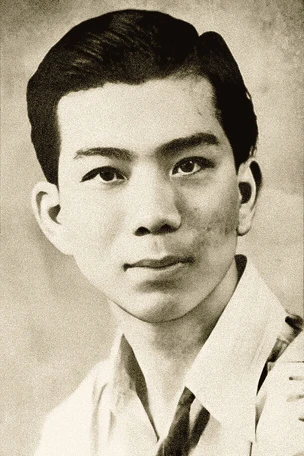
1941年12月8日,日军山下奉文第25军在哥打巴鲁强行登陆,英国远东舰队主力“威尔士亲王号”与“反击号”在短短四十八小时内覆灭;1942年2月15日,英军司令白思华中将在新加坡福特汽车厂签署投降书,八万余名英联邦军队沦为战俘(详见第2集)。在大英帝国殖民防线土崩瓦解的生死关头,年仅十七岁的陈平作出了改写一生命运的历史性抉择:他毅然告别实兆远的家园,踏入危机四伏的霹雳州原始热带雨林,投身组建马来亚人民抗日军(MPAJA)。
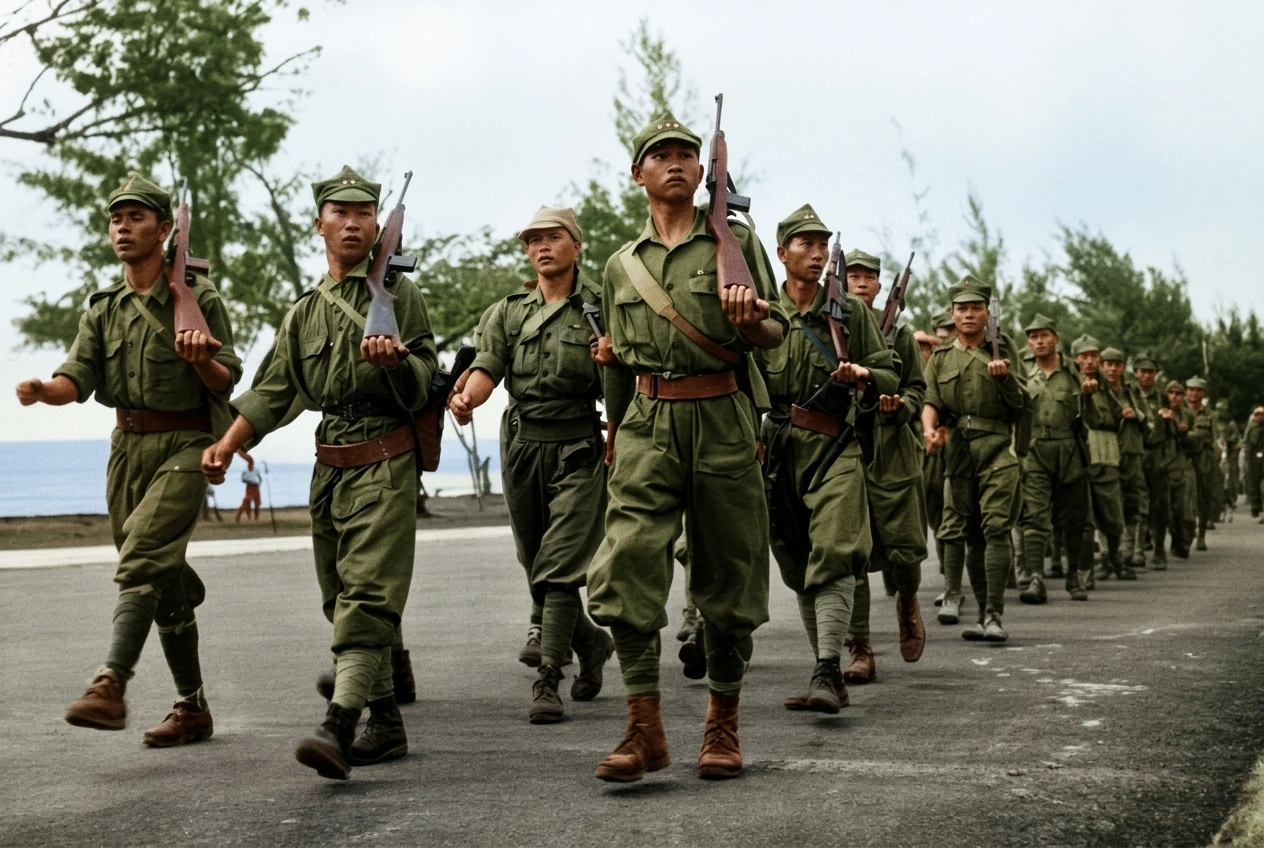
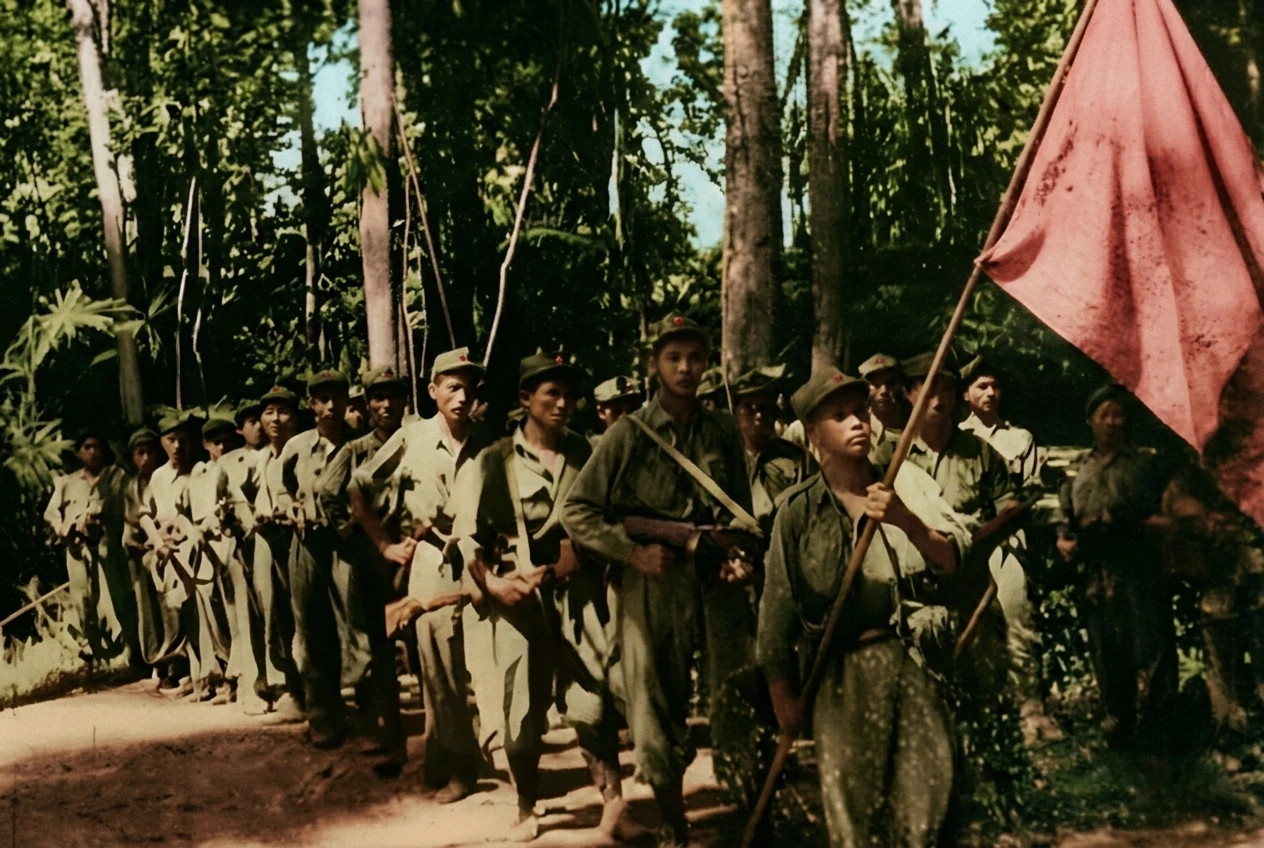
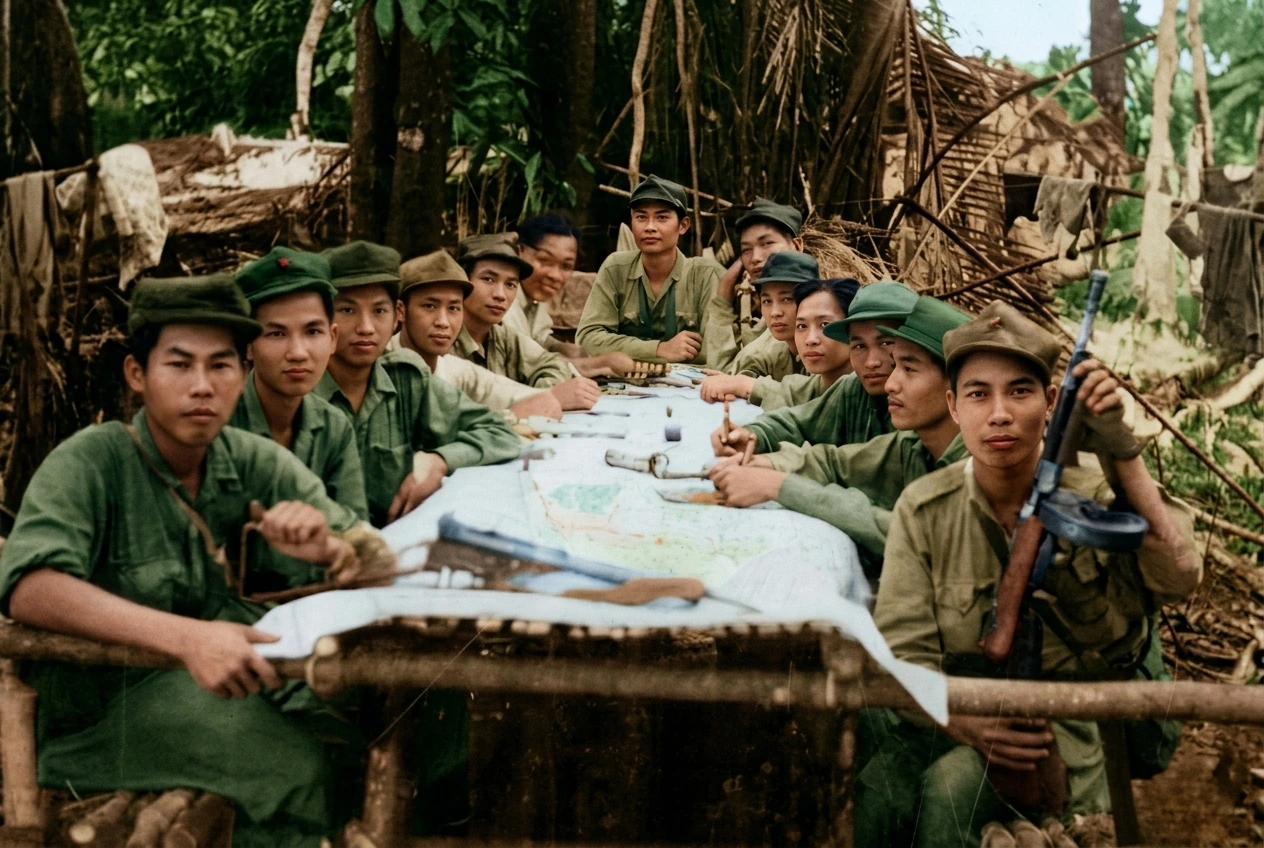
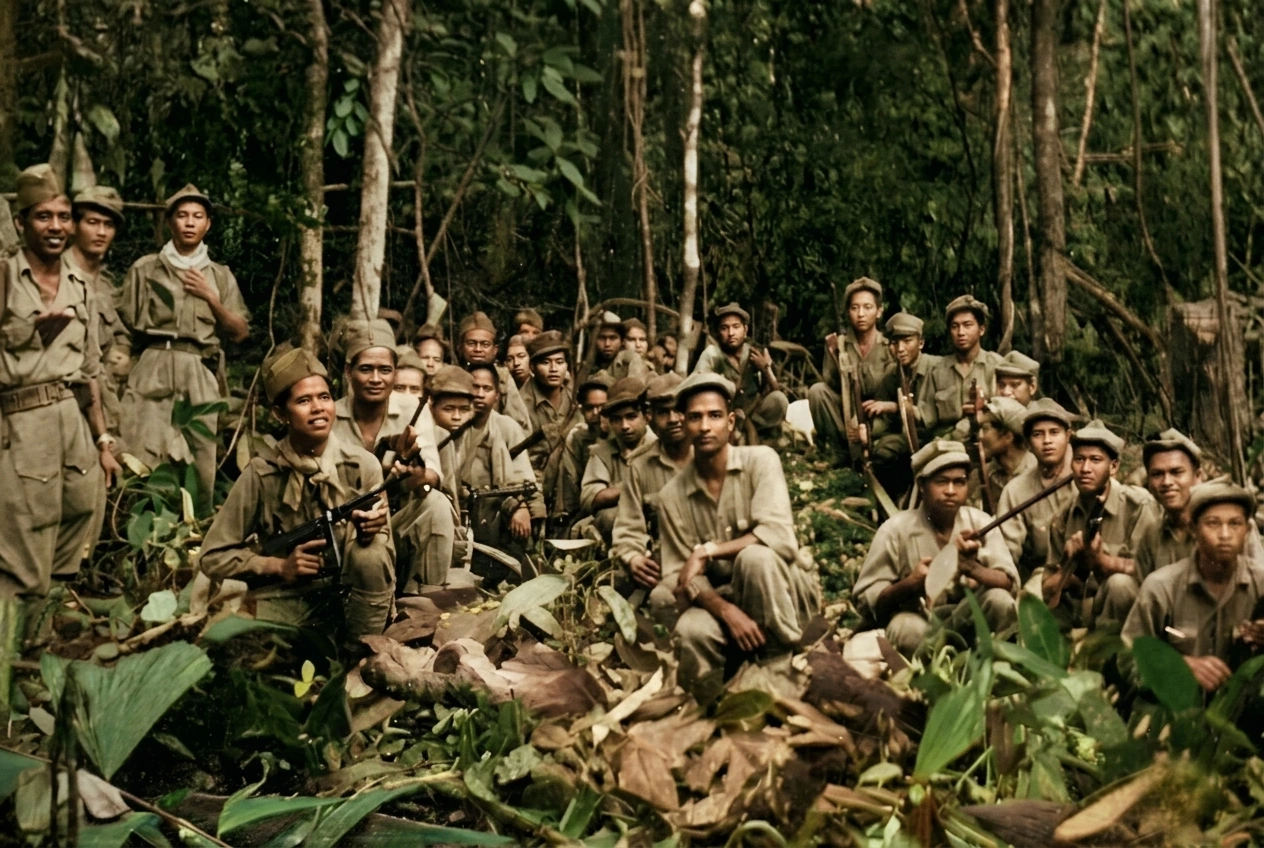
在长达三年零八个月的抗日卫马战争中,这位年轻的地下党干部经历了血与火的严酷淬炼。1942年9月1日,因内奸莱特向日本宪兵队秘密出卖,雪兰莪黑风洞爆发惨烈的“九一惨案”,马共第一代中央领导骨干与抗日军高级将领蒙受重大牺牲(详见第3集、第8集)。危难之际,未满二十岁的陈平临危受命,先后出任马共霹雳州委书记与中央联络重任。1943年12月30日至1944年1月初,陈平作为马共代表之一,在霹雳州美罗(Bidor)深山营地同英军136部队马来亚区首席联络官、战前英属马来联邦警官约翰·戴维斯上校(Col. John Davis)达成历史性的《美罗协议》(详见第4集)。他亲自组织东海岸与西海岸的秘密潜艇接应点及丛林空投场,为全马八支抗日军独立队建立起接收盟军武器、电台与医药补给的生命通道。当1945年8月日本无条件投降、人民抗日军指战员走出深山进驻全马城乡受到各族民众夹道欢呼时,年仅二十一岁的陈平已从一名实兆远中学生成长为威震半岛的反法西斯青年统帅。
Every generation's historical choices are forged within the structural contradictions and crises of its era. Born Ong Boon Hua on October 21, 1924, in the rural Perak settlement of Sitiawan, Chin Peng grew up in a colonial Malaya that functioned as the British Empire's premier 'dollar arsenal' through rubber estates and tin mines, yet subjected its multi-ethnic laborers and rural youth to rigid racial hierarchy and economic deprivation (Episode 1). Addressing modern youth who have known only stable governments and digital affluence, Chin Peng reflected candidly on the stark realities that shaped his teenage resolve:
Chin Peng emphasized that his decision to join the Communist Party of Malaya (CPM) in January 1940 at age fifteen was not born of personal slights, but of objective scrutiny and years of intellectual introspection. In a colonial world devoid of muted shades of gray, where British officials looked down dismissively upon local communities and Japanese fascist aggression loomed over Southeast Asia, answering the clamour of the time became an inescapable moral obligation for his generation.
When General Tomoyuki Yamashita's 25th Army landed at Kota Bharu on December 8, 1941, sinking HMS Prince of Wales and HMS Repulse within forty-eight hours and forcing Lieutenant-General Arthur Percival's surrender of over 80,000 Commonwealth troops in Singapore on February 15, 1942 (Episode 2), seventeen-year-old Chin Peng made the life-defining decision to leave behind his hometown of Sitiawan, enter the Perak rainforest, and help organize the Malayan People's Anti-Japanese Army (MPAJA).
Across three years and eight months of anti-fascist guerrilla warfare, the young revolutionary was tempered in the crucible of life and death. Following the September 1, 1942 Batu Caves massacre engineered by triple agent Lai Te's betrayal to the Japanese Kempeitai (Episodes 3 and 8), Chin Peng—still in his teens—assumed leadership of the Perak State Committee. At the turn of 1943–1944, in the deep jungle hills of Bidor, Perak, Chin Peng joined negotiations with Force 136 Chief Malaya Liaison Officer Col. John Davis (a pre-war Federated Malay States Police officer) to forge the historic Bidor Agreement (Episode 4). Coordinating clandestine submarine landings and hundreds of Allied supply airdrops across the peninsula for the eight Independent Regiments of the MPAJA, twenty-one-year-old Chin Peng emerged at Japan's surrender in August 1945 as a battle-tested anti-fascist commander.
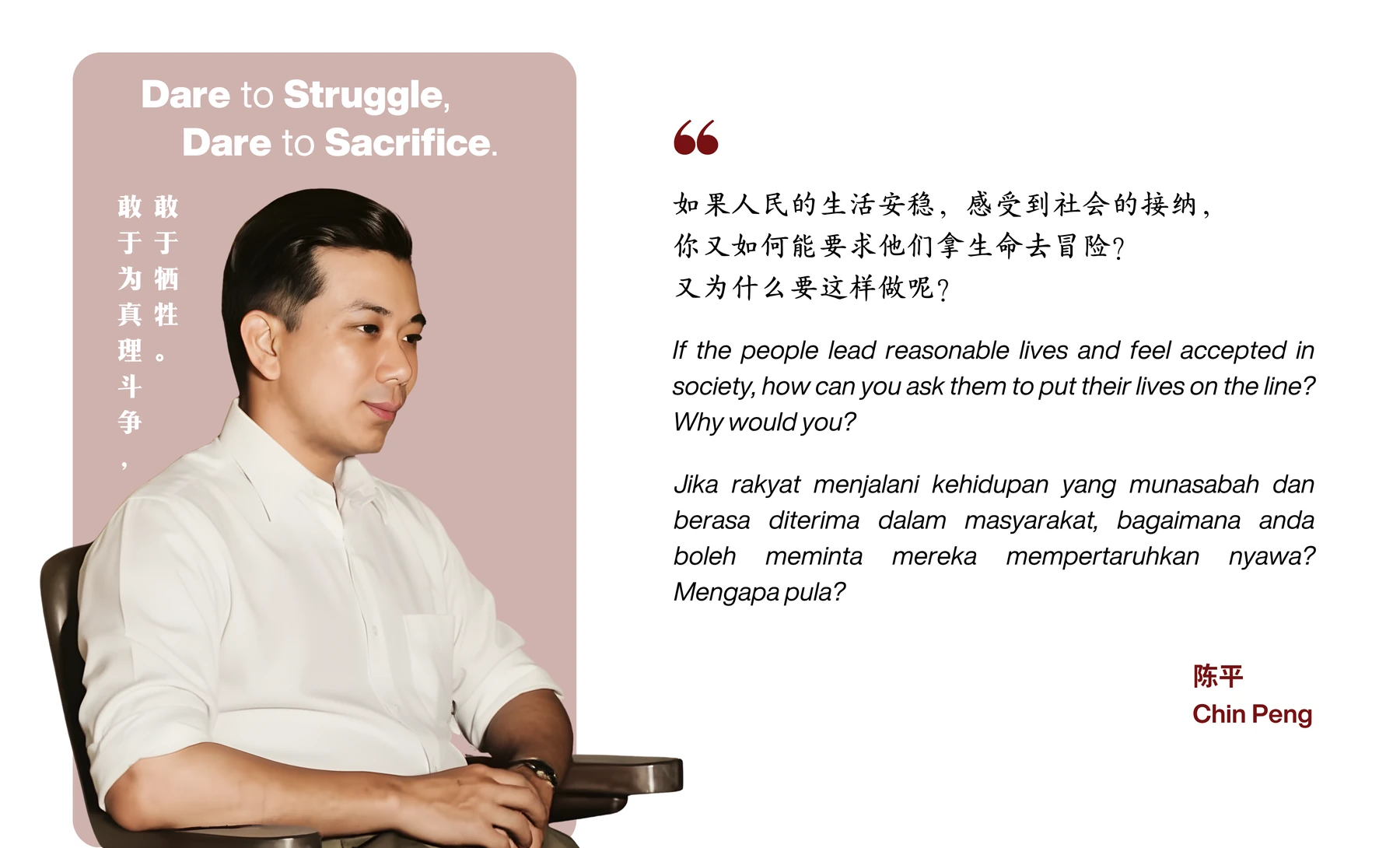
敢于为真理斗争,敢于牺牲。
如果人民的生活安稳,感受到社会的接纳,
你又如何能要求他们拿生命去冒险?
又为什么要这样做呢?Dare to struggle, dare to sacrifice.— 陈平 | Chin Peng
If the people lead reasonable lives and feel accepted in society,
how can you ask them to put their lives on the line?
Why would you?
每一代革命者的历史抉择,皆植根于其所处时代的深层社会矛盾与民族危机之中。1924年10月21日,陈平(原名王文华)出生于英属马来亚霹雳州曼绒县的华人垦殖聚落实兆远(Sitiawan)。二十世纪二三十年代的马来亚,表面上是大英帝国引以为傲的“美元摇钱树”,依靠橡胶种植园与锡矿开采为伦敦金融城输送着源源不断的超额利润;但在殖民统治的底层,各族胶工、矿工与农村青年却深陷于无政治权利、无劳动保障的森严等级桎梏之中(详见第1集)。面对后世生活在和平富裕年代、坐在个人电脑与手机屏幕前的年轻一代为何会对他青少年时期的革命抉择感到困惑,晚年陈平在历史反思中给出了极为透彻的回答:
Every generation's historical choices are forged within the structural contradictions and crises of its era. Born Ong Boon Hua on October 21, 1924, in the rural Perak settlement of Sitiawan, Chin Peng grew up in a colonial Malaya that functioned as the British Empire's premier 'dollar arsenal' through rubber estates and tin mines, yet subjected its multi-ethnic laborers and rural youth to rigid racial hierarchy and economic deprivation (Episode 1). Addressing modern youth who have known only stable governments and digital affluence, Chin Peng reflected candidly on the stark realities that shaped his teenage resolve:
如果你生活在马来亚的乡村聚落,比如实兆远,亲眼看到三十年代英国殖民者如何轻蔑地对待我们这一群人。你就会比较容易理解,马来亚共产党为何会产生那样的吸引力。
我之所以投身其中,并不是因为一连串个人受辱的经历,而是源自客观的审视,以及多年在思想上的自我反省。
而如果你也经历过日本投降后那段由腐败的英国军事管制当局统治的恐怖时期,看到多年日军暴行之后弥漫其间的赤贫景象,并且观察过这一政权在马来亚各城镇和乡村究竟是怎样运作的,你就不会那么轻易地说,我本该冷静一点,选择一条更轻松的道路。If you had lived in a Malayan rural population centre like Sitiawan and observed how dismissive the British colonials were of our lot in the 1930s, you would find it easier to understand how the attraction of a Communist Party of Malaya could take hold.— 陈平 | Chin Peng
My involvement was not born of a series of personal slights, rather it was the result of objective scrutiny and years of intellectual introspection.
And if you had gone through the ghastly period of the corrupt British Military Administration immediately after the Japanese capitulation and seen the wholesale poverty that pervaded after years of Japanese atrocities, if you had watched how this administration worked in Malayan towns and villages, you would not be quick to say that I should have been cool-headed and taken an easier road.
殖民时代的色彩鲜明,没有任何柔和的色调或灰色地带可以提供慰藉或合理化一切。我年轻时所处的时代截然不同,它要求截然不同的应对方式。那些只晓得稳定政府,并生活在富裕独立时代的年轻人,会对我青少年时期所做的选择感到十分困惑。这是可以理解的。我年轻时所走过的路标,与他们在个人电脑上所遵循的路径相去甚远。他们会认为我在本书中谈及的马来亚是另一个世界,而他们的想法也并不算错。那确实是一个不同的世界。
如果你渴望有所作为,就有责任回应时代的呼声。每一代人都会塑造自己的梦想。我的这一代梦想着终结在马来亚的英国殖民统治。对此我深感自豪。The colours of that colonial world were stark. There were no muted hues and shades of gray to provide consolations and rationalisations. I was young in a very different age that demanded very different approaches. The youth who have known only stable governments and live in an independent age of affluence will find the choices I made as a teenager deeply puzzling. This is understandable. The way-points I traversed as a youth are far removed from those they follow in their personal computers. They will think the Malaya I talk about in this book is another world and they will not be far off the mark. It was a different world.— 陈平 | Chin Peng
If you yearn to make a difference, you become obligated to the clamour of your time. Every generation shapes its dreams. My generation dreamed of doing away with British colonialism in Malaya. I am proud of this fact.
陈平多次强调,他自十五岁接触进步书刊、1940年1月正式宣誓加入马来亚共产党,绝非出于狭隘的个人恩怨或一时冲动,而是源于对殖民地社会结构矛盾的客观审视与长期的思想自省。在那个黑白分明、没有任何灰色缓冲地带的殖民年代,当大英帝国的高官与种植园主以傲慢轻蔑的姿态俯视马来亚各族子民,当日本法西斯的铁蹄由中国大地一步步逼近南洋半岛,回应时代的呼声便成为一代觉醒青年不可推卸的历史天职。
1941年12月8日,日军山下奉文第25军在哥打巴鲁强行登陆,英国远东舰队主力“威尔士亲王号”与“反击号”在短短四十八小时内覆灭;1942年2月15日,英军司令白思华中将在新加坡福特汽车厂签署投降书,八万余名英联邦军队沦为战俘(详见第2集)。在大英帝国殖民防线土崩瓦解的生死关头,年仅十七岁的陈平作出了改写一生命运的历史性抉择:他毅然告别实兆远的家园,踏入危机四伏的霹雳州原始热带雨林,投身组建马来亚人民抗日军(MPAJA)。
在长达三年零八个月的抗日卫马战争中,这位年轻的地下党干部经历了血与火的严酷淬炼。1942年9月1日,因内奸莱特向日本宪兵队秘密出卖,雪兰莪黑风洞爆发惨烈的“九一惨案”,马共第一代中央领导骨干与抗日军高级将领蒙受重大牺牲(详见第3集、第8集)。危难之际,未满二十岁的陈平临危受命,先后出任马共霹雳州委书记与中央联络重任。1943年12月30日至1944年1月初,陈平作为马共代表之一,在霹雳州美罗(Bidor)深山营地同英军136部队马来亚区首席联络官、战前英属马来联邦警官约翰·戴维斯上校(Col. John Davis)达成历史性的《美罗协议》(详见第4集)。他亲自组织东海岸与西海岸的秘密潜艇接应点及丛林空投场,为全马八支抗日军独立队建立起接收盟军武器、电台与医药补给的生命通道。当1945年8月日本无条件投降、人民抗日军指战员走出深山进驻全马城乡受到各族民众夹道欢呼时,年仅二十一岁的陈平已从一名实兆远中学生成长为威震半岛的反法西斯青年统帅。
Chin Peng emphasized that his decision to join the Communist Party of Malaya (CPM) in January 1940 at age fifteen was not born of personal slights, but of objective scrutiny and years of intellectual introspection. In a colonial world devoid of muted shades of gray, where British officials looked down dismissively upon local communities and Japanese fascist aggression loomed over Southeast Asia, answering the clamour of the time became an inescapable moral obligation for his generation.
When General Tomoyuki Yamashita's 25th Army landed at Kota Bharu on December 8, 1941, sinking HMS Prince of Wales and HMS Repulse within forty-eight hours and forcing Lieutenant-General Arthur Percival's surrender of over 80,000 Commonwealth troops in Singapore on February 15, 1942 (Episode 2), seventeen-year-old Chin Peng made the life-defining decision to leave behind his hometown of Sitiawan, enter the Perak rainforest, and help organize the Malayan People's Anti-Japanese Army (MPAJA).
Across three years and eight months of anti-fascist guerrilla warfare, the young revolutionary was tempered in the crucible of life and death. Following the September 1, 1942 Batu Caves massacre engineered by triple agent Lai Te's betrayal to the Japanese Kempeitai (Episodes 3 and 8), Chin Peng—still in his teens—assumed leadership of the Perak State Committee. At the turn of 1943–1944, in the deep jungle hills of Bidor, Perak, Chin Peng joined negotiations with Force 136 Chief Malaya Liaison Officer Col. John Davis (a pre-war Federated Malay States Police officer) to forge the historic Bidor Agreement (Episode 4). Coordinating clandestine submarine landings and hundreds of Allied supply airdrops across the peninsula for the eight Independent Regiments of the MPAJA, twenty-one-year-old Chin Peng emerged at Japan's surrender in August 1945 as a battle-tested anti-fascist commander.
第二章:弃绝帝国勋章与锄奸整党:拒绝“耀眼成功”、清算内奸莱特与22岁执掌帅印(1945–1948)
Chapter 2: Spurning Imperial Honors and Purging Internal Betrayal: Rejecting the OBE, Unmasking Lai Te, and Assuming Leadership at Twenty-Two (1945–1948)
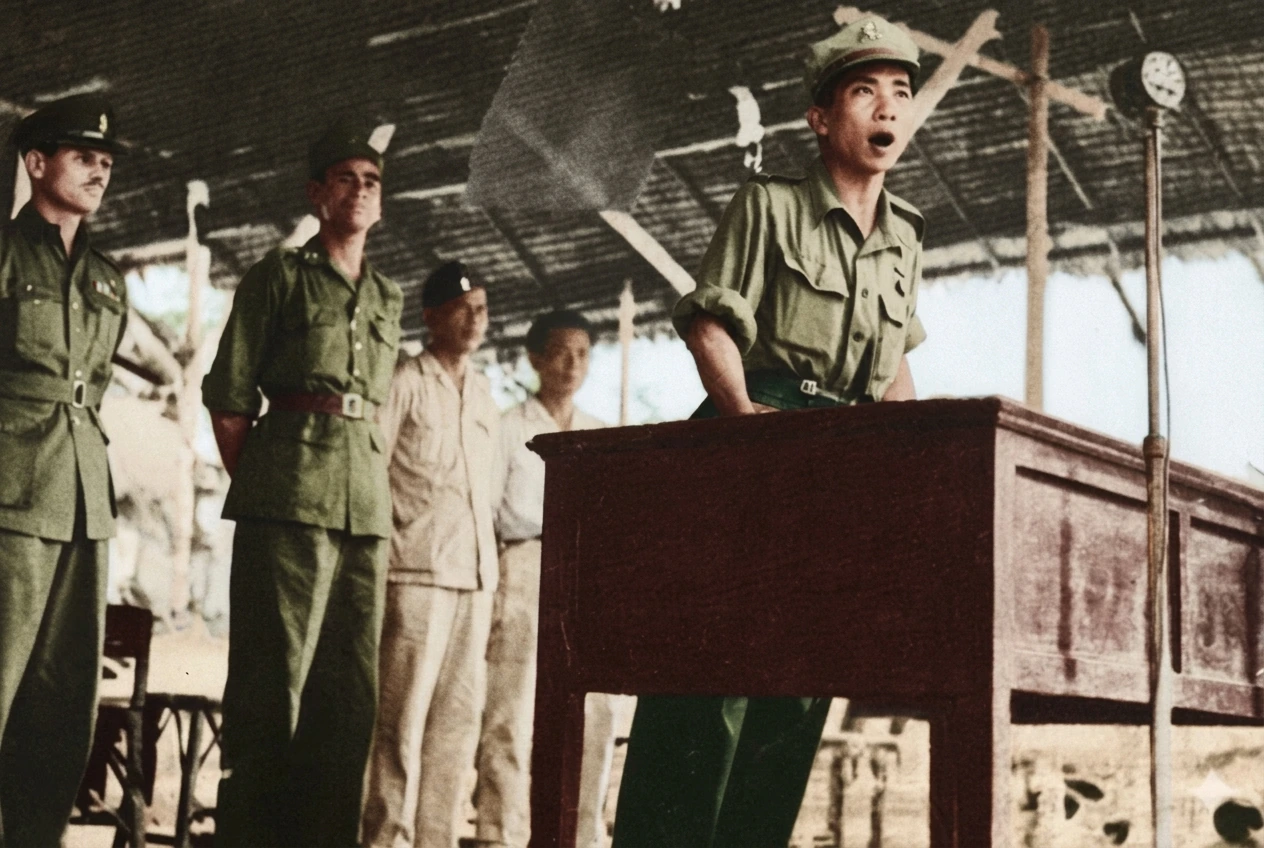
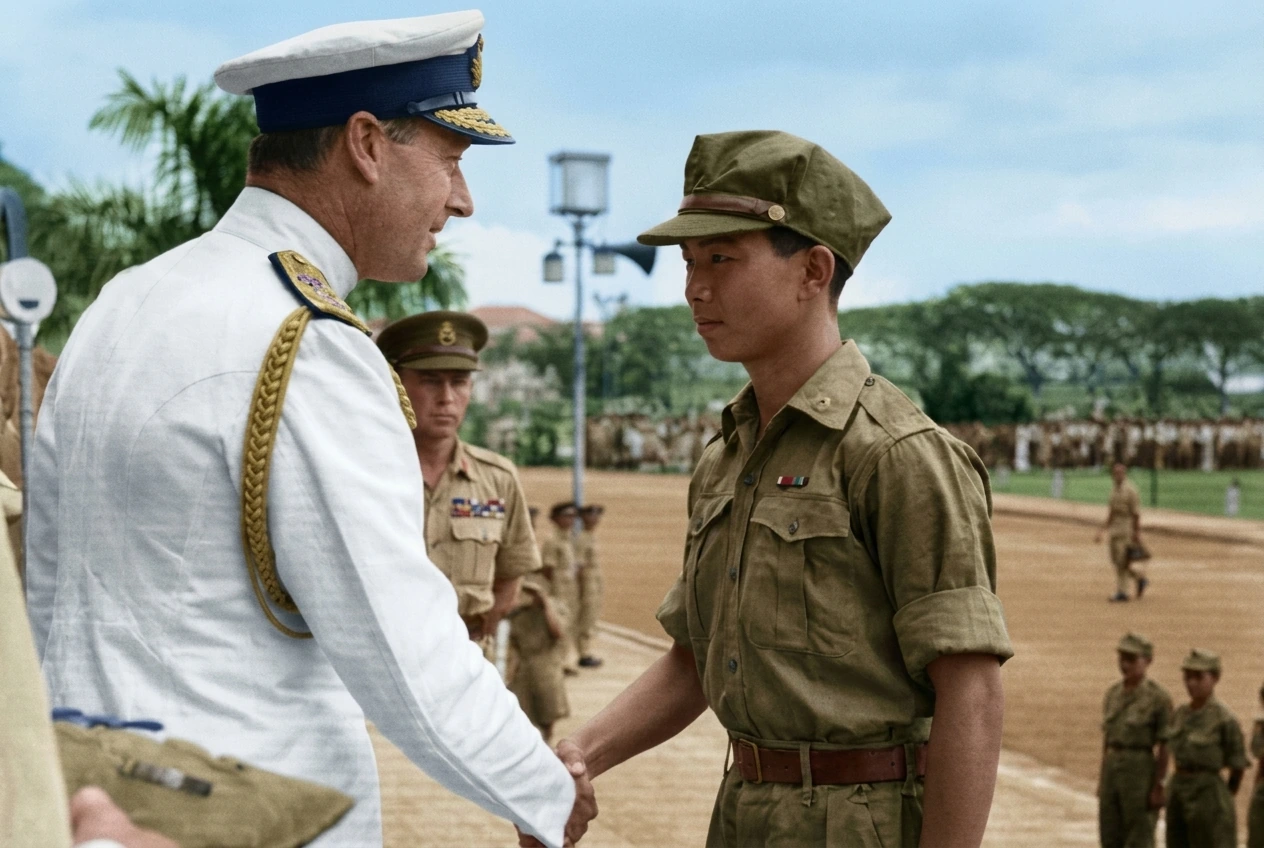
1945年8月日本无条件投降后,走出抗日密林的青年统帅陈平与马来亚共产党,旋即面临着比日军枪炮更为凶险的双重历史考验:一是重返马来亚的英帝国主义以功名利禄与授勋怀柔设下的招安陷阱;二是潜伏于马共中央最高层长达十三年的内奸莱特所推行的右倾投降主义路线。为了稳住战后局势、诱使人民抗日军交枪复员,英国当局对这位年仅二十一岁的抗日功臣极尽拉拢之能事。1946年1月6日,东南亚盟军最高统帅路易斯·蒙巴顿勋爵(Lord Louis Mountbatten)在新加坡市政厅前向陈平、刘尧等八位抗日军代表隆重颁授盟军战役勋章(1939–1945年星章与缅甸星章);英国陆军部不仅在官方战报(Despatches)中对陈平予以通令嘉奖,为他在吉隆坡与新加坡安排舒适的洋房住所,更批准授予他尊荣显赫的“大英帝国官佐勋章”(OBE,详见第6集)。
按照世俗功利主义的标准,二十出头的陈平只要顺应英国殖民当局的安排,在体制内充当一名温顺的“模范华社精英”,便能毫不费力地拥有锦衣玉食、荣华富贵的“光明前途”。然而,当陈平亲眼目睹1945年9月后英国军事管制当局(BMA,民众痛斥为“黑市局”)贪污腐败、物价飞涨、民生凋敝的惨状,目睹英军在1946年1月13日突袭雪兰莪乌鲁音抗日军驻地并于1月15日逼迫刘尧、杨果等抗日军代表签署屈辱《道歉信》(详见第5集、第6集),目睹殖民警宪向和平罢工的胶工与海员开枪扫射时,他断然拒绝出席领受那枚大英帝国官佐勋章(OBE)。晚年陈平对那些指责他“放弃个人光明前途”的论调,作出了掷地有声的剖析:
正是在这关系民族命运的十字路口,陈平与战友们迎来了党史上最惊心动魄的内部危机:清算潜伏马共最高层长达十三年的法、英、日三重间谍内奸莱特(详见第7集)。二战结束后,内奸莱特为迎合英殖民者重返马来亚,蓄意抛出《八大主张》推行右倾投降主义路线,篡改《抗日九大纲领》确立的“建立马来亚民主共和国”目标,强令人民抗日军缴械复员。幸赖陈平、刘尧等前线将领保持高度革命警惕,果断采取“明交暗留”策略,在深山密林中秘藏了五千余支盟军空投的精良武器(详见第5集)。
1946年底至1947年初,面对党内对“九一惨案”及日占时期大批干部被捕牺牲的强烈质疑,陈平与杨果、阿都拉·西迪等中央领导人顶住重重阻力,展开严密的内查外调,最终铁证如山地查明莱特自三十年代起便先后充当法、英、日特务的罪恶真相。1947年3月莱特携巨款畏罪潜逃,马共中央于5月将其开除出党;同年7月,马共第九次中央扩大会议全票推选年仅二十二岁的陈平出任马共中央总书记。紧接着,面对大英帝国为榨取马来亚橡胶与锡矿美元顺差以挽救本土破产危机而磨刀霍霍的军事镇压图谋,陈平主持召开1948年3月第四次中央全会与5月第五次中央全会,彻底清算内奸莱特的右倾投降主义路线,断然破除和平幻想,组织干部转入地下与丛林(详见第9集)。这位拒绝了大英帝国勋章与洋房的二十二岁青年总书记,毅然选择与受苦受难的工农同胞站在一起,迎向即将到来的暴风骤雨。
Following Japan's unconditional surrender in August 1945, twenty-one-year-old Chin Peng and the Communist Party of Malaya confronted a dual historical test far more insidious than Japanese bayonets: the gilded trap of imperial honors and patronage offered by returning British authorities, and the internal sabotage of triple agent Lai Te's right-opportunist capitulationist line. To pacify the post-war resistance and induce the MPAJA to disarm, the British showered the young commander with accolades. On January 6, 1946, Supreme Allied Commander Lord Louis Mountbatten decorated Chin Peng, Lau Yew, and six other MPAJA commanders at the Singapore Municipal Building with Allied campaign stars (the 1939–1945 Star and Burma Star). London mentioned Chin Peng in official military despatches, housed him in comfortable bungalows, and gazetted him for the prestigious Order of the British Empire (OBE, Episode 6).
By conventional standards, Chin Peng stood on the cusp of a 'dazzling success story' within the colonial establishment. Yet as he witnessed the rampant corruption of the British Military Administration (BMA) amidst post-war destitution, the January 1946 Hulu Yam raid and the attempt to coerce MPAJA leaders Lau Yew and Yeung Kuo into signing a humiliating 'Letter of Apology' (Episodes 5 and 6), and the violent suppression of trade union strikes across the peninsula, Chin Peng spurned the OBE investiture and pierced through the illusion of imperial patronage. In his later reflections, he dismantled the self-centered notion that he should have chosen personal comfort over anti-colonial principle:
At this historic crossroads, Chin Peng and his comrades confronted the darkest internal crisis in Party history: unmasking Secretary-General Lai Te, a triple agent who had served French, British, and Japanese intelligence for thirteen years (Episode 7). After August 1945, traitor Lai Te had enforced a right-opportunist capitulationist line to appease the returning British, ordering the MPAJA to disband and hand over its arms—a catastrophe mitigated only because frontline commanders Chin Peng and Lau Yew vigilantly cached over 5,000 modern weapons in the deep jungle (Episode 5).
From late 1946 to early 1947, Chin Peng, Yeung Kuo, and Abdullah C.D. spearheaded a rigorous clandestine investigation that exposed Lai Te's betrayal of over a hundred senior cadres to the Japanese Kempeitai and the British Special Branch. After Lai Te absconded in March 1947 and was expelled in May, the Ninth Enlarged Central Committee Plenum in July 1947 elected twenty-two-year-old Chin Peng as General Secretary. Recognizing that bankrupt post-war Britain was preparing armed repression to protect Malaya's rubber and tin dollar revenues, Chin Peng convened the March and May 1948 Central Committee Plenums to thoroughly repudiate Lai Te's right-opportunist capitulationist line and mobilize for armed self-defense (Episode 9). Rejecting the OBE and cosy bungalows, the young General Secretary chose the perilous path of anti-colonial liberation.
1945年8月日本无条件投降后,走出抗日密林的青年统帅陈平与马来亚共产党,旋即面临着比日军枪炮更为凶险的双重历史考验:一是重返马来亚的英帝国主义以功名利禄与授勋怀柔设下的招安陷阱;二是潜伏于马共中央最高层长达十三年的内奸莱特所推行的右倾投降主义路线。为了稳住战后局势、诱使人民抗日军交枪复员,英国当局对这位年仅二十一岁的抗日功臣极尽拉拢之能事。1946年1月6日,东南亚盟军最高统帅路易斯·蒙巴顿勋爵(Lord Louis Mountbatten)在新加坡市政厅前向陈平、刘尧等八位抗日军代表隆重颁授盟军战役勋章(1939–1945年星章与缅甸星章);英国陆军部不仅在官方战报(Despatches)中对陈平予以通令嘉奖,为他在吉隆坡与新加坡安排舒适的洋房住所,更批准授予他尊荣显赫的“大英帝国官佐勋章”(OBE,详见第6集)。
按照世俗功利主义的标准,二十出头的陈平只要顺应英国殖民当局的安排,在体制内充当一名温顺的“模范华社精英”,便能毫不费力地拥有锦衣玉食、荣华富贵的“光明前途”。然而,当陈平亲眼目睹1945年9月后英国军事管制当局(BMA,民众痛斥为“黑市局”)贪污腐败、物价飞涨、民生凋敝的惨状,目睹英军在1946年1月13日突袭雪兰莪乌鲁音抗日军驻地并于1月15日逼迫刘尧、杨果等抗日军代表签署屈辱《道歉信》(详见第5集、第6集),目睹殖民警宪向和平罢工的胶工与海员开枪扫射时,他断然拒绝出席领受那枚大英帝国官佐勋章(OBE)。晚年陈平对那些指责他“放弃个人光明前途”的论调,作出了掷地有声的剖析:
Following Japan's unconditional surrender in August 1945, twenty-one-year-old Chin Peng and the Communist Party of Malaya confronted a dual historical test far more insidious than Japanese bayonets: the gilded trap of imperial honors and patronage offered by returning British authorities, and the internal sabotage of triple agent Lai Te's right-opportunist capitulationist line. To pacify the post-war resistance and induce the MPAJA to disarm, the British showered the young commander with accolades. On January 6, 1946, Supreme Allied Commander Lord Louis Mountbatten decorated Chin Peng, Lau Yew, and six other MPAJA commanders at the Singapore Municipal Building with Allied campaign stars (the 1939–1945 Star and Burma Star). London mentioned Chin Peng in official military despatches, housed him in comfortable bungalows, and gazetted him for the prestigious Order of the British Empire (OBE, Episode 6).
By conventional standards, Chin Peng stood on the cusp of a 'dazzling success story' within the colonial establishment. Yet as he witnessed the rampant corruption of the British Military Administration (BMA) amidst post-war destitution, the January 1946 Hulu Yam raid and the attempt to coerce MPAJA leaders Lau Yew and Yeung Kuo into signing a humiliating 'Letter of Apology' (Episodes 5 and 6), and the violent suppression of trade union strikes across the peninsula, Chin Peng spurned the OBE investiture and pierced through the illusion of imperial patronage. In his later reflections, he dismantled the self-centered notion that he should have chosen personal comfort over anti-colonial principle:
一个人一旦确立了自己的处世态度,生活就会自然而然地顺着那条轨迹前行。我深信不疑。
经常有人会告诉我,如果当年我没有选择这条道路,我的生活,也包括至亲的生活本可以舒适得多。他们总是喜欢提醒我,二十来岁时我原本拥有的‘光明前途’:我获得过两枚作战勋章,在战报中受到表彰,住着舒适的洋房,还被授予大英帝国勋章(OBE)。凭借这些早期诱人的条件,我完全可以‘乘势而上’,成为他们口中的耀眼成功范例。
我认为这种观点很有问题,它体现了一种自我中心、唯我主义的人生观。There is a sense of inevitability that runs through life once your general attitude to it is formed. I believe in this.— 陈平 | Chin Peng
It has been pointed out to me that my life and, presumably, the lives of those closest to me would have been more comfortable had I not taken the path I took. The people who say this remind me of the ‘bright options’ I had as a young man in my twenties. I had been awarded two campaign medals, mentioned in despatches, housed in cosy bungalows, given an OBE. I could have used these early enticements to forge ahead and become what the same people like to call a ‘dazzling success story’.
I find their point of view flawed. They exhibit a selfish, self-centred concept of the way one’s life should be conducted.
我不可能同日本人妥协;同样,我也不可能在一套延续英国殖民统治的体制之内工作。I could not compromise with the Japanese; neither could I have worked within a system that perpetrated the continuance of British colonialism.— 陈平 | Chin Peng
正是在这关系民族命运的十字路口,陈平与战友们迎来了党史上最惊心动魄的内部危机:清算潜伏马共最高层长达十三年的法、英、日三重间谍内奸莱特(详见第7集)。二战结束后,内奸莱特为迎合英殖民者重返马来亚,蓄意抛出《八大主张》推行右倾投降主义路线,篡改《抗日九大纲领》确立的“建立马来亚民主共和国”目标,强令人民抗日军缴械复员。幸赖陈平、刘尧等前线将领保持高度革命警惕,果断采取“明交暗留”策略,在深山密林中秘藏了五千余支盟军空投的精良武器(详见第5集)。
1946年底至1947年初,面对党内对“九一惨案”及日占时期大批干部被捕牺牲的强烈质疑,陈平与杨果、阿都拉·西迪等中央领导人顶住重重阻力,展开严密的内查外调,最终铁证如山地查明莱特自三十年代起便先后充当法、英、日特务的罪恶真相。1947年3月莱特携巨款畏罪潜逃,马共中央于5月将其开除出党;同年7月,马共第九次中央扩大会议全票推选年仅二十二岁的陈平出任马共中央总书记。紧接着,面对大英帝国为榨取马来亚橡胶与锡矿美元顺差以挽救本土破产危机而磨刀霍霍的军事镇压图谋,陈平主持召开1948年3月第四次中央全会与5月第五次中央全会,彻底清算内奸莱特的右倾投降主义路线,断然破除和平幻想,组织干部转入地下与丛林(详见第9集)。这位拒绝了大英帝国勋章与洋房的二十二岁青年总书记,毅然选择与受苦受难的工农同胞站在一起,迎向即将到来的暴风骤雨。
At this historic crossroads, Chin Peng and his comrades confronted the darkest internal crisis in Party history: unmasking Secretary-General Lai Te, a triple agent who had served French, British, and Japanese intelligence for thirteen years (Episode 7). After August 1945, traitor Lai Te had enforced a right-opportunist capitulationist line to appease the returning British, ordering the MPAJA to disband and hand over its arms—a catastrophe mitigated only because frontline commanders Chin Peng and Lau Yew vigilantly cached over 5,000 modern weapons in the deep jungle (Episode 5).
From late 1946 to early 1947, Chin Peng, Yeung Kuo, and Abdullah C.D. spearheaded a rigorous clandestine investigation that exposed Lai Te's betrayal of over a hundred senior cadres to the Japanese Kempeitai and the British Special Branch. After Lai Te absconded in March 1947 and was expelled in May, the Ninth Enlarged Central Committee Plenum in July 1947 elected twenty-two-year-old Chin Peng as General Secretary. Recognizing that bankrupt post-war Britain was preparing armed repression to protect Malaya's rubber and tin dollar revenues, Chin Peng convened the March and May 1948 Central Committee Plenums to thoroughly repudiate Lai Te's right-opportunist capitulationist line and mobilize for armed self-defense (Episode 9). Rejecting the OBE and cosy bungalows, the young General Secretary chose the perilous path of anti-colonial liberation.
第三章:群山与密林的生死苦战:揭穿“紧急状态”保险骗局与十二年抗英民族解放战争(1948–1960)
Chapter 3: The Crucible of Hills and Jungles: Exposing the 'Emergency' Insurance Fraud and Twelve Years of Anti-British Liberation War (1948–1960)
1948年6月,随着英殖民当局将“紧急状态令”强行推向全马并展开大规模搜捕与驱逐出境,陈平率领马共中央与抗英自卫武装重返热带雨林,并于1949年2月1日正式宣告成立马来亚民族解放军(MNLA,详见第11集)。这标志着马共与各族革命志士正式转入长达十二年、敌我力量极度悬殊的抗英民族解放战争。英国国家档案馆解密卷宗早已揭示,白厅与殖民当局之所以死也不肯承认这是一场真正的反殖解放战争,而刻意炮制出“紧急状态”(State of Emergency)这一法律委婉语,其核心动机竟是为了保护伦敦劳合社(Lloyd's of London)与英资种植园、锡矿垄断资本免于触发保单中的“战争与叛乱免赔条款”(详见第10集)。在这部庞大的帝国法律与宣传机器操纵下,为民族独立而战的游击队员先被贬称为“匪徒”(bandits),继而又被贴上“共产恐怖分子”(CTs)的污名标签。对此,陈平在反思录中一针见血地揭露了“胜利者历史”的虚伪面具:
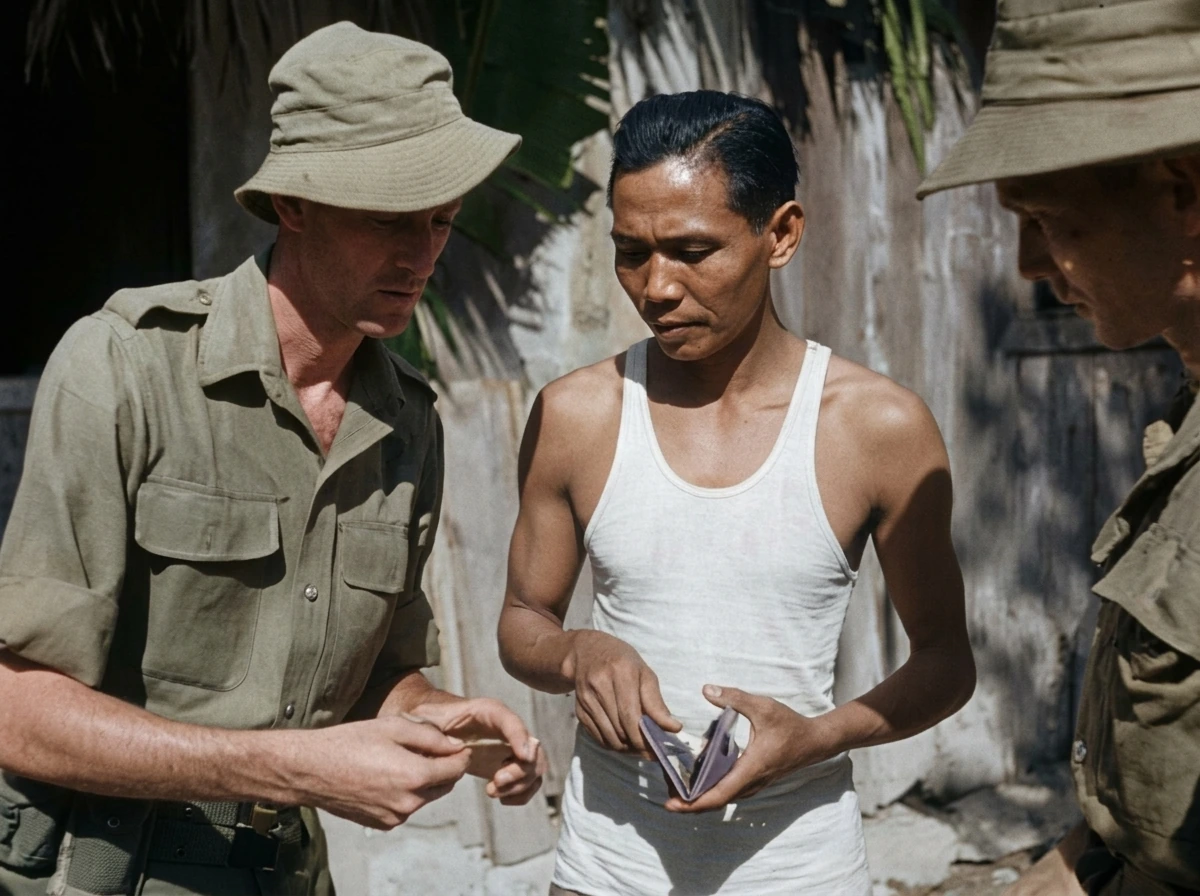
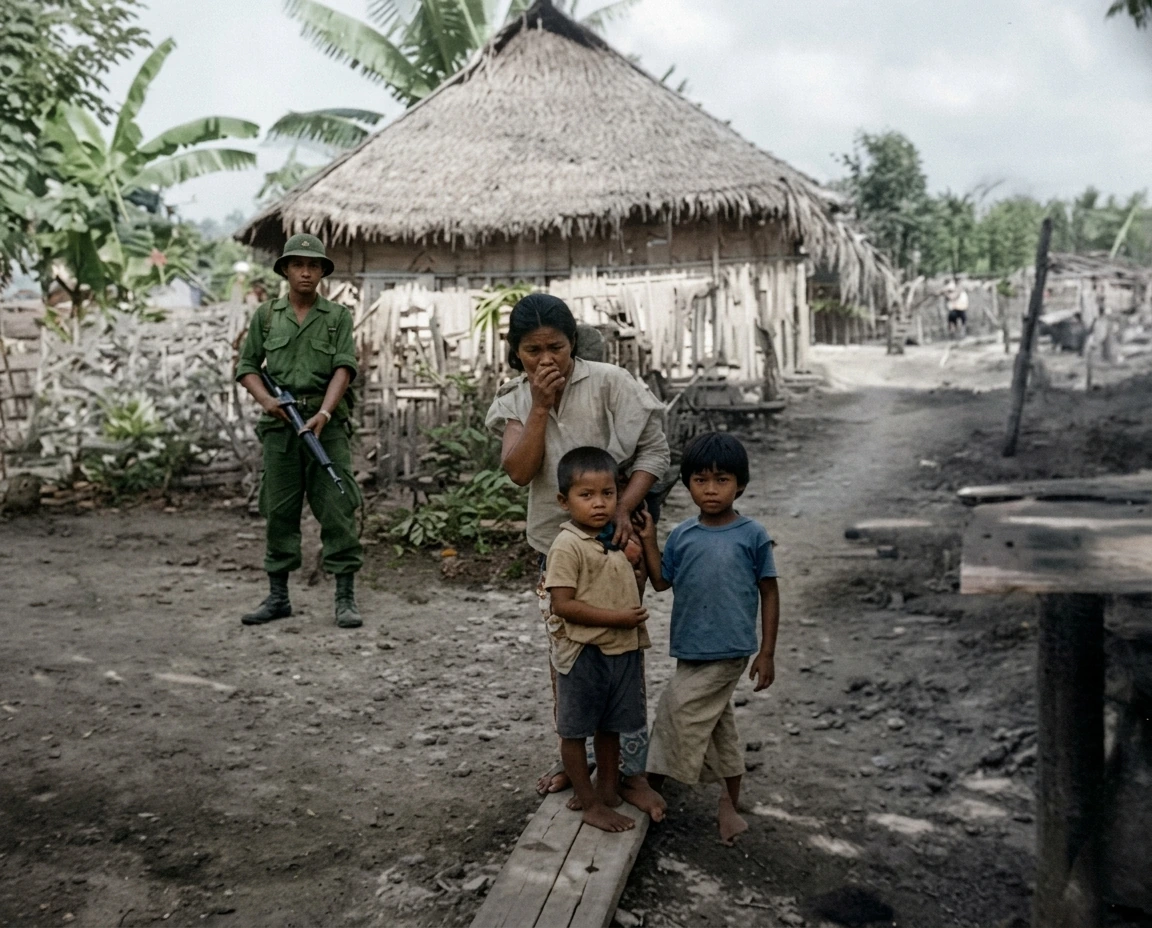
在长达十二年的第一阶段抗英民族解放战争(1948–1960)中,马共与马来亚民族解放军面对的是何等悬殊的军事对比:大英帝国先后调集了近四万名英联邦正规军(包括英国近卫师、廓尔喀雇佣兵、澳新军团、斐济与东非殖民地部队)以及数十万警察与特警,动用“林肯式”重型轰炸机、凝固汽油弹、橙剂(落叶剂)对原始丛林实施狂轰滥炸;1948年12月英军苏格兰近卫团在雪兰莪峇冬加里冷血屠杀24名手无寸铁的华人胶工(详见第12集);1950年6月,英军中将哈罗德·布里格斯更推行法西斯式的“布里格斯计划”,将五十余万乡村平民强行驱赶进四百五十余座铁丝网环绕的“新村”集中营,实行严酷的断粮、搜身与连坐惩罚(详见第13集)。
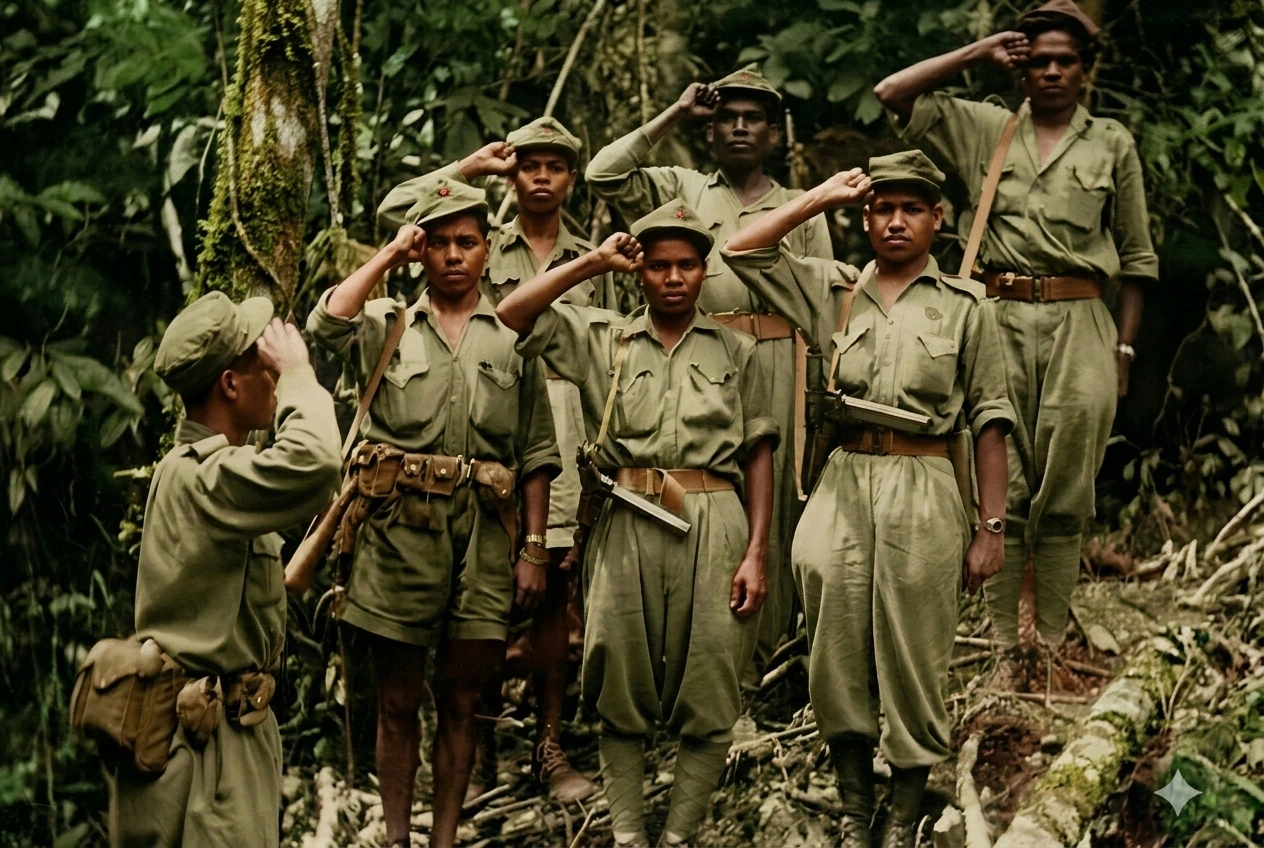
在饥饿、瘴疠、重兵围剿与宣传抹黑的多重绝境中,刘尧、杨果、阿成(单汝洪)、阿石(吴一石)以及成千上万名各族青年指战员在密林与木薯地间浴血奋战,大批战友壮烈牺牲。然而,在陈平心中,向殖民暴政屈膝妥协所带来的灵魂折磨,远比面对群山与丛林的生死险阻更加令人无法忍受。这种视死如归的道德定力与对死难战友刻骨铭心的思念,构成了陈平晚年反思中最催人泪下的篇章:
In June 1948, as British colonial authorities imposed the nationwide 'State of Emergency' alongside mass arrests and deportations, Chin Peng led the CPM Central Committee and anti-British self-defense forces back into the tropical rainforest, formally establishing the Malayan National Liberation Army (MNLA) on February 1, 1949 (Episode 11). This marked the beginning of a twelve-year Anti-British National Liberation War fought against overwhelming odds. As declassified British National Archives files prove, Whitehall's refusal to call this conflict a 'war'—inventing instead the euphemism 'Emergency'—was dictated by financial calculation: to prevent rubber estates and tin mines from losing insurance coverage under Lloyd's of London policies that excluded losses from 'war or insurrection' (Episode 10). Under this imperial propaganda apparatus, anti-colonial fighters were smeared first as 'bandits' and subsequently as 'Communist Terrorists' (CTs). In his reflections, Chin Peng stripped away the hypocrisy of victor's history:
Throughout the twelve-year armed struggle of the first Emergency (1948–1960), the CPM and MNLA confronted overwhelming military asymmetry: Britain deployed nearly 40,000 Commonwealth troops alongside hundreds of thousands of police and auxiliary forces, saturation bombing by Lincoln heavy bombers, napalm, and chemical defoliants. In December 1948, British Scots Guards massacred 24 unarmed rubber tappers at Batang Kali (Episode 12); in June 1950, Lieutenant-General Sir Harold Briggs enacted the 'Briggs Plan,' forcibly interning over 500,000 rural civilians behind barbed wire in more than 450 'New Village' concentration camps under starvation rations and strip-searches (Episode 13).
Amid starvation, tropical disease, relentless encirclement, and relentless propaganda vilification, thousands of young fighters perished in the deep jungle. Yet for Chin Peng, the moral torment of compromising with colonial tyranny would have been far more harrowing than enduring the formidable hills and jungles. His unyielding resolve and his lifelong grief for fallen comrades form the emotional core of his reflections:
1948年6月,随着英殖民当局将“紧急状态令”强行推向全马并展开大规模搜捕与驱逐出境,陈平率领马共中央与抗英自卫武装重返热带雨林,并于1949年2月1日正式宣告成立马来亚民族解放军(MNLA,详见第11集)。这标志着马共与各族革命志士正式转入长达十二年、敌我力量极度悬殊的抗英民族解放战争。英国国家档案馆解密卷宗早已揭示,白厅与殖民当局之所以死也不肯承认这是一场真正的反殖解放战争,而刻意炮制出“紧急状态”(State of Emergency)这一法律委婉语,其核心动机竟是为了保护伦敦劳合社(Lloyd's of London)与英资种植园、锡矿垄断资本免于触发保单中的“战争与叛乱免赔条款”(详见第10集)。在这部庞大的帝国法律与宣传机器操纵下,为民族独立而战的游击队员先被贬称为“匪徒”(bandits),继而又被贴上“共产恐怖分子”(CTs)的污名标签。对此,陈平在反思录中一针见血地揭露了“胜利者历史”的虚伪面具:
In June 1948, as British colonial authorities imposed the nationwide 'State of Emergency' alongside mass arrests and deportations, Chin Peng led the CPM Central Committee and anti-British self-defense forces back into the tropical rainforest, formally establishing the Malayan National Liberation Army (MNLA) on February 1, 1949 (Episode 11). This marked the beginning of a twelve-year Anti-British National Liberation War fought against overwhelming odds. As declassified British National Archives files prove, Whitehall's refusal to call this conflict a 'war'—inventing instead the euphemism 'Emergency'—was dictated by financial calculation: to prevent rubber estates and tin mines from losing insurance coverage under Lloyd's of London policies that excluded losses from 'war or insurrection' (Episode 10). Under this imperial propaganda apparatus, anti-colonial fighters were smeared first as 'bandits' and subsequently as 'Communist Terrorists' (CTs). In his reflections, Chin Peng stripped away the hypocrisy of victor's history:
有些档案永远不会公开,这正是胜利者为免遭历史反思尴尬而得到的庇护。因此,胜利者几乎不会被人指名道姓地辱骂。
在“紧急状态”年代,为了保险,也就是为了金钱利益,英国人死不肯把这场明明是战争的冲突称作“战争”。我和战友被贴上了“共产恐怖分子”的标签。在记述那段黑暗而惨烈岁月的书里,我们就这样被草草带过。
同志们倒下,是因为我们渴望终结殖民统治,并以我们认为更加公平的政治理念取而代之。对方也牺牲了约两千人,其中许多并非英国人,却为帝国而战,他们为之捍卫的,早已是一个无关痛痒的过时观念。Some [documents] are never released. Such is the protection offered victors against the embarrassment of historical introspection. This is why winners are seldom called names.— 陈平 | Chin Peng
So during the Emergency years, for insurance purposes and therefore monetary reasons, the British would not call it a war, which it was - my comrades and I were made to wear the sobriquet of CTs. We were communist terrorists and that’s how we were dismissed in the books that touch on that grim and gruesome time.
My men died because we wanted to end colonialism and replace it with a political philosophy we believed to be infinitely fairer. The other side lost some 2,000 men, many of them non-British, fighting on behalf of the Empire because they were defending an idea that had long gone irrelevant.
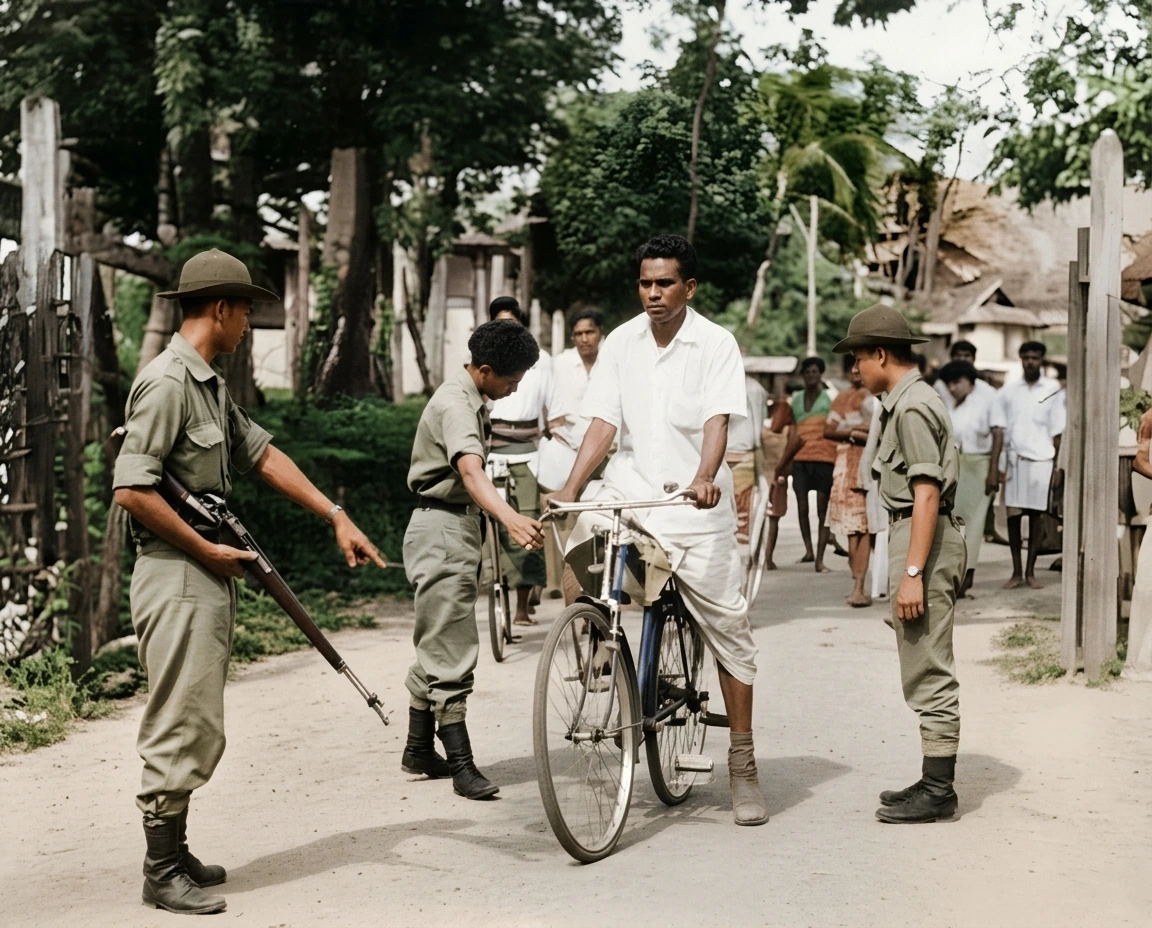
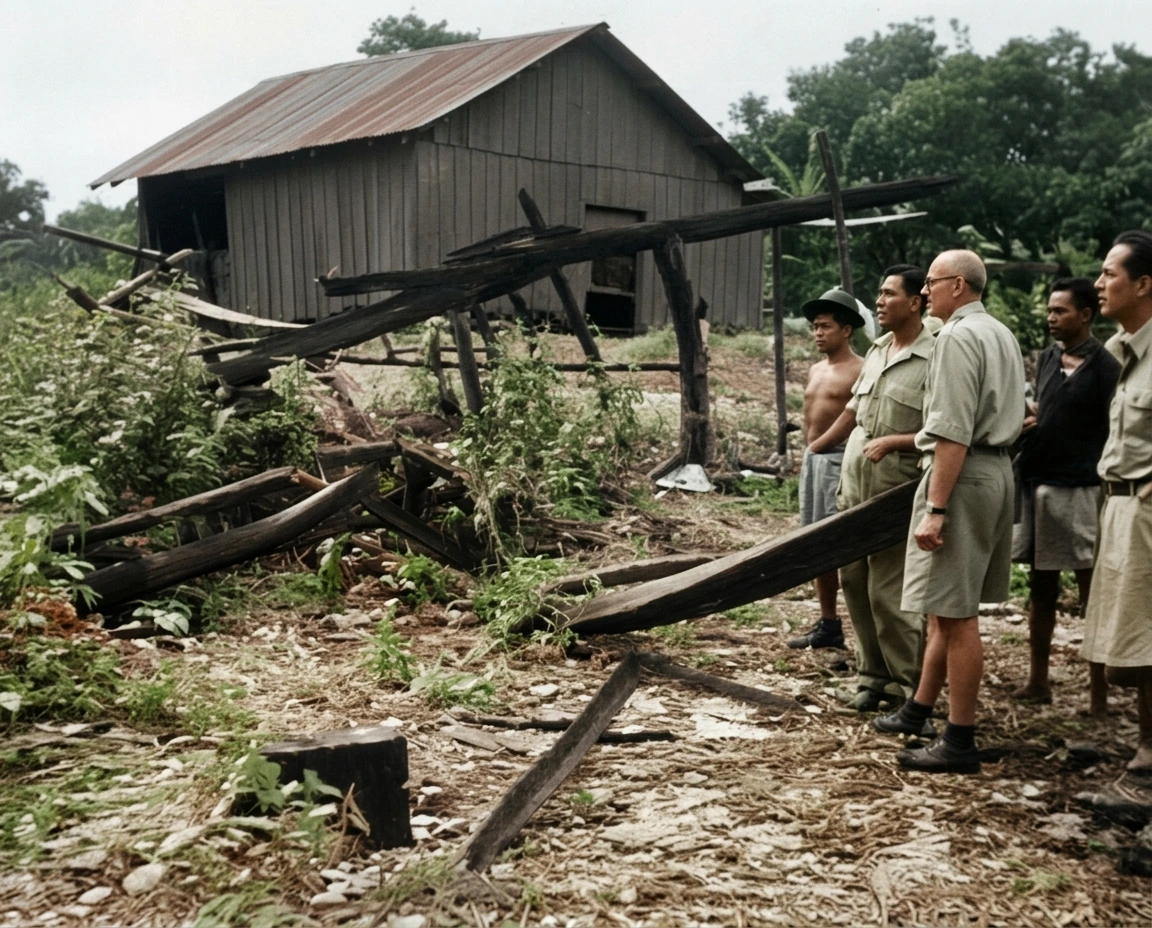
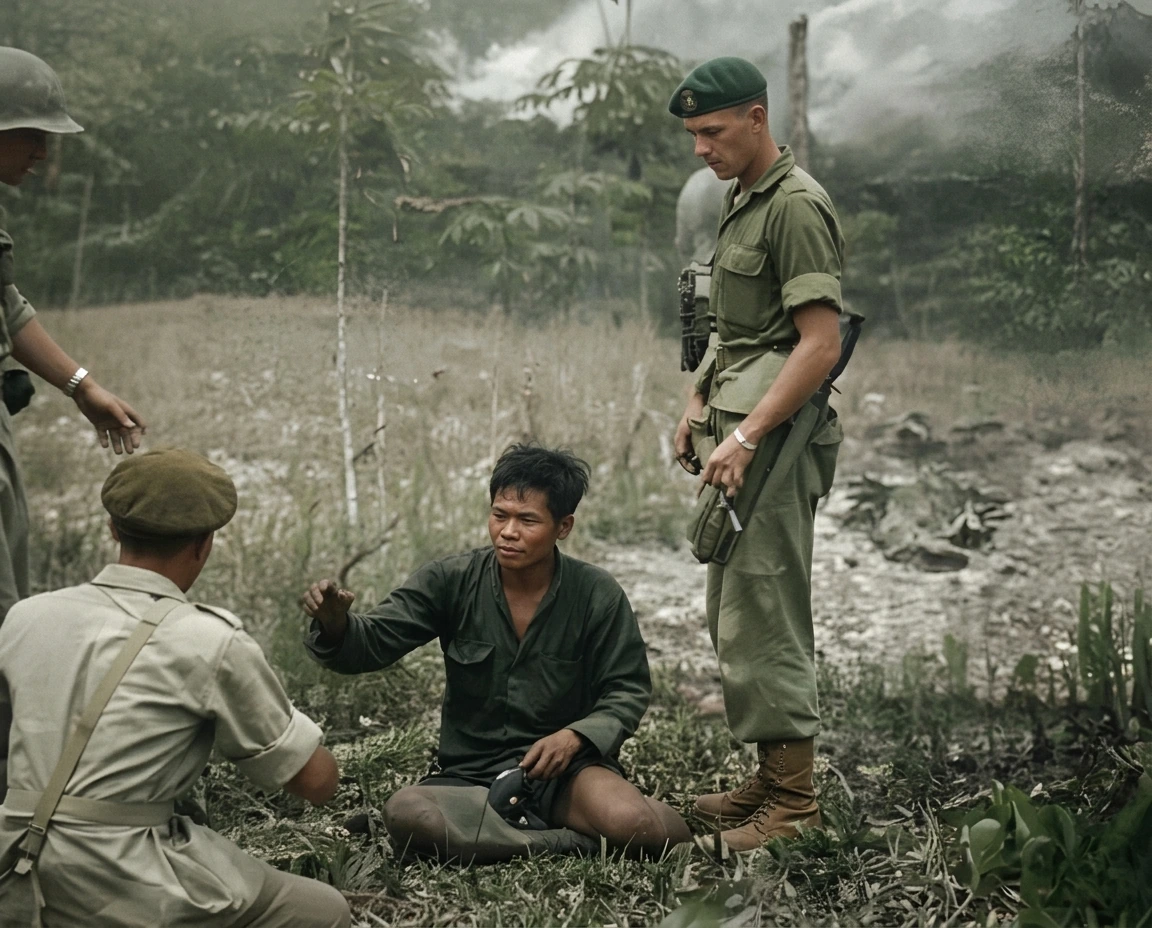
在长达十二年的第一阶段抗英民族解放战争(1948–1960)中,马共与马来亚民族解放军面对的是何等悬殊的军事对比:大英帝国先后调集了近四万名英联邦正规军(包括英国近卫师、廓尔喀雇佣兵、澳新军团、斐济与东非殖民地部队)以及数十万警察与特警,动用“林肯式”重型轰炸机、凝固汽油弹、橙剂(落叶剂)对原始丛林实施狂轰滥炸;1948年12月英军苏格兰近卫团在雪兰莪峇冬加里冷血屠杀24名手无寸铁的华人胶工(详见第12集);1950年6月,英军中将哈罗德·布里格斯更推行法西斯式的“布里格斯计划”,将五十余万乡村平民强行驱赶进四百五十余座铁丝网环绕的“新村”集中营,实行严酷的断粮、搜身与连坐惩罚(详见第13集)。
在饥饿、瘴疠、重兵围剿与宣传抹黑的多重绝境中,刘尧、杨果、阿成(单汝洪)、阿石(吴一石)以及成千上万名各族青年指战员在密林与木薯地间浴血奋战,大批战友壮烈牺牲。然而,在陈平心中,向殖民暴政屈膝妥协所带来的灵魂折磨,远比面对群山与丛林的生死险阻更加令人无法忍受。这种视死如归的道德定力与对死难战友刻骨铭心的思念,构成了陈平晚年反思中最催人泪下的篇章:
Throughout the twelve-year armed struggle of the first Emergency (1948–1960), the CPM and MNLA confronted overwhelming military asymmetry: Britain deployed nearly 40,000 Commonwealth troops alongside hundreds of thousands of police and auxiliary forces, saturation bombing by Lincoln heavy bombers, napalm, and chemical defoliants. In December 1948, British Scots Guards massacred 24 unarmed rubber tappers at Batang Kali (Episode 12); in June 1950, Lieutenant-General Sir Harold Briggs enacted the 'Briggs Plan,' forcibly interning over 500,000 rural civilians behind barbed wire in more than 450 'New Village' concentration camps under starvation rations and strip-searches (Episode 13).
Amid starvation, tropical disease, relentless encirclement, and relentless propaganda vilification, thousands of young fighters perished in the deep jungle. Yet for Chin Peng, the moral torment of compromising with colonial tyranny would have been far more harrowing than enduring the formidable hills and jungles. His unyielding resolve and his lifelong grief for fallen comrades form the emotional core of his reflections:
妥协远比面对那令人畏惧的群山和丛林更加折磨人心。
我们都有选择:是坚守立场还是妥协;是去守护,还是放任沉沦,是直面问题还是视而不见,是遗忘伤痛,还是铭记真相。To compromise would have been more harrowing than facing the formidable hills and jungles.— 陈平 | Chin Peng
We all have options, to stand our ground or to compromise, to save or to waste, to confront or to look the other way, to forget or to remember.
然而,梦想是要付出代价的。我们的梦想当然付出了代价,很多人被放逐流亡……在武装斗争的岁月里,我们无力抗衡敌人的强大火力;我们也缺乏技术、资源与时间去对抗那部把我们先描绘成普通匪徒,继而随着战事升级又称作“共产恐怖分子(CTs)”的庞大宣传机器。
大批战友们就此牺牲。至今,没有一天我不思念他们。But you pay for your dreams. We certainly paid for ours. So many of us got banished.... During the years of our armed struggle, we had no counter to the might of the enemy’s firepower. Neither did we have the skills, the means or the time to compete with the massive propaganda machinery that portrayed us as nothing more than, first, common bandits, then, as action escalated, communist terrorists (CTs).— 陈平 | Chin Peng
A great number of my comrades perished. Not a day passes that I don’t think of them.
第四章:华玲谈判桌上的尊严底线:绝不屈膝投降的气节与迫使英帝交出独立政权(1955–1957)
Chapter 4: The Bedrock of Dignity at Baling: Refusing Surrender and Forcing Britain to Grant Malayan Independence (1955–1957)
在马来亚去殖民化进程的历史转折关头,1955年12月28日至29日举世瞩目的“华玲和谈”(Baling Talks,详见第15集)以及由此直接加速催生的1957年马来亚独立(详见第14集),构成了衡量马共武装斗争历史功绩的决定性分水岭。
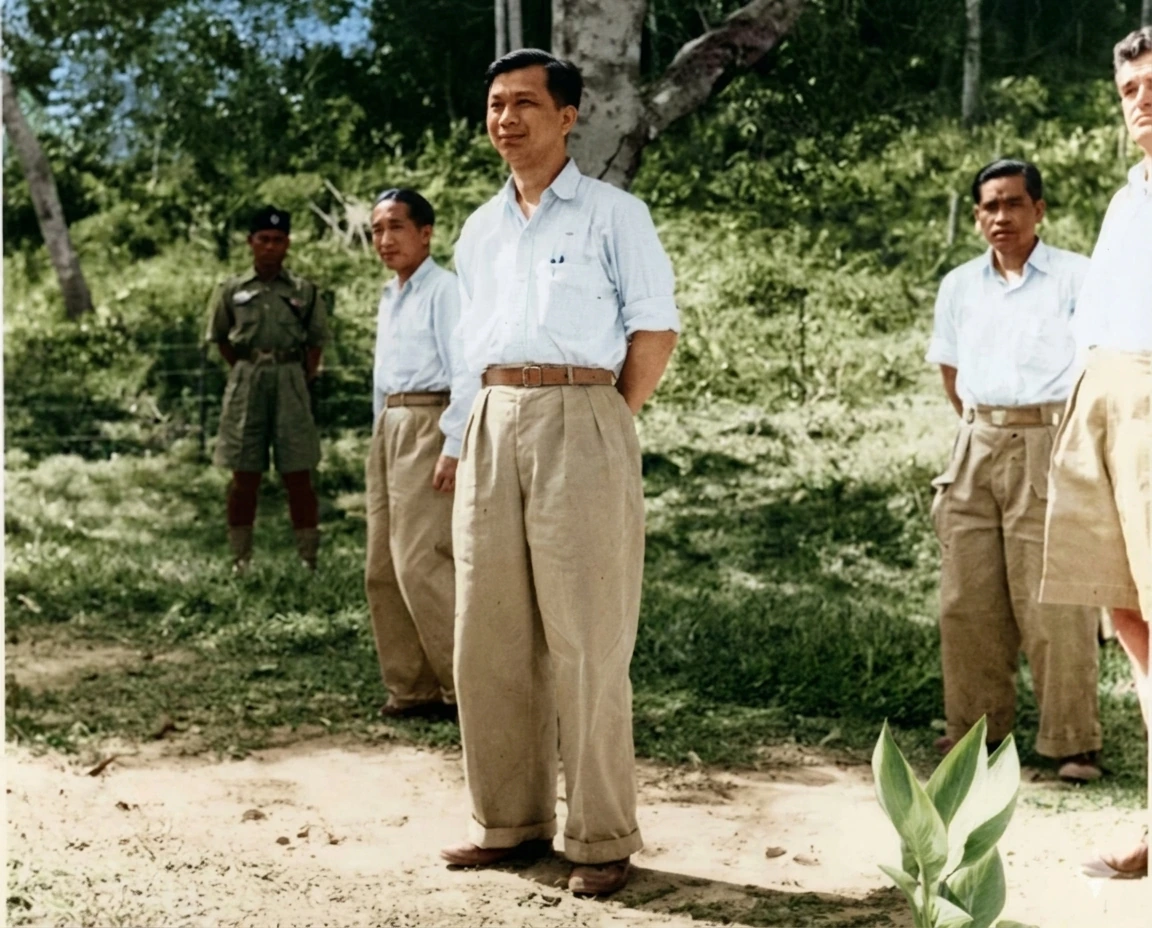
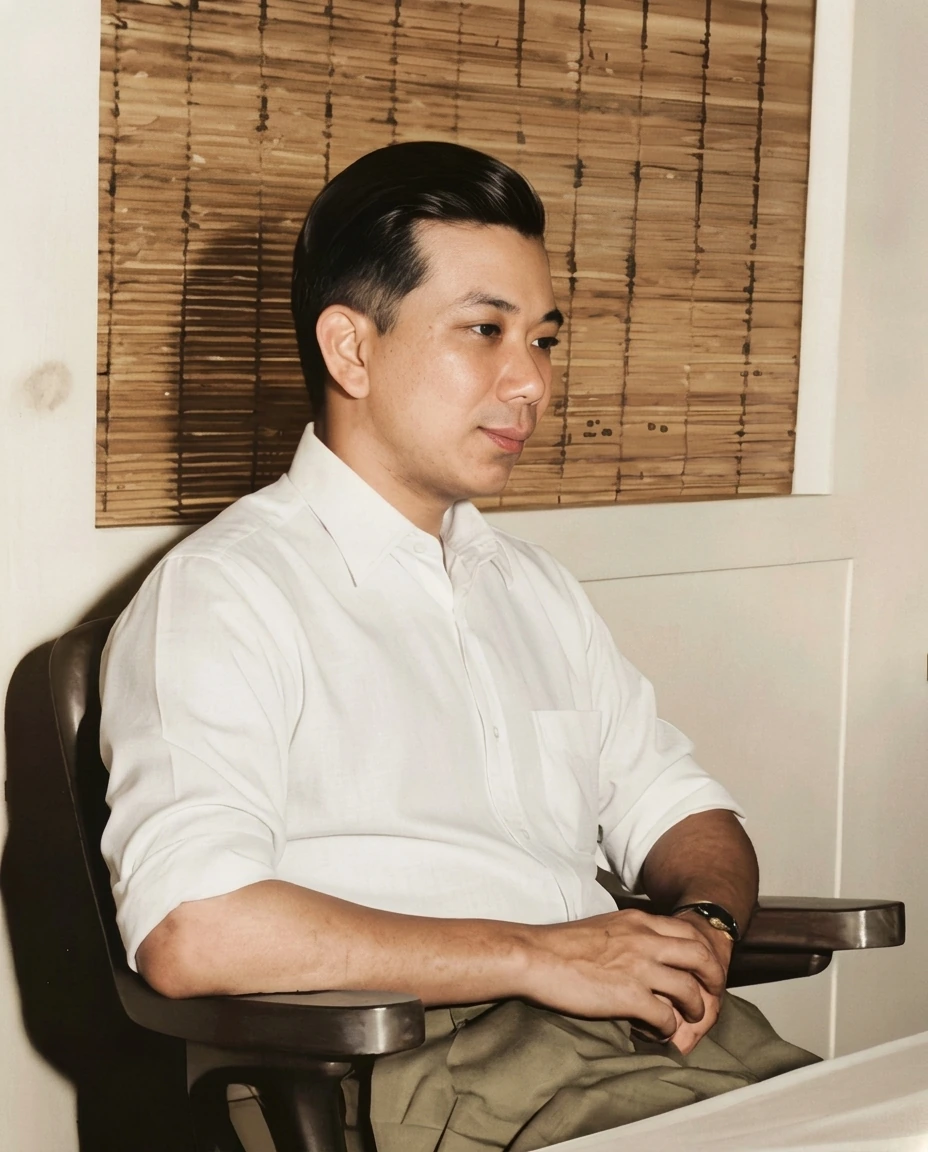
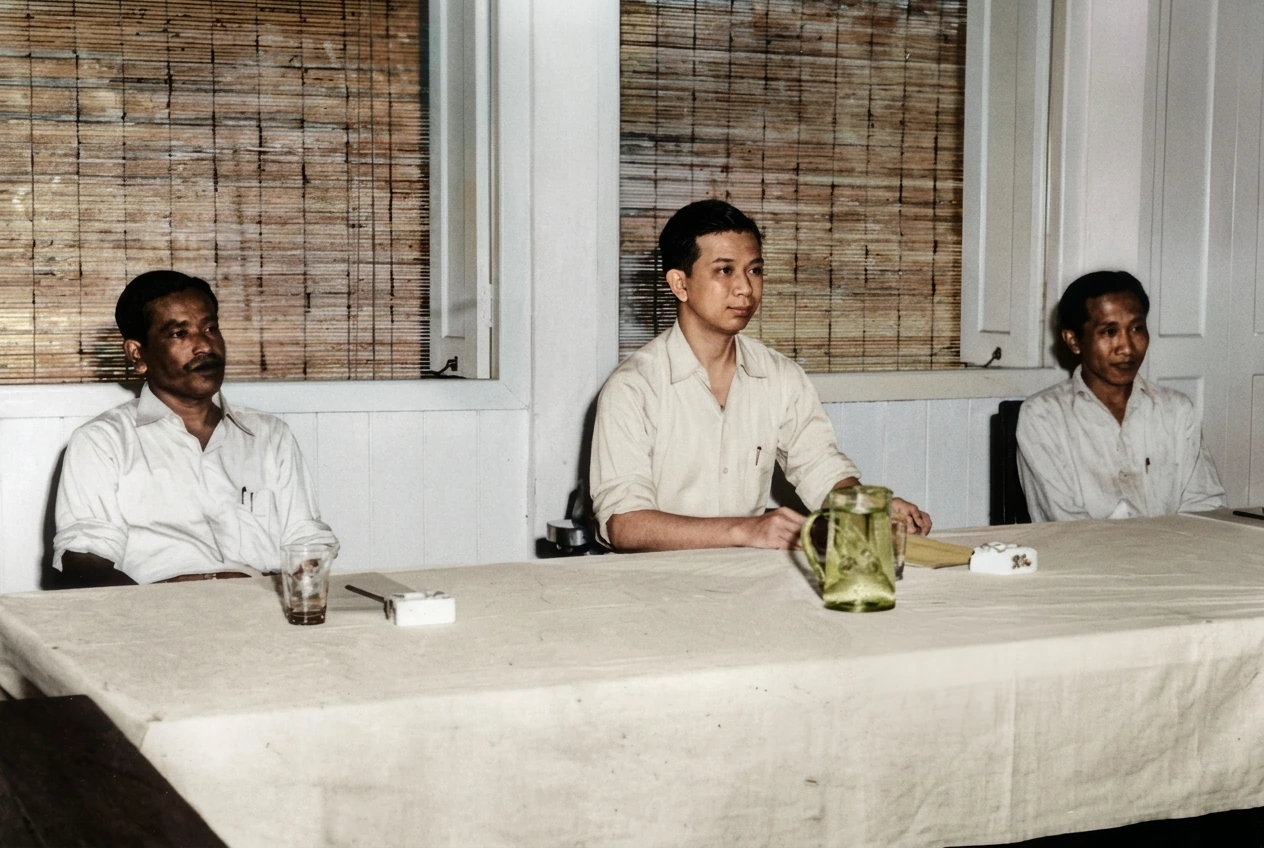
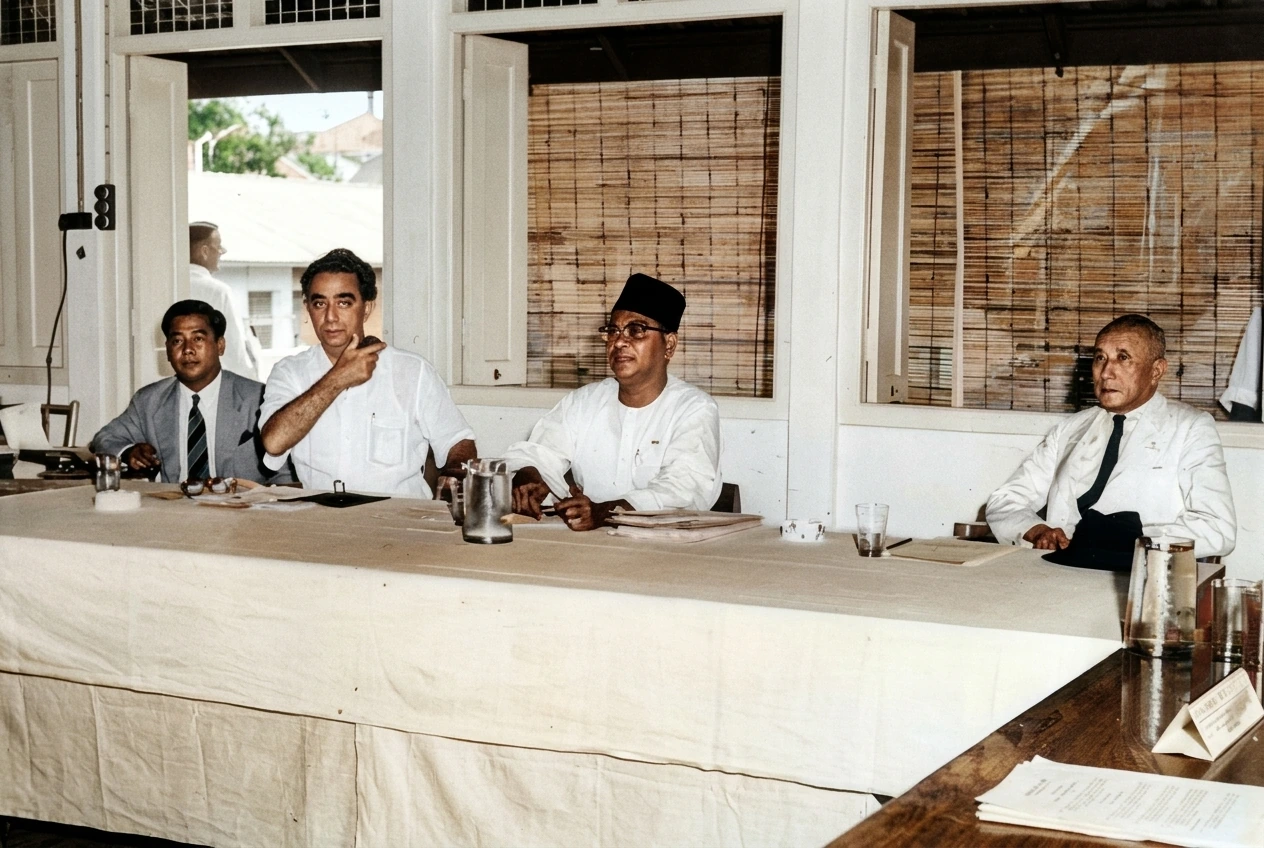
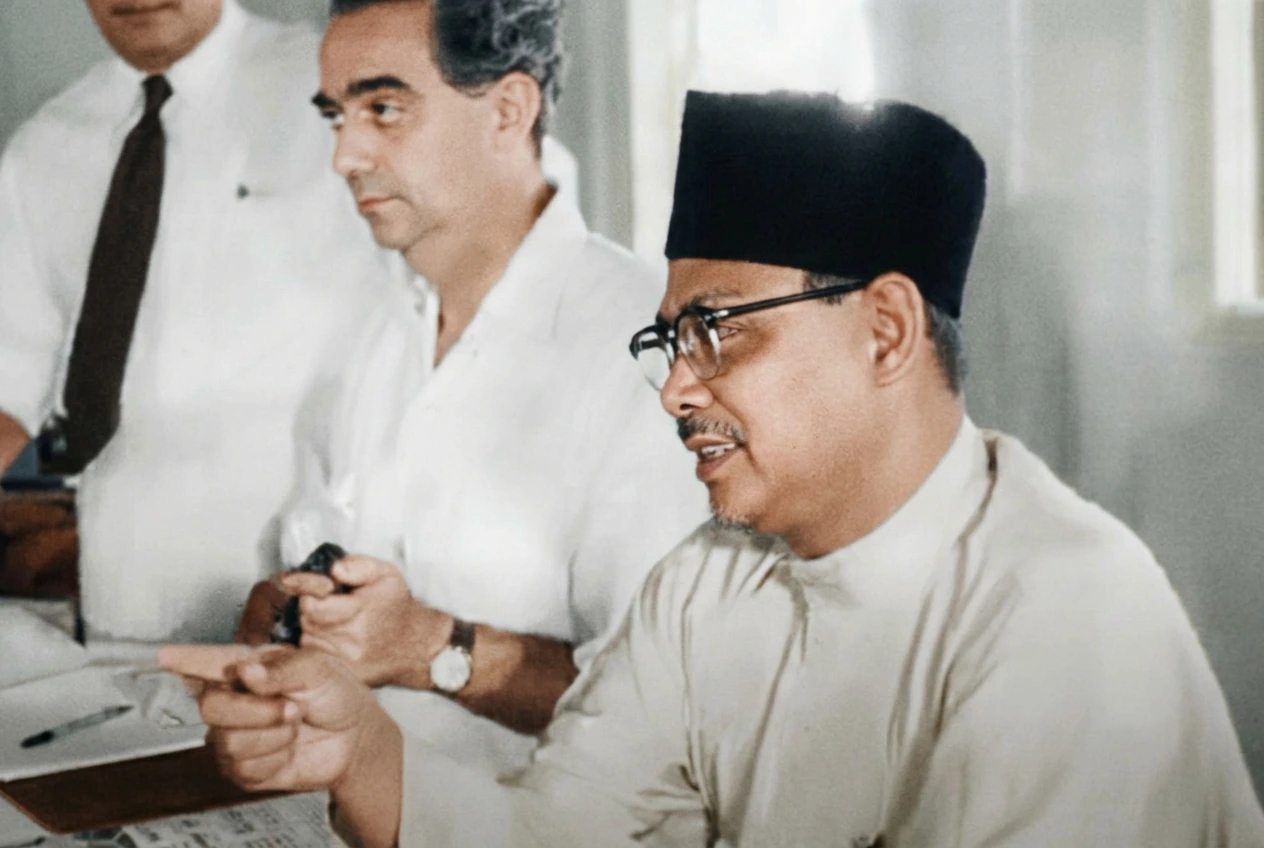
到1950年代中期,长达数年的丛林游击战争与新加坡、半岛风起云涌的左翼学运工运大风暴(详见第16至19集),已使大英帝国陷入日耗巨万军费、深陷热带雨林泥潭的战略困局。为了避免重蹈法国在越南奠边府惨败的覆辙,白厅被迫在1955年开放联合邦立法议会大选,扶植以东姑阿都拉曼为首的联盟政府走向前台。1955年12月28日,三十一岁的马共中央总书记陈平率领中央委员陈田、拉昔·迈丁走出吉打州华玲山林,在华玲英校教室内同联合邦首席部长东姑阿都拉曼、新加坡首席部长大卫·马绍尔、马华公会总会长陈祯禄展开了两天两夜的世纪交锋。
在谈判桌上,英国殖民当局在幕后向东姑阿都拉曼施加了严密的政治紧箍咒(甚至派副警察总监威利坐在隔壁房间录音机旁实时监听),强硬要求马共必须接受等同于“无条件投降”的无限期拘押与政治甄别审查(“洗脑”审讯)。面对对方企图用“特赦”之名行羞辱、瓦解马共之实的威逼,陈平展现了钢铁般的原则底线:他断然宣告,马共可以为和平作出重大政治让步,但绝不接受任何形式的投降与政治甄别,绝不背叛为反殖事业流血牺牲的战友:
更为关键的是,在12月29日华玲和谈的最后关头,陈平以卓越的政治远见投下了一枚改写马来亚现代史的震撼弹。他当场向东姑阿都拉曼庄严承诺:“只要民选的马来亚联合邦政府获得完全的内部安全控制权与本地武装部队指挥权,马共就立即停止敌对行动、放下武器!”这一掷地有声的政治承诺,瞬间抽空了大英帝国以“剿共平乱”为借口继续赖在马来亚实行殖民统治的一切法理基础。华玲和谈结束后仅两天,东姑阿都拉曼便挟此筹码启程飞赴伦敦,迫使英国政府签署独立时间表;二十个月后的1957年8月31日,马来亚联合邦正式宣告独立(详见第14集、第15集)。
因此,当西方殖民史学惯常以“马共未能夺取全国政权”来宣判陈平“失败”时,晚年陈平在反思录中给出了极具辩证穿透力的历史定评:在建立共产党领导的“人民民主”政府这一终极目标上,马共固然未能如愿;但在终结英国殖民统治、迫使大英帝国提前交出马来亚独立政权这一决定性历史使命上,陈平与他的战友们赢得了无可辩驳的伟大胜利!
At the decisive turning point of Malayan decolonization, the historic Baling Peace Talks of December 28–29, 1955 (Episode 15) and the resulting acceleration of Malayan independence in 1957 (Episode 14) stood as the watershed proving the historical impact of the CPM's armed struggle.
By the mid-1950s, the protracted jungle guerrilla war—coupled with the surging anti-colonial student and trade union movements in Singapore and the peninsula (Episodes 16–19)—had locked the British Empire into an unsustainable military and financial quagmire. To avoid a catastrophe akin to France's defeat at Dien Bien Phu, Whitehall was forced to concede federal elections in 1955. On December 28, 1955, thirty-one-year-old CPM General Secretary Chin Peng emerged from the Kedah hills alongside Central Committee members Chen Tien and Rashid Maidin to meet Federation Chief Minister Tunku Abdul Rahman, Singapore Chief Minister David Marshall, and MCA President Sir Tan Cheng Lock inside a Baling classroom.
Behind the scenes, British colonial authorities imposed a rigid veto on Tunku (even stationing Deputy Police Commissioner I. S. Wylie in the adjoining room to monitor live audio), demanding that the CPM submit to unconditional surrender, indefinite detention, and political interrogation. Confronting this coercion, Chin Peng stood firm on an unshakeable moral red line: while ready to make major concessions for peace, he would never betray his fallen and living comrades by leading them into a British-orchestrated exercise in humiliation:
Crucially, during the final session on December 29, 1955, Chin Peng delivered a masterstroke that irrevocably altered Malayan history. He solemnly pledged to Tunku Abdul Rahman that the moment the elected Federation government obtained full sovereign control over internal security and local armed forces, the CPM would immediately cease hostilities and lay down its arms. This single pledge stripped Whitehall of its pretext for continued colonial occupation. Within forty-eight hours of leaving Baling, Tunku departed for London with vastly strengthened leverage, compelling Britain to agree to full independence on August 31, 1957 (Episodes 14 and 15).
Thus, confronting colonial historiography that dismissed the CPM as 'defeated' because it did not capture state power, Chin Peng articulated a profound dialectical assessment: while the CPM did not achieve its ultimate goal of a communist-led people's democracy, it was unequivocally victorious in its struggle to force the British Empire to grant Malaya its independence years—or decades—ahead of schedule.
在马来亚去殖民化进程的历史转折关头,1955年12月28日至29日举世瞩目的“华玲和谈”(Baling Talks,详见第15集)以及由此直接加速催生的1957年马来亚独立(详见第14集),构成了衡量马共武装斗争历史功绩的决定性分水岭。
到1950年代中期,长达数年的丛林游击战争与新加坡、半岛风起云涌的左翼学运工运大风暴(详见第16至19集),已使大英帝国陷入日耗巨万军费、深陷热带雨林泥潭的战略困局。为了避免重蹈法国在越南奠边府惨败的覆辙,白厅被迫在1955年开放联合邦立法议会大选,扶植以东姑阿都拉曼为首的联盟政府走向前台。1955年12月28日,三十一岁的马共中央总书记陈平率领中央委员陈田、拉昔·迈丁走出吉打州华玲山林,在华玲英校教室内同联合邦首席部长东姑阿都拉曼、新加坡首席部长大卫·马绍尔、马华公会总会长陈祯禄展开了两天两夜的世纪交锋。
在谈判桌上,英国殖民当局在幕后向东姑阿都拉曼施加了严密的政治紧箍咒(甚至派副警察总监威利坐在隔壁房间录音机旁实时监听),强硬要求马共必须接受等同于“无条件投降”的无限期拘押与政治甄别审查(“洗脑”审讯)。面对对方企图用“特赦”之名行羞辱、瓦解马共之实的威逼,陈平展现了钢铁般的原则底线:他断然宣告,马共可以为和平作出重大政治让步,但绝不接受任何形式的投降与政治甄别,绝不背叛为反殖事业流血牺牲的战友:
At the decisive turning point of Malayan decolonization, the historic Baling Peace Talks of December 28–29, 1955 (Episode 15) and the resulting acceleration of Malayan independence in 1957 (Episode 14) stood as the watershed proving the historical impact of the CPM's armed struggle.
By the mid-1950s, the protracted jungle guerrilla war—coupled with the surging anti-colonial student and trade union movements in Singapore and the peninsula (Episodes 16–19)—had locked the British Empire into an unsustainable military and financial quagmire. To avoid a catastrophe akin to France's defeat at Dien Bien Phu, Whitehall was forced to concede federal elections in 1955. On December 28, 1955, thirty-one-year-old CPM General Secretary Chin Peng emerged from the Kedah hills alongside Central Committee members Chen Tien and Rashid Maidin to meet Federation Chief Minister Tunku Abdul Rahman, Singapore Chief Minister David Marshall, and MCA President Sir Tan Cheng Lock inside a Baling classroom.
Behind the scenes, British colonial authorities imposed a rigid veto on Tunku (even stationing Deputy Police Commissioner I. S. Wylie in the adjoining room to monitor live audio), demanding that the CPM submit to unconditional surrender, indefinite detention, and political interrogation. Confronting this coercion, Chin Peng stood firm on an unshakeable moral red line: while ready to make major concessions for peace, he would never betray his fallen and living comrades by leading them into a British-orchestrated exercise in humiliation:
我不可能把一枚大英帝国勋章(OBE)当成我人生的核心。我也不可能像在华玲谈判时那样,被迫背叛我的部下。我的追随者之所以有人牺牲、有人忍受极端贫困的折磨,可绝不是为了让我把幸存者带去参加一场由英国人策划的大规模羞辱。I could not have used an OBE to be the core of my life. I could not have betrayed my men the way I was being coerced to do at Baling. So many of my followers did not die, did not suffer the rigours of extreme deprivation, so that I could lead the survivors to one massive, sweeping exercise in humiliation orchestrated by the British.— 陈平 | Chin Peng
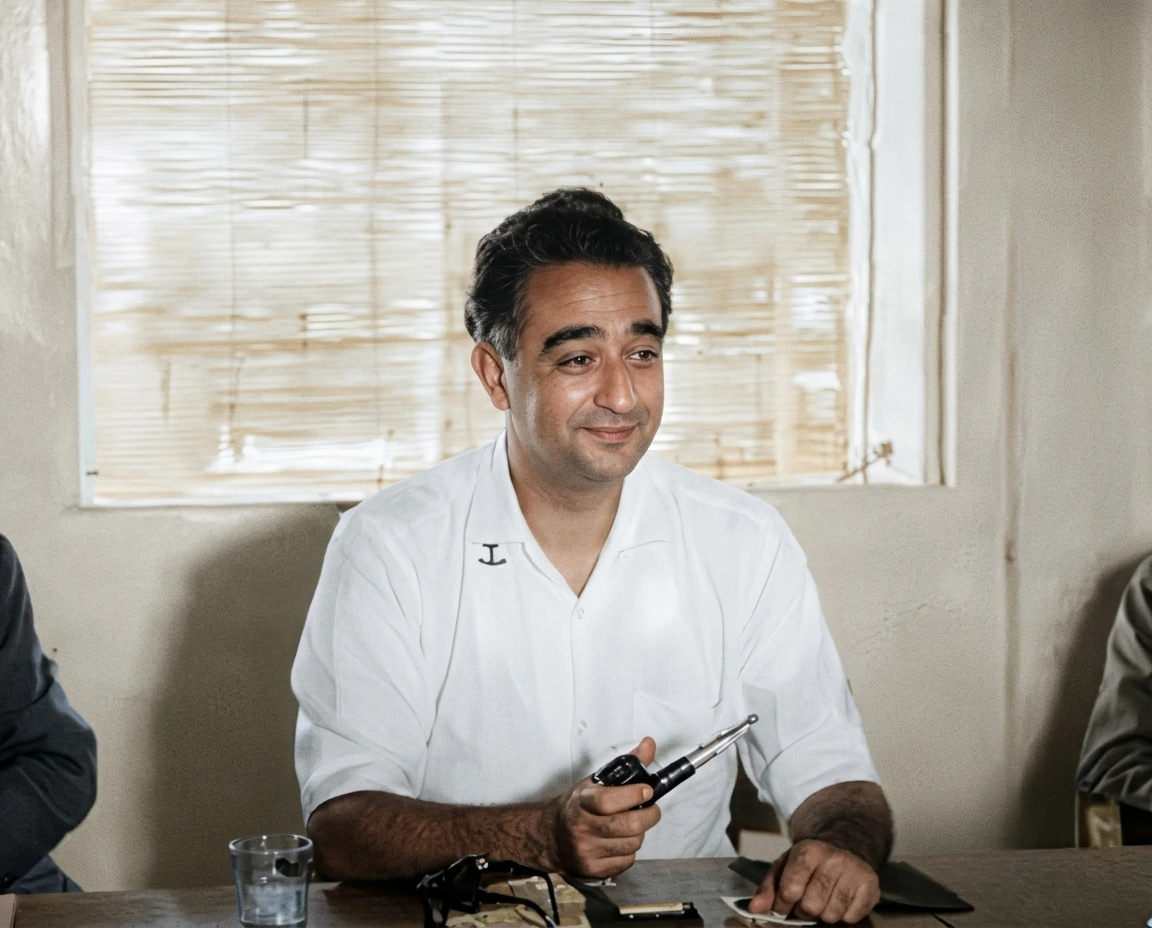
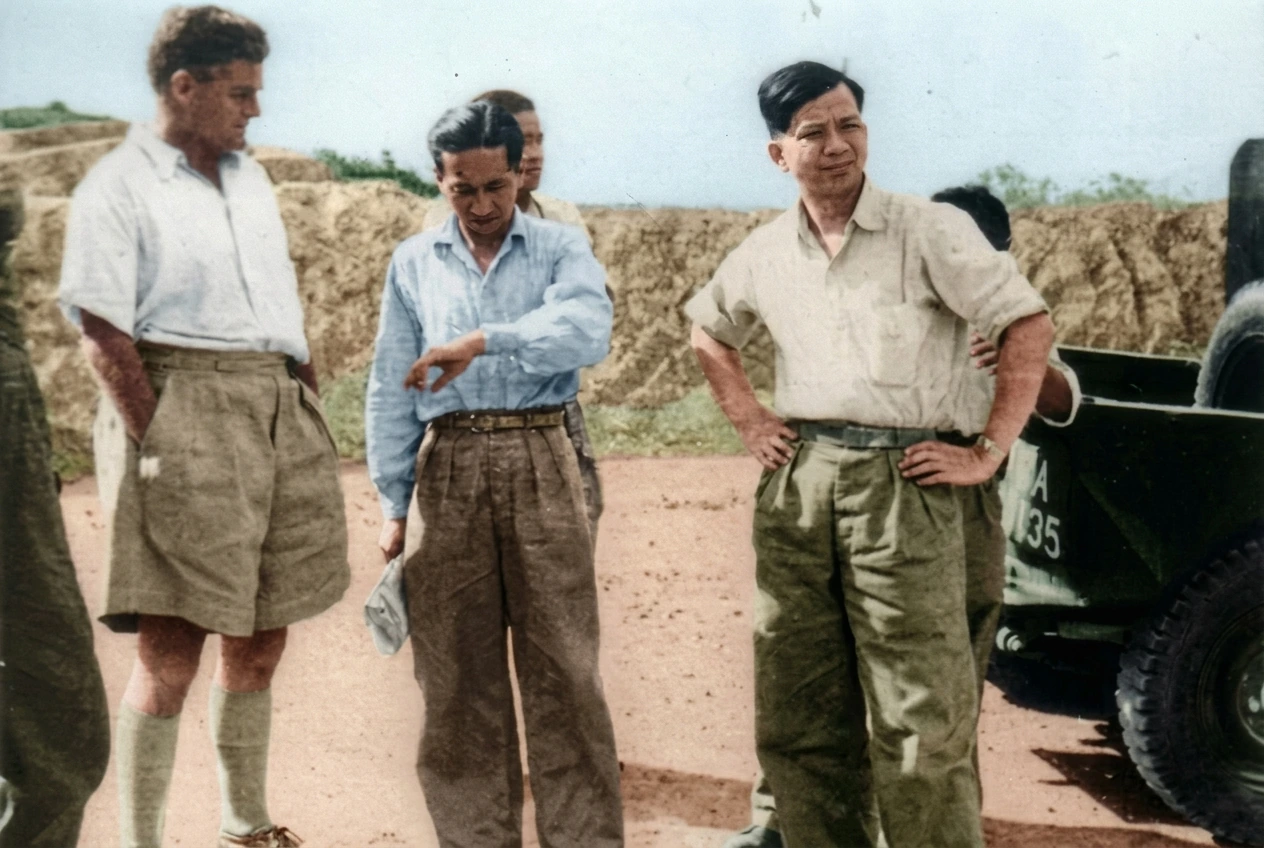
更为关键的是,在12月29日华玲和谈的最后关头,陈平以卓越的政治远见投下了一枚改写马来亚现代史的震撼弹。他当场向东姑阿都拉曼庄严承诺:“只要民选的马来亚联合邦政府获得完全的内部安全控制权与本地武装部队指挥权,马共就立即停止敌对行动、放下武器!”这一掷地有声的政治承诺,瞬间抽空了大英帝国以“剿共平乱”为借口继续赖在马来亚实行殖民统治的一切法理基础。华玲和谈结束后仅两天,东姑阿都拉曼便挟此筹码启程飞赴伦敦,迫使英国政府签署独立时间表;二十个月后的1957年8月31日,马来亚联合邦正式宣告独立(详见第14集、第15集)。
因此,当西方殖民史学惯常以“马共未能夺取全国政权”来宣判陈平“失败”时,晚年陈平在反思录中给出了极具辩证穿透力的历史定评:在建立共产党领导的“人民民主”政府这一终极目标上,马共固然未能如愿;但在终结英国殖民统治、迫使大英帝国提前交出马来亚独立政权这一决定性历史使命上,陈平与他的战友们赢得了无可辩驳的伟大胜利!
Crucially, during the final session on December 29, 1955, Chin Peng delivered a masterstroke that irrevocably altered Malayan history. He solemnly pledged to Tunku Abdul Rahman that the moment the elected Federation government obtained full sovereign control over internal security and local armed forces, the CPM would immediately cease hostilities and lay down its arms. This single pledge stripped Whitehall of its pretext for continued colonial occupation. Within forty-eight hours of leaving Baling, Tunku departed for London with vastly strengthened leverage, compelling Britain to agree to full independence on August 31, 1957 (Episodes 14 and 15).
Thus, confronting colonial historiography that dismissed the CPM as 'defeated' because it did not capture state power, Chin Peng articulated a profound dialectical assessment: while the CPM did not achieve its ultimate goal of a communist-led people's democracy, it was unequivocally victorious in its struggle to force the British Empire to grant Malaya its independence years—or decades—ahead of schedule.
从某种意义上说,我们确实失败了。我们未能实现建立一个由共产党领导、也就是我们所谓“人民民主”的政府这一目标。
但是,在迫使英国给予马来亚独立的斗争中,我们并没有失败。没有我们的武装斗争,我不认为英国会给予马来亚独立,至少会被拖延许多年。我并不认为这是耻辱。
至少,我从未投降,而我至今仍感到一种自豪。这种自豪不是为了我个人,而是为了我们的运动和所有支持我们的人。我们同一个大国进行了长达十二年的武装斗争,使之成为二十世纪大英帝国内持续时间最长、规模最大的一场游击战争。In a sense, we were defeated; we failed to achieve our ultimate goal of establishing a communist-led government, what we called a people's democracy.— 陈平 | Chin Peng
However, we were not defeated in our struggle to force the British to grant Malaya its independence. Without our armed struggle, I do not believe the British would have granted independence—or, at the very least, it would have been delayed for many more years. I do not consider this a humiliation.
At least I never surrendered, and I still feel a sense of pride—not for myself, but for our movement and for all our supporters. We sustained a military struggle for twelve years against a major power, making it the longest and largest-scale guerrilla war in the twentieth-century British Empire.
宣传说我依旧毫无悔意。某种程度上确实如此。但我想问,我又该为什么后悔?我并不后悔为了我当时认为(而且至今仍认为)正义的事业而战。
是时候让英国人退出,别再剥削马来亚的资源与人民去偿还他们的债务、维系他们的帝国地位。是时候让我们在属于自己的土地上独立。我对这一信念毫无悔意,也从不后悔自己的社会主义信仰。Propaganda would have it that I am still unrepentant. To a degree, this is true, but unrepentant of what, I ask. I do not regret having fought for what I considered and still consider a just cause.— 陈平 | Chin Peng
It was time the British quit, stopped exploiting Malaya’s resources and people to pay off her debts and maintain her Empire status. It was time we stood independent on our own soil. I am unrepentant of this conviction, nor do I ever regret my socialist faith.
第五章:从北上征途到合艾尊严终局:电波长城与跨越世纪的平反和解(1960–2002)
Chapter 5: From the Northern March to the Dignified Haadyai Conclusion: The Great Wall of Radio Waves and Century-Spanning Redress and Reconciliation (1960–2002)
1957年马来亚联合邦独立后,由于英国与联盟政权背弃华玲承诺、拒绝承认马共合法地位并悍然封杀马共多次提出的和平停火倡议,战火被迫延烧至泰马边境丛林。1960年底,受马共中央委托,陈平踏上了跨越泰、老、越、中四国的千里秘密征途(详见第28集):他先后在河内会见胡志明主席,在北京受到毛泽东主席、周恩来总理、邓小平总书记的亲切接见,并于1961年远赴苏联莫斯科开展国际党际考察与访问。1969年“五一三事件”爆发后(详见第22集),在陈平与马共中央领导下,由陈田等人在中国湖南益阳“691工程”主持创建《马来亚革命之声》短波广播电台(详见第21集、第23集),以电波长城冲破新马当局的舆论封锁,维系了长达二十余年的战略相持。
历史的车轮驶入1980年代末,随着国际冷战格局演进与东南亚步入和平发展新时期,如何为长达四十余年的武装斗争画上无愧于先烈与战友的句号,考验着马共中央最高领导层的政治远见与历史担当。陈平与马共中央敏锐把握1988年至1989年的历史窗口期,在边境根据地防线稳固、部队建制完整的态势下,主动开启普吉岛五轮三方正式会谈(详见第24集)。贯穿整个谈判过程,陈平始终坚守着三十四年前在华玲确立的那条铁律:“我希望和平,但是我们的同志不能受侮辱,这是基本条件。”
1989年12月2日,在泰南合艾市蠡园酒店(Lee Gardens Hotel),六十五岁的陈平同阿都拉·西迪、拉昔·迈丁代表马共,与马来西亚政府及泰王国政府全权代表庄严签署《合艾和平协议》(详见第25集)。这份载入世界冲突解决史册的对等和平条约,通篇没有一个“投降”字眼,不解散马共政党组织,由马共领导的部队自行销毁武器,并切实保障返马人员的宪法权利及留泰人员在四个朱拉蓬公主发展村(和平村)的土地与国籍。协议签署后,阔别丛林二十八年的陈平亲自走访各支队营地,与饱经风霜的指战员们一一握手拥抱。
更彰显革命家磊落胸怀的是,面对1960年代末北马局在敌特离间与密林隔绝下犯下的“肃反扩大化”历史创伤及由此引发的党军分裂(详见第27集),陈平绝不回避错误、绝不文过饰非。1990年5月,马共签署历史性《平反协议书》,向88名受冤牺牲同志公开平反道歉、追认烈士并建碑昭雪;2002年8月曼谷会议上,陈平更以博大胸襟力排众议,将原分裂派系(和平村与友谊村)数百名基层官兵一并纳入泰国公民权解决名单,实现了跨越三十五年的世纪大和解。回望一生中的功过得失、善行与判断失误,晚年陈平写下了极具人生厚度的哲思:
After Malaya achieved independence in 1957, the Alliance government—backed by Britain—rejected the CPM's repeated peace overtures and demanded unconditional surrender, forcing the conflict to continue along the Thai-Malayan border. In late 1960, entrusted by the CPM Central Committee, Chin Peng embarked on an arduous overland journey through Thailand, Laos, and Vietnam to China (Episode 28), meeting President Ho Chi Minh in Hanoi and Chairman Mao Zedong, Premier Zhou Enlai, and General Secretary Deng Xiaoping in Beijing, and visiting Moscow in 1961 for fraternal inter-party consultations and study. Following the May 13, 1969 crisis (Episode 22), under the leadership of Chin Peng and the CPM Central Committee, comrades led by Chen Tien established the 'Voice of the Malayan Revolution' shortwave radio station at Project 691 in Yiyang, Hunan (Episodes 21 and 23), breaking the media embargo across Southeast Asia.
At the close of the 1980s, with the Cold War winding down and Southeast Asia entering a new era of economic development, bringing more than four decades of armed struggle to an honorable conclusion required extraordinary political foresight and historical responsibility. Chin Peng and the CPM Central Committee seized the 1988–1989 window to initiate five rounds of tripartite talks in Phuket from a position of intact military organization (Episode 24). Throughout the negotiations, Chin Peng upheld the same bedrock principle he had defended at Baling thirty-four years earlier: 'I had desired peace, but it was fundamental that my men and women were not roundly humiliated.'
On December 2, 1989, at the Lee Gardens Hotel in Hat Yai, sixty-five-year-old Chin Peng, alongside Abdullah C.D. and Rashid Maidin, signed the historic Haadyai Peace Accord with plenipotentiaries of the Malaysian and Royal Thai governments (Episode 25). Rejecting any language of surrender, preserving the Party, providing for the self-destruction of weapons, and securing land and citizenship in four Chulabhorn Development Villages alongside constitutional rights for returnees, the accord achieved peace with full dignity. Immediately after the signing, Chin Peng visited the border camps to embrace and thank the rank-and-file fighters.
Equally defining was Chin Peng's moral courage in confronting internal historical wounds—specifically the tragic late-1960s counter-espionage purge excesses and the resulting factional split (Episode 27). In May 1990, the CPM executed the landmark Redress Agreement, formally apologizing and rehabilitating 88 wrongfully executed comrades as martyrs; and at the August 2002 Bangkok meeting, Chin Peng magnanimously intervened to secure Thai citizenship for hundreds of former breakaway rank-and-file fighters, sealing a historic reconciliation between Peace Villages and Friendship Villages. Reflecting on the interwoven fabric of a lifetime's deeds, errors, and choices, Chin Peng wrote:
1957年马来亚联合邦独立后,由于英国与联盟政权背弃华玲承诺、拒绝承认马共合法地位并悍然封杀马共多次提出的和平停火倡议,战火被迫延烧至泰马边境丛林。1960年底,受马共中央委托,陈平踏上了跨越泰、老、越、中四国的千里秘密征途(详见第28集):他先后在河内会见胡志明主席,在北京受到毛泽东主席、周恩来总理、邓小平总书记的亲切接见,并于1961年远赴苏联莫斯科开展国际党际考察与访问。1969年“五一三事件”爆发后(详见第22集),在陈平与马共中央领导下,由陈田等人在中国湖南益阳“691工程”主持创建《马来亚革命之声》短波广播电台(详见第21集、第23集),以电波长城冲破新马当局的舆论封锁,维系了长达二十余年的战略相持。
历史的车轮驶入1980年代末,随着国际冷战格局演进与东南亚步入和平发展新时期,如何为长达四十余年的武装斗争画上无愧于先烈与战友的句号,考验着马共中央最高领导层的政治远见与历史担当。陈平与马共中央敏锐把握1988年至1989年的历史窗口期,在边境根据地防线稳固、部队建制完整的态势下,主动开启普吉岛五轮三方正式会谈(详见第24集)。贯穿整个谈判过程,陈平始终坚守着三十四年前在华玲确立的那条铁律:“我希望和平,但是我们的同志不能受侮辱,这是基本条件。”
After Malaya achieved independence in 1957, the Alliance government—backed by Britain—rejected the CPM's repeated peace overtures and demanded unconditional surrender, forcing the conflict to continue along the Thai-Malayan border. In late 1960, entrusted by the CPM Central Committee, Chin Peng embarked on an arduous overland journey through Thailand, Laos, and Vietnam to China (Episode 28), meeting President Ho Chi Minh in Hanoi and Chairman Mao Zedong, Premier Zhou Enlai, and General Secretary Deng Xiaoping in Beijing, and visiting Moscow in 1961 for fraternal inter-party consultations and study. Following the May 13, 1969 crisis (Episode 22), under the leadership of Chin Peng and the CPM Central Committee, comrades led by Chen Tien established the 'Voice of the Malayan Revolution' shortwave radio station at Project 691 in Yiyang, Hunan (Episodes 21 and 23), breaking the media embargo across Southeast Asia.
At the close of the 1980s, with the Cold War winding down and Southeast Asia entering a new era of economic development, bringing more than four decades of armed struggle to an honorable conclusion required extraordinary political foresight and historical responsibility. Chin Peng and the CPM Central Committee seized the 1988–1989 window to initiate five rounds of tripartite talks in Phuket from a position of intact military organization (Episode 24). Throughout the negotiations, Chin Peng upheld the same bedrock principle he had defended at Baling thirty-four years earlier: 'I had desired peace, but it was fundamental that my men and women were not roundly humiliated.'
我希望和平,但是我们的同志不能受侮辱,这是基本条件。I had desired peace but it was fundamental that my men and women were not roundly humiliated.— 陈平 | Chin Peng
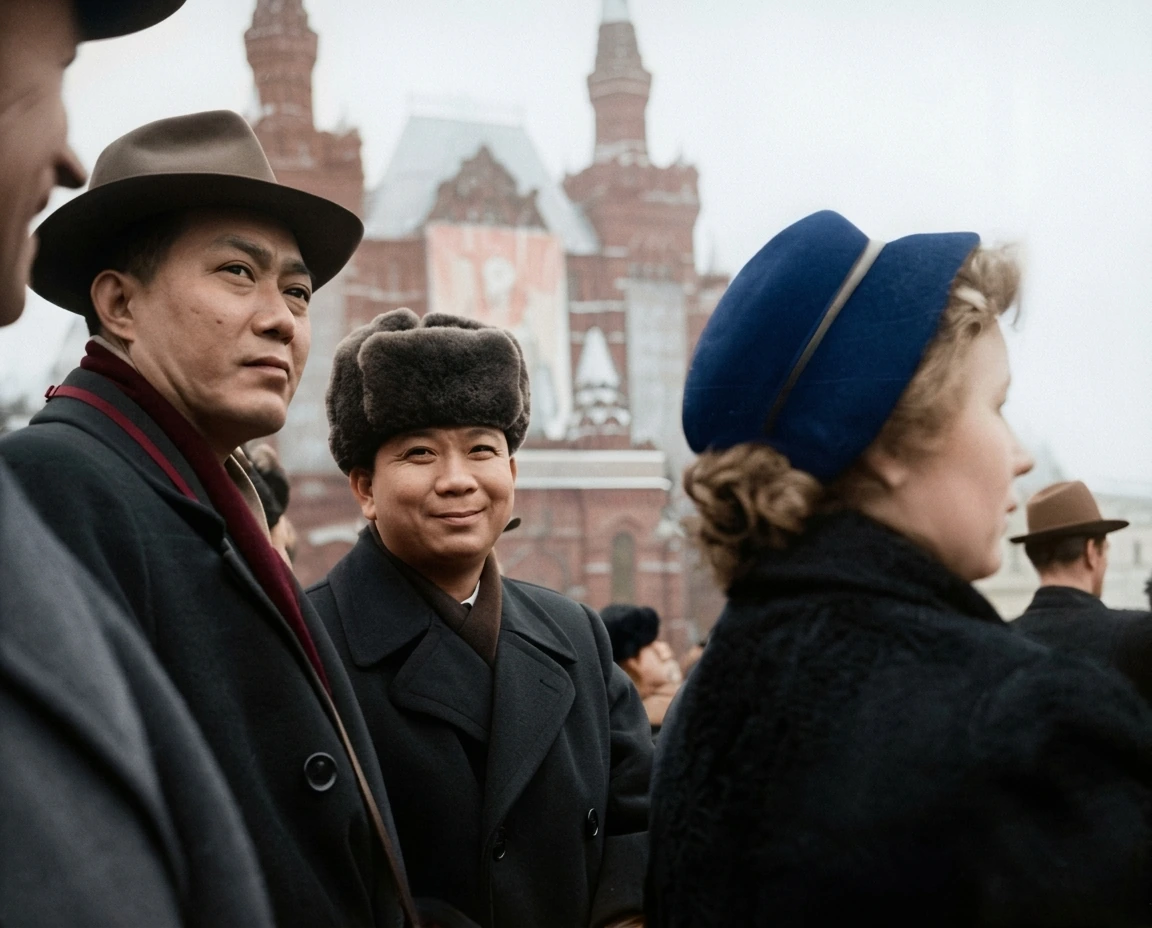
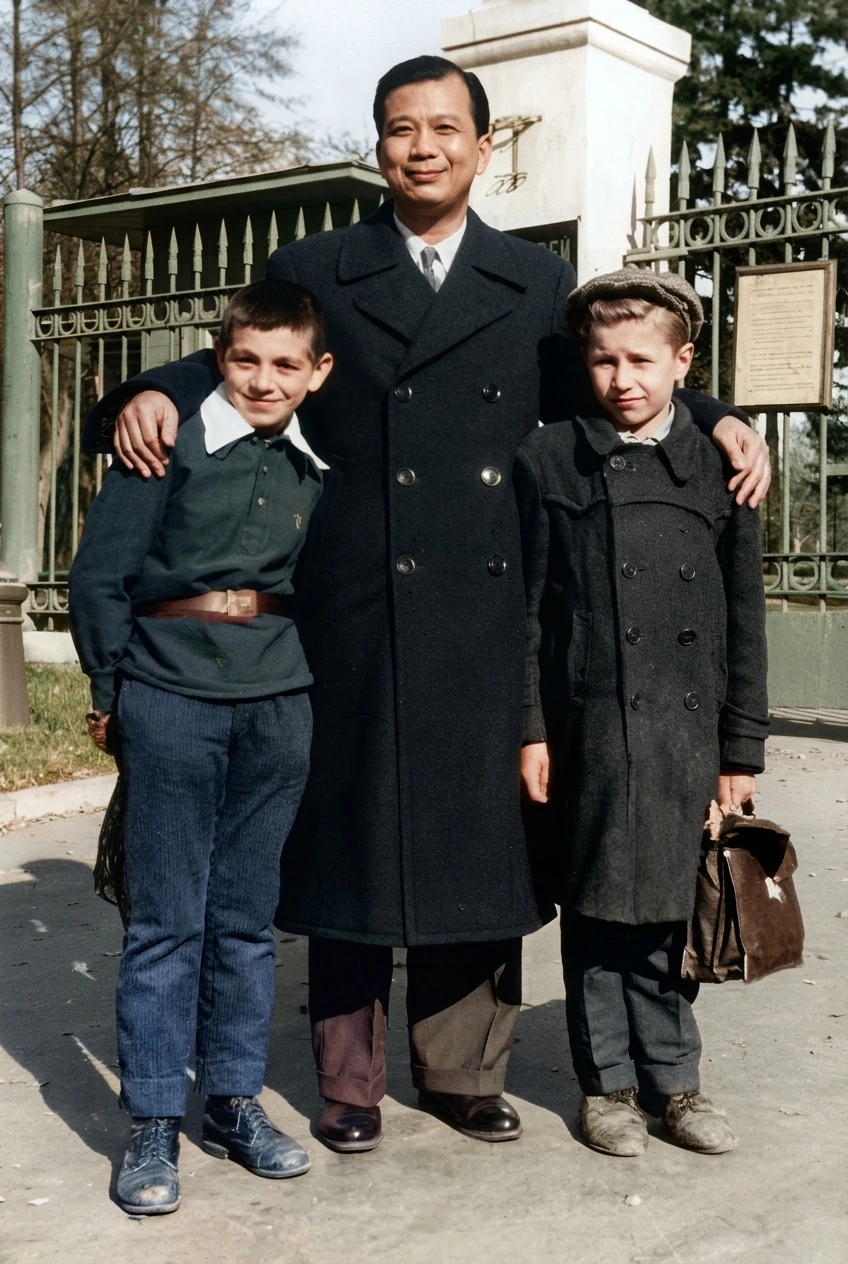
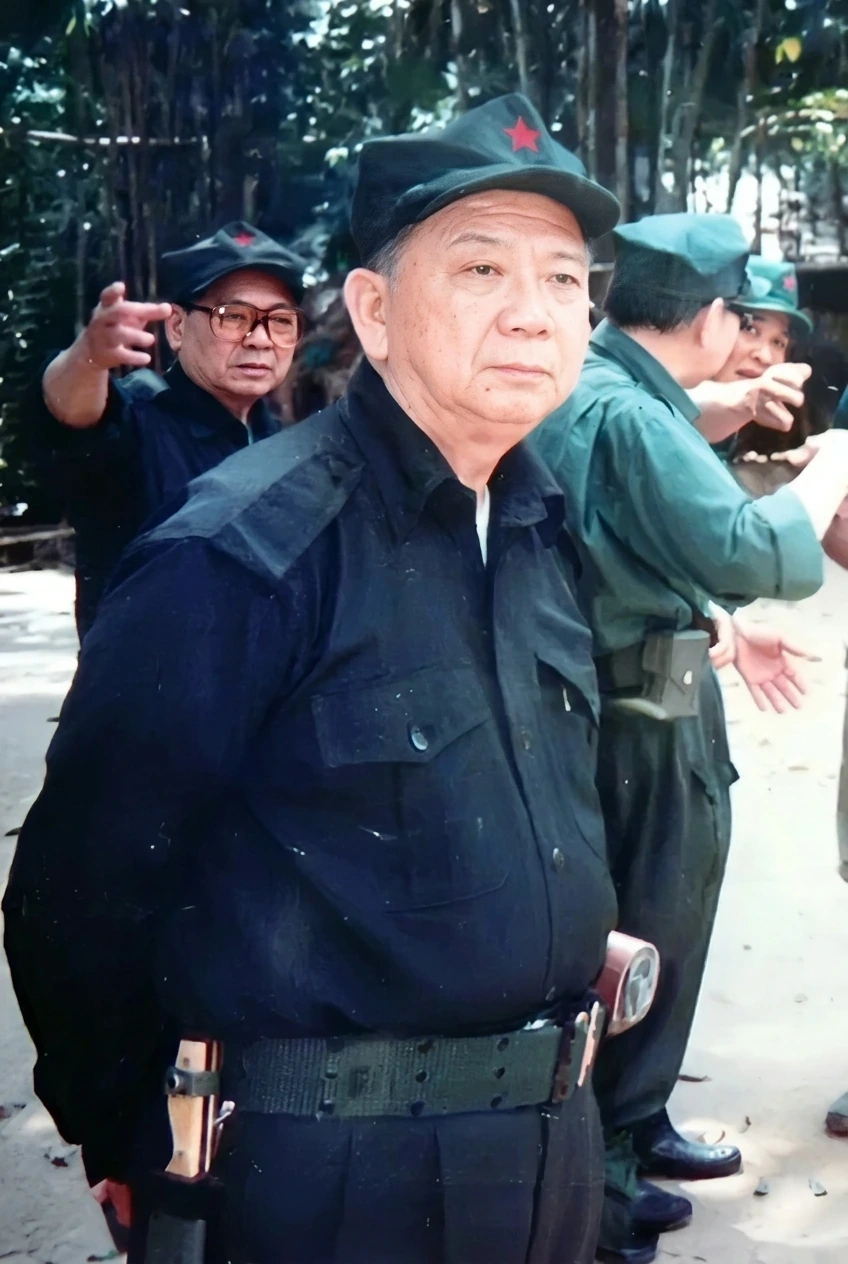
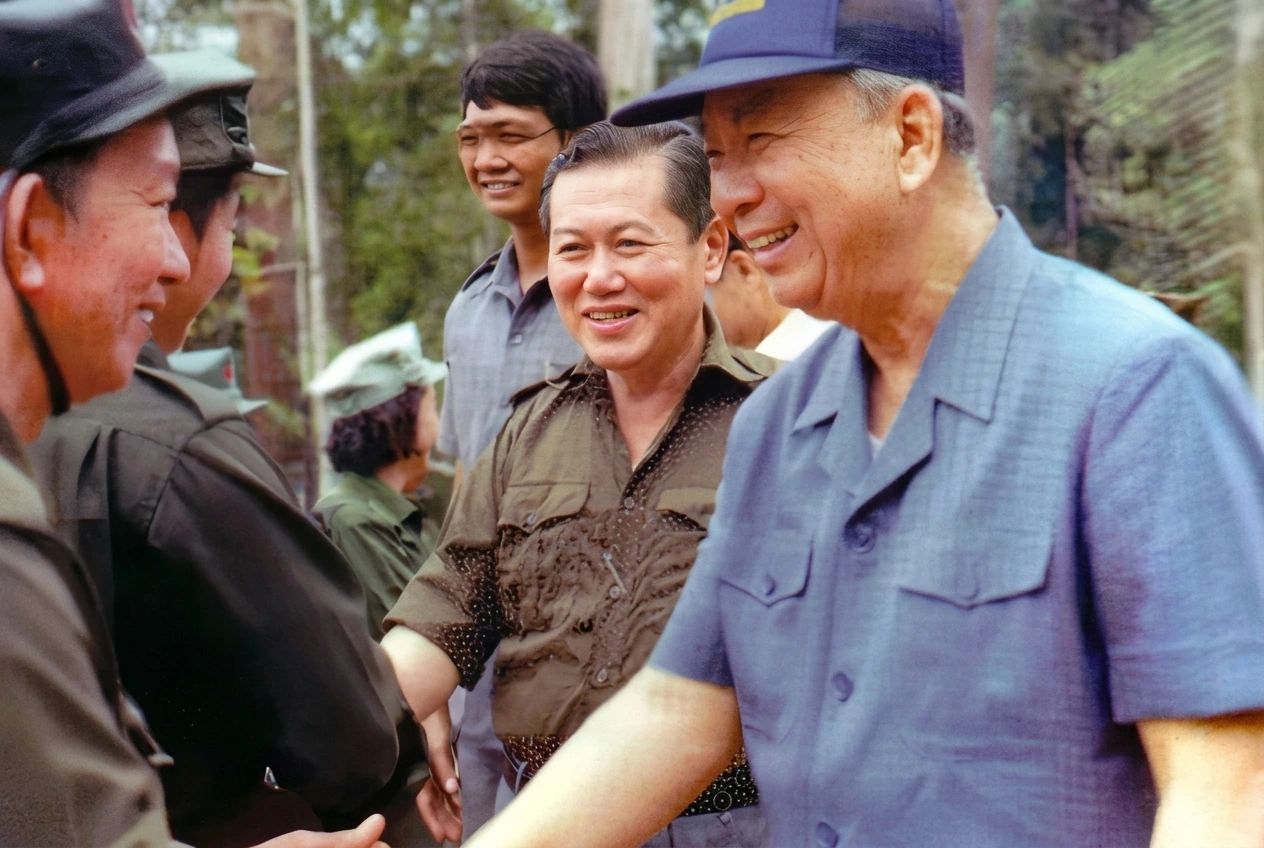
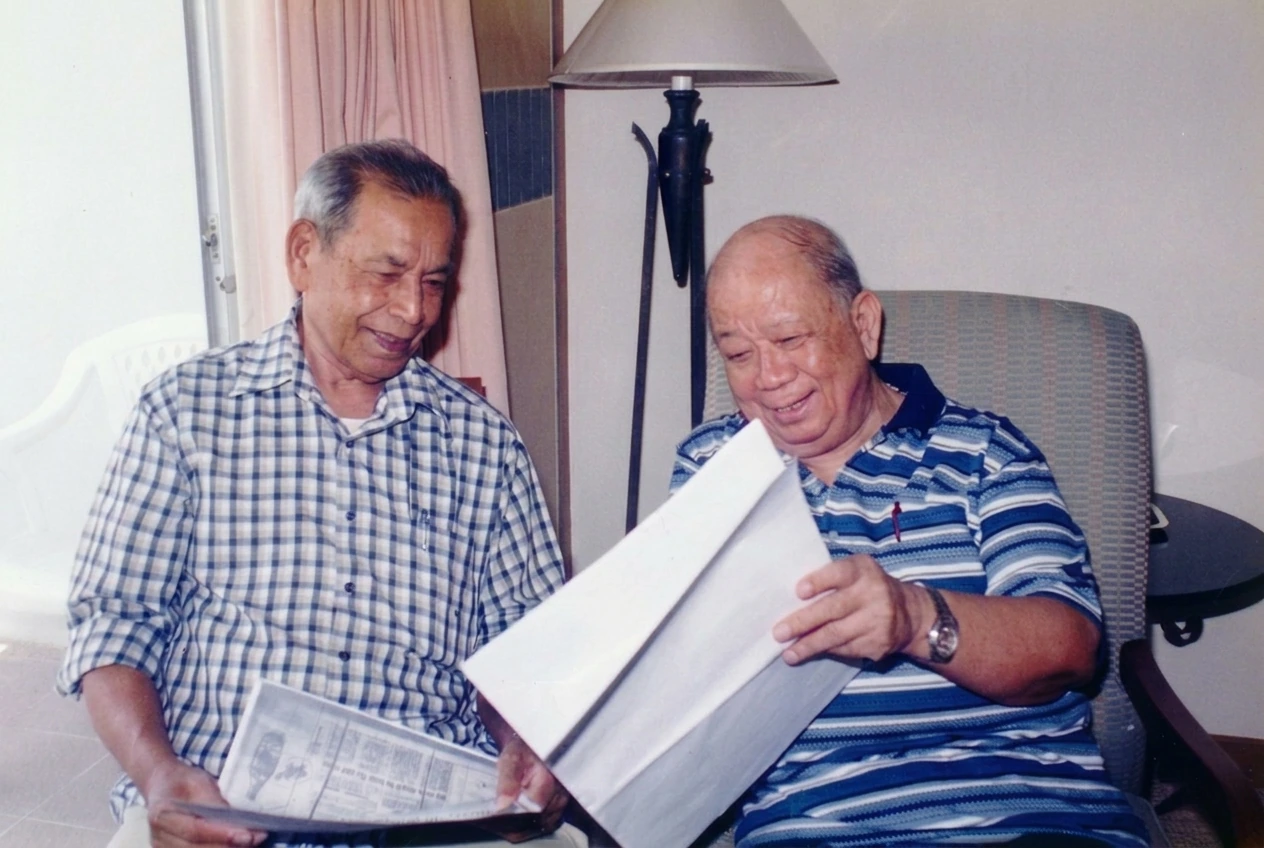
1989年12月2日,在泰南合艾市蠡园酒店(Lee Gardens Hotel),六十五岁的陈平同阿都拉·西迪、拉昔·迈丁代表马共,与马来西亚政府及泰王国政府全权代表庄严签署《合艾和平协议》(详见第25集)。这份载入世界冲突解决史册的对等和平条约,通篇没有一个“投降”字眼,不解散马共政党组织,由马共领导的部队自行销毁武器,并切实保障返马人员的宪法权利及留泰人员在四个朱拉蓬公主发展村(和平村)的土地与国籍。协议签署后,阔别丛林二十八年的陈平亲自走访各支队营地,与饱经风霜的指战员们一一握手拥抱。
更彰显革命家磊落胸怀的是,面对1960年代末北马局在敌特离间与密林隔绝下犯下的“肃反扩大化”历史创伤及由此引发的党军分裂(详见第27集),陈平绝不回避错误、绝不文过饰非。1990年5月,马共签署历史性《平反协议书》,向88名受冤牺牲同志公开平反道歉、追认烈士并建碑昭雪;2002年8月曼谷会议上,陈平更以博大胸襟力排众议,将原分裂派系(和平村与友谊村)数百名基层官兵一并纳入泰国公民权解决名单,实现了跨越三十五年的世纪大和解。回望一生中的功过得失、善行与判断失误,晚年陈平写下了极具人生厚度的哲思:
On December 2, 1989, at the Lee Gardens Hotel in Hat Yai, sixty-five-year-old Chin Peng, alongside Abdullah C.D. and Rashid Maidin, signed the historic Haadyai Peace Accord with plenipotentiaries of the Malaysian and Royal Thai governments (Episode 25). Rejecting any language of surrender, preserving the Party, providing for the self-destruction of weapons, and securing land and citizenship in four Chulabhorn Development Villages alongside constitutional rights for returnees, the accord achieved peace with full dignity. Immediately after the signing, Chin Peng visited the border camps to embrace and thank the rank-and-file fighters.
Equally defining was Chin Peng's moral courage in confronting internal historical wounds—specifically the tragic late-1960s counter-espionage purge excesses and the resulting factional split (Episode 27). In May 1990, the CPM executed the landmark Redress Agreement, formally apologizing and rehabilitating 88 wrongfully executed comrades as martyrs; and at the August 2002 Bangkok meeting, Chin Peng magnanimously intervened to secure Thai citizenship for hundreds of former breakaway rank-and-file fighters, sealing a historic reconciliation between Peace Villages and Friendship Villages. Reflecting on the interwoven fabric of a lifetime's deeds, errors, and choices, Chin Peng wrote:
我不认为你能把“生命”真正地分裂成无懈可击的“列车”,而相信各个“行囊”之间没有任何的关联。
善行、判断失误、算计疏漏、善良与慷慨,甚至那些充满敌意的时刻。这一切都交织在一起,共同决定了我们生活的真实品质。
年轻时做下的那些令人惋惜的妥协,会在晚年化作一次次现实的拷问,也化作内心最终的隐忧。I don’t think you can truly split your life into neat, watertight compartments and believe that the parcels have no bearing whatsoever on one another.— 陈平 | Chin Peng
Good deeds, errors of judgment, miscalculations, acts of kindness and generosity, times of ill-will — they are all realities that interweave and determine the genuine quality of our lives.
The sad compromises of youth will be the reality checks and the ultimate unease of old age.
第六章:超越胜败的世纪哲思:晚年学术破冰、归乡夙愿、社会主义反思与文明遗训(1990–2013)
Chapter 6: Philosophical Reflections Beyond Victory and Defeat: Academic Dialogues, Unfulfilled Homecoming, Socialist Introspection, and Final Testament (1990–2013)
《合艾和平协议》签署后定居泰国曼谷的晚年岁月里,这位曾长期选择“暗中领导、避免引人注目”的东南亚最后一代老革命领袖,并未停下思想探索的脚步,而是将半个多世纪的武装斗争经验与人生苦难,沉淀为面向国际史学界与未来年轻世代的深刻历史总结。
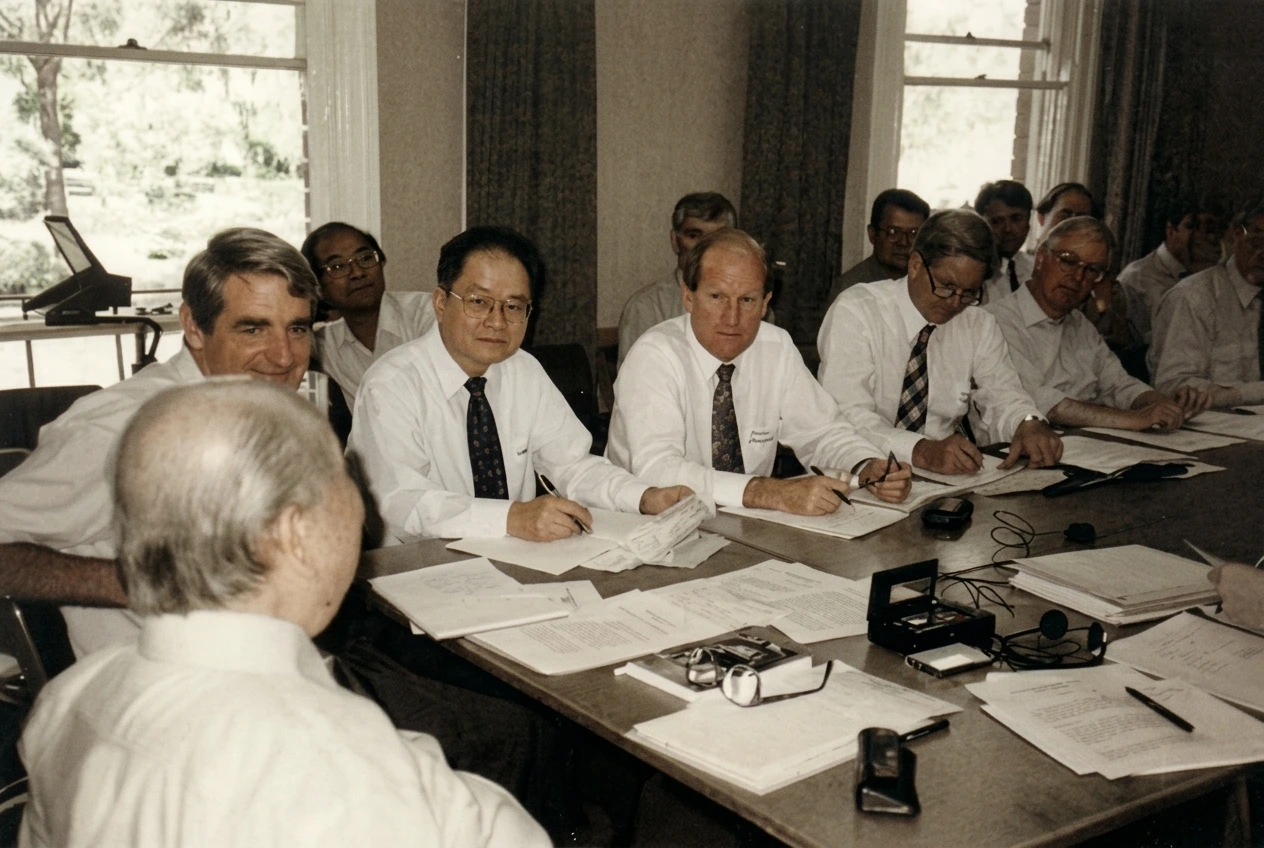
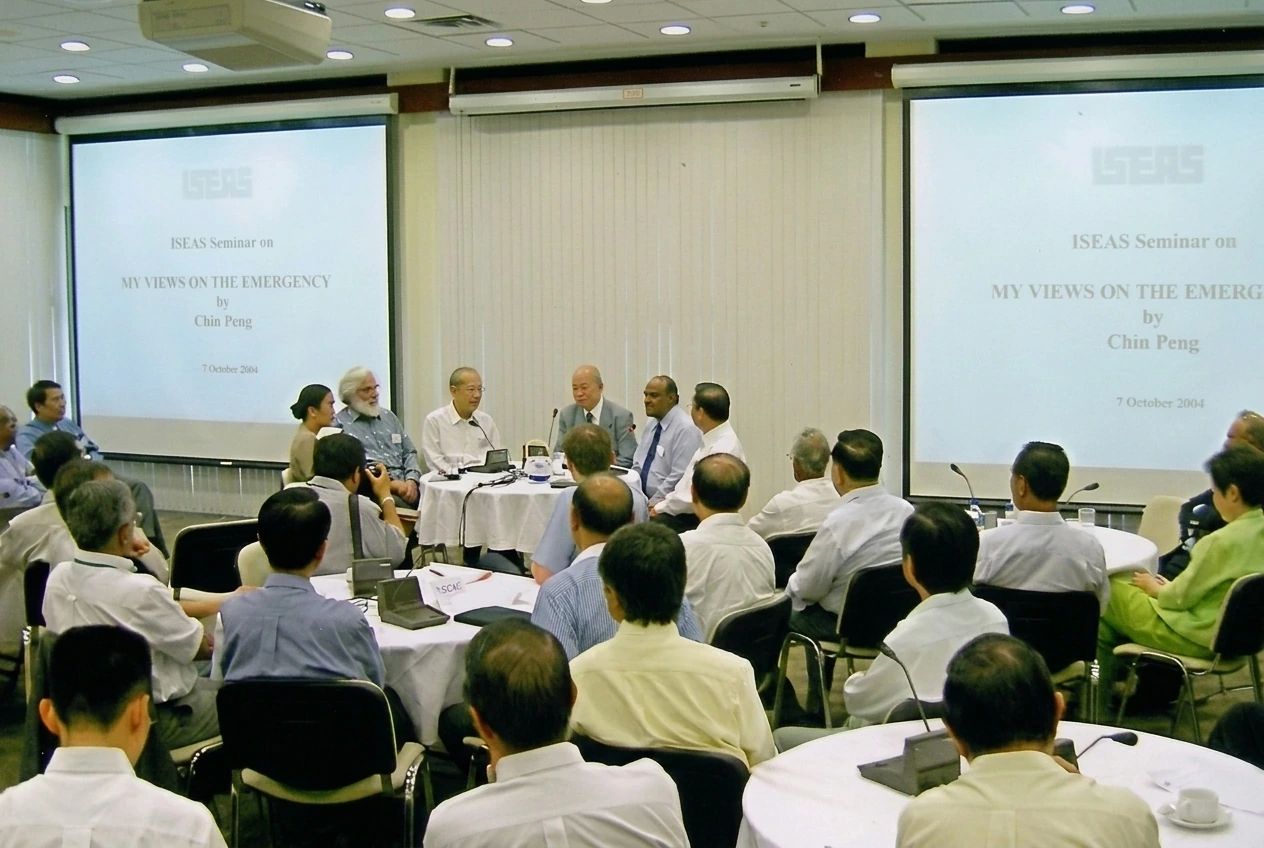
1999年2月,陈平应邀飞赴澳大利亚首都堪培拉,出席澳大利亚国立大学(ANU)举办的国际学术研讨会,与安东尼·里德(Anthony Reid)、卡尔·哈克(Karl Hack)、陈剑等知名学者围绕马共党史展开深度对话(会议成果后结集为《与陈平对话:马来亚共产主义的往事》*Dialogues with Chin Peng: New Light on the Malayan Communist Party*);2003年,他的英文回忆录《我方的历史》(*My Side of History*)正式出版;2004年10月7日,八十岁高龄的陈平更应新加坡东南亚研究院(ISEAS)邀请访问新加坡,出席《我对紧急状态的看法》(*My Views on the Emergency*)专题学术研讨会,在狮城学界与舆论界掀起巨大回响。
在这些跨世纪的反思中,陈平对自己的共产主义与社会主义信仰进行了极为深刻、实事求是的总结。一方面,他坦然重申自己终生是一名社会主义者,坚信追求财富公平分配与平等公正社会的目标本身绝没有错;另一方面,他摒弃了僵化的教条主义,明确指出在现代马来西亚与新加坡的社会条件下,他早已放弃将“无产阶级专政”作为行政蓝图的核心概念,并清醒地断定基于暴力的武装革命已不再适用于民生安稳、社会接纳的现代新马社会:
与此同时,在个人命运与家国情怀的交汇处,晚年陈平也承受着漫长而令人沮丧的流亡等待。按照1989年12月2日《合艾和平协议》第三项条款之庄严约定,原属马来西亚籍的马共成员在履行和平协议义务后,完全享有返回马来西亚定居的合法权利。陈平在信守诺言、领导部队彻底完成销毁武器与下山和平安置的历史职责后,于1990年后期依约提交了返回马来西亚定居的正式申请,却在1991年12月底遭到马来西亚当局驳回。八年后的1999年初,一名驻泰南也拉(Yala)的马来西亚政治部官员曾主动询问陈平是否愿意申请以“观光旅行”(sightseeing tour)的名义回国;陈平毫不犹豫地回答“当然”,并恳切表达了人生最崇高的孝道夙愿:重返故乡霹雳州,前往位于实兆远(Sitiawan)与红土坎(Lumut)中途的华侨墓地,向祖父、父母及兄弟们的坟墓鞠躬祭拜。然而,这桩合情、合理、合法的归乡扫墓心愿,却被当局以种种政治借口一再搁置,甚至在2000年代诉诸马来西亚各级法院后仍遭强行阻挠。面对有家难归的羁旅孤寂,这位为反殖独立事业献出毕生年华的老革命家没有怨天尤人,而是以一句“如果这种持续的流亡,是我为了实现‘解放马来亚’的梦想所必须付出的代价,那就这样吧”,道尽了超越个人荣辱的苍凉与坦荡:
尤为震撼人心的是,站在二十一世纪的门槛上,这位曾在热带丛林中过着最简朴游击生活、拒绝过一切世俗名利诱惑的世纪老人,将目光投向了手机与个人电脑时代的现代人类文明。他敏锐地洞察到,当现代社会将“贪婪”(Greed)与“物质主义”(Materialism)奉为圭臬,当人们在陡峭的成功阶梯上不断制造虚假的消费欲望、混淆“基本需求”(need)与“一时冲动”(whim)时,人类精神正滑向情绪崩溃与自我毁灭的深渊。
2013年9月16日,八十九岁的陈平在曼谷安详辞世,留下了最后绝笔《我的遗愿》(详见第26集):“归根结底,我只希望后人记得我是一个好人,一个可以向世界宣告他敢于穷其一生追求自己的理想、要为人民创造一个更美好社会的人。究竟成功或失败,并没有关系,至少我做了努力。我深信社会公义和人文主义的火焰决不会熄灭。”从实兆远胶园的觉醒少年,到丛林烽火中的统帅,再到晚年洞穿物质主义迷雾的智者,陈平用自己波澜壮阔的革命人生,为后世留下了那句超越时代胜败的文明遗训:“最终,我认为所有文明只能回归于无价的价值观。”
Settling in Bangkok after the signing of the Haadyai Peace Accord, Chin Peng—who saw himself as 'the last of the region's old revolutionary leaders' who had chosen 'to lead from the shadows, away from the limelight'—distilled more than half a century of armed struggle and historical experience into candid philosophical reflections for scholars and younger generations looking beyond their computer and palmtop screens.
In February 1999, Chin Peng traveled to Canberra to participate in a landmark workshop with historians at the Australian National University (ANU), including Anthony Reid, Karl Hack, and C.C. Chin (published as *Dialogues with Chin Peng: New Light on the Malayan Communist Party*). In 2003, he published his memoir *My Side of History*; and on October 7, 2004, at age eighty, he addressed a packed seminar at the Institute of Southeast Asian Studies (ISEAS) in Singapore titled 'My Views on the Emergency.'
In these candid reflections, Chin Peng evaluated his lifelong communist and socialist convictions with remarkable intellectual honesty. On the one hand, he reaffirmed that he remained a socialist committed to the equitable distribution of wealth and an equal, just society. On the other hand, rejecting rigid dogma, he stated unequivocally that in the Malaysian context he had dropped the concept of the 'dictatorship of the proletariat' as an administrative blueprint, and recognized that violent revolution had no application in modern Malaysia or Singapore where citizens lead stable lives:
At the same time, at the intersection of personal destiny and homeland devotion, Chin Peng endured the long, frustrating wait of continuing exile. Under Clause 3 of the December 2, 1989 Haadyai Peace Accord, Malaysian-origin CPM members who fulfilled their obligations under the accord were explicitly guaranteed the right to return and settle in Malaysia. Having scrupulously honored his end of the peace accords by overseeing the complete destruction of weapons and the demobilization of the armed units, Chin Peng submitted formal applications in late 1990 to settle down in Malaysia, only to have them rejected at the end of December 1991. Eight years later, in early 1999, when a Special Branch officer in Yala, southern Thailand, inquired whether he would like to apply for a 'sightseeing tour' to visit the country, Chin Peng immediately replied, 'Of course,' expressing the filial duty that remained uppermost in his mind: to return to his hometown in Perak and pay homage at the graves of his grandfather, parents, and brothers in the Chinese cemetery halfway between Sitiawan and Lumut. Yet even this modest wish—and his subsequent legal battle through the Malaysian courts in the 2000s—remained unresolved during his lifetime. Confronting this protracted banishment from the homeland he had fought to liberate, the old revolutionary accepted his fate with stoic dignity:
Most prophetically, standing at the threshold of the twenty-first century, the old revolutionary who had spurned imperial honors and lived for decades in the austere rainforest directed his gaze toward modern consumer civilization. He warned that a society driven wholly by greed and materialism—where people climb an ever-steeper ladder of success while confusing genuine needs with invented desires—would ultimately face emotional exhaustion and self-destruction.
On September 16, 2013, Chin Peng passed away in Bangkok at the age of eighty-nine, leaving behind his farewell testament 'My Last Wish' (Episode 26): 'In the final analysis, I wish to be remembered simply as a good man who could tell the world that he had dared to spend his entire life in the pursuit of his own ideals to create a better world for his people... It is my conviction that the flames of social justice and humanity will never die.' Across an eighty-nine-year revolutionary life, Chin Peng bequeathed to posterity an enduring philosophical conviction: 'In the end, I think all civilisations can only return to priceless values.'
《合艾和平协议》签署后定居泰国曼谷的晚年岁月里,这位曾长期选择“暗中领导、避免引人注目”的东南亚最后一代老革命领袖,并未停下思想探索的脚步,而是将半个多世纪的武装斗争经验与人生苦难,沉淀为面向国际史学界与未来年轻世代的深刻历史总结。
1999年2月,陈平应邀飞赴澳大利亚首都堪培拉,出席澳大利亚国立大学(ANU)举办的国际学术研讨会,与安东尼·里德(Anthony Reid)、卡尔·哈克(Karl Hack)、陈剑等知名学者围绕马共党史展开深度对话(会议成果后结集为《与陈平对话:马来亚共产主义的往事》*Dialogues with Chin Peng: New Light on the Malayan Communist Party*);2003年,他的英文回忆录《我方的历史》(*My Side of History*)正式出版;2004年10月7日,八十岁高龄的陈平更应新加坡东南亚研究院(ISEAS)邀请访问新加坡,出席《我对紧急状态的看法》(*My Views on the Emergency*)专题学术研讨会,在狮城学界与舆论界掀起巨大回响。
Settling in Bangkok after the signing of the Haadyai Peace Accord, Chin Peng—who saw himself as 'the last of the region's old revolutionary leaders' who had chosen 'to lead from the shadows, away from the limelight'—distilled more than half a century of armed struggle and historical experience into candid philosophical reflections for scholars and younger generations looking beyond their computer and palmtop screens.
In February 1999, Chin Peng traveled to Canberra to participate in a landmark workshop with historians at the Australian National University (ANU), including Anthony Reid, Karl Hack, and C.C. Chin (published as *Dialogues with Chin Peng: New Light on the Malayan Communist Party*). In 2003, he published his memoir *My Side of History*; and on October 7, 2004, at age eighty, he addressed a packed seminar at the Institute of Southeast Asian Studies (ISEAS) in Singapore titled 'My Views on the Emergency.'
我也许是本区域最后的老革命领袖。我选择暗中领导,避免引人注目。
我曾参加了解放战争。问我是否会再来一次,那不过是闲谈。那时我还只是一个身处完全不同环境的年轻人。但那段经历中的现实与教训构成了一整套价值观,我可以与那些希望了解手机屏幕以外的世界、了解历史如何被塑造的年轻人分享。我希望能参与一个论坛。
正是思想的交流最终推动了世界的发展。观念的交换依然使我感到振奋。
你可以告诉我我错了。你可以告诉我我失败了。但我也可以告诉你,事情究竟是如何发生的,我又是如何努力过的。I suppose I am the last of the region’s old revolutionary leaders. It was my choice to lead from the shadows, away from the limelight.— 陈平 | Chin Peng
I fought a liberation war. To ask whether I would do it again is idle talk. I was a young man in an entirely different setting. But the realities and the lessons I learned from that time comprise a body of values I can share with the young who may wish to look beyond their palmtops and understand how history is shaped. I would like to be involved in a forum.
It is the exchange of ideas that ultimately moves the world. The barter of views still exhilarates me.
You can tell me I was wrong. You can tell me I failed. But I can also tell you how it was and how I tried.
在这些跨世纪的反思中,陈平对自己的共产主义与社会主义信仰进行了极为深刻、实事求是的总结。一方面,他坦然重申自己终生是一名社会主义者,坚信追求财富公平分配与平等公正社会的目标本身绝没有错;另一方面,他摒弃了僵化的教条主义,明确指出在现代马来西亚与新加坡的社会条件下,他早已放弃将“无产阶级专政”作为行政蓝图的核心概念,并清醒地断定基于暴力的武装革命已不再适用于民生安稳、社会接纳的现代新马社会:
In these candid reflections, Chin Peng evaluated his lifelong communist and socialist convictions with remarkable intellectual honesty. On the one hand, he reaffirmed that he remained a socialist committed to the equitable distribution of wealth and an equal, just society. On the other hand, rejecting rigid dogma, he stated unequivocally that in the Malaysian context he had dropped the concept of the 'dictatorship of the proletariat' as an administrative blueprint, and recognized that violent revolution had no application in modern Malaysia or Singapore where citizens lead stable lives:
自二十世纪九十年代初以来,我不断反思自己是否犯过错误,我对共产主义的信念本身是否是错的。我得出的结论是:至少,我追求平等社会的信念没有改变。
对我来说,共产主义意味着追求一个平等而公正的社会,而我相信,这个目标本身并没有错。
我仍然是一个社会主义者。我当然依然相信财富的公平分配,尽管我意识到这可能需要漫长的时间才能实现。我支持各尽其能的理论。但是,在马来西亚的背景下,我肯定会放弃“无产阶级专政”作为行政蓝图核心概念的想法。Since the early 1990s, I have constantly reflected on whether I made mistakes and whether my belief in communism itself was wrong. I have come to this conclusion: at the very least, my conviction to seek an equal society has not changed.— 陈平 | Chin Peng
For me, communism meant the pursuit of an equal and just society, and I believe that goal is not wrong.
I am still a socialist. I certainly still believe in the equitable distribution of wealth, though I see this could take eons to evolve. I go for the theory of each to his own ability. But, in the Malaysian context, I have definitely dropped the idea of the dictatorship of the proletariat as the central concept for an administrative blueprint.
基于暴力的革命已经不适用于在现代马来西亚或新加坡。在这些地区,武装斗争所需的有利条件如今已不复存在。要点燃武装起义的激情,必须具备相辅相成的国际和国内形势。A revolution based on violence has no application in modern Malaysia or Singapore. None of the conditions favourable to armed struggle exist today in relation to these territories. You need complementary international and internal situations to set hearts burning for armed revolt.— 陈平 | Chin Peng
与此同时,在个人命运与家国情怀的交汇处,晚年陈平也承受着漫长而令人沮丧的流亡等待。按照1989年12月2日《合艾和平协议》第三项条款之庄严约定,原属马来西亚籍的马共成员在履行和平协议义务后,完全享有返回马来西亚定居的合法权利。陈平在信守诺言、领导部队彻底完成销毁武器与下山和平安置的历史职责后,于1990年后期依约提交了返回马来西亚定居的正式申请,却在1991年12月底遭到马来西亚当局驳回。八年后的1999年初,一名驻泰南也拉(Yala)的马来西亚政治部官员曾主动询问陈平是否愿意申请以“观光旅行”(sightseeing tour)的名义回国;陈平毫不犹豫地回答“当然”,并恳切表达了人生最崇高的孝道夙愿:重返故乡霹雳州,前往位于实兆远(Sitiawan)与红土坎(Lumut)中途的华侨墓地,向祖父、父母及兄弟们的坟墓鞠躬祭拜。然而,这桩合情、合理、合法的归乡扫墓心愿,却被当局以种种政治借口一再搁置,甚至在2000年代诉诸马来西亚各级法院后仍遭强行阻挠。面对有家难归的羁旅孤寂,这位为反殖独立事业献出毕生年华的老革命家没有怨天尤人,而是以一句“如果这种持续的流亡,是我为了实现‘解放马来亚’的梦想所必须付出的代价,那就这样吧”,道尽了超越个人荣辱的苍凉与坦荡:
At the same time, at the intersection of personal destiny and homeland devotion, Chin Peng endured the long, frustrating wait of continuing exile. Under Clause 3 of the December 2, 1989 Haadyai Peace Accord, Malaysian-origin CPM members who fulfilled their obligations under the accord were explicitly guaranteed the right to return and settle in Malaysia. Having scrupulously honored his end of the peace accords by overseeing the complete destruction of weapons and the demobilization of the armed units, Chin Peng submitted formal applications in late 1990 to settle down in Malaysia, only to have them rejected at the end of December 1991. Eight years later, in early 1999, when a Special Branch officer in Yala, southern Thailand, inquired whether he would like to apply for a 'sightseeing tour' to visit the country, Chin Peng immediately replied, 'Of course,' expressing the filial duty that remained uppermost in his mind: to return to his hometown in Perak and pay homage at the graves of his grandfather, parents, and brothers in the Chinese cemetery halfway between Sitiawan and Lumut. Yet even this modest wish—and his subsequent legal battle through the Malaysian courts in the 2000s—remained unresolved during his lifetime. Confronting this protracted banishment from the homeland he had fought to liberate, the old revolutionary accepted his fate with stoic dignity:
在履行了1989年和平协议中我所承担的职责后,我一直期待着能回到家乡。我在1990年后期提交了定居马来西亚的申请,但在1991年12月底,申请被驳回了。大约八年后的1999年初,一名在泰国也拉的政治部官员询问我,是否愿意申请以‘观光旅行’的名义回国。我的回答是:‘当然。’我表达了希望被允许回到故乡的愿望,以便能前往位于实兆远与红土坎中途的华侨墓地,向我的祖父、父母和兄弟们的坟墓表达敬意。这份职责在我心中仍然是至高无上的。
出于某种原因,事情至今仍未解决。这是一种令人沮丧的等待。有时我会想,如果这种持续的流亡,是我为了实现‘解放马来亚’的梦想所必须付出的代价,那就这样吧。After meeting my end of the 1989 peace accords, I had looked forward to a homecoming. In late 1990 I made applications to settle down in Malaysia but was rejected at the end of December, 1991. Some eight years later, in early 1999, a Special Branch officer in Yala asked me whether I would like to apply for a sightseeing tour. My reply was: Of course. I indicated my wish to be allowed to visit my hometown so that I could pay homage to the graves of my grandfather, parents and my brothers in the Chinese cemetery, halfway between Sitiawan and Lumut. This duty is still uppermost in my mind.— 陈平 | Chin Peng
For some reason or other, things have not worked out yet. It has been a frustrating wait. There are days when I end up thinking, if the price of my dream for a liberated Malaya extends to this continuing exile, then, so be it.
尤为震撼人心的是,站在二十一世纪的门槛上,这位曾在热带丛林中过着最简朴游击生活、拒绝过一切世俗名利诱惑的世纪老人,将目光投向了手机与个人电脑时代的现代人类文明。他敏锐地洞察到,当现代社会将“贪婪”(Greed)与“物质主义”(Materialism)奉为圭臬,当人们在陡峭的成功阶梯上不断制造虚假的消费欲望、混淆“基本需求”(need)与“一时冲动”(whim)时,人类精神正滑向情绪崩溃与自我毁灭的深渊。
2013年9月16日,八十九岁的陈平在曼谷安详辞世,留下了最后绝笔《我的遗愿》(详见第26集):“归根结底,我只希望后人记得我是一个好人,一个可以向世界宣告他敢于穷其一生追求自己的理想、要为人民创造一个更美好社会的人。究竟成功或失败,并没有关系,至少我做了努力。我深信社会公义和人文主义的火焰决不会熄灭。”从实兆远胶园的觉醒少年,到丛林烽火中的统帅,再到晚年洞穿物质主义迷雾的智者,陈平用自己波澜壮阔的革命人生,为后世留下了那句超越时代胜败的文明遗训:“最终,我认为所有文明只能回归于无价的价值观。”
Most prophetically, standing at the threshold of the twenty-first century, the old revolutionary who had spurned imperial honors and lived for decades in the austere rainforest directed his gaze toward modern consumer civilization. He warned that a society driven wholly by greed and materialism—where people climb an ever-steeper ladder of success while confusing genuine needs with invented desires—would ultimately face emotional exhaustion and self-destruction.
On September 16, 2013, Chin Peng passed away in Bangkok at the age of eighty-nine, leaving behind his farewell testament 'My Last Wish' (Episode 26): 'In the final analysis, I wish to be remembered simply as a good man who could tell the world that he had dared to spend his entire life in the pursuit of his own ideals to create a better world for his people... It is my conviction that the flames of social justice and humanity will never die.' Across an eighty-nine-year revolutionary life, Chin Peng bequeathed to posterity an enduring philosophical conviction: 'In the end, I think all civilisations can only return to priceless values.'
设想一个并非完全由贪婪和物质主义驱动的世界,对心灵是有益的。在我看来,人们只会不断地创造和发明需求。
那通往成功的比喻阶梯只会变得更加陡峭。人们会不断忘记需求与欲望之间、必需品与一时冲动之间的区别。贪婪和物质主义将继续蔓延和扩展。它们将使生活变得越来越复杂,直至有一天也许是在未来数十年之后,当人们情绪崩溃时,不得不质疑自己的动机。整个社区将被迫审视其存在的理由,否则便会自我毁灭。
贪婪和物质主义仅服务于短期目标。它们永远无法构筑持久社会的基础。任何认为能够以贪婪和物质主义构建社会的想法,都是在自欺欺人。
最终,我认为所有文明只能回归于无价的价值观。It is good for the mind to envisage a world that is not wholly driven by greed and materialism. As I see it now, people will just go on creating and inventing needs.— 陈平 | Chin Peng
That proverbial ladder to success will only get steeper. People will keep on forgetting the difference between a need and a desire, a staple and a whim. Greed and materialism will continue to spread and expand. They will complicate lives further and further until a point comes — perhaps decades and decades from now — when, overwrought, people will have to question their motivations. Whole communities will be required to review their reasons for being or they will self-destruct.
Greed and materialism serve only short-term objectives. They can never form the foundations of a lasting society. Any society that thinks they can, deludes itself.
In the end, I think all civilisations can only return to priceless values.