建制终章第8卷:战时抵抗到和平转型(1989–1991):和平的容颜,陈平总书记巡视全军与森林深处的终章告别
Armed Forces Monograph Vol. 8: From Wartime Resistance to Peaceful Transition (1989–1991): The Smiles of Peace — Chin Peng's Final Rendezvous in the Forest
【全军历史终章总览】1989年12月2日《合艾和平协议》正式签署,长达四十余年的森林武装岁月画上休止符 ➔ 和平的容颜:森林深处的终章告别(马共总书记陈平阔别丛林二十八年后重返泰马边境,亲赴各支队营区探望并肩作战的老战友与青年指战员,传达和平协议精神) ➔ 褪去戎装、化剑为犁(履行协议公开销毁武器,全体成员定居勿洞、邦朗、也哈、素基林四个和平村,开启尊严与安宁的平民新生活) ➔ 全彩珍贵历史照片与现场纪实录像全集。
[Final Chapter Overview] Signing of the 2 December 1989 Hat Yai Peace Agreement ending over four decades of armed conflict ➔ The Smiles of Peace: The Final Rendezvous in the Forest (Secretary-General Chin Peng returning to the Thai-Malaysian border camps to personally visit, embrace, and bid farewell to veteran cadres and young fighters) ➔ Decommissioning of Weapons & Building the Four Peace Villages (Betong, Bang Lang, Yaha, and Sukhirin) ➔ Curated colour archival photography and documentary video gallery.
第一章:和平的容颜(The Smiles of Peace):1989年合艾协议后陈平总书记重返丛林探望全军指战员
Chapter 1: The Smiles of Peace: Secretary-General Chin Peng's Return to the Jungle Camps After the 1989 Haadyai Peace Accord
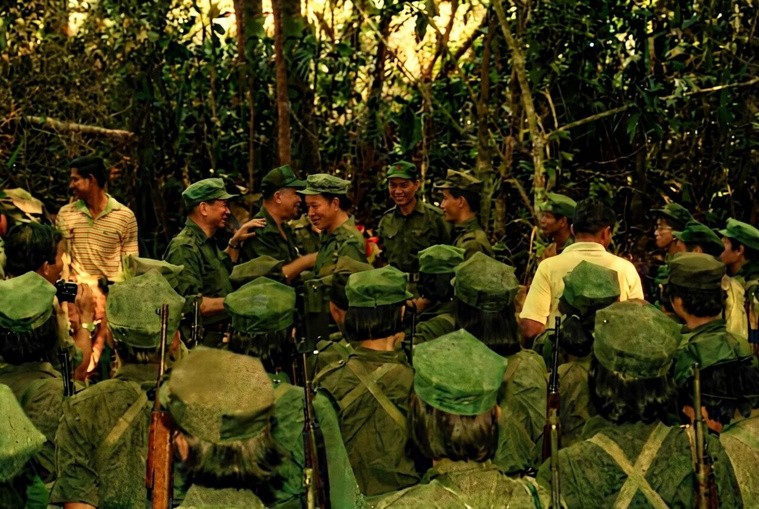
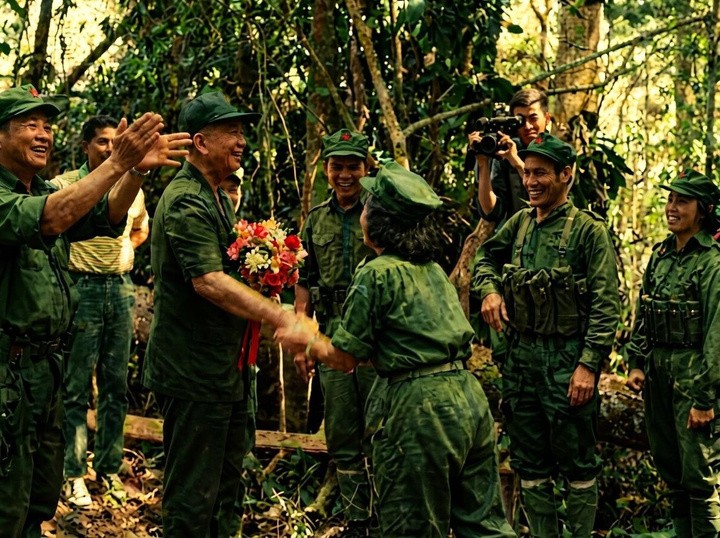
1989年12月2日,随着《合艾和平协议》在泰南合艾蠡园酒店正式签署,马来亚共产党领导人民武装长达四十余年的森林游击战争画上了庄严而体面的历史休止符。在这历史性转折时刻,自1960年底北上后阔别泰马边境丛林整整二十八年的马共中央总书记陈平(Chin Peng,党内化名“阿朋”),在中央主席阿都拉·西迪、拉昔·迈丁、吴一石(阿石)、单汝洪(阿成)、李安东(老谢)等中央领导人的陪同下,不辞辛劳地跋山涉水,深入泰马边境各支队与分区的密林营地,亲自向全体指战员传达和平协议精神并作最后的告别巡视。
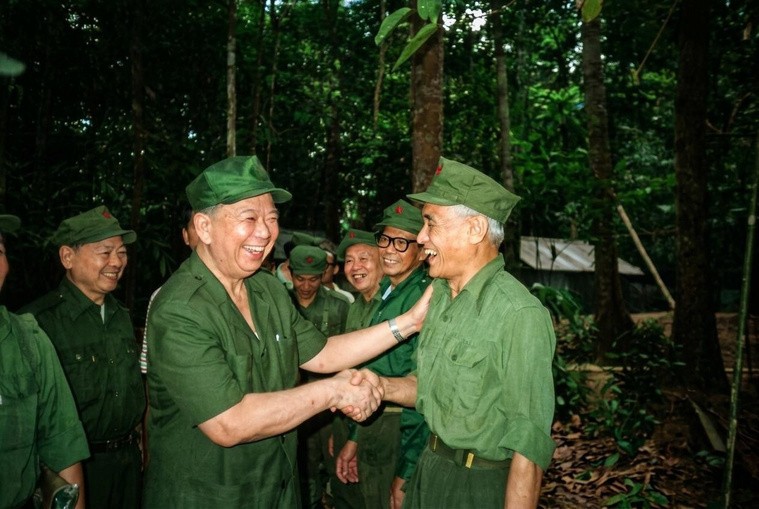
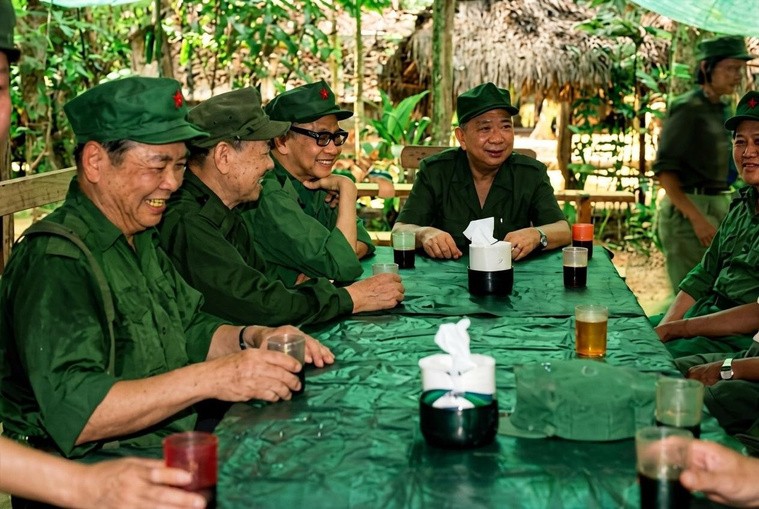
这一组珍贵的历史影像,定格了那段充满温情与感慨的岁月。当白发苍苍的陈平总书记走进第十二支队三区及各边境营区时,受到全体男女指战员夹道列队、鸣枪敬礼与热泪盈眶的欢迎。在告别了漫长的硝烟与生死考验后,曾经神情紧绷的丛林战士们卸下了沉重的战备重担,每个人的脸上都绽放出久违而灿烂的笑容,那是历经千难万险后迎来尊严与安宁的“和平的容颜”。
On 2 December 1989, with the formal signing of the Hat Yai Peace Agreement at the Lee Gardens Hotel in southern Thailand, more than four decades of jungle guerrilla warfare led by the Communist Party of Malaya came to an honorable close. At this historic crossroads, CPM Secretary-General Chin Peng ('Ah Peng')—returning to the Thai-Malaysian border rainforests after twenty-eight years—trekked into the mountain camps alongside Central Committee leaders Abdullah C.D., Rashid Maidin, Wu Yi Shi, Shan Ruhong, and Lee An-tung to personally visit the troops and bid farewell to the jungle era.
This extraordinary collection of colour archival photographs captures those deeply moving days. Having bid farewell to the smoke of battle, guerrilla fighters who had spent their youth under constant bombardment shed their heavy burdens, their faces lighting up with radiant, long-awaited smiles—the true 'Smiles of Peace.'
【战时抵抗到和平转型|和平的容颜:森林深处的终章告别】
1989年12月2日,《合艾和平协议》的签署,为马共长达四十余年的森林武装岁月画上了休止符。这组珍贵的影像,定格了那段历史转折期最温情的一幕,马共总书记陈平深入各支队营区,亲自探望并告别那些与他并肩作战的老战友。
镜头里,告别了漫长的硝烟与生死考验,曾经紧绷的战士们卸下了重担,脸上绽放出久违而灿烂的笑容。这不仅是战友间跨越半世纪的生死重逢,更是全体成员在褪去戎装、走出森林,正式迎接平民新生活前,最后一次在丛林深处的团聚与欢庆。[From Wartime Resistance to Peaceful Transition | The Smiles of Peace: The Final Rendezvous in the Forest]— 录自《战时抵抗到和平转型:和平的容颜,森林深处的终章告别》原始文献 | Verbatim Transcription from 'From Wartime Resistance to Peaceful Transition: The Smiles of Peace' Primary Chronicle
The signing of the Hat Yai Peace Agreement on 2 December 1989 brought an end to the CPM's more than four decades of armed struggle in the jungle. This precious collection of photographs captures the most heartwarming moments of that historic transition—CPM Secretary-General Chin Peng visiting various regiment camps to personally meet and bid farewell to the veteran comrades who had fought alongside him.
In these frames, having bid farewell to prolonged warfare and tests of life and death, the once-tense fighters have shed their heavy burdens, their faces beaming with long-awaited, radiant smiles. This was not only a reunion of comrades-in-arms spanning half a century, but also the final gathering and celebration deep in the forest before all members hung up their uniforms, emerged from the jungle, and formally embraced their new lives as civilians.
第二章:森林深处的最后团聚与欢庆:跨越半世纪的生死战友情
Chapter 2: The Final Gathering and Celebration Deep in the Forest: Half a Century of Solidarity
在陈平总书记巡视各支队营区期间,每一座森林营地都举办了盛大的团聚宴会、文艺联欢与分组战友合影。那些曾在1940年代抗日烽火、1950年代抗英反围剿以及1970年代南下突击中出生入死的老战友们,与在森林中出生或成长起来的年轻一代指战员围坐在一起,举起盛满米酒与清茶的搪瓷杯,共同缅怀长眠于赤道雨林中的先烈,庆贺和平曙光的到来。
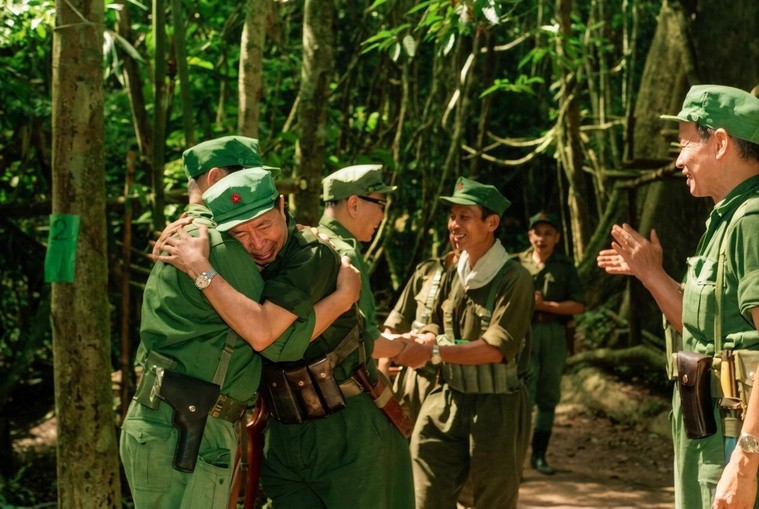
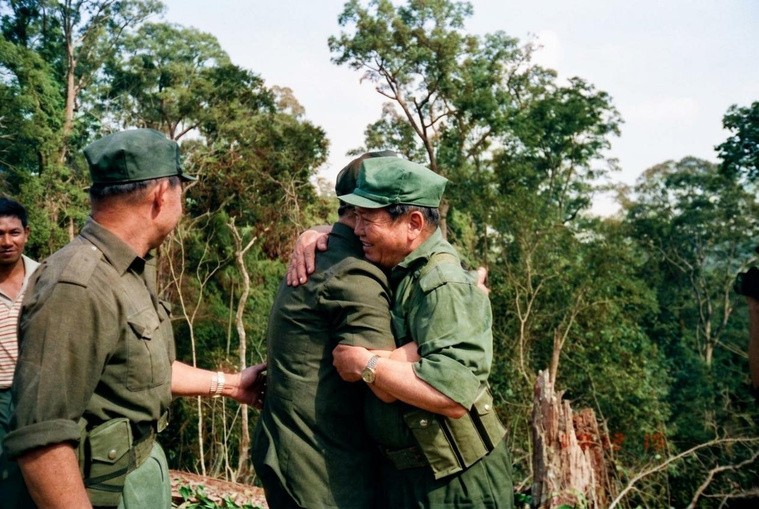
以下这组珍贵的全彩历史照片,真实定格了陈平重返密林营地期间,生死与共的老战友们在林间热泪相拥,以及陈平与老一辈支队干部围坐长桌旁欢聚畅叙的感人瞬间。尤为难得的是,馆藏《照相》(No. 40-2)原声录像还完整记录了营地告别大合影拍摄时的幕后花絮:战士们搬来木椅、互相整理军容,摄影师高喊口令,陈平总书记与一批又一批分队战士在林间阳光下定格那一张张灿烂的“和平的容颜”。
During Secretary-General Chin Peng's tour of the border camps, every forest base held joyous reunion banquets, cultural performances, and group portraits. Veterans who had survived the 1940s Anti-Japanese War, the 1950s Anti-British War, and the 1970s southward campaigns gathered alongside younger fighters raised in the jungle, raising enamel cups to honor fallen martyrs and celebrate the dawn of peace.
The following colour archival photographs capture the deeply moving moments of Chin Peng's return to the jungle camps, as veteran comrades-in-arms embraced tearfully along the forest trails and gathered around the camp banquet table with Chin Peng to celebrate peace. Remarkably, the museum's video archive also preserves the behind-the-scenes footage of the camp farewell photo sessions in Reel No. 40-2 ('Taking Photographs'), showing fighters arranging benches, straightening uniforms, and gathering batch by batch around Chin Peng to immortalize 'The Smiles of Peace.'
第三章:褪去戎装、走出森林:迈向泰南四个和平村的崭新平民生活
Chapter 3: Hanging Up the Uniform and Emerging from the Jungle: Embracing New Civilian Lives in the Four Peace Villages
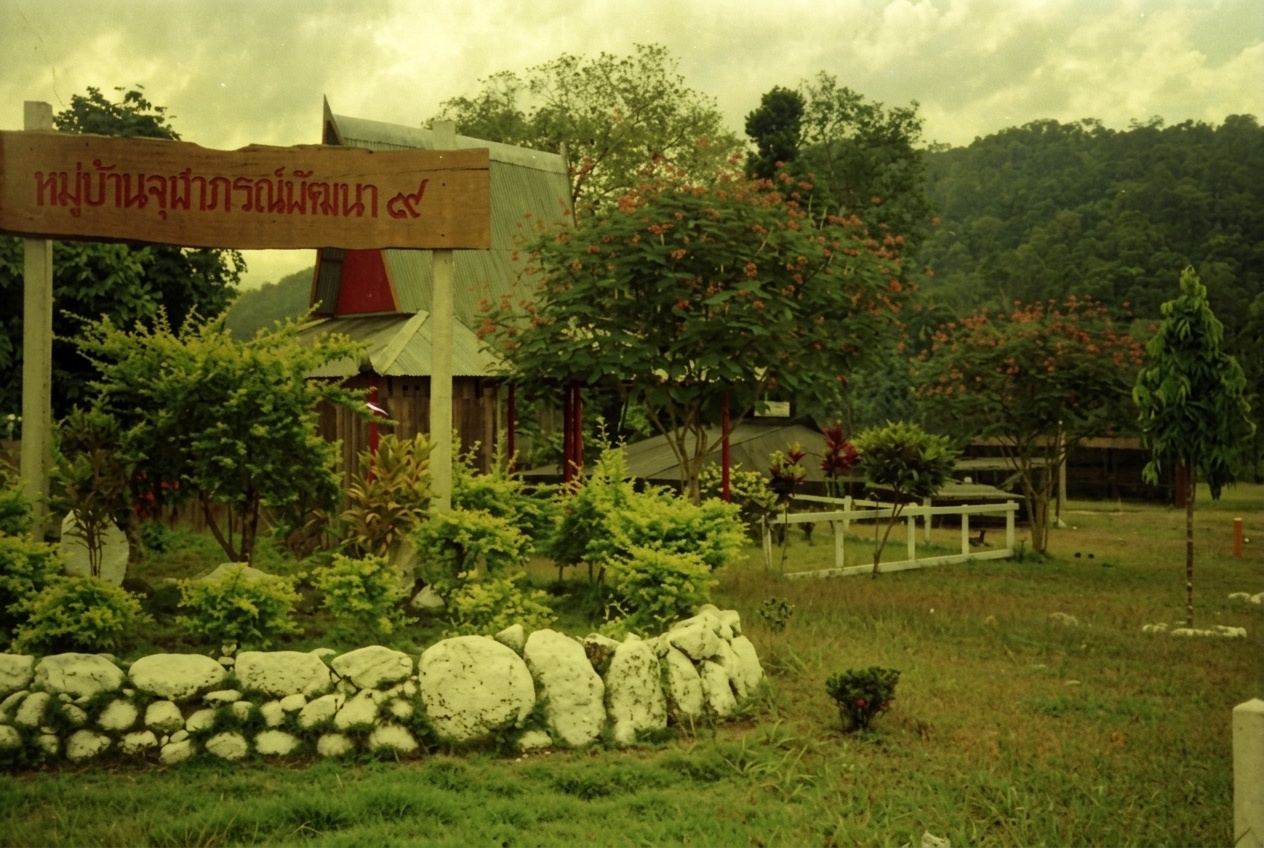
在完成了森林深处的终章告别与武器销毁程序后,马来亚人民军全体指战员正式卸下穿戴数十载的绿色戎装与红星军帽,走出了世代铭记的赤道雨林。根据《合艾和平协议》与泰国政府及王室的关怀安排,前马共武装成员分别定居于泰国南部的四个和平村,勿洞和平村(友谊村 / Ban Chulabhorn Patana 10)、邦朗和平村(Ban Chulabhorn Patana 9)、也哈和平村(Ban Chulabhorn Patana 11)以及素基林和平村(Ban Chulabhorn Patana 12)。
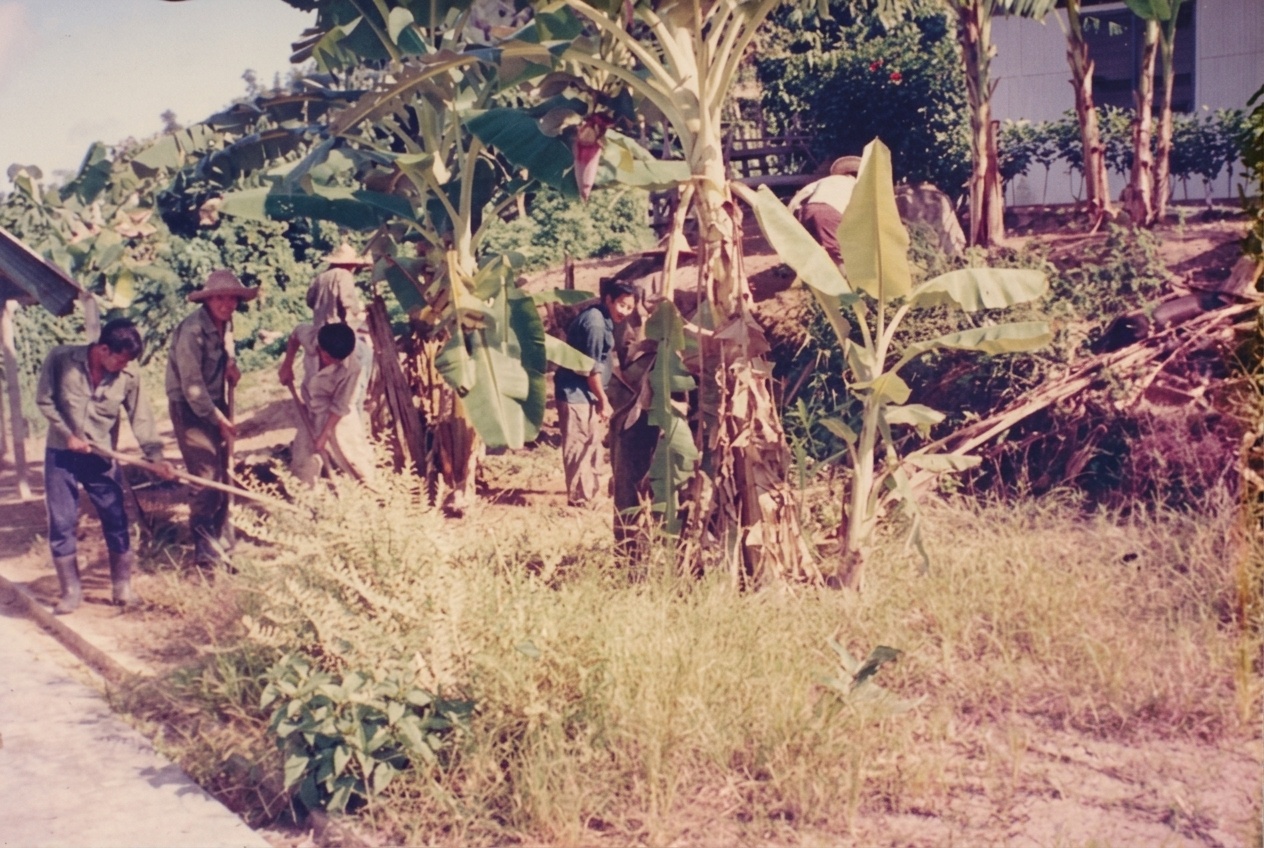
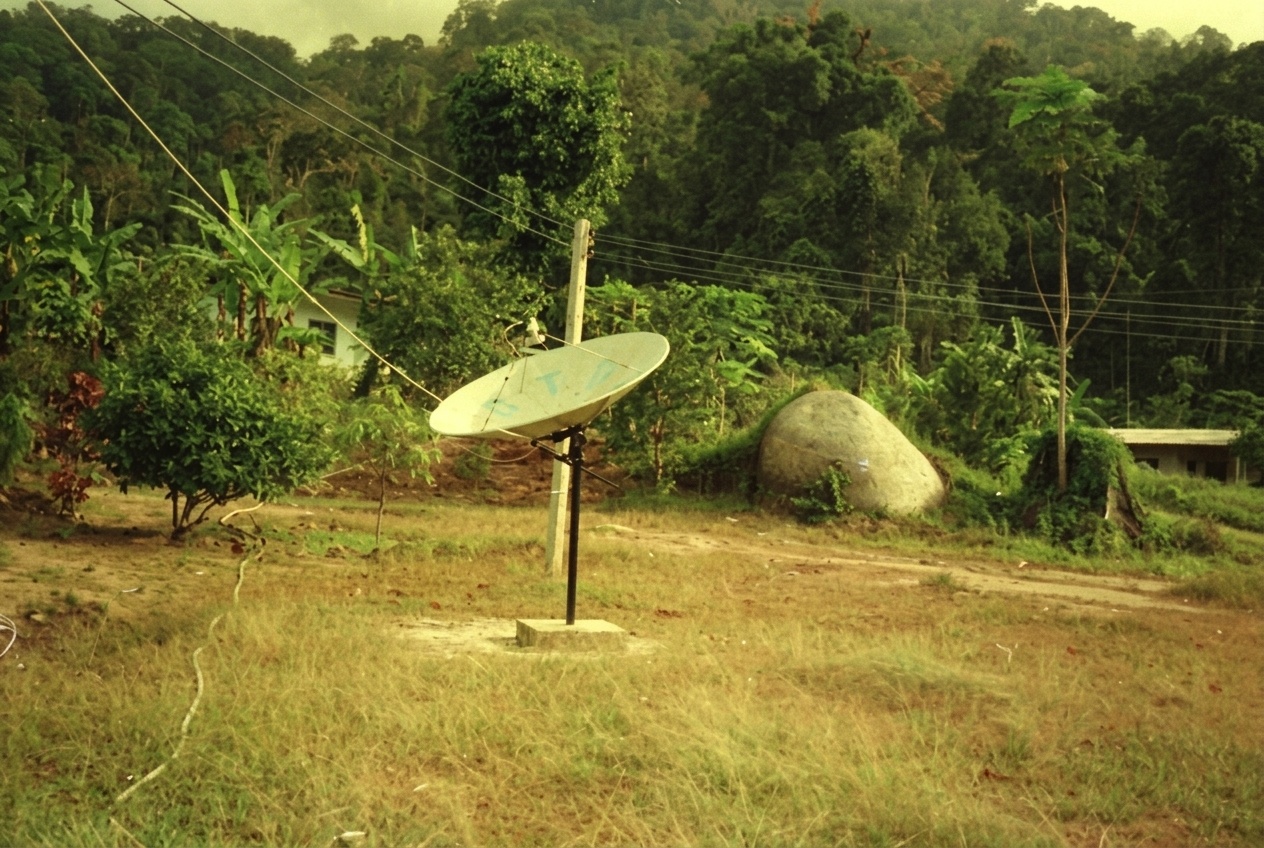
以下这组珍贵的历史纪实影像,真实定格了人民军指战员复员下山后在泰南兴建和平村、挥锄开荒整地、架设现代通讯设施并开启安居乐业的初期风貌。昔日浴血奋战的丛林战士,从此化剑为犁,在和平村的土地上开荒种胶、兴办教育、保护历史文物,将半个世纪的革命传奇化作守护和平的永恒见证。
Upon completing their final rendezvous in the forest and the formal decommissioning of weapons, the combatants of the Malayan People's Army hung up their green uniforms and red-star caps, emerging from the equatorial rainforests into the sunlight of peace. Under the provisions of the Hat Yai Peace Agreement and with the support of the Thai Government, former fighters settled across four Peace Villages in southern Thailand: Betong (Chulabhorn Patana 10 / Friendship Village), Bang Lang (Chulabhorn Patana 9), Yaha (Chulabhorn Patana 11), and Sukhirin (Chulabhorn Patana 12).
The following archival photographs capture the early days of the Peace Villages in southern Thailand—documenting the village entrance sign, demobilized fighters wielding hoes to clear land during voluntary community labor, and newly built civilian homes equipped with satellite communications. Turning swords into ploughshares, these former jungle combatants built thriving communities and preserved their half-century history for future generations.