建制终章第9卷:和平之门打开与庄严的告别(1989–1992):马共自行销毁武器、回归计划与BBC公开致歉
Armed Forces Monograph Vol. 9: The Door to Peace Swings Open and a Solemn Farewell (1989–1992): The CPM's Self-Disarmament, Returnee Programme, and the 1992 BBC Apology
【武装力量终章定评】1989年12月2日《合艾和平协议》开启和平之门与战后“回归计划”,陈平总书记向拉欣·诺与邱甲耀庄严承诺“绝不会再拿起武器”,同时指出信任的建立取决于长远履约 ➔ 庄严的告别:马来亚人民军在泰马边境营地亲手拆解、砸毁、焚烧与引爆武器及军用电台,践行“自行销毁武器而非缴械投降”的“体面和平”(Peace with Honour)铁律 ➔ 1992年2月1日英国广播公司(BBC)华语广播公开播发致歉声明,收回“放下武器投降”之不当表述,为马共“停止武装活动”之对等政治定性留下国际权威铁证。
[Definitive Assessment of the Armed Forces' Final Chapter] On December 2, 1989, the Haadyai Peace Accord opened the door to peace and the Returnee Programme, accompanied by Secretary-General Chin Peng's solemn pledge to Rahim Noor and Yau Kong Yew never to take up arms again while emphasizing long-term trust ➔ A Solemn Farewell: Malayan People's Army combatants dismantling, smashing, burning, and detonating their weapons and radio transmitters with their own hands under the principle of 'Peace with Honour' ➔ On February 1, 1992, the BBC Mandarin Service broadcast a formal public apology retracting the phrase 'laying down arms in surrender' and affirming the CPM's equal political status in 'ceasing armed activities.'
第一章:和平之门打开与回归计划:1989年《合艾和平协议》签署大典与陈平总书记的历史庄严承诺
Chapter 1: The Door to Peace Swings Open and the Returnee Programme: The 1989 Haadyai Signing Ceremony and Secretary-General Chin Peng's Solemn Pledge
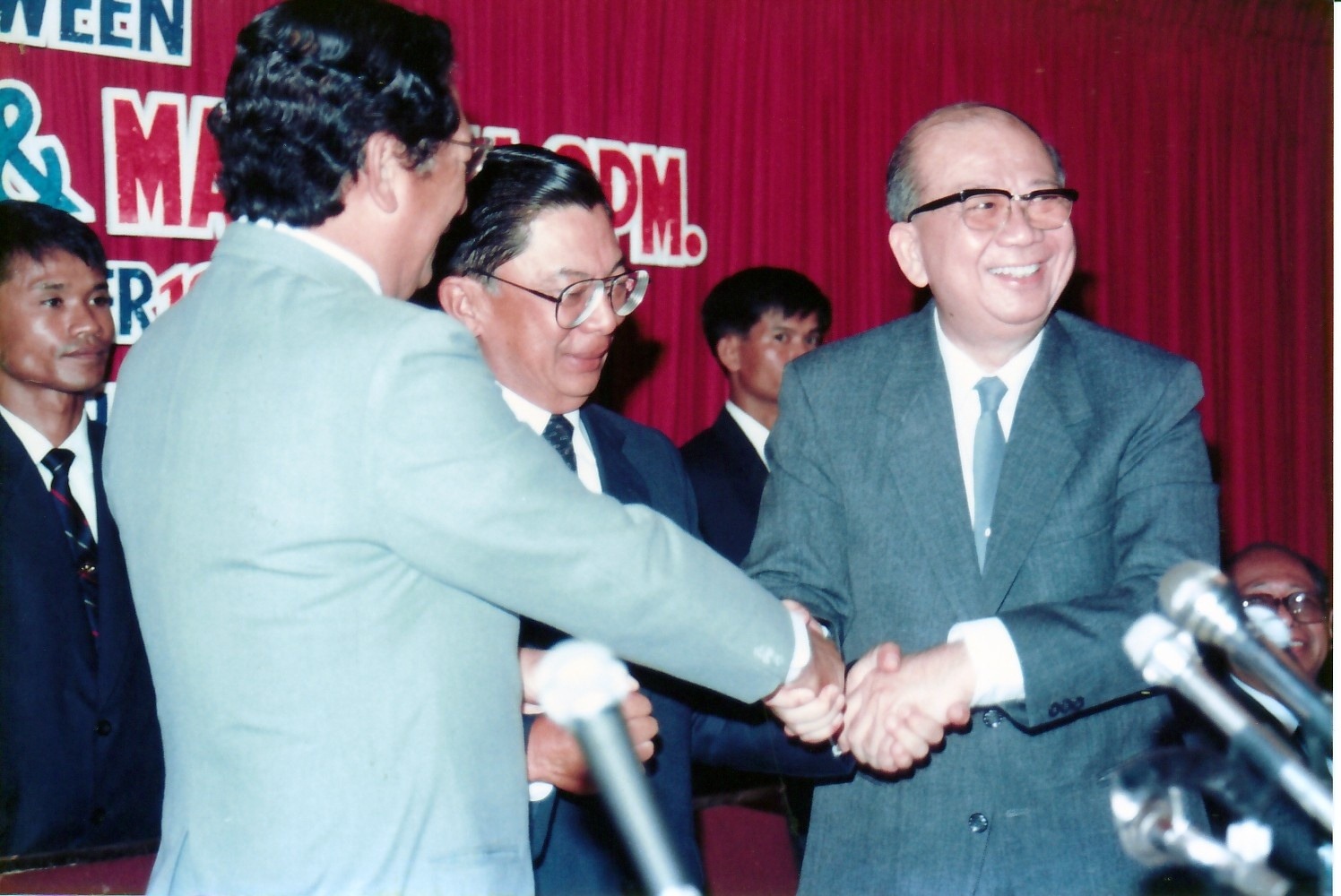
1989年12月2日,泰国南部宋卡府合艾市蠡园酒店(Lee Gardens Hotel)见证了东南亚现代史上极具分量的历史性时刻。在历经普吉岛五轮艰苦卓绝的三方会谈与马共十一届十三中全会扩大会议的庄严批准后,马来亚共产党代表团(由总书记陈平、党主席阿都拉·西迪、中央委员拉昔·迈丁及吴一石率领)与泰王国政府代表团(由泰军最高司令兼陆军总司令差瓦立·永猜裕上将、第四军区司令奕·猜耶颂中将、警政署长สawaeng Thirasawat等组成)以及马来西亚政府代表团(由内政部秘书长旺·西迪、皇家警察总长韩聂夫、武装部队总司令哈欣·莫哈末·阿里上将及政治部总监拉欣·诺组成),在镁光灯与中外记者的共同见证下,正式签署了具有历史转折意义的《合艾和平协议》。
随着和平之门正式敞开,协议不仅在法律与政治层面宣告延续四十一年的国内武装冲突与反殖民族解放战争光荣落幕,更确立了保障全体人民军指战员政治尊严与公民权利的“回归计划”(Returnee Programme)及留泰和平村安置方案。在合艾会谈期间,陈平总书记在与马来西亚政治部总监拉欣·诺(Rahim Noor)及副总监邱甲耀(Yau Kong Yew,英文文献亦作邱家金)的直接会晤中,以无产阶级革命家的坦荡胸怀作出了永载史册的政治承诺,同时将历史检验的标尺指向了签约之后的长远未来。
On December 2, 1989, the Lee Gardens Hotel in Haadyai, Songkhla Province, southern Thailand, witnessed a watershed moment in modern Southeast Asian history. Following five rounds of intensive tripartite negotiations in Phuket and formal ratification by the 13th Enlarged Plenary Session of the 11th CPM Central Committee, the delegation of the Communist Party of Malaya (led by Secretary-General Chin Peng, Party Chairman Abdullah C.D., Central Committee member Rashid Maidin, and Wu Yishi) joined the delegations of the Royal Thai Government (led by Supreme Commander and Army Chief Gen. Chavalit Yongchaiyudh) and the Malaysian Government (led by Home Ministry Secretary-General Wan Sidek, Inspector-General of Police Haniff Omar, Armed Forces Chief Gen. Hashim Mohd Ali, and Special Branch Director Rahim Noor) to sign the historic Haadyai Peace Accord.
As the door to peace swung open, the accord not only brought an honorable conclusion to forty-one years of armed conflict and anti-colonial national liberation warfare, but also established the postwar Returnee Programme and the southern Thailand Peace Village settlement framework safeguarding the political dignity and civil rights of all Malayan People's Army (MPA) combatants. During his direct meeting with Malaysian Special Branch Director Rahim Noor and Deputy Director Yau Kong Yew, Secretary-General Chin Peng made a solemn personal pledge while placing the ultimate test of peace squarely on long-term fidelity to the agreement.
在与拉欣·诺(Rahim Noor)和邱家金(Yau Kong Yew)的会面中,我向他们做出了一个承诺,我绝不会再拿起武器。同时我也告诉他们,签署和平协议本身并不算什么大事。真正重要的是长远来看将会发生什么。只有那时,信任才能真正建立起来。During my meeting with Rahim Noor and Yau Kong Yew, I made a promise to them that I would never take up arms again. At the same time, I told them that the signing of the peace agreement in itself was not a big deal. What really mattered was what would happen in the long run. Only then could trust truly be built.— 马共中央总书记 陈平(1989年合艾会谈历史谈话) | CPM Secretary-General Chin Peng (1989 Haadyai Peace Talks Statement)
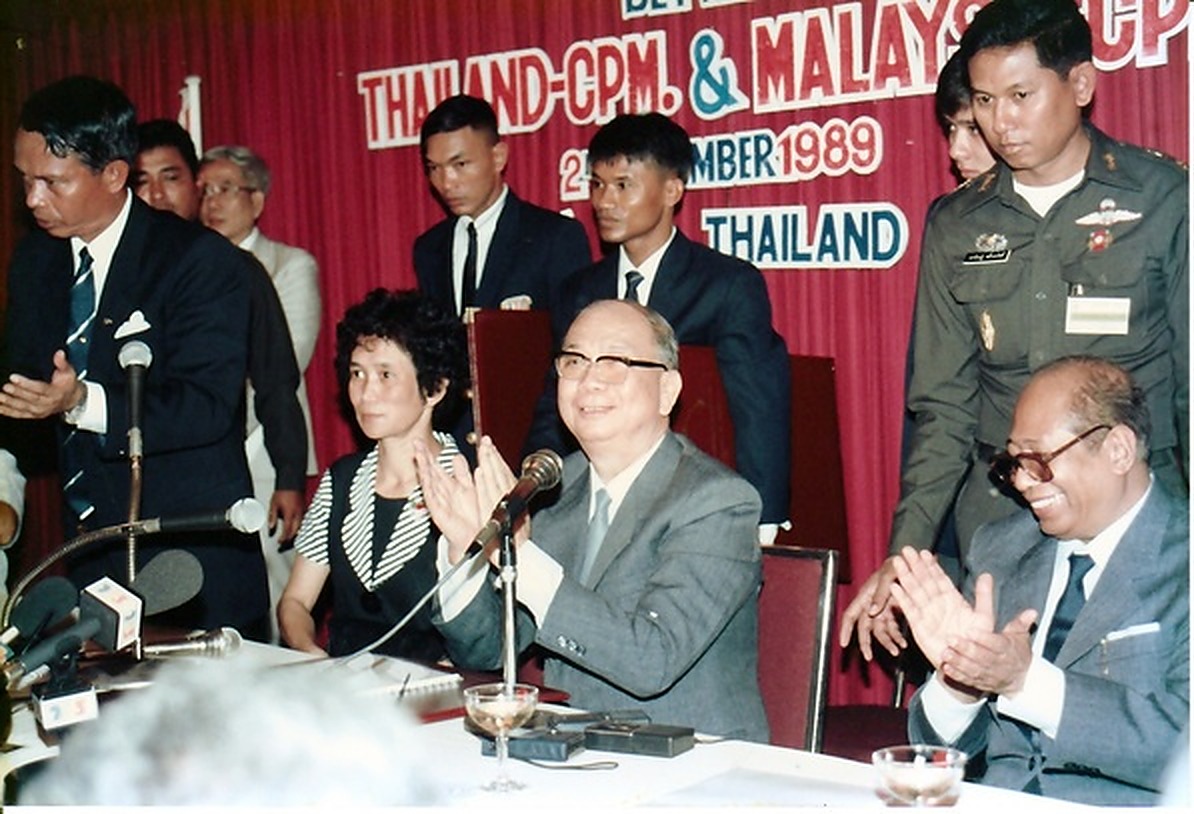
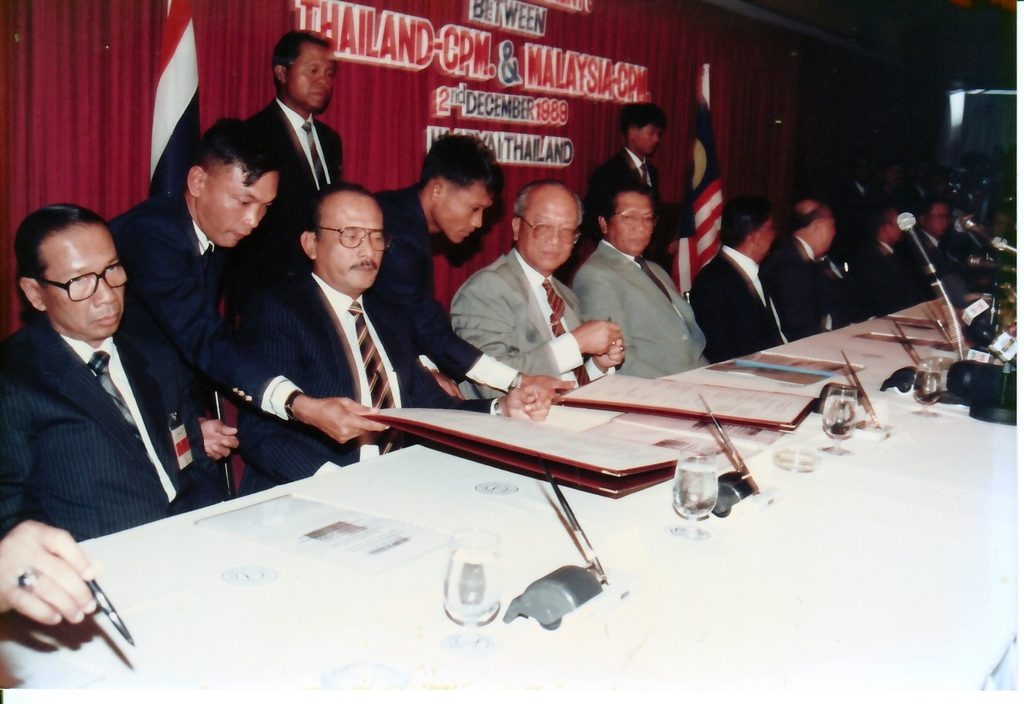
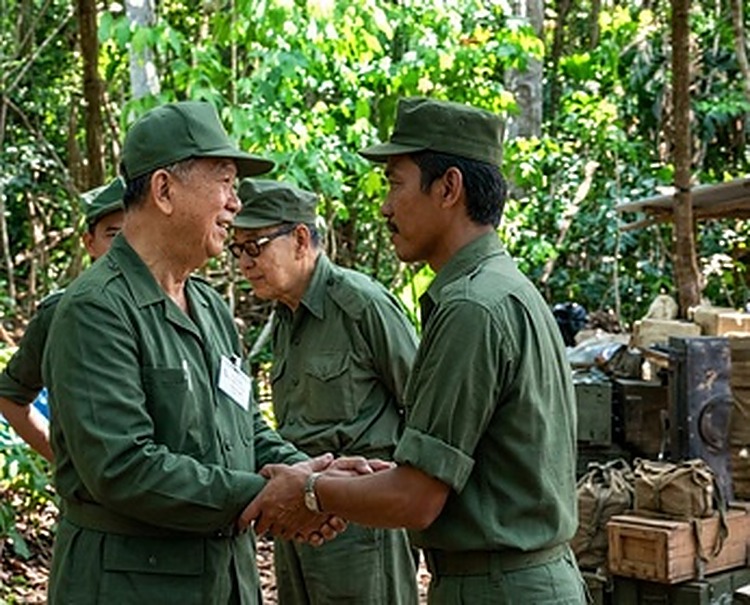
陈平总书记的这段箴言,道出了《合艾和平协议》的核心历史逻辑:一纸协议的签署只是和平进程的起点,而非终点。马共方面言出必行,自1989年12月2日协议落笔之日起,马来亚人民军在泰马边境的所有建制部队立即全面停止军事行动,着手接待泰、马、马共三方联合工作组进入丛林营区,严格按照协议时间表推进部队整编、人员去向登记以及武器清点核验工作。
在“回归计划”框架下,马来西亚政府承诺允许原籍马来西亚及新加坡的前马共与人民军成员返回祖国定居,不予拘留审讯,并恢复其正常公民生活;而泰王国政府则承诺为选择留在泰南的前人民军全体指战员及家属拨出土地、提供建村资金与住房补贴,并在日后授予泰国国籍。这种兼顾留泰与返马双向选择的制度安排,使数千名历经战火洗礼的革命军人在走出森林之际,得以堂堂正正地迈向和平新生。
Secretary-General Chin Peng's words captured the essential historical logic of the Haadyai Peace Accord: signing a treaty on paper was merely the beginning, not the end, of the peace process. True to its word, from the moment the accord was signed on December 2, 1989, all regular units of the Malayan People's Army along the Thai-Malaysian frontier ceased military operations, welcomed the tripartite joint working groups into their jungle camps, and proceeded with troop registration, returnee enrollment, and ordnance inventory on schedule.
Under the Returnee Programme framework, the Malaysian Government pledged to allow former CPM and MPA members originating from Malaysia and Singapore to return home and resume normal civilian lives without detention or interrogation, while the Royal Thai Government committed to allocating land, construction funding, and housing allowances for all combatants and families choosing to settle in southern Thailand, eventually granting them Thai citizenship.
第二章:庄严的告别:马来亚人民军自行销毁武器现场纪实
Chapter 2: A Solemn Farewell: Documentary Record of the Malayan People's Army's Self-Disarmament
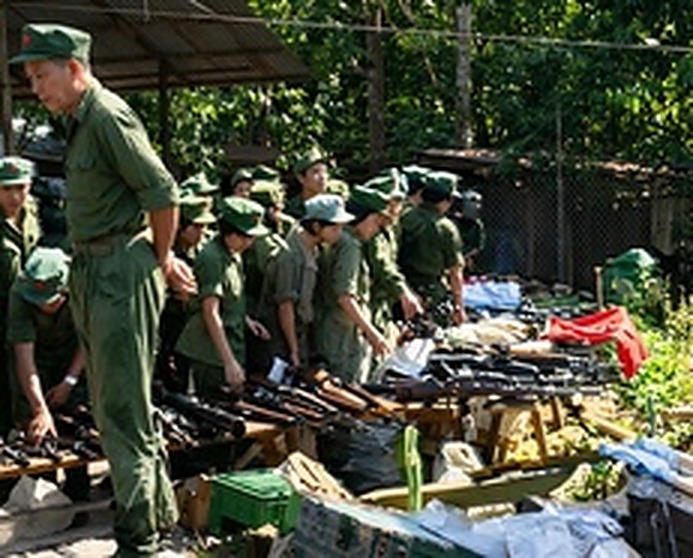
1990年初至同年年中,泰马边境莽莽群山深处的马来亚人民军第八支队、第十支队、第十二支队及中央直属部队各营区,相继举行了庄严而悲壮的告别武器大典。对于平均在热带雨林中战斗了二三十年、甚至长达四十余年的老战士而言,手中的步枪、冲锋枪与迫击炮不仅是朝夕相伴的武器,更是用鲜血保卫营地、缅怀牺牲烈士的生命依托。然而,当马共中央作出顺应时代潮流、以“体面和平”结束武装斗争的战略决断后,全军上下无一哗变、无一抗命、无一私藏枪械,展现出无产阶级革命军队高度自觉的政治定力与钢铁纪律。
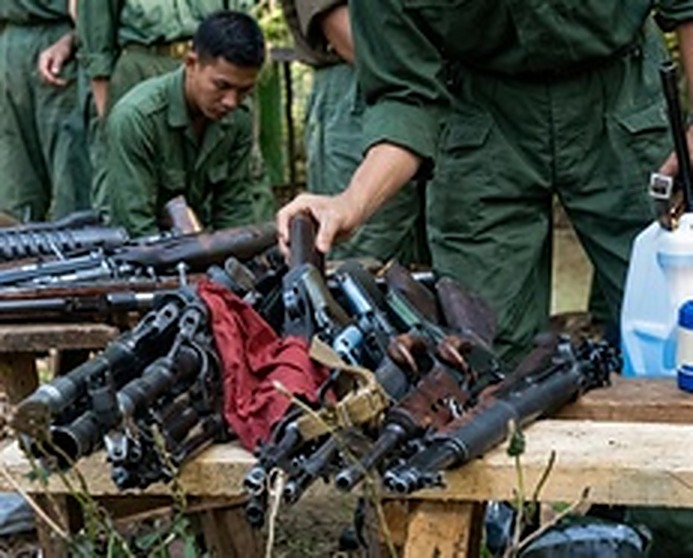
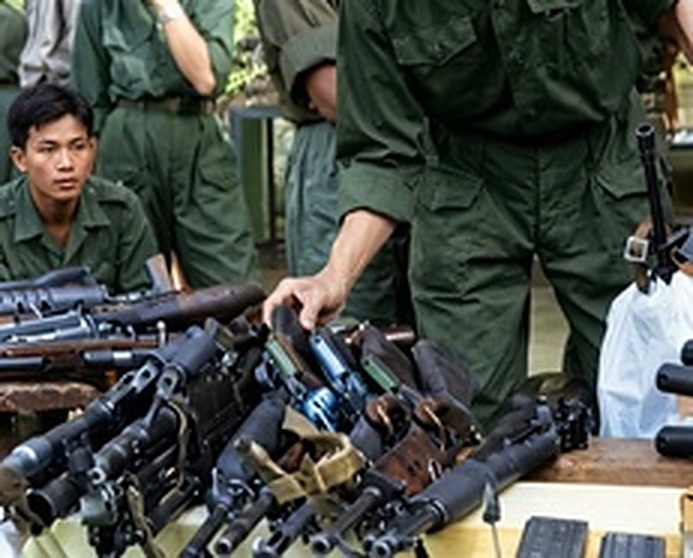
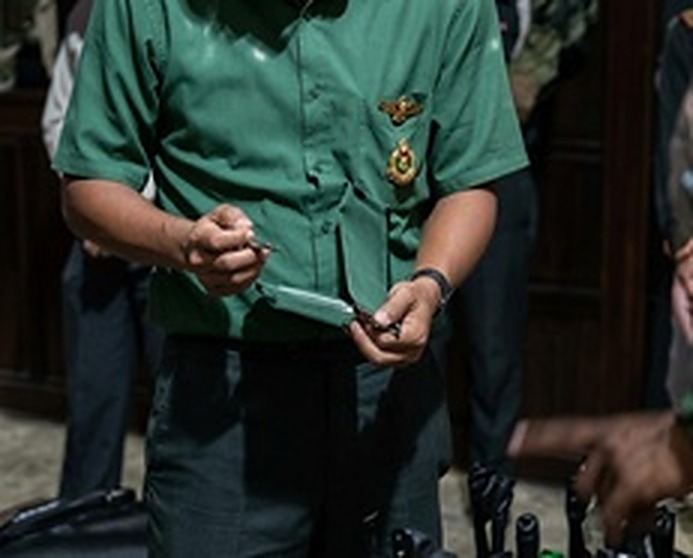
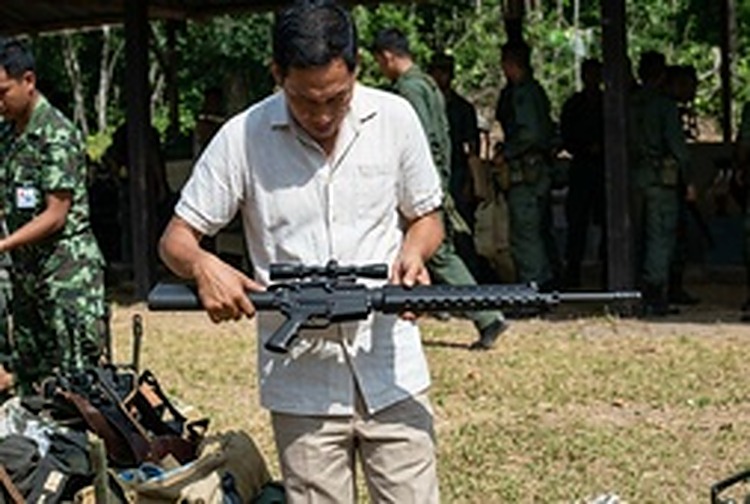
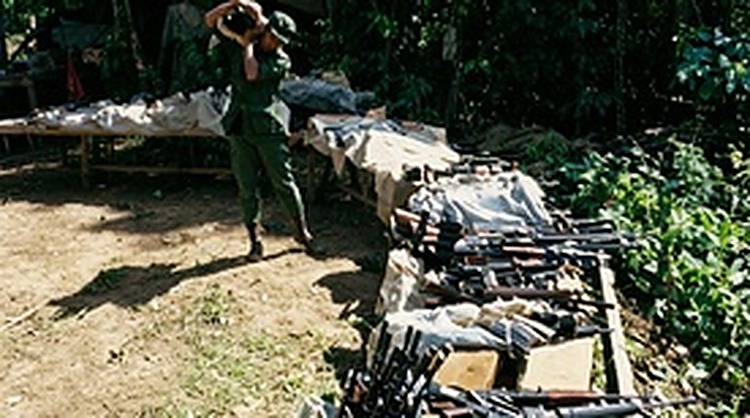
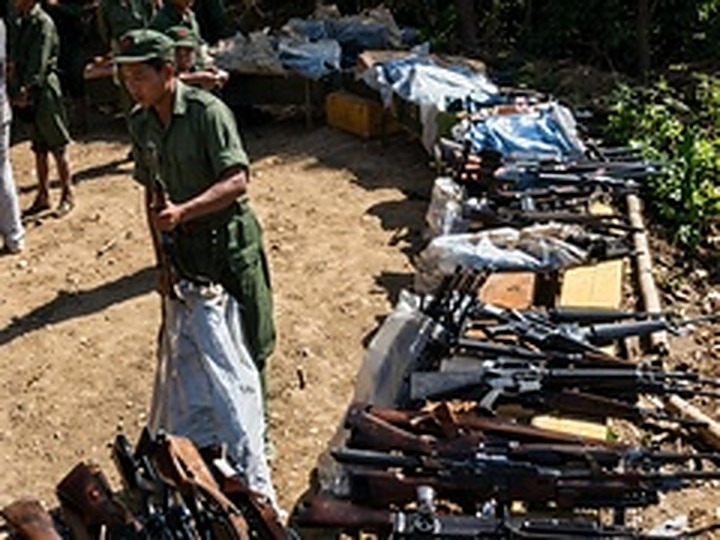
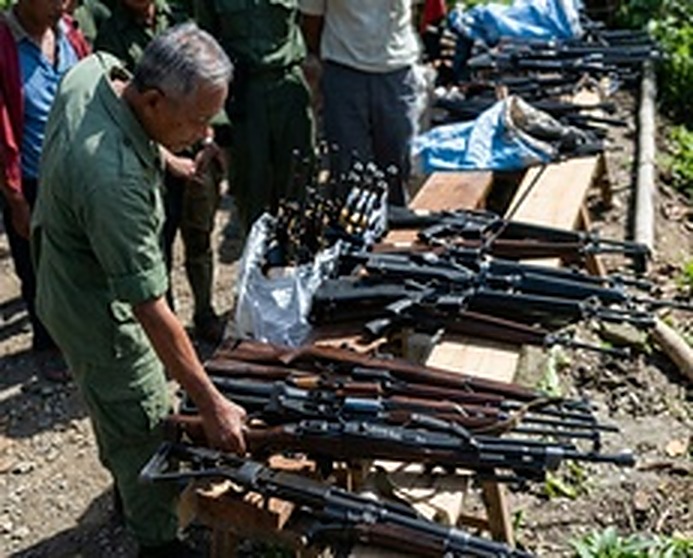
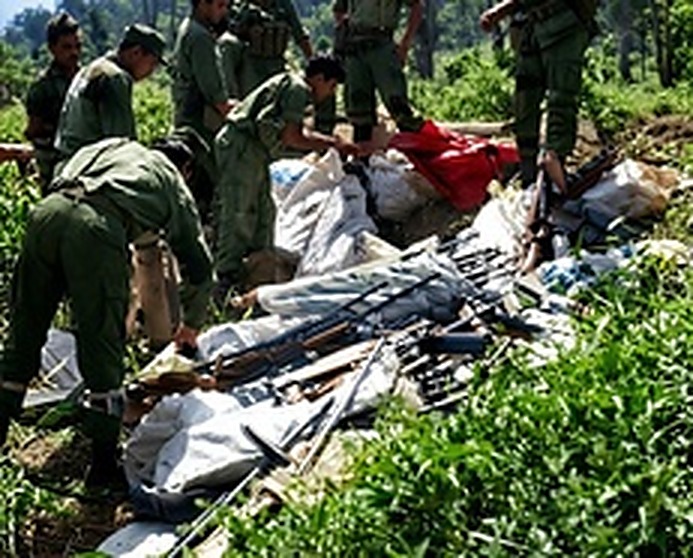
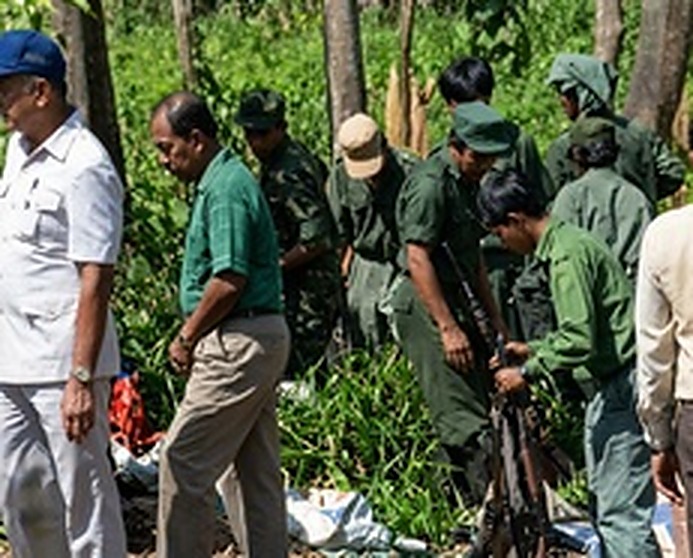
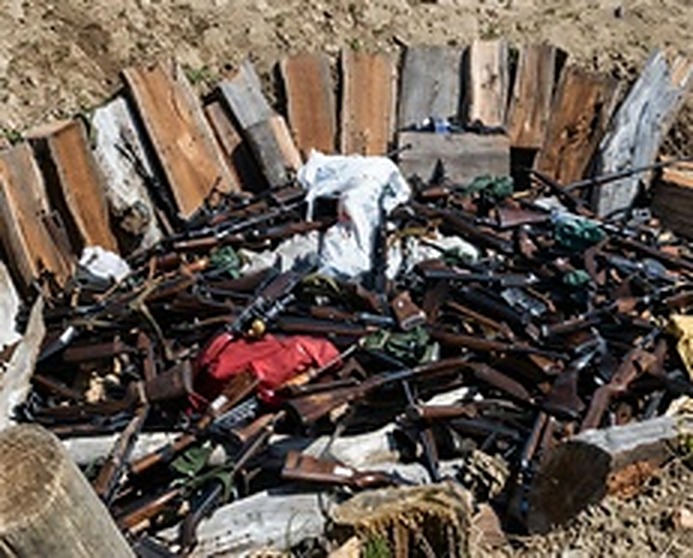
在销毁武器现场,各支队首先搭建起延绵数十米的露天木制检验台,将库存与随身配发的M16自动步枪、卡宾枪、冲锋枪、轻重机枪、枪榴弹发射器、迫击炮及各式手枪悉数擦拭干净、分类编号、整齐陈列。在泰、马、马共三方联合工作组代表的现场见证与逐一核验下,人民军指战员郑重走上台前,向伴随自己出生入死的钢枪行最后一次军礼。
From early to mid-1990, deep within the forested mountains along the Thai-Malaysian frontier, the camps of the 8th, 10th, and 12th Regiments and Central HQ units of the Malayan People's Army held solemn farewell-to-arms ceremonies. For veteran combatants who had fought in the tropical rainforest for two, three, or even four decades, their rifles, submachine guns, and mortars were not merely weapons, but lifelines forged in blood and memory of fallen martyrs. Yet once the CPM Central Committee made the strategic decision to conclude the armed struggle with 'Peace with Honour,' the entire army acted with unanimous discipline—without a single mutiny, defiance of orders, or concealed weapon.
At each destruction site, units erected long wooden inspection tables across jungle clearings, cleaning, numbering, and neatly displaying every M16 automatic rifle, carbine, submachine gun, light and heavy machine gun, grenade launcher, mortar, and sidearm. Under the joint verification of the Thai-Malaysian-CPM tripartite working groups, MPA combatants stepped forward to salute their weapons one final time.
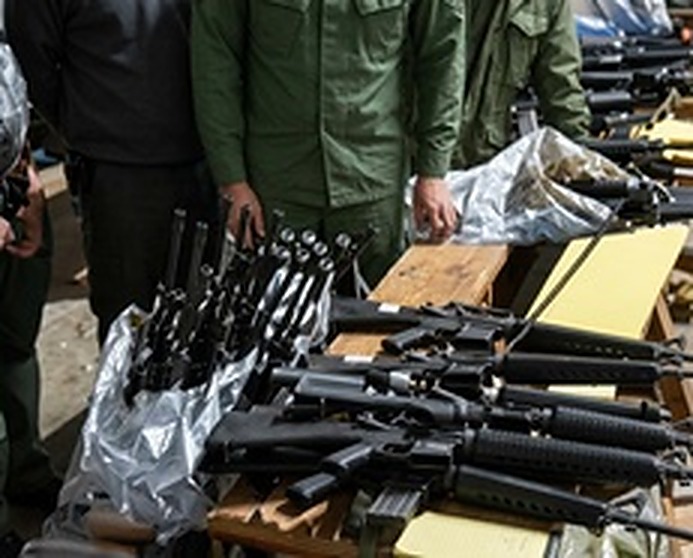
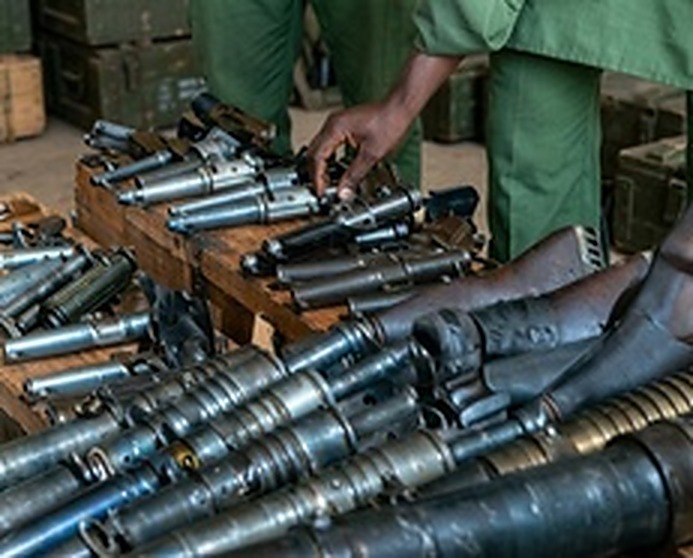
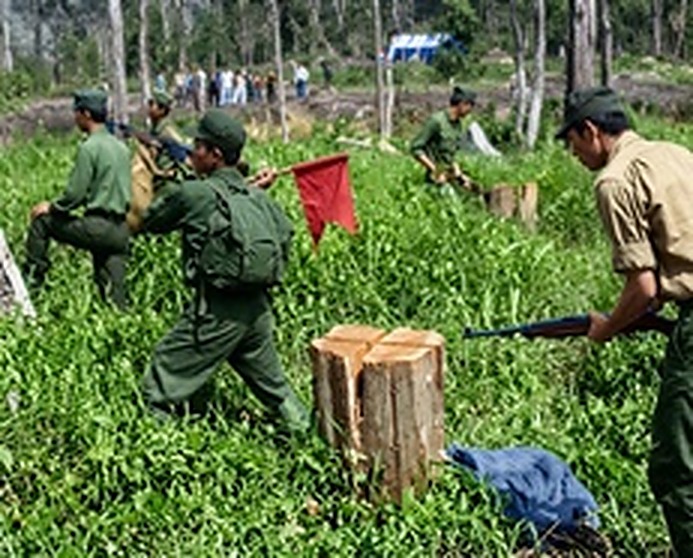
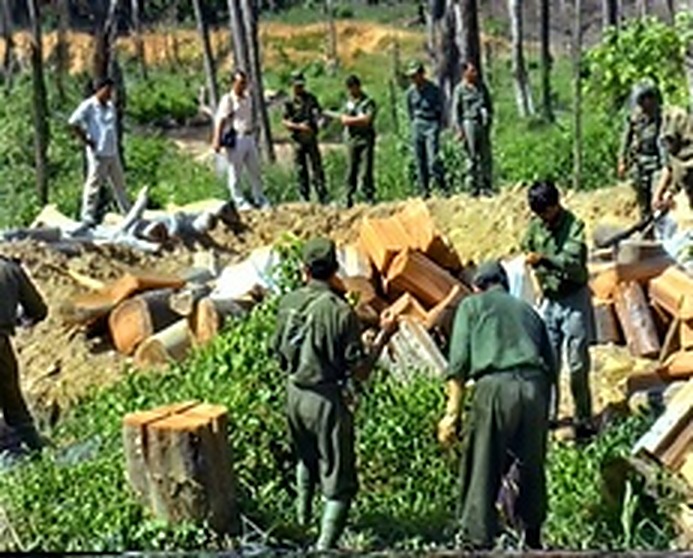
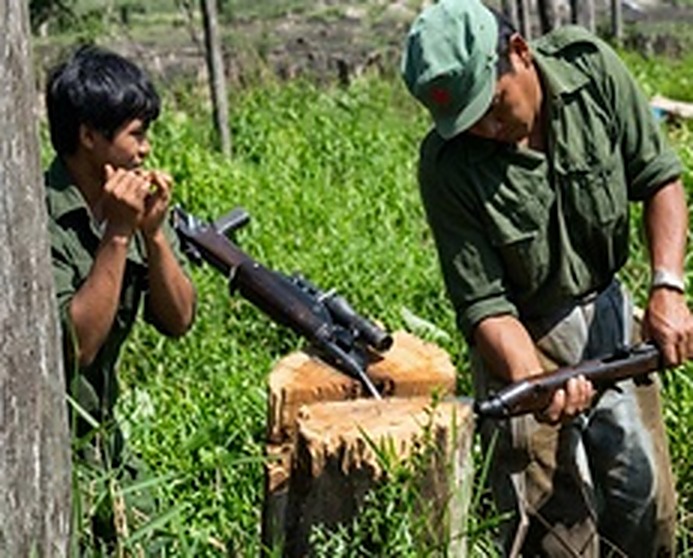
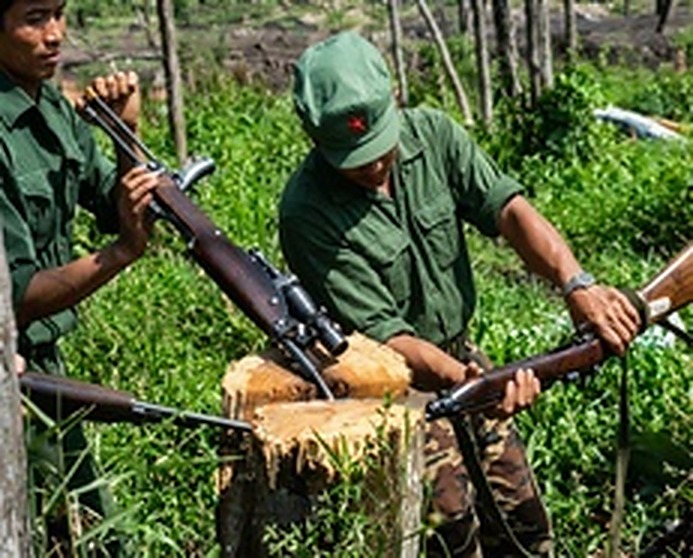
核验程序完成后,销毁作业严格按照“由马共人员自行销毁”的原则全面展开。在鲜艳的红旗指引下,年轻力壮的人民军战士轮流走近粗大的原木墩,双手紧握枪管,奋力将步枪木托与机匣在木桩上砸断,或用重锤将枪管与瞄准具彻底砸弯变形,确保没有任何一支武器能够重新组装或被外部势力当作“战利品”展示。
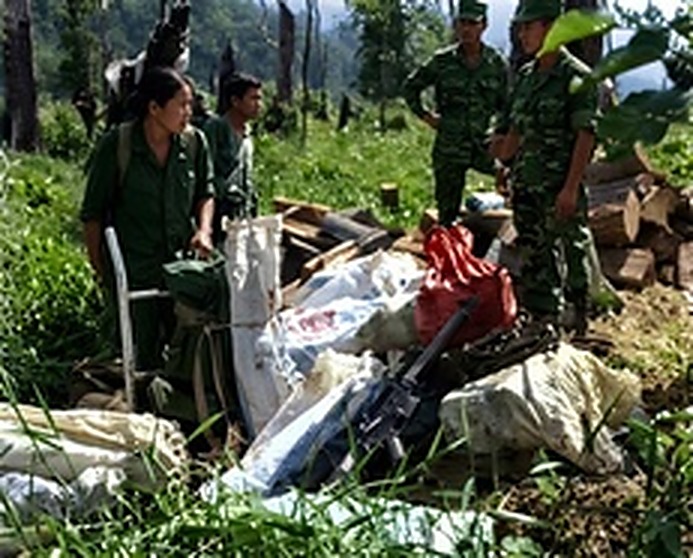
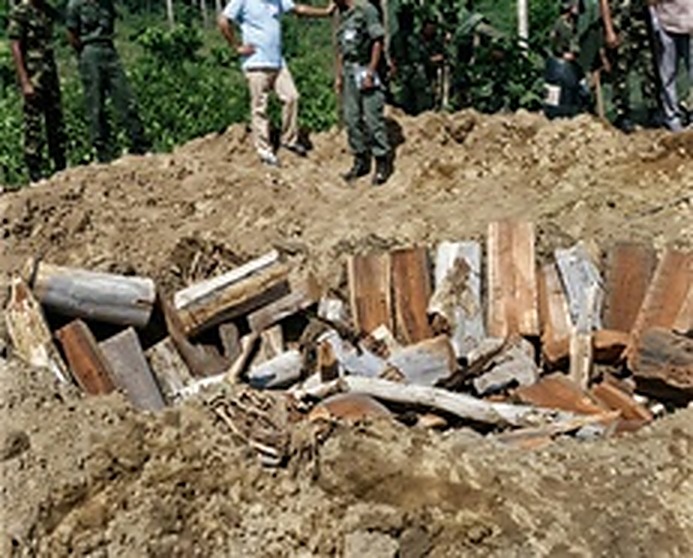
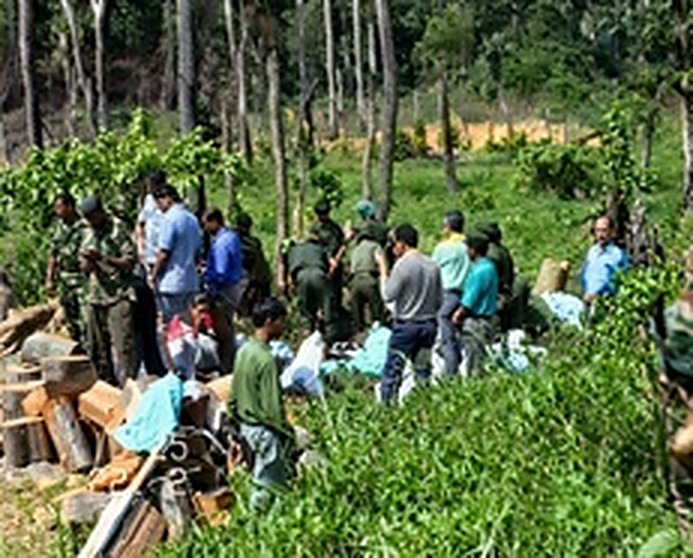
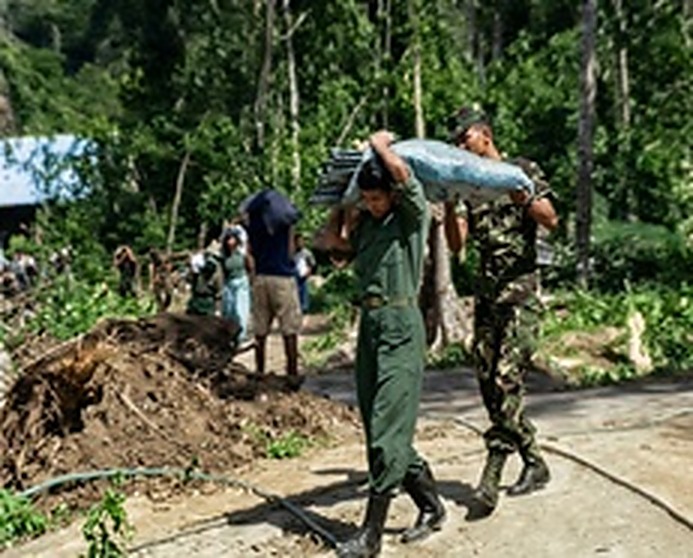
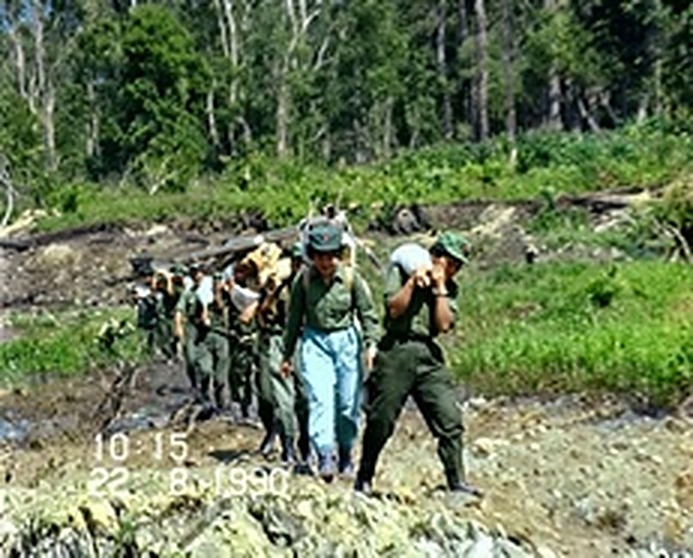
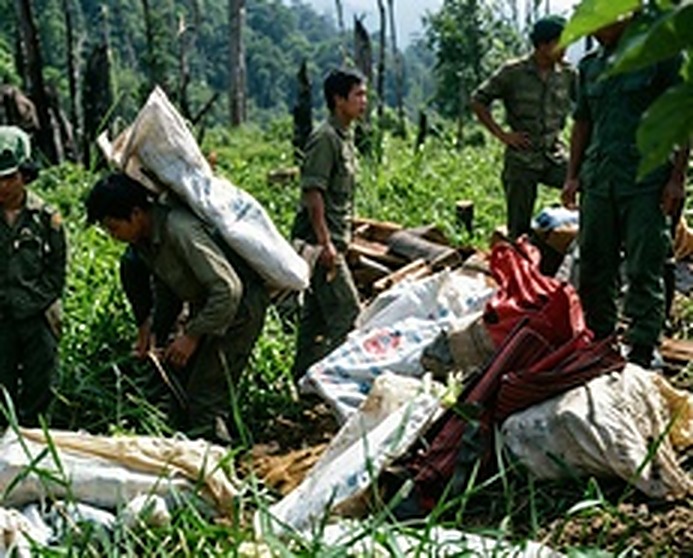
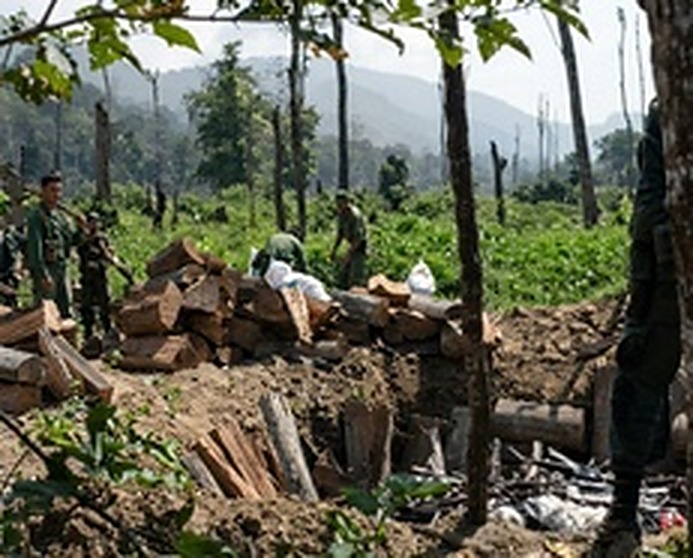
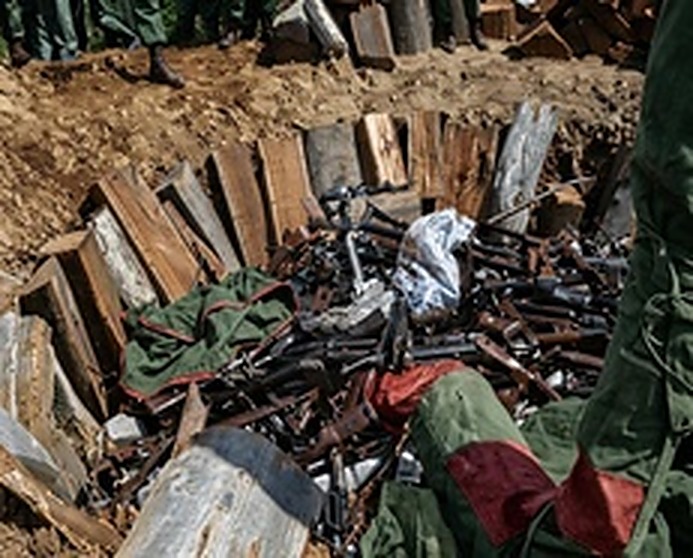
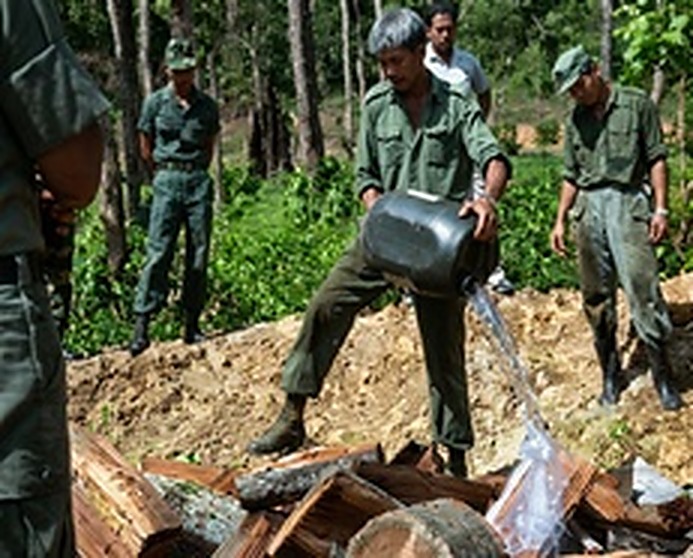
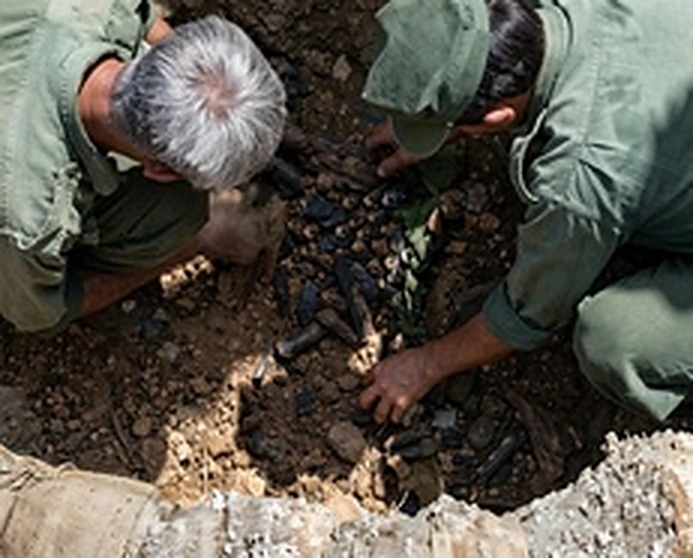
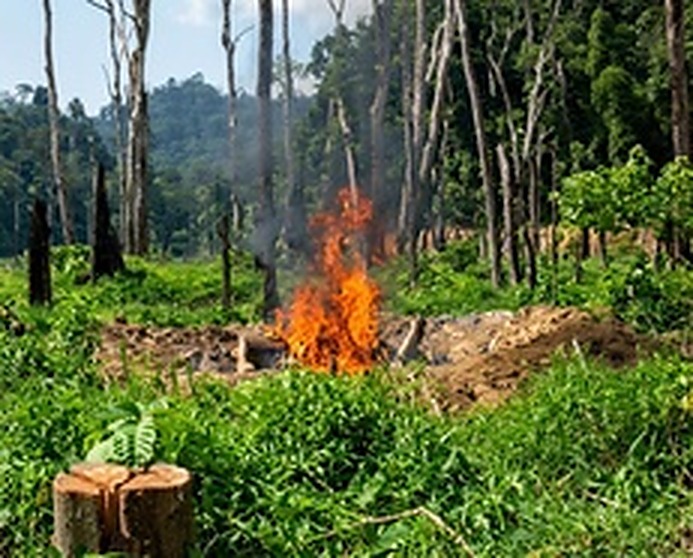
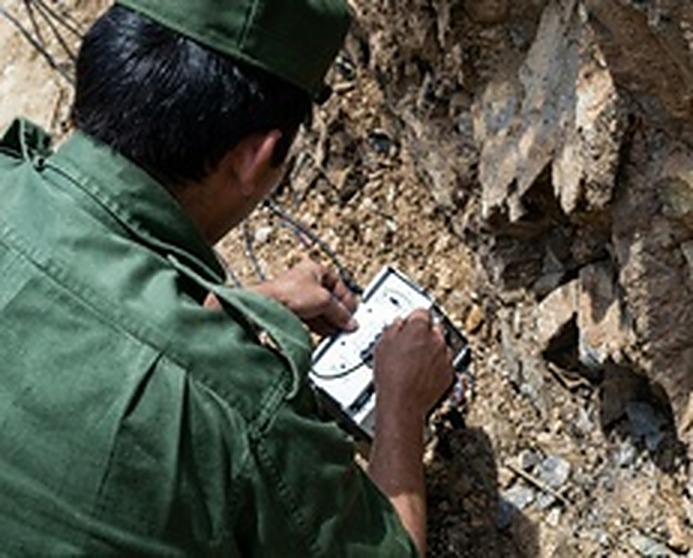
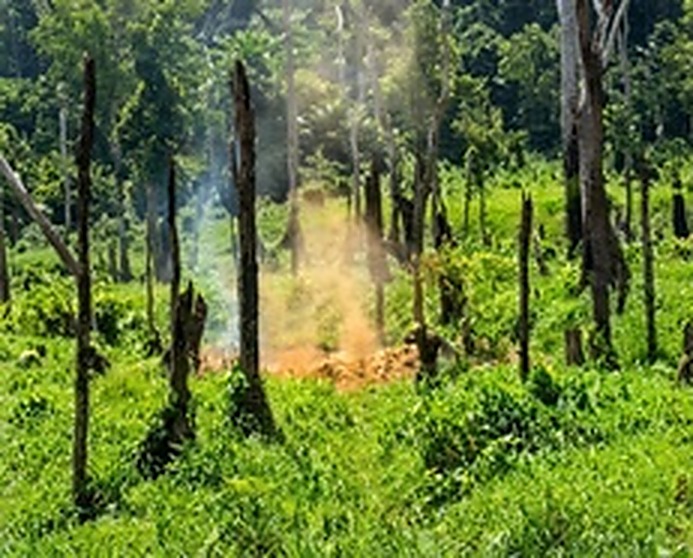
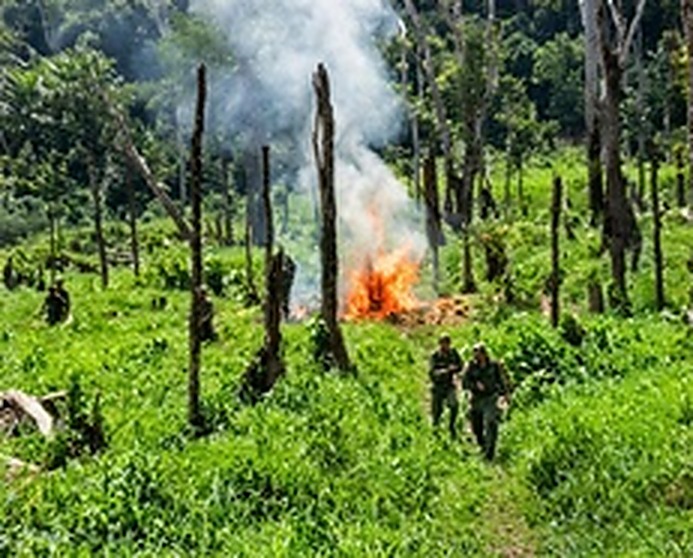
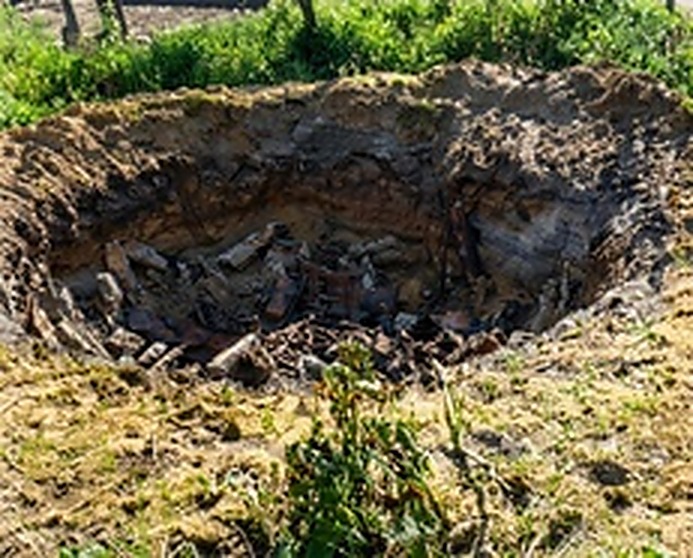
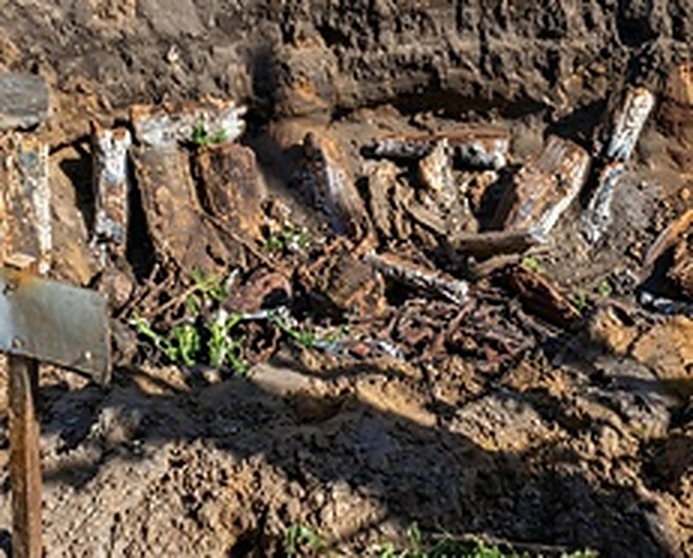
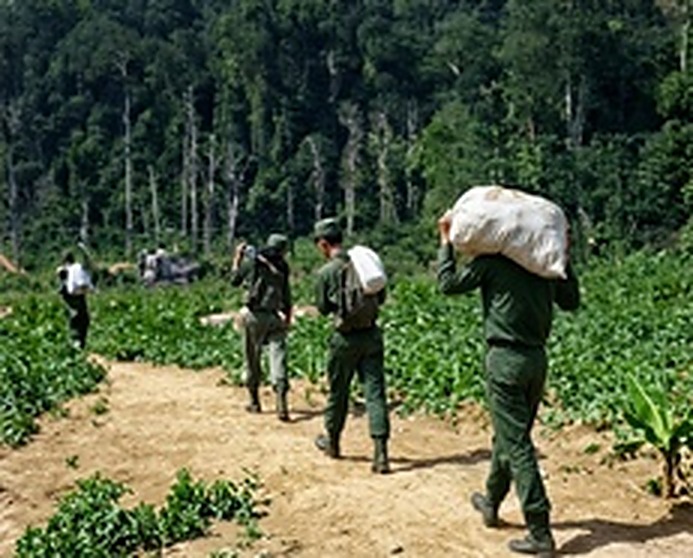
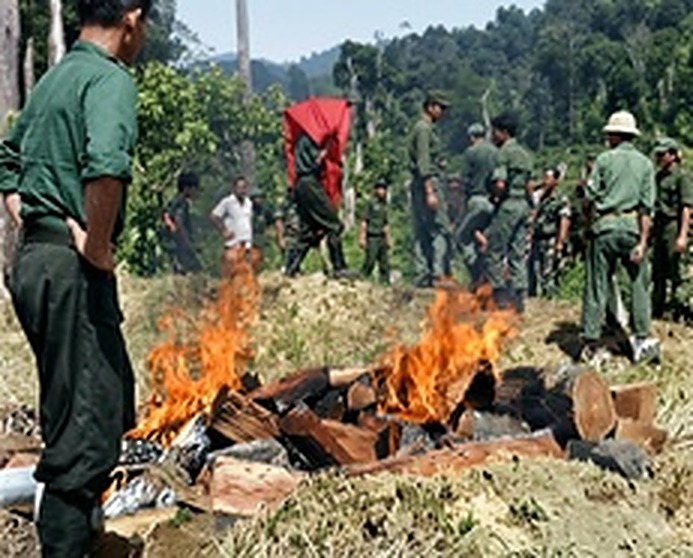
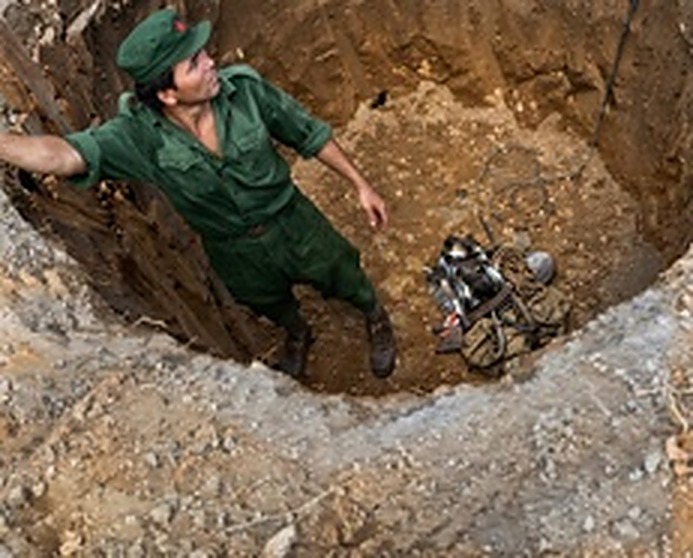
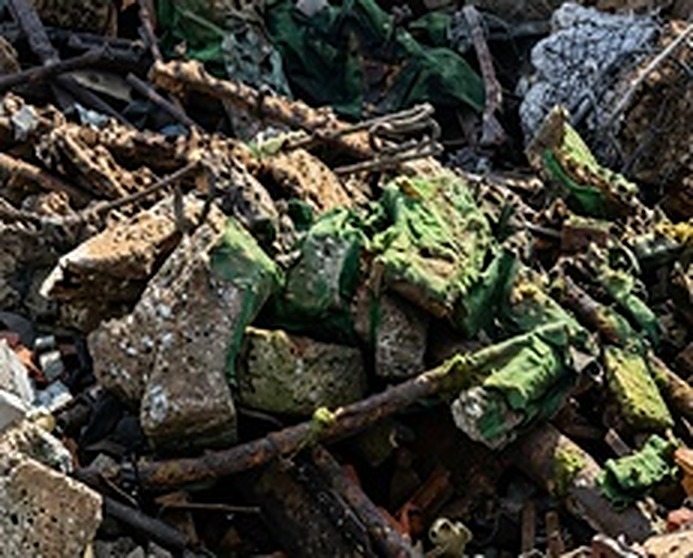
随后,指战员们肩扛装满待毁枪械与弹药的白色麻袋,列队踏过密林山径,将数以千计的枪支构件、弹药箱与地雷壳体层层铺入用厚木板围护的大型爆破坑与焚烧堆中。战士们亲手拎起油桶泼洒助燃燃油,爆破手则深入数米深的土坑底部安放雷管与导爆索。当点火口令下达,熊熊烈焰在森林空地上腾空而起,滚滚浓烟直冲云霄;紧接着,受控引爆的轰鸣声回荡在群山峡谷之间,将全部武器与军用电台发报设备化为焦土与废铁。这场“化剑为犁”的庄严告别,以最彻底、最磊落的方式向全世界证明了马来亚共产党人追求和平的赤诚与守信。
Once verification was completed, destruction proceeded strictly under the principle of 'self-disarmament by CPM personnel.' Beneath red banners, MPA fighters stepped up to heavy timber blocks, gripping rifle barrels with both hands to smash wooden stocks and receivers against the logs or bending barrels and sights with sledgehammers so that no firearm could ever be reassembled or displayed by anyone as a 'war trophy.'
Combatants then hoisted white sacks packed with decommissioned firearms and munitions onto their shoulders, marching in single file along jungle trails to stack thousands of weapon components, ammunition crates, and landmine casings into timber-lined demolition pits and bonfires. Fighters poured fuel over the pyres while demolition specialists descended into deep earthen pits to wire detonators and Primacord. At the command to ignite, towering flames and thick plumes of smoke rose above the forest canopy, followed by controlled blasts that echoed across the valleys—reducing every weapon and military radio transmitter to twisted iron and ash.
第三章:合艾之后的历史正名:马共“自行销毁武器”定性与1992年BBC公开道歉
Chapter 3: Historical Rectification After Haadyai: The Principle of Self-Disarmament and the 1992 BBC Public Apology
在国际军事史与政治谈判史上,武装冲突的终结方式往往直接定义了交战双方的历史地位。早在1955年12月华玲和谈期间,英殖民当局与东姑阿都拉曼之所以未能同马共达成协议,根本症结就在于对方企图强迫马共接受形同“放下武器投降”与政治审查的屈辱条件,遭到陈平总书记断然拒绝:“如果是要我们投降,我们宁可战斗到底,直到最后一个人!”三十四年后,《合艾和平协议》之所以能够成功签署并持久落实,核心基石正是三方共同确立的“体面的和平”(Peace with Honour)。
为了在制度与行动上彻底体现“体面的和平”,马共代表团在谈判中坚定确立了一条不可逾越的原则:马来亚人民军是将其武器“自行销毁”(Self-disarmament),而绝不是“上缴”给马来西亚或泰国政府。在军事法理与政治意义上,“上缴武器”(handing over / surrendering arms)意味着一方战败投降、向另一方交出武装;而“自行销毁武器”则昭示谈判各方是在完全平等的政治地位上达成和解,马共是主动停止武装斗争,以换取体面的政治总结与战后和平转型。
In the history of military conflict and diplomatic negotiation, the manner in which an armed struggle concludes directly defines the historical standing of the belligerents. Back at the December 1955 Baling Talks, negotiations deadlocked precisely because the British colonial authorities and Tunku Abdul Rahman sought to impose terms tantamount to capitulation and political interrogation—terms flatly rejected by Secretary-General Chin Peng: 'If you demand our surrender, we would rather fight to the bitter end, down to the very last man!' Thirty-four years later, the cornerstone that made the 1989 Haadyai Peace Accord possible and enduring was the shared principle of 'Peace with Honour.'
To give concrete institutional expression to 'Peace with Honour,' the CPM delegation established an unyielding principle during the talks: the Malayan People's Army would carry out 'self-disarmament' (destroying its own weapons) rather than handing them over to the Malaysian or Thai governments. In military and political jurisprudence, 'surrendering weapons' signifies defeat and capitulation, whereas 'self-disarmament' demonstrates that the parties reached reconciliation on an equal footing, with the CPM voluntarily terminating its armed struggle in exchange for political dignity and peaceful transition.
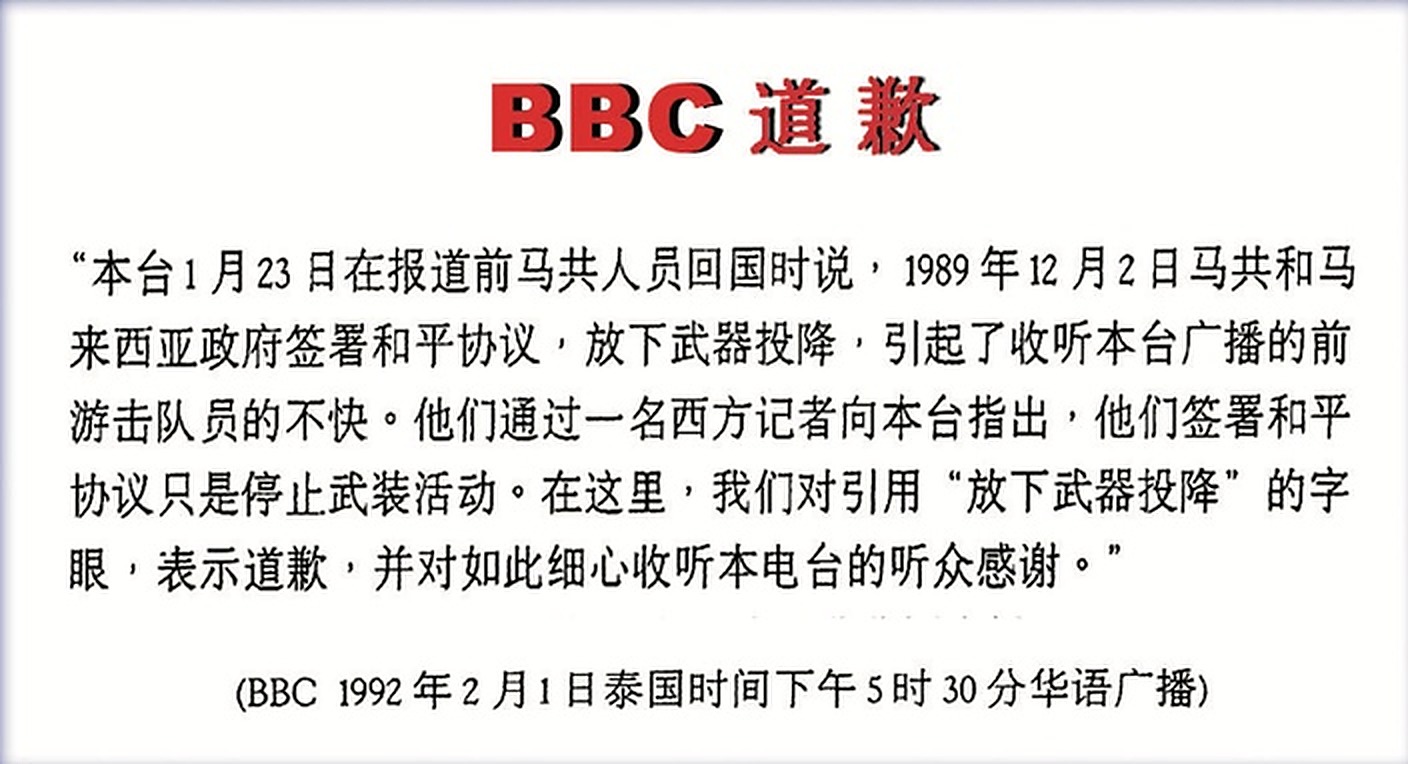
对于这一事关革命气节与历史定性的核心原则,全体前人民军指战员即便在解甲归田之后依然保持着高度的政治敏锐与历史自觉。1992年1月23日,英国广播公司(BBC)华语广播在报道首批前马共人员根据协议返回马来西亚的新闻时,不慎沿用了西方冷战媒体的惯性词汇,称马共于1989年12月2日签署和平协议“放下武器投降”。这一失实表述立即引起了收听广播的前人民军游击队员的强烈不满与严正交涉。他们通过一名西方记者向BBC伦敦总部明确指出:马共签署《合艾和平协议》只是停止武装活动、自行销毁武器,绝非“放下武器投降”。
面对确凿无疑的《合艾和平协议》条文与现场自行销毁武器的历史事实,向来以报道严谨自诩的英国广播公司(BBC)经核查后承认错误,并于1992年2月1日泰国时间下午5时30分的华语广播中,向全体前马共游击队员及全球听众播发了公开致歉声明。这则不足两百字的《BBC道歉》广播稿,不仅洗刷了外部媒体的话语曲解,更从国际权威传媒的维度,为马共长达四十余年的武装斗争留下了“不败而和、体面终章”的历史定评。
Even after returning to civilian life, former MPA combatants maintained unwavering vigilance over this core principle of historical dignity. On January 23, 1992, while reporting on the repatriation of former CPM personnel to Malaysia, the BBC Mandarin Service inadvertently used Cold War-era phrasing, stating that the CPM had signed the December 2, 1989 peace accord and 'laid down its arms in surrender.' This inaccurate characterization immediately drew strong objections from former guerrillas listening to the broadcast. Through a western journalist, they formally pointed out to BBC headquarters that by signing the Haadyai Peace Accord, the CPM had merely ceased armed activities and destroyed its own weapons—never surrendered.
Confronted with the indisputable text of the Haadyai Peace Accord and the documented reality of the MPA's self-disarmament, the British Broadcasting Corporation verified the facts and broadcast a formal public apology during its Mandarin Service transmission at 5:30 PM Thai time on February 1, 1992. This concise verbatim apology not only corrected external media distortion, but also enshrined in international broadcast history the definitive assessment that the CPM concluded its four-decade armed struggle on equal terms—not in defeat or capitulation, but in 'Peace with Honour.'
本台1月23日在报道前马共人员回国时说,1989年12月2日马共和马来西亚政府签署和平协议,放下武器投降,引起了收听本台广播的前游击队员的不快。他们通过一名西方记者向本台指出,他们签署和平协议只是停止武装活动。在这里,我们对引用“放下武器投降”的字眼,表示道歉,并对如此细心收听本电台的听众感谢。In our January 23 report on the return of former CPM personnel to their homeland, this station stated that on December 2, 1989, the CPM signed a peace agreement with the Malaysian Government and laid down its arms in surrender, which caused displeasure among former guerrillas listening to our broadcast. Through a western journalist, they pointed out to this station that by signing the peace agreement they merely ceased armed activities. Here, we apologize for using the phrase 'laying down arms in surrender,' and we thank our listeners for listening to this station so attentively.— 英国广播公司(BBC)1992年2月1日泰国时间下午5时30分华语广播《BBC 道歉》 | BBC Mandarin Service Broadcast Apology, February 1, 1992, 5:30 PM Thai Time
历史档案图证与文献影印(全卷图录)
Archival Photographic & Documentary Evidence Gallery