战役专篇第10集:“为人民报仇雪恨”之战:东西大道大爆破与八年破袭攻防战全纪实(1974–1981)
Campaign Feature 10: A Battle of 'People's Vengeance': Demolition of 63 Heavy Machines and the Eight-Year East-West Highway Campaign (1974–1981)
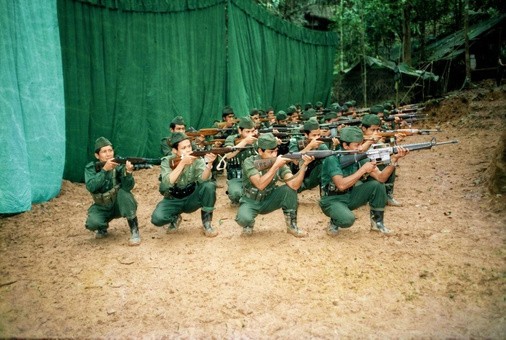
连接吉打居林/华玲至吉兰丹日里的“东西大道”(East-West Highway),是马来西亚政府企图横切马共北马边境根据地、强拆边境农民家园田园的战略军事公路。从1974年至1981年,以马来亚民族解放军第十支队为主力,联合第十二支队及各突击队,在广大流离失所边境平民的全力支持下,对东西大道展开了长达八年、震撼全马的“为人民报仇雪恨”破袭与攻防战:从1974年5月23日一夜炸毁63台重型筑路机械迫使敌军中止霹雳中部围剿,到1976年8月天猛公水坝支路与宜力第11英里连续伏击、1977–1978年攻袭大道营部歼敌60余人,再到1980年10–11月连环地雷阵炸毁装甲车2辆毙伤敌80余人及1981年3月15日巴都默灵当伏击战歼敌30余人。
Constructed across the rugged northern mountains linking Kedah and Perak to Kelantan, the strategic East-West Highway was designed by the Malaysian government to bisect CPM border base areas while forcibly demolishing the farmlands and homes of border villagers. From 1974 to 1981, spearheaded by the MNLA 10th Regiment with strong support from displaced border civilians, guerrilla forces waged a prolonged campaign hailed as a battle of 'people's vengeance': from the May 23, 1974 demolition of 63 heavy road-building machines that halted government sweeps in central Perak, to the August 1976 Temenggor Dam and Gerik ambushes, the 1977–1978 highway camp raids neutralizing 60+ troops, the October–November 1980 minefield victory destroying 2 armored vehicles and causing 80+ casualties, and the March 15, 1981 Batu Melintang ambush neutralizing 30+ soldiers.
第一章:一夜炸毁63台重型筑路机械:1974年5月23日东西大道特大爆破奇袭
Chapter 1: 63 Heavy Construction Machines Destroyed in a Single Night: The May 23, 1974 East-West Highway Demolition
1970年代初,马来西亚政府在英美军事顾问建议下,强行启动贯通霹雳州宜力(Gerik)至吉兰丹州日里(Jeli)的“东西大道”战略工程。当局不仅企图利用这条横跨蒂迪旺沙山脉北段的战略公路切割马共各支队的南北联系,更在修路沿线残酷强拆边境各族农民世代耕作的胶园、果园与村舍,导致大批边民流离失所、家破人亡。因此,马来亚民族解放军第十支队与各突击队针对东西大道发起的反击战,得到了沿线受害平民的狂热拥护与情报支援,被广大群众欢呼为“为人民报仇雪恨”之战。
1974年5月23日深夜,马来亚民族解放军特遣爆破大队实施了第二次紧急状态期间规模最为惊人的工程破袭战:特遣队员隐蔽潜入重兵驻守的东西大道核心施工基地,将炸药包逐一安放在整齐停放的重型推土机、挖掘机、压路机与工程重卡发动机舱内。随着连绵不绝的剧烈爆炸声响彻夜空,整整63台价值连城的重型筑路机械化为一片火海与废铁!
这一雷霆万钧的大爆破直接令吉隆坡政权目瞪口呆,不仅使东西大道工程陷入长期停摆,更直接迫使马来西亚军方紧急从霹雳中部抽调大批主力部队回防东西大道,从而彻底打断并中止了敌军正在霹雳中部对马共南下突击队进行的“围剿”行动,实现了“围魏救赵”的重大战略目的。
In the early 1970s, the Malaysian government initiated construction of the strategic East-West Highway linking Gerik in Perak to Jeli in Kelantan. Designed as a counter-insurgency barrier to bisect CPM border base areas, the project forcibly demolished the farmlands, orchards, and homes of border villagers without compensation. Consequently, the prolonged campaign waged against the highway by the MNLA 10th Regiment and assault detachments received ardent support from displaced border civilians and was hailed as a battle of 'people's vengeance'.
On the night of May 23, 1974, an MNLA special demolition force executed the single most destructive sabotage raid of the Second Emergency: infiltrating the heavily guarded East-West Highway construction depot, the guerrillas placed explosive charges across the fleet of heavy earth-moving equipment, destroying 63 heavy bulldozers, excavators, and construction machines in a single night!
This devastating blow not only paralyzed construction along the highway and sent defense costs soaring, but also forced the Malaysian military command to immediately pull back troops from central Perak to guard the highway, halting their ongoing encirclement sweeps in central Perak.
【1974–1981 东西大道特大爆破与八年持久破袭 · 战略影响定评】
★ 核心战略影响:1974年5月23日夜,民族解放军以“为被强拆家园的边境人民报仇雪恨”为号召,一夜炸毁东西大道63台重型推土机与筑路机械,并在随后八年间联同第十支队等部持续开展地雷伏击与武装破袭。此役不仅直接重创了当局企图横切马共北马根据地的战略封锁工程,更迫使马来西亚政府将原本计划数年完工的东西大道工程推迟近十年,耗费了数以亿计的额外军费与护路兵力。[1974–1981 East-West Highway Demolition & Eight-Year Sabotage Campaign · Strategic Impact]— 《马来亚共产党武装斗争历史战役全纪实》东西大道攻防战影响定评 | East-West Highway Campaign Impact Assessment, CPM Armed Struggle Historical Campaigns Archive
★ Core Strategic Impact: Destroying 63 heavy construction machines in a single night on May 23, 1974 and sustaining an eight-year sabotage and ambush campaign crippled the government's strategic road project aimed at bisecting the northern border bases, delaying completion of the East-West Highway by nearly a decade.
1970年代初,马来西亚政府在英美军事顾问建议下,强行启动贯通霹雳州宜力(Gerik)至吉兰丹州日里(Jeli)的“东西大道”战略工程。当局不仅企图利用这条横跨蒂迪旺沙山脉北段的战略公路切割马共各支队的南北联系,更在修路沿线残酷强拆边境各族农民世代耕作的胶园、果园与村舍,导致大批边民流离失所、家破人亡。因此,马来亚民族解放军第十支队与各突击队针对东西大道发起的反击战,得到了沿线受害平民的狂热拥护与情报支援,被广大群众欢呼为“为人民报仇雪恨”之战。
1974年5月23日深夜,马来亚民族解放军特遣爆破大队实施了第二次紧急状态期间规模最为惊人的工程破袭战:特遣队员隐蔽潜入重兵驻守的东西大道核心施工基地,将炸药包逐一安放在整齐停放的重型推土机、挖掘机、压路机与工程重卡发动机舱内。随着连绵不绝的剧烈爆炸声响彻夜空,整整63台价值连城的重型筑路机械化为一片火海与废铁!
这一雷霆万钧的大爆破直接令吉隆坡政权目瞪口呆,不仅使东西大道工程陷入长期停摆,更直接迫使马来西亚军方紧急从霹雳中部抽调大批主力部队回防东西大道,从而彻底打断并中止了敌军正在霹雳中部对马共南下突击队进行的“围剿”行动,实现了“围魏救赵”的重大战略目的。
In the early 1970s, the Malaysian government initiated construction of the strategic East-West Highway linking Gerik in Perak to Jeli in Kelantan. Designed as a counter-insurgency barrier to bisect CPM border base areas, the project forcibly demolished the farmlands, orchards, and homes of border villagers without compensation. Consequently, the prolonged campaign waged against the highway by the MNLA 10th Regiment and assault detachments received ardent support from displaced border civilians and was hailed as a battle of 'people's vengeance'.
On the night of May 23, 1974, an MNLA special demolition force executed the single most destructive sabotage raid of the Second Emergency: infiltrating the heavily guarded East-West Highway construction depot, the guerrillas placed explosive charges across the fleet of heavy earth-moving equipment, destroying 63 heavy bulldozers, excavators, and construction machines in a single night!
This devastating blow not only paralyzed construction along the highway and sent defense costs soaring, but also forced the Malaysian military command to immediately pull back troops from central Perak to guard the highway, halting their ongoing encirclement sweeps in central Perak.
东西大道破袭与攻防战(1974–1981):东西大道是连接吉打与吉兰丹的战略交通线,马共第10支队及部分突击队在建设期间对其展开了长期袭扰。
战役得到了边境因修建大道而被强拆、推毁田园的流离失所平民的强烈支持,被称为“为人民报仇雪恨”之战。
1. 筑路机械大爆破 (1974年5月23日):特遣队炸毁63台重型筑路机械,直接迫使政府军调兵防守并中止在霹雳中部的围剿;
2. 营部袭击与设伏 (1977–1978年):袭击东西大道据点营部歼敌60余人,并多次伏击军车;
3. 大道地雷战大捷 (1980年10–11月):第10支队大摆连环地雷阵,炸毁装甲车2辆,致政府军死伤80余人;
4. 巴都默灵当战事 (1981年3月15日):在据点附近引爆地雷伏击卡车,歼敌30余人。The East-West Highway Sabotage & Operations (1974–1981): The East-West Highway was a strategic route under constant CPM harassment (primarily by the 10th Regiment) during its construction. The campaign received strong support from displaced border civilians whose farmlands and homes had been demolished by the government for highway construction. It was hailed as a battle of 'people's vengeance.'— 《东西大道破袭与攻防战(1974–1981)战史纪要》 | Military Chronicle: The East-West Highway Sabotage & Operations (1974–1981)
1. Heavy Machinery Sabotage (May 23, 1974): Destroyed 63 heavy construction machines, halting sweeps in central Perak;
2. Camp Raid & Ambushes (1977–1978): Raided highway headquarters, neutralizing 60+ soldiers, and conducted three truck ambushes;
3. Highway Mine Victory (Oct–Nov 1980): The 10th Regiment deployed extensive minefields, destroying 2 armored vehicles and causing 80+ casualties;
4. Outpost Ambush (Mar 15, 1981): Detonated mines near the Batu Melintang section to ambush trucks, neutralizing 30+ soldiers.
第二章:八年持久破袭:从1976年天猛公支路伏击到1980至1981年第十支队连环地雷大捷
Chapter 2: Eight Years of Relentless Attrition: From the 1976 Temenggor Ambushes to the 1980–1981 10th Regiment Minefield Victories
1974年大爆破之后,政府军在东西大道沿线步步筑碉、驻扎重兵,但马共武装的破袭攻势反而愈战愈勇。如1976年8月《战斗消息:我军在东西大道上消灭一批敌人》原始战报所载:1976年8月11日,我军在东西大道通往天猛公水坝(Temenggor Dam)的战略支路上设伏,以密集的地雷与机枪火力猛烈痛击敌军护路巡逻队;仅隔四天后的8月15日,我军又在东西大道距离宜力(Gerik)第11英里路段再次出击,炸毁敌军工程护卫车辆并歼灭一批敌兵。
1977年至1978年间,第十支队与兄弟部队多次夜袭东西大道沿线敌军据点营部,累计歼灭敌军60余人,并连续三次在公路上成功伏击敌军运输车队。进入1980年10月至11月,阿都拉·西·迪领导的第十支队在东西大道东段大摆连环地雷阵,短短两个月内炸毁敌军装甲车2辆,致使政府军死伤80余人!1981年3月15日,第十支队又在吉兰丹日里巴都默灵当(Batu Melintang)据点附近引爆遥控与触发地雷伏击敌军运兵卡车,一举歼敌30余人。
东西大道系列战役是第二次紧急状态中最具战略破坏性的持久游击战例。第十支队与各突击队通过长达八年的爆破、强袭与地雷战,极大增加了大道的建设与防卫成本,将这条殖民主义者妄图用来锁死游击区的公路,变成了不断使政府军流血消耗的“绞肉机”,成为游击战争“限制战略交通线”的光辉典范。
Following the May 1974 machinery demolition, the Malaysian military heavily fortified the highway corridor, yet MNLA attacks only intensified. As documented in the August 1976 primary bulletin 'Combat News: Our Forces Eliminate a Batch of Enemy Troops Along the East-West Highway' (reproduced below), on August 11, 1976, MNLA fighters ambushed an enemy patrol on the branch road leading from the East-West Highway to the Temenggor Dam; four days later, on August 15, 1976, another ambush at the 11th mile from Gerik along the East-West Highway inflicted further casualties on highway security forces.
Between 1977 and 1978, MNLA units raided highway garrison headquarters, neutralizing over 60 soldiers and executing three successful convoy ambushes. In October and November 1980, the 10th Regiment deployed an extensive interlocking minefield along the highway, destroying 2 armored vehicles and inflicting over 80 casualties on government forces. On March 15, 1981, near the Batu Melintang outpost in Kelantan, the 10th Regiment detonated landmines to ambush troop trucks, neutralizing over 30 soldiers.
The East-West Highway campaign stood as the most strategically disruptive campaign of the Second Emergency, drastically escalating construction and defense costs and turning the government's strategic artery into a prolonged war of attrition.
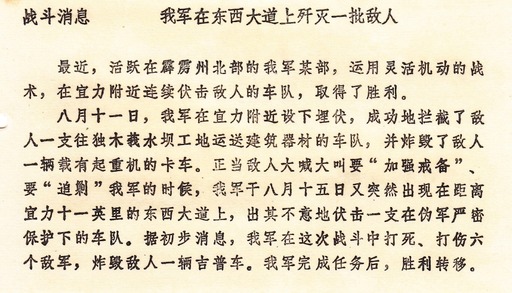
历史定评:东西大道系列战是第二次紧急状态中具战略破坏性的游击行动。第10支队通过爆破和地雷战极大地增加了大道的建设防卫成本,成功打乱了边境清剿部署,是游击队“限制战略交通线”的经典战例。Historical Assessment: The highway campaign was the most strategically disruptive campaign of the Second Emergency. Through prolonged sabotage and mining, the 10th Regiment raised construction costs, disrupted sweeps, and restricted strategic supply lines.— 1976年8月《战斗消息:我军在东西大道上消灭一批敌人》原始文献及战史定评 | August 1976 MNLA Combat Bulletin & Historical Assessment