战役专篇第4集:攻城拔寨与河谷歼敌:1948.7吉兰丹毛生警察局占领战、武吉甲洞围攻战与欧罗心摩河伏击战(1948–1950)
Campaign Episode 4: Storming Strongholds & River Valley Annihilation: July 1948 Gua Musang Occupation, Bukit Kepong Siege & Semur River Ambush (1948–1950)
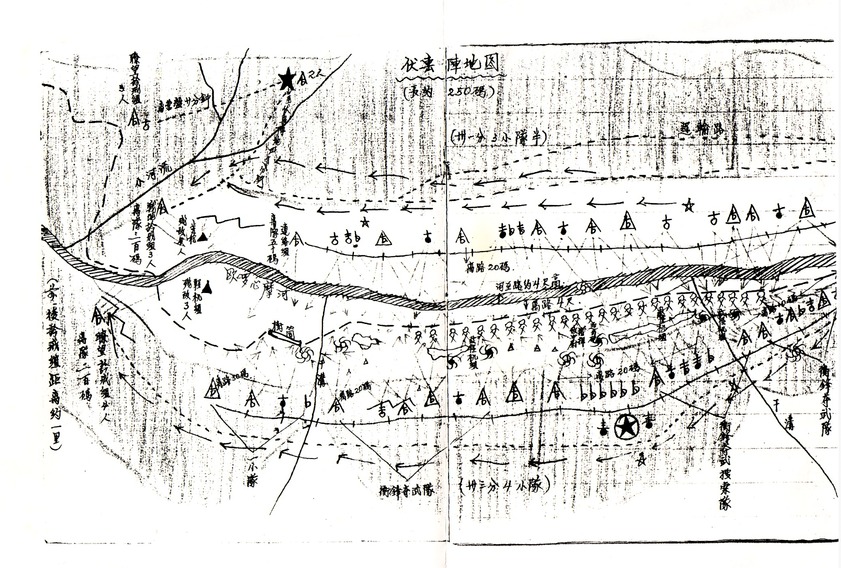
在各州游击破击网全面铺开的基础上,马来亚民族解放军打响了三场震动英伦朝野的标志性重点战役:1948年7月攻克吉兰丹毛生(话望生)警察局并占领全镇整整一周,彻底击碎英军“数周内平定游击队”的狂妄叫嚣;1950年2月23日围攻柔佛武吉甲洞警察局,极大动摇了殖民政权在柔北乡村的基层警政控制网;1950年3月25日再度于吉兰丹欧罗心摩河设伏,歼灭英军吉兰丹兵团25人、活捉9人,迫使英军彻底放弃排级孤立巡逻战术。
Following the outbreak of the Anti-British National Liberation War in June 1948, CPM guerrilla forces demonstrated formidable assault and field ambush capabilities: in July 1948, capturing the Gua Musang police station in Kelantan and occupying the town for a full week; on February 23, 1950, assaulting the Bukit Kepong police station in Johor and seizing all weapons; and on March 25, 1950, executing the Ulu Semur River ambush that wiped out a British Commonwealth platoon and captured 1 mortar, 4 LMGs, and 29 rifles, leaving behind the handwritten '7th Company: Review of the Ulu Semur River Battle' and two detailed tactical battle maps.
第一章:抗英初期最大规模攻点占镇:吉兰丹毛生警察局占领战(1948年7月)
Chapter 1: Largest Early-Stage Town Occupation: The Capture of Gua Musang Police Station (July 1948)
1948年6月20日,英国殖民当局在全马发动“紧急状态”大搜捕,企图在数周内扑灭刚刚转入农村与丛林的马共革命武装。然而,仅仅不到一个月后的1948年7月中旬,活跃在吉兰丹南部铁路沿线的马共游击队(原抗日军第七独立队骨干)便在话望生(毛生,Gua Musang)打响了震惊全马乃至英伦三岛的“吉兰丹毛生警察局占领战”。
战斗打响后,马共武装凭借熟练的山地攻坚战术与精准火力,向盘踞在毛生镇的殖民警察局发起猛烈进攻,一举毙伤、俘虏驻守警局的殖民警员,缴获警局内储存的全部枪支弹药。随后,游击队全面接管并占领了作为吉兰丹南部铁路枢纽的毛生镇及其周边地区整整一个星期,期间击退了英军增援部队的多次反扑。这是抗英民族解放战争初期规模最大的攻点占镇军事行动,引发了国内外舆论的强烈震动,充分展现了人民武装早期凌厉的攻坚破袭能力。
After the British colonial administration declared the State of Emergency in June 1948, colonial commanders boasted they would crush the nascent guerrilla forces within weeks. Less than a month later, in mid-July 1948, CPM guerrillas in southern Kelantan launched the audacious Capture of Gua Musang Police Station.
Attacking the fortified Gua Musang police station with coordinated fire and movement, the guerrillas neutralized or captured the defending garrison, seized the entire armory of weapons and ammunition, and occupied Gua Musang town and its surrounding areas for one full week while repelling British relief columns. As the largest town occupation in the early stage of the Anti-British National Liberation War, the victory sent shockwaves through domestic and international media and proved the guerrillas' formidable tactical assault capabilities.
【1948–1950 三大成名攻坚与野战伏击 · 战役战略影响定评】
• 1948.7 吉兰丹毛生(话望生)警察局占领战:攻克整座警察局并占领毛生县城长达一周,创下抗英初期最大规模占镇纪录,彻底粉碎了英军“数周内消灭游击队”的速胜幻想,迫使英国内阁紧急从本土调派正规军增援马来亚。
• 1950.2.23 柔佛武吉甲洞警察局围攻战:极大震动了英殖民当局在柔佛内陆与麻坡河流域的基层警政防线,迫使英军耗费巨资加固全马逾千座乡村警署。
• 1950.3.25 吉兰丹欧罗心摩河伏击战:一举歼灭英军吉兰丹兵团25人、活捉9人,迫使英军彻底放弃排级孤立丛林巡逻战术,改以连营级重兵迟缓推进。[1948–1950 Three Landmark Stronghold & River Valley Battles · Strategic Impact]— 《马来亚共产党武装斗争历史战役全纪实》重点攻坚与伏击战役影响定评 | Landmark Campaign Impact Assessment, CPM Armed Struggle Historical Campaigns Archive
• July 1948 Gua Musang Occupation: Capturing the police station and holding the town for a full week shattered British illusions of a quick victory and forced London to rush regular army reinforcements to Malaya.
• Feb 23, 1950 Bukit Kepong Siege: Shook the colonial rural police network across Johor, forcing costly fortifications of over a thousand rural police posts.
• Mar 25, 1950 Semur River Ambush: Neutralizing 25 Malay Regiment soldiers and capturing 9 forced the British military to abandon isolated platoon-sized jungle patrols.
1948年6月20日,英国殖民当局在全马发动“紧急状态”大搜捕,企图在数周内扑灭刚刚转入农村与丛林的马共革命武装。然而,仅仅不到一个月后的1948年7月中旬,活跃在吉兰丹南部铁路沿线的马共游击队(原抗日军第七独立队骨干)便在话望生(毛生,Gua Musang)打响了震惊全马乃至英伦三岛的“吉兰丹毛生警察局占领战”。
战斗打响后,马共武装凭借熟练的山地攻坚战术与精准火力,向盘踞在毛生镇的殖民警察局发起猛烈进攻,一举毙伤、俘虏驻守警局的殖民警员,缴获警局内储存的全部枪支弹药。随后,游击队全面接管并占领了作为吉兰丹南部铁路枢纽的毛生镇及其周边地区整整一个星期,期间击退了英军增援部队的多次反扑。这是抗英民族解放战争初期规模最大的攻点占镇军事行动,引发了国内外舆论的强烈震动,充分展现了人民武装早期凌厉的攻坚破袭能力。
After the British colonial administration declared the State of Emergency in June 1948, colonial commanders boasted they would crush the nascent guerrilla forces within weeks. Less than a month later, in mid-July 1948, CPM guerrillas in southern Kelantan launched the audacious Capture of Gua Musang Police Station.
Attacking the fortified Gua Musang police station with coordinated fire and movement, the guerrillas neutralized or captured the defending garrison, seized the entire armory of weapons and ammunition, and occupied Gua Musang town and its surrounding areas for one full week while repelling British relief columns. As the largest town occupation in the early stage of the Anti-British National Liberation War, the victory sent shockwaves through domestic and international media and proved the guerrillas' formidable tactical assault capabilities.
吉兰丹毛生警察局占领战(1948.7):马共武装进攻吉兰丹毛生警察局,毙伤俘部分守军,缴获全部武器,并占领毛生镇及其附近地区一个星期。
历史定评:这是抗英战争初期规模最大的攻点占镇行动,引发了国内外舆论震动,展现了游击队早期的攻坚破袭能力。The Capture of Gua Musang Police Station (1948.7): CPM forces attacked the Gua Musang police station, neutralizing or capturing the defenders, seizing all weapons, and occupying Gua Musang town and its surrounding areas for one week.— 《马来亚民族解放军战史档案:吉兰丹毛生占领战(1948年7月)》 | MNLA Military Archives: The Capture of Gua Musang (July 1948)
Historical Assessment: The largest early-stage town occupation by the guerrillas, sparking media attention and showing their early tactical assault capabilities.
第二章:动摇殖民基层警政防线的标志性攻坚:柔佛武吉甲洞警局围攻战(1950年2月23日)
Chapter 2: Shattering Colonial Police Morale: The Siege of Bukit Kepong Police Station (February 23, 1950)
1950年2月23日凌晨4时30分,马来亚民族解放军驻柔佛北部的精锐部队(包含由马共培养的马来族指战员马特·印德拉 Mat Indera 与华族指战员组成的联合突击队),对位于麻坡河畔的柔佛武吉甲洞警察局(Bukit Kepong Police Station)发起了著名的突击围攻战。在战斗过程中,马特·印德拉曾多次向警局守军喊话劝降,呼吁马来警员不要为英国殖民统治者卖命,但遭到警局内英殖民警官的顽固拒绝。
经过数小时激烈交火,民族解放军突击队攻克并焚毁了武吉甲洞警局及水警码头设施,全歼拒不投降的驻守人员,缴获警局内全部武器装备后安全撤回麻坡河上游密林。从下方英国殖民当局战后绘制并标有“CONFIDENTIAL(机密)”字样的《1950年2月23日凌晨4时30分武吉甲洞警察局围攻态势图》可见,我军在警局四周的胶园、河岸与生活区构筑了严密的包围火网,截断了水陆增援通道。此战是战后马新历史中知名度最高的单次警局攻坚战,极大地动摇了英国殖民地基层警政防线的信心,具有标志性的政治与历史象征意义。
At 4:30 a.m. on February 23, 1950, an assault force of the Malayan National Liberation Army (MNLA) in northern Johor—integrating Malay commander Mat Indera and Chinese guerrilla fighters—launched a coordinated siege against the Bukit Kepong Police Station along the Muar River. During the battle, Mat Indera repeatedly called upon the defending personnel to surrender and lay down their arms rather than die for British colonial rule, but the garrison refused.
After several hours of intense close-range combat, MNLA forces overran the station, neutralized the defending force, and captured all firearms before withdrawing safely into the jungle. As shown in the declassified British 'CONFIDENTIAL' tactical map ('attack - Bukit Kepong Police Station 4.30 am, 23 Feb 1950') reproduced below, the guerrillas established a complete firing perimeter around the compound and river jetty. This engagement became the most famous single police station raid in post-war Malayan history, severely shaking the morale of the colonial police apparatus.
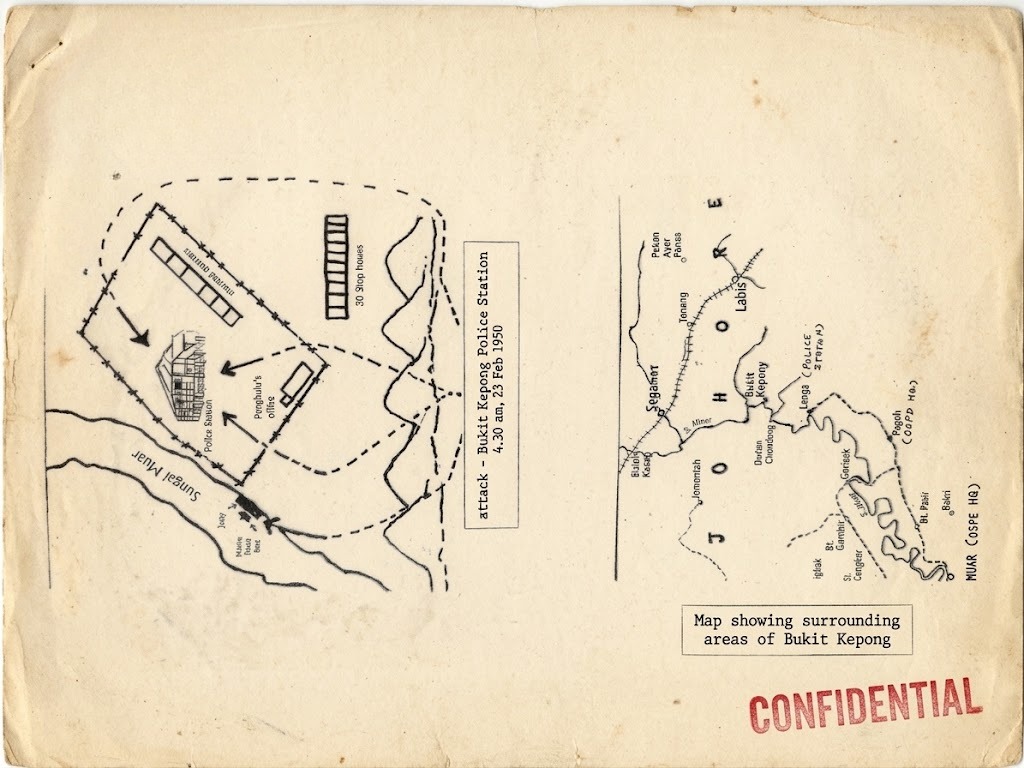
柔佛武吉甲洞警局围攻战(1950.2):马共武装突击围攻武吉甲洞警局,歼灭驻守的人员,缴获全部武器。此役在马新历史中极为著名。
历史定评:此战是战后马新历史中知名度最高的单次警局攻坚战,极大地动摇了殖民地基层警政防线的信心,具有标志性的政治与历史象征意义。The Bukit Kepong Incident (1950.2): CPM forces raided the Bukit Kepong police station, neutralizing all defending personnel and capturing all firearms. This engagement remains highly famous in Malayan history.— 《马来亚民族解放军战史档案:柔佛武吉甲洞围攻战(1950年2月)》 | MNLA Combat Archives: The Bukit Kepong Raid (February 1950)
Historical Assessment: This was the most famous single police station raid in post-war Malayan history, heavily impacting colonial police morale and standing as a major historical symbol.
第三章:河谷密林伏击的巅峰范例:欧罗心摩河伏击战与手写战后检讨原件(1950年3月25日)
Chapter 3: Pinnacle of Riverine Jungle Ambush: The Ulu Semur Ambush and Handwritten Battle Review Manuscripts (March 25, 1950)
1950年3月25日,在吉兰丹州话望生附近的欧罗心摩河(Ulu Semur River,又作乌鲁士毛月河),马来亚民族解放军第十二支队第七中队针对深入丛林搜剿的英属联军(马来军团第三营一个排)布下天罗地网。当英属联军排级纵队涉水进入欧罗心摩河谷狭窄地段时,埋伏在河岸两侧制高点的民族解放军第七中队突然集中轻机枪与步枪火力猛烈开火,并迅速从两翼实施穿插分割。
经过短促而激烈的近战肉搏,我军一举全歼英属联军整整一个排,当场缴获两英寸迫击炮一门、勃朗宁及布伦轻机枪四挺、英式步枪二十九支以及大批弹药。此役是英国殖民军在早期“紧急状态”期间遭受的最惨重的野战伏击失败之一(英国殖民官方档案震惊地称之为“Ulu Semur Incident”)。
尤为珍贵的是,战斗结束后,民族解放军第七中队立即撰写了《第七中队:欧罗心摩河战役检讨(1950年3月25日)》毛笔手写总结手稿,并由参战指挥员亲手绘制了两幅《欧罗心摩河战役我军阵地配置与敌军态势详图》(原件见下方图证)。手绘图上不仅清晰标注了欧罗心摩河水流方向、山脊等高线、我军各分队伏击阵地、主攻突击箭头与英军被围歼位置,更体现了马共领导的人民武装高度正规化的战术复盘制度与卓越的军事素养。
On March 25, 1950, along the Ulu Semur River near Pulai and Gua Musang in Kelantan, the 7th Company of the MNLA 12th Regiment laid a textbook riverine ambush against a sweeping platoon of British Commonwealth troops (3rd Battalion, Malay Regiment). As the colonial platoon waded into the narrow river valley kill zone, MNLA fighters positioned on the commanding riverbanks unleashed devastating interlocking machine-gun and rifle fire before charging down to divide and overrun the column.
In a decisive engagement, the MNLA wiped out the entire British Commonwealth platoon, capturing 1 mortar, 4 light machine guns, and 29 rifles along with thousands of rounds of ammunition. The battle stood as one of the worst field ambush defeats suffered by British colonial forces during the early Emergency (recorded in British dispatches as the 'Ulu Semur Incident').
Of extraordinary archival value, immediately after the battle the 7th Company compiled a brush-written tactical review titled '7th Company: Review of the Ulu Semur River Battle (March 25, 1950)' accompanied by two hand-drawn tactical maps detailing the river bends, terrain contours, squad firing positions, assault arrows, and the encirclement of the enemy platoon (reproduced below). These primary manuscripts demonstrate the sophisticated military doctrine and post-battle review discipline of the MNLA.
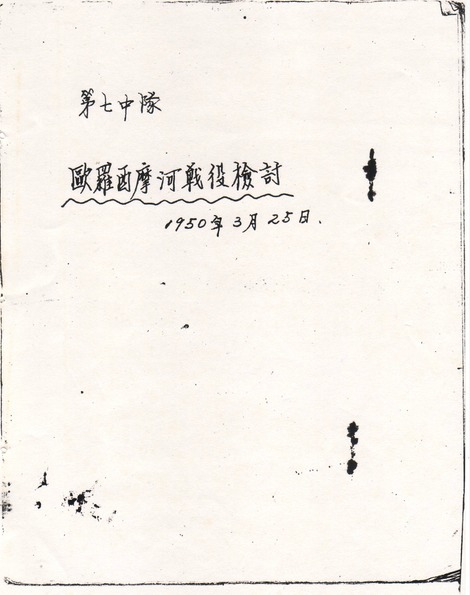
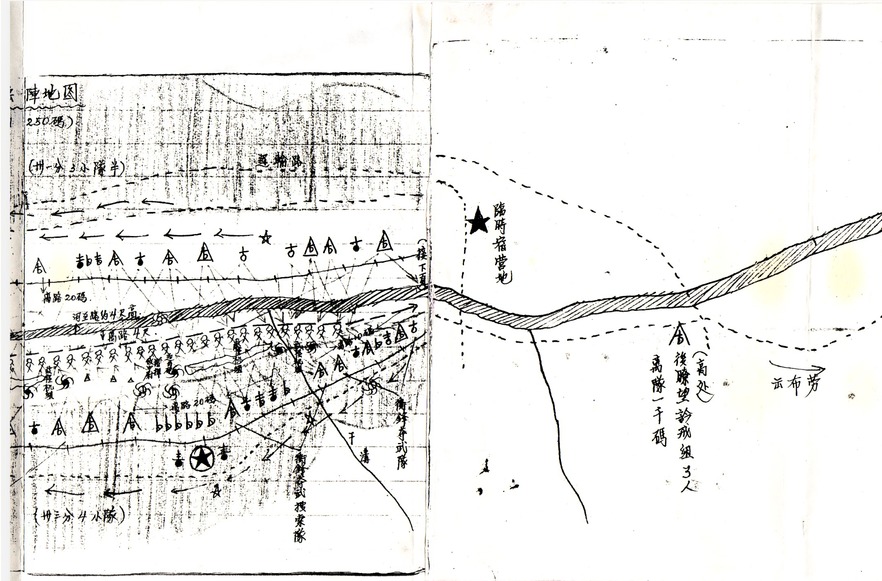
欧罗心摩河伏击战(1950.3.25):马共武装在此设伏,歼灭英属联军一个排,缴获迫击炮一门、轻机枪四挺、步枪二十九支。此战是英军在紧急状态期间遭受的惨重伏击失败之一(英方称为“Ulu Semur Incident”)。
历史定评:这是英国殖民军在早期紧急状态中遭受的最惨重的野战伏击失败之一。此战是反制英军围剿的标志性大捷,展现了极高的河谷密林伏击战术,并留下了宝贵的战后检讨手稿。The Ulu Semur Ambush (1950.3.25): CPM forces laid an ambush here, neutralizing a platoon of the British Commonwealth troops, capturing a mortar, 4 light machine guns, and 29 rifles. This was one of the worst ambush defeats suffered by the British during the Emergency.— 《第七中队:欧罗心摩河战役检讨(1950年3月25日)》及战史定评 | 7th Company: Review of the Ulu Semur River Battle (March 25, 1950) & Historical Assessment
Historical Assessment: One of the worst field ambush defeats suffered by the British colonial forces during the early Emergency. A hallmark victory against British sweeps, demonstrating high tactical proficiency in riverine/jungle ambushes and leaving behind invaluable handwritten battle assessments.