第16集:马来亚民主同盟:战后初期的宪政启蒙与反殖统一战线(1945–1948)
Episode 16: The Malayan Democratic Union: Post-War Constitutional Enlightenment and the Anti-Colonial United Front (1945–1948)
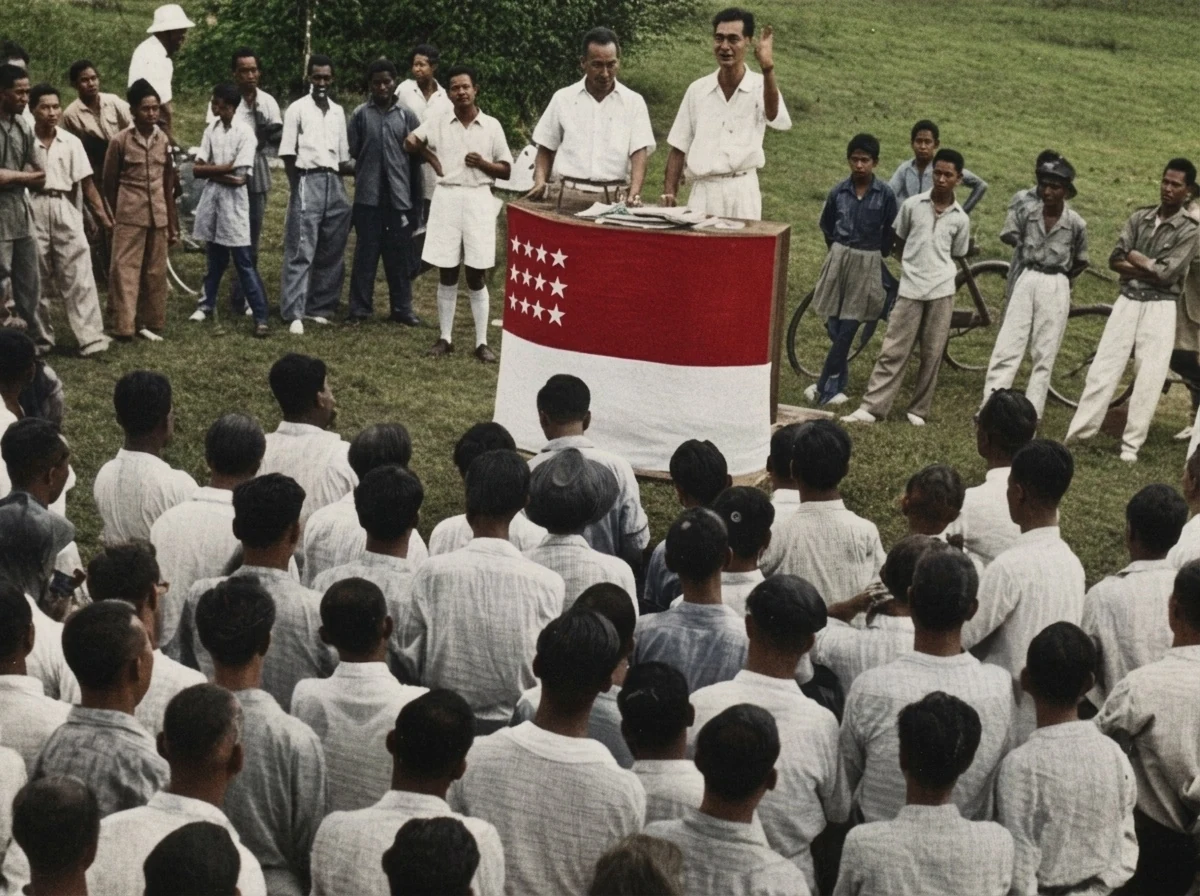
1945年12月21日,在马共抗日统一战线感召与秘密党员直接参与下,受英文教育的进步精英在新加坡自由舞厅成立马来亚民主同盟(简称马盟)。从创刊《马盟月报》、联合发起全马联合行动理事会与人民力量中心共同起草《马来亚人民宪章》,到发动1947年10月全马大罢市,马盟开创了战后新马跨民族宪政民主运动的高峰,并于1948年6月24日新加坡正式颁布紧急状态同日宣布主动解散,其核心骨干随后转入地下“星洲抗英同盟”。
On December 21, 1945, English-educated intellectuals and CPM cadres founded the Malayan Democratic Union (MDU) at Singapore's Liberty Cabaret. From publishing the MDU Bulletin and spearheading the PUTERA-AMCJA People's Constitutional Proposals to organizing the October 1947 All-Malaya Hartal, the MDU pioneered post-war multi-ethnic constitutional resistance before voluntarily dissolving on June 24, 1948 to transition into the underground Anti-British League.
第一章:自由舞厅的历史性结盟:受英文教育精英与马共的跨阶层汇流
Chapter 1: Historic Convergence at the Liberty Cabaret: English-Educated Intellectuals and the CPM United Front
1945年8月日本投降后,英国军政府重返马来亚与新加坡,企图通过恢复殖民官僚体制与推行将新加坡从马来亚割裂出去的《马来亚联邦白皮书》,延续大英帝国在东南亚的政治与经济特权。然而,历经三年零八个月抗日战争洗礼的新马社会已发生深刻的结构性觉醒。不仅华文源流的工人与青年学生成为反殖运动的主力,一批曾就读于新加坡莱佛士学院及负笈英国剑桥、伦敦大学的受英文教育专业精英,也在三年零八个月抗日战争与战后民族解放思潮的感召下,彻底打破了殖民地高等华人与欧亚裔阶层的政治冷漠。
1945年12月21日,马来亚民主同盟(简称马盟)在新加坡正式宣告成立,创党大会在自由舞厅举行。马盟是新加坡历史上第一个现代意义上的跨族群政党,也是马来亚共产党在战后和平宪政时期推动建立的最核心合法公开的反殖统一战线组织。在马盟的创党领导层中,马共公开代表伍天旺出任重要领导职务,马共秘密党员林建才、林丰美、余柱业与受英文教育的进步人士密切协作,在党纲起草与组织动员中发挥了中枢作用。
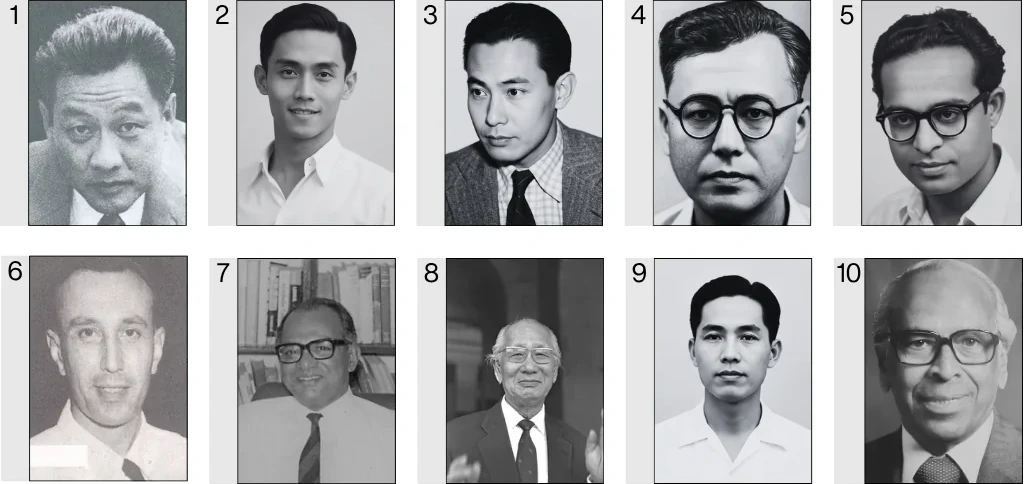
马盟的创党阵容汇聚了战后新加坡跨族裔知识界的代表人物:创党主席由出生于英属圭亚那、留学伦敦的知名华裔大律师老何亚林(原名何华林,系林建才与林碧颜之舅父)担任,其子小何亚林亦积极投身同盟事务;核心骨干包括欧亚裔进步律师约翰·依伯(又译欧利华)、槟城名门出身的剑桥毕业生林建才、伦敦大学经济学院毕业的莱佛士学院经济学高材生余柱业、出身名门望族的青年革命家郭鹤龄、印裔教运领袖P·V·沙尔玛、青年经济学者詹姆斯·普图遮里、政论家拉惹勒南以及欧亚裔活动家杰拉德·德·克鲁兹等。
马盟在创党宣言中明确提出八项政治主张:争取把新加坡包括在内的自治马来亚(置于英联邦之内);建立由人民普选产生的立法议会;实行不分种族、性别、信仰的普遍投票权;保障言论、出版与集会自由;改革教育制度并实行免费初等教育;改善各族民众生活条件与社会福利;消除一切肤色与种族歧视;实现各民族就业平等。这一纲领与马共在战后初期推动的公开合法宪政统战工作紧密配合,使反殖民主诉求通过受英文教育的专业阶层直接打入殖民当局的宪政与舆论腹地。
Following the Japanese surrender in August 1945, the British Military Administration (BMA) returned to Malaya and Singapore, seeking to restore colonial bureaucratic privilege and sever Singapore from the mainland under the Malayan Union White Paper. Yet three years and eight months of anti-fascist resistance had fundamentally transformed Malayan society. Alongside Chinese-educated workers and students, a cohort of English-educated professionals trained at Raffles College and British universities broke decisively with colonial elitism to embrace anti-colonial national liberation.
On December 21, 1945, the Malayan Democratic Union (MDU) was formally inaugurated at the Liberty Cabaret in Singapore. As Singapore's first modern multi-ethnic political party, the MDU functioned as a legal united-front organization aligned with the Communist Party of Malaya (CPM) during the post-war constitutional period. Its founding leadership brought together open CPM representative Wu Tian Wang and clandestine CPM members Lim Kean Chye, Lim Hong Bee, and Eu Chooi Yip alongside progressive English-educated intellectuals.
The MDU roster united prominent figures across Singapore's multi-ethnic intelligentsia. Founding chairmanship was assumed by the respected London-trained Guiana-Chinese lawyer Philip Hoalim Sr. (maternal uncle of Lim Kean Chye), joined by his son Philip Hoalim Jr., Eurasian lawyer John Eber, Cambridge law graduate Lim Kean Chye, Raffles College economics graduate Eu Chooi Yip, revolutionary intellectual William Kuok (Kuok Hock Ling), Indian teachers' union leader P. V. Sarma, economist James Puthucheary, journalist S. Rajaratnam, and activist Gerald de Cruz.
The MDU's founding manifesto set forth an eight-point program: self-government for a united Malaya inclusive of Singapore; a fully elected legislature; universal suffrage regardless of race, gender, or creed; freedom of speech, press, and assembly; educational reform with free primary schooling; improved living standards and social welfare; abolition of racial discrimination; and equal employment opportunities. Aligned with the CPM's post-war open united-front work, the MDU carried anti-colonial constitutional advocacy directly into the English-language public sphere.
1945年8月日本投降后,英国军政府重返马来亚与新加坡,企图通过恢复殖民官僚体制与推行将新加坡从马来亚割裂出去的《马来亚联邦白皮书》,延续大英帝国在东南亚的政治与经济特权。然而,历经三年零八个月抗日战争洗礼的新马社会已发生深刻的结构性觉醒。不仅华文源流的工人与青年学生成为反殖运动的主力,一批曾就读于新加坡莱佛士学院及负笈英国剑桥、伦敦大学的受英文教育专业精英,也在三年零八个月抗日战争与战后民族解放思潮的感召下,彻底打破了殖民地高等华人与欧亚裔阶层的政治冷漠。
1945年12月21日,马来亚民主同盟(简称马盟)在新加坡正式宣告成立,创党大会在自由舞厅举行。马盟是新加坡历史上第一个现代意义上的跨族群政党,也是马来亚共产党在战后和平宪政时期推动建立的最核心合法公开的反殖统一战线组织。在马盟的创党领导层中,马共公开代表伍天旺出任重要领导职务,马共秘密党员林建才、林丰美、余柱业与受英文教育的进步人士密切协作,在党纲起草与组织动员中发挥了中枢作用。
Following the Japanese surrender in August 1945, the British Military Administration (BMA) returned to Malaya and Singapore, seeking to restore colonial bureaucratic privilege and sever Singapore from the mainland under the Malayan Union White Paper. Yet three years and eight months of anti-fascist resistance had fundamentally transformed Malayan society. Alongside Chinese-educated workers and students, a cohort of English-educated professionals trained at Raffles College and British universities broke decisively with colonial elitism to embrace anti-colonial national liberation.
On December 21, 1945, the Malayan Democratic Union (MDU) was formally inaugurated at the Liberty Cabaret in Singapore. As Singapore's first modern multi-ethnic political party, the MDU functioned as a legal united-front organization aligned with the Communist Party of Malaya (CPM) during the post-war constitutional period. Its founding leadership brought together open CPM representative Wu Tian Wang and clandestine CPM members Lim Kean Chye, Lim Hong Bee, and Eu Chooi Yip alongside progressive English-educated intellectuals.
马盟的创党阵容汇聚了战后新加坡跨族裔知识界的代表人物:创党主席由出生于英属圭亚那、留学伦敦的知名华裔大律师老何亚林(原名何华林,系林建才与林碧颜之舅父)担任,其子小何亚林亦积极投身同盟事务;核心骨干包括欧亚裔进步律师约翰·依伯(又译欧利华)、槟城名门出身的剑桥毕业生林建才、伦敦大学经济学院毕业的莱佛士学院经济学高材生余柱业、出身名门望族的青年革命家郭鹤龄、印裔教运领袖P·V·沙尔玛、青年经济学者詹姆斯·普图遮里、政论家拉惹勒南以及欧亚裔活动家杰拉德·德·克鲁兹等。
马盟在创党宣言中明确提出八项政治主张:争取把新加坡包括在内的自治马来亚(置于英联邦之内);建立由人民普选产生的立法议会;实行不分种族、性别、信仰的普遍投票权;保障言论、出版与集会自由;改革教育制度并实行免费初等教育;改善各族民众生活条件与社会福利;消除一切肤色与种族歧视;实现各民族就业平等。这一纲领与马共在战后初期推动的公开合法宪政统战工作紧密配合,使反殖民主诉求通过受英文教育的专业阶层直接打入殖民当局的宪政与舆论腹地。
The MDU roster united prominent figures across Singapore's multi-ethnic intelligentsia. Founding chairmanship was assumed by the respected London-trained Guiana-Chinese lawyer Philip Hoalim Sr. (maternal uncle of Lim Kean Chye), joined by his son Philip Hoalim Jr., Eurasian lawyer John Eber, Cambridge law graduate Lim Kean Chye, Raffles College economics graduate Eu Chooi Yip, revolutionary intellectual William Kuok (Kuok Hock Ling), Indian teachers' union leader P. V. Sarma, economist James Puthucheary, journalist S. Rajaratnam, and activist Gerald de Cruz.
The MDU's founding manifesto set forth an eight-point program: self-government for a united Malaya inclusive of Singapore; a fully elected legislature; universal suffrage regardless of race, gender, or creed; freedom of speech, press, and assembly; educational reform with free primary schooling; improved living standards and social welfare; abolition of racial discrimination; and equal employment opportunities. Aligned with the CPM's post-war open united-front work, the MDU carried anti-colonial constitutional advocacy directly into the English-language public sphere.
第二章:《马盟月报》与基层启蒙:跨语种反殖舆论网络的构建
Chapter 2: The MDU Monthly Bulletin and Grassroots Enlightenment: Building a Multi-Lingual Anti-Colonial Network
马来亚民主同盟绝非局限于沙龙清谈的精英俱乐部,而是积极走向街头与基层工农结合的行动型组织。马盟创办了英文机关刊物《马盟月报》,由余柱业、林建才、约翰·依伯及拉惹勒南等人轮流撰稿,以严谨的经济学数据与宪政法理,揭露英国殖民政府压低橡胶与锡矿收购价格、向宗主国输送美元外汇储备以挽救战后英镑危机、却任由新马民众承受米荒与恶性通货膨胀的剥削实质。
与此同时,余柱业、郭鹤龄与P·V·沙尔玛等骨干深入新加坡各区工会、平民夜校与青年社团,与马共领导的马来亚各民族职工总会、新加坡各业总工会及新民主青年团建立紧密的协作关系。马盟成员运用英语、华语(及闽粤方言)、马来语与泰米尔语开展反殖公民教育、街头演讲与市政维权活动,协助市政工人、海港工人与中下层公务员组织罢工谈判和法律援助。
1946年,马盟创党领导人之一林丰美赴英国继续深造,并在伦敦创办英文刊物《马来亚监视报》,向英国工党左翼议员、国际工会与反帝组织持续揭露英殖民当局在马来亚与新加坡的高压统治,成为马来亚反殖力量在欧洲的重要国际发声窗口。马盟在新加坡本土与海外战线的双重开拓,使英国殖民当局无法再将马来亚反殖运动歪曲为单一族群的暴动,为其后全马跨民族宪政阵线的形成奠定了坚实的思想与组织基础。
Far from remaining an elite debating society, the MDU operated as an activist movement linking intellectuals with the working class. Through its English organ, the MDU Bulletin, writers including Eu Chooi Yip, Lim Kean Chye, John Eber, and S. Rajaratnam deployed rigorous economic and constitutional analysis to expose how British colonial authorities depressed rubber and tin prices to shore up Britain's post-war sterling reserves while leaving Malayan workers to endure rice shortages and severe inflation.
Simultaneously, cadres such as Eu Chooi Yip, William Kuok, and P. V. Sarma worked closely with the CPM-led Pan-Malayan Federation of Trade Unions (PMFTU), the Singapore General Labour Union (SGLU), and the New Democratic Youth League (NDYL). Operating across English, Chinese, Malay, and Tamil, MDU activists conducted street speeches, night-school classes, and legal defense for municipal, harbour, and clerical workers.
In 1946, MDU founding leader Lim Hong Bee departed for London, where he established the periodical Malayan Monitor, briefing progressive British Labour MPs, international trade unions, and anti-imperialist circles on colonial repression in Malaya and Singapore. Together, the MDU's domestic mobilization and international advocacy prevented British authorities from dismissing the anti-colonial movement as a purely communal phenomenon, laying the groundwork for a pan-Malayan constitutional coalition.
马来亚民主同盟绝非局限于沙龙清谈的精英俱乐部,而是积极走向街头与基层工农结合的行动型组织。马盟创办了英文机关刊物《马盟月报》,由余柱业、林建才、约翰·依伯及拉惹勒南等人轮流撰稿,以严谨的经济学数据与宪政法理,揭露英国殖民政府压低橡胶与锡矿收购价格、向宗主国输送美元外汇储备以挽救战后英镑危机、却任由新马民众承受米荒与恶性通货膨胀的剥削实质。
与此同时,余柱业、郭鹤龄与P·V·沙尔玛等骨干深入新加坡各区工会、平民夜校与青年社团,与马共领导的马来亚各民族职工总会、新加坡各业总工会及新民主青年团建立紧密的协作关系。马盟成员运用英语、华语(及闽粤方言)、马来语与泰米尔语开展反殖公民教育、街头演讲与市政维权活动,协助市政工人、海港工人与中下层公务员组织罢工谈判和法律援助。
Far from remaining an elite debating society, the MDU operated as an activist movement linking intellectuals with the working class. Through its English organ, the MDU Bulletin, writers including Eu Chooi Yip, Lim Kean Chye, John Eber, and S. Rajaratnam deployed rigorous economic and constitutional analysis to expose how British colonial authorities depressed rubber and tin prices to shore up Britain's post-war sterling reserves while leaving Malayan workers to endure rice shortages and severe inflation.
Simultaneously, cadres such as Eu Chooi Yip, William Kuok, and P. V. Sarma worked closely with the CPM-led Pan-Malayan Federation of Trade Unions (PMFTU), the Singapore General Labour Union (SGLU), and the New Democratic Youth League (NDYL). Operating across English, Chinese, Malay, and Tamil, MDU activists conducted street speeches, night-school classes, and legal defense for municipal, harbour, and clerical workers.
1946年,马盟创党领导人之一林丰美赴英国继续深造,并在伦敦创办英文刊物《马来亚监视报》,向英国工党左翼议员、国际工会与反帝组织持续揭露英殖民当局在马来亚与新加坡的高压统治,成为马来亚反殖力量在欧洲的重要国际发声窗口。马盟在新加坡本土与海外战线的双重开拓,使英国殖民当局无法再将马来亚反殖运动歪曲为单一族群的暴动,为其后全马跨民族宪政阵线的形成奠定了坚实的思想与组织基础。
In 1946, MDU founding leader Lim Hong Bee departed for London, where he established the periodical Malayan Monitor, briefing progressive British Labour MPs, international trade unions, and anti-imperialist circles on colonial repression in Malaya and Singapore. Together, the MDU's domestic mobilization and international advocacy prevented British authorities from dismissing the anti-colonial movement as a purely communal phenomenon, laying the groundwork for a pan-Malayan constitutional coalition.
第三章:《人民宪章》与1947年全马大罢市:全马联合行动理事会的中流砥柱
Chapter 3: The People's Constitutional Proposals and the 1947 All-Malaya Hartal: Backbone of the AMCJA-PUTERA Coalition
1946年下半年,英国殖民部在废除引发广泛抗议的《马来亚联邦》方案后,转而与马来封建统治者及巫统上层秘密协商,炮制旨在维护殖民统治大权、排斥民主普选并继续将新加坡分割在外的《马来亚联合邦协定》。为阻止这一殖民分治阴谋,在马共的统筹推动下,马来亚民主同盟于1946年12月联合马来国民党、泛马职工总会、各爱国华团、马来亚印度国大党及各青年妇女团体,在吉隆坡与新加坡发起成立“全马联合行动理事会”。
在这场跨越族群藩篱的宪政运动中,华社领袖陈祯禄出任全马联合行动理事会主席,马来亚民主同盟则承担了整个联盟的常设秘书处职能,由马盟核心领导人约翰·依伯出任秘书长,余柱业、林建才等负责具体政策研究与文书起草。1947年初,布哈努丁博士与依斯哈克·哈吉·穆罕默德领导的马来国民党、觉醒青年团与觉醒妇女团组建“人民力量中心”,与全马联合行动理事会正式结成“人民力量中心-全马联合行动理事会”反殖联合阵线,代表了全马超过六十万有组织的各族会员。
1947年7月至8月,人民力量中心与全马联合行动理事会各成员组织代表举行多次联席代表大会,由约翰·依伯、余柱业与布哈努丁博士等执笔完成了长达六万言的《马来亚人民宪章建议书》(于1947年9月正式付印出版),并在花拉公园等全马各地举行万人群众大会,升起象征新马十二州邦大团结的红白十二星人民宪章旗帜。这部文献从宪政制度上解决了多元族群国家的公民权平等、马来语作为国语的地位保障、各民族语言文化自由以及议会主权归属等核心命题,是马来亚去殖民化历史上最具远见的民主建国蓝图。
面对英殖民当局拒不采纳《人民宪章》的专断态度,马共与马盟通过人民力量中心与全马联合行动理事会于1947年10月20日发动了震撼英伦三岛的“全马总罢业、总罢市”。当日清晨,从新加坡南端海港、裕廊工厂、牛车水与小印度商铺,到马来半岛各大城镇、锡矿场与橡胶园,全马商业、交通与市政服务全面停摆。这场完全和平、秩序井然的跨民族总罢市,向世界证明了马共、马盟及左翼联合阵线拥有压倒性的民意基础。正是由于在和平宪政博弈中彻底丧失道义与民心优势,英殖民当局最终决定关闭宪政谈判大门,转向全面的军事镇压。
In late 1946, after abandoning the unpopular Malayan Union plan, the British Colonial Office entered into closed-door negotiations with traditional Malay rulers and UMNO elites to draft the Federation of Malaya Agreement, which preserved British sovereign powers, denied universal suffrage, and maintained Singapore's separation from the mainland. To counter this divide-and-rule design, the MDU joined forces in December 1946 with the Malay Nationalist Party (PKMM), the Pan-Malayan Federation of Trade Unions (PMFTU), the Malayan Indian Congress (MIC), and numerous civic bodies to form the All-Malaya Council of Joint Action (AMCJA).
While Tan Cheng Lock served as AMCJA Chairman, the MDU functioned as the coalition's permanent secretariat, with MDU leader John Eber serving as Secretary-General and Eu Chooi Yip and Lim Kean Chye directing policy drafting. In early 1947, the Malay Nationalist Party, Angkatan Pemuda Insaf (API), and Angkatan Wanita Sedar (AWAS), led by Dr. Burhanuddin al-Helmy and Ishak Haji Muhammad, formed the Pusat Tenaga Ra'ayat (PUTERA), uniting with the AMCJA into the PUTERA-AMCJA coalition representing over 600,000 organized members across all ethnic communities.
Between July and September 1947, PUTERA-AMCJA delegates adopted and published the comprehensive document The People's Constitutional Proposals for Malaya, drafted primarily by John Eber, Eu Chooi Yip, and Dr. Burhanuddin. Mass rallies at Farrer Park and across the peninsula raised the red-and-white 12-star flag symbolizing the unity of Singapore and the eleven mainland states. The proposals offered a far-sighted constitutional blueprint reconciling equal citizenship, Malay as the national language, protection of minority languages, and parliamentary sovereignty.
When British colonial authorities summarily rejected the People's Constitution, the CPM and MDU coordinated the historic All-Malaya Hartal through PUTERA-AMCJA on October 20, 1947. From Singapore's docks, factories, and shophouses to the mines and estates of the peninsula, commerce and transport came to a disciplined, peaceful standstill. The Hartal demonstrated the overwhelming popular mandate enjoyed by the left-wing constitutional coalition, prompting the British administration to abandon constitutional competition in favor of emergency coercion.
1946年下半年,英国殖民部在废除引发广泛抗议的《马来亚联邦》方案后,转而与马来封建统治者及巫统上层秘密协商,炮制旨在维护殖民统治大权、排斥民主普选并继续将新加坡分割在外的《马来亚联合邦协定》。为阻止这一殖民分治阴谋,在马共的统筹推动下,马来亚民主同盟于1946年12月联合马来国民党、泛马职工总会、各爱国华团、马来亚印度国大党及各青年妇女团体,在吉隆坡与新加坡发起成立“全马联合行动理事会”。
在这场跨越族群藩篱的宪政运动中,华社领袖陈祯禄出任全马联合行动理事会主席,马来亚民主同盟则承担了整个联盟的常设秘书处职能,由马盟核心领导人约翰·依伯出任秘书长,余柱业、林建才等负责具体政策研究与文书起草。1947年初,布哈努丁博士与依斯哈克·哈吉·穆罕默德领导的马来国民党、觉醒青年团与觉醒妇女团组建“人民力量中心”,与全马联合行动理事会正式结成“人民力量中心-全马联合行动理事会”反殖联合阵线,代表了全马超过六十万有组织的各族会员。
In late 1946, after abandoning the unpopular Malayan Union plan, the British Colonial Office entered into closed-door negotiations with traditional Malay rulers and UMNO elites to draft the Federation of Malaya Agreement, which preserved British sovereign powers, denied universal suffrage, and maintained Singapore's separation from the mainland. To counter this divide-and-rule design, the MDU joined forces in December 1946 with the Malay Nationalist Party (PKMM), the Pan-Malayan Federation of Trade Unions (PMFTU), the Malayan Indian Congress (MIC), and numerous civic bodies to form the All-Malaya Council of Joint Action (AMCJA).
While Tan Cheng Lock served as AMCJA Chairman, the MDU functioned as the coalition's permanent secretariat, with MDU leader John Eber serving as Secretary-General and Eu Chooi Yip and Lim Kean Chye directing policy drafting. In early 1947, the Malay Nationalist Party, Angkatan Pemuda Insaf (API), and Angkatan Wanita Sedar (AWAS), led by Dr. Burhanuddin al-Helmy and Ishak Haji Muhammad, formed the Pusat Tenaga Ra'ayat (PUTERA), uniting with the AMCJA into the PUTERA-AMCJA coalition representing over 600,000 organized members across all ethnic communities.
建立一个包含新加坡在内的统一的马来亚;设立由人民普选产生的中央立法议会与各州议会;凡视马来亚为永久家园并效忠于马来亚之各民族人民,一律享有平等的“马来亚人”公民权与基本民主权利。A united Malaya inclusive of Singapore; a fully elected Central Legislative Assembly and State Councils; and equal citizenship under the common nationality of 'Melayu' with guaranteed fundamental democratic liberties for all who regard Malaya as their permanent home and object of loyalty.— 《马来亚人民宪章建议书》(1947年7月至9月由人民力量中心与全马联合行动理事会联合制定公布,约翰·依伯、余柱业、布哈努丁等主持起草) | The People's Constitutional Proposals for Malaya (Drafted and published jointly by PUTERA-AMCJA, July–September 1947, spearheaded by John Eber, Eu Chooi Yip, and Dr. Burhanuddin)
1947年7月至8月,人民力量中心与全马联合行动理事会各成员组织代表举行多次联席代表大会,由约翰·依伯、余柱业与布哈努丁博士等执笔完成了长达六万言的《马来亚人民宪章建议书》(于1947年9月正式付印出版),并在花拉公园等全马各地举行万人群众大会,升起象征新马十二州邦大团结的红白十二星人民宪章旗帜。这部文献从宪政制度上解决了多元族群国家的公民权平等、马来语作为国语的地位保障、各民族语言文化自由以及议会主权归属等核心命题,是马来亚去殖民化历史上最具远见的民主建国蓝图。
面对英殖民当局拒不采纳《人民宪章》的专断态度,马共与马盟通过人民力量中心与全马联合行动理事会于1947年10月20日发动了震撼英伦三岛的“全马总罢业、总罢市”。当日清晨,从新加坡南端海港、裕廊工厂、牛车水与小印度商铺,到马来半岛各大城镇、锡矿场与橡胶园,全马商业、交通与市政服务全面停摆。这场完全和平、秩序井然的跨民族总罢市,向世界证明了马共、马盟及左翼联合阵线拥有压倒性的民意基础。正是由于在和平宪政博弈中彻底丧失道义与民心优势,英殖民当局最终决定关闭宪政谈判大门,转向全面的军事镇压。
Between July and September 1947, PUTERA-AMCJA delegates adopted and published the comprehensive document The People's Constitutional Proposals for Malaya, drafted primarily by John Eber, Eu Chooi Yip, and Dr. Burhanuddin. Mass rallies at Farrer Park and across the peninsula raised the red-and-white 12-star flag symbolizing the unity of Singapore and the eleven mainland states. The proposals offered a far-sighted constitutional blueprint reconciling equal citizenship, Malay as the national language, protection of minority languages, and parliamentary sovereignty.
When British colonial authorities summarily rejected the People's Constitution, the CPM and MDU coordinated the historic All-Malaya Hartal through PUTERA-AMCJA on October 20, 1947. From Singapore's docks, factories, and shophouses to the mines and estates of the peninsula, commerce and transport came to a disciplined, peaceful standstill. The Hartal demonstrated the overwhelming popular mandate enjoyed by the left-wing constitutional coalition, prompting the British administration to abandon constitutional competition in favor of emergency coercion.
第四章:1948年6月的主动解散:保存革命有生力量的战略转进
Chapter 4: Voluntary Dissolution in June 1948: Strategic Retrenchment to Preserve Revolutionary Cadres
1948年春,英殖民当局加速了对全马工运与公开左翼政党的摧毁步伐。殖民政府先是修改职工会法令以剥夺泛马职工总会的合法地位,继而在五一劳动节前后查封进步报馆、逮捕工运领袖。1948年6月16日至18日,英国殖民当局在马来亚联合邦全面颁布《紧急状态条例》,取缔马来亚共产党及各左翼工会、青年与农民团体,在全马发动大搜捕。与此同时,英国驻东南亚最高专员麦唐纳多次公开指责马来亚民主同盟受马共幕后操纵,新加坡殖民地政治部亦已拟定针对马盟公开名册的抓捕部署。
面对联合邦已全面戒严、新加坡镇压迫在眉睫的白色恐怖,时任马盟秘书长余柱业(马共秘密党员)与马盟创党主席老何亚林(原名何华林)于6月23日紧急磋商。鉴于马盟是一个在城市公开运作的知识分子宪政政党,本身并不参与马共丛林武装游击战争,若在殖民当局查封前继续维持公开招牌,只会导致名册上数百名公开登记的普通盟员(教师、公务职员与知识分子)无谓受害。为贯彻马共关于“隐蔽精干、保存有生力量”的战略方针,两人果断决定赶在殖民政府动手前主动解散马盟。
1948年6月24日,马来亚民主同盟正式发表《解散声明》,严词抗议英国殖民政府剥夺人民的言论与结社自由、将新马变为“警察国家”并扼杀一切和平宪政改良的可能,宣布自即日起主动解散组织。颇具历史戏剧性的是,就在同一天(6月24日),新加坡殖民政府在宪报正式颁布实施《新加坡紧急状态条例》(该条例于6月23日经立法局通过)。正如余柱业后来在口述历史中所回顾的,马盟虽是因预判到联合邦紧急状态必将蔓延至新加坡而主动解散,但解散声明与新加坡宣布紧急状态恰好落在同一天,在具体日期上则是一场不谋而合的巧合。由于马盟提前一步销毁了核心会员名册并完成了组织撤退,殖民政治部最终扑空,未能实现按名册将该党一网打尽的企图。
马盟的解散并非新加坡知识分子反殖运动的终结,而是斗争形式的战略转换:郭鹤龄毅然北上奔赴马来亚腹地参加马共领导的抗英民族解放战争,并于1952年在彭亨州丛林战斗中英勇牺牲;林丰美在伦敦继续主持《马来亚监视报》开展国际反殖宣传;而余柱业、林建才、约翰·依伯、P·V·沙尔玛、蒂凡那、沙末·依斯迈尔、詹姆斯·普图遮里等核心成员,则在两个月后转入由改组后的马共星洲市委组建的秘密地下组织“星洲抗英同盟”,继续在白色恐怖下的狮城擎起反帝民族解放的火炬。
In the spring of 1948, British colonial authorities escalated their offensive against trade unions and legal left-wing parties, amending trade union ordinances to outlaw the PMFTU and raiding progressive presses. Between June 16 and June 18, 1948, the colonial administration proclaimed a Federation-wide State of Emergency, banning the CPM and mass organizations across the mainland. Concurrently, British Commissioner-General Malcolm MacDonald publicly denounced the MDU as a communist front, while the Singapore Special Branch prepared arrest lists targeting the union's membership rolls.
With the Federation already under Emergency rule and a crackdown in Singapore imminent, MDU Secretary-General Eu Chooi Yip held urgent consultations on June 23 with founding Chairman Philip Hoalim Sr. Because the MDU was an open urban constitutional party that did not participate in the CPM's jungle armed struggle, maintaining its public operations would only expose hundreds of ordinary registered members to mass arrest. Acting to protect these members and preserve anti-colonial cadres, they resolved to dissolve the party voluntarily.
On June 24, 1948, the MDU issued its formal Dissolution Statement condemning the British administration for extinguishing freedom of speech and assembly, turning the country into a 'police state,' and foreclosing peaceful constitutional reform. Dramatically, on that very same day, the colonial government formally gazetted the Emergency Regulations in Singapore (passed on June 23). As Eu Chooi Yip later recounted in his oral history, while the MDU dissolved preemptively in response to the mainland Emergency, the exact coincidence of dates in Singapore was unplanned. Because MDU cadres had already destroyed membership registries and dispersed, the Special Branch failed to sweep up its network.
The dissolution of the MDU marked a strategic shift rather than an end to intellectual resistance. William Kuok headed north into the mainland jungle to join the CPM's armed struggle, falling in battle in Pahang in 1952; Lim Hong Bee continued international advocacy in London through the Malayan Monitor; and Eu Chooi Yip, Lim Kean Chye, John Eber, P. V. Sarma, C. V. Devan Nair, A. Samad Ismail, and James Puthucheary transitioned into the clandestine Singapore Anti-British League (ABL) established by the restructured CPM Singapore City Committee two months later.
1948年春,英殖民当局加速了对全马工运与公开左翼政党的摧毁步伐。殖民政府先是修改职工会法令以剥夺泛马职工总会的合法地位,继而在五一劳动节前后查封进步报馆、逮捕工运领袖。1948年6月16日至18日,英国殖民当局在马来亚联合邦全面颁布《紧急状态条例》,取缔马来亚共产党及各左翼工会、青年与农民团体,在全马发动大搜捕。与此同时,英国驻东南亚最高专员麦唐纳多次公开指责马来亚民主同盟受马共幕后操纵,新加坡殖民地政治部亦已拟定针对马盟公开名册的抓捕部署。
面对联合邦已全面戒严、新加坡镇压迫在眉睫的白色恐怖,时任马盟秘书长余柱业(马共秘密党员)与马盟创党主席老何亚林(原名何华林)于6月23日紧急磋商。鉴于马盟是一个在城市公开运作的知识分子宪政政党,本身并不参与马共丛林武装游击战争,若在殖民当局查封前继续维持公开招牌,只会导致名册上数百名公开登记的普通盟员(教师、公务职员与知识分子)无谓受害。为贯彻马共关于“隐蔽精干、保存有生力量”的战略方针,两人果断决定赶在殖民政府动手前主动解散马盟。
In the spring of 1948, British colonial authorities escalated their offensive against trade unions and legal left-wing parties, amending trade union ordinances to outlaw the PMFTU and raiding progressive presses. Between June 16 and June 18, 1948, the colonial administration proclaimed a Federation-wide State of Emergency, banning the CPM and mass organizations across the mainland. Concurrently, British Commissioner-General Malcolm MacDonald publicly denounced the MDU as a communist front, while the Singapore Special Branch prepared arrest lists targeting the union's membership rolls.
With the Federation already under Emergency rule and a crackdown in Singapore imminent, MDU Secretary-General Eu Chooi Yip held urgent consultations on June 23 with founding Chairman Philip Hoalim Sr. Because the MDU was an open urban constitutional party that did not participate in the CPM's jungle armed struggle, maintaining its public operations would only expose hundreds of ordinary registered members to mass arrest. Acting to protect these members and preserve anti-colonial cadres, they resolved to dissolve the party voluntarily.
在公民自由遭到剥夺、政治局势极度恶化并沦为警察国家的紧急状况下,本同盟已无法继续发挥任何有益于公众的宪政作用,故自即日起正式宣布主动解散。Under the present chaotic political situation and the curtailment of civil liberties reducing the country to a police state, the Union can no longer serve any useful public purpose and hereby declares its voluntary dissolution.— 《马来亚民主同盟解散声明》(1948年6月24日由马盟中央委员会于新加坡正式发表) | Dissolution Statement of the Malayan Democratic Union (Issued by the MDU Committee in Singapore, June 24, 1948)
1948年6月24日,马来亚民主同盟正式发表《解散声明》,严词抗议英国殖民政府剥夺人民的言论与结社自由、将新马变为“警察国家”并扼杀一切和平宪政改良的可能,宣布自即日起主动解散组织。颇具历史戏剧性的是,就在同一天(6月24日),新加坡殖民政府在宪报正式颁布实施《新加坡紧急状态条例》(该条例于6月23日经立法局通过)。正如余柱业后来在口述历史中所回顾的,马盟虽是因预判到联合邦紧急状态必将蔓延至新加坡而主动解散,但解散声明与新加坡宣布紧急状态恰好落在同一天,在具体日期上则是一场不谋而合的巧合。由于马盟提前一步销毁了核心会员名册并完成了组织撤退,殖民政治部最终扑空,未能实现按名册将该党一网打尽的企图。
马盟的解散并非新加坡知识分子反殖运动的终结,而是斗争形式的战略转换:郭鹤龄毅然北上奔赴马来亚腹地参加马共领导的抗英民族解放战争,并于1952年在彭亨州丛林战斗中英勇牺牲;林丰美在伦敦继续主持《马来亚监视报》开展国际反殖宣传;而余柱业、林建才、约翰·依伯、P·V·沙尔玛、蒂凡那、沙末·依斯迈尔、詹姆斯·普图遮里等核心成员,则在两个月后转入由改组后的马共星洲市委组建的秘密地下组织“星洲抗英同盟”,继续在白色恐怖下的狮城擎起反帝民族解放的火炬。
On June 24, 1948, the MDU issued its formal Dissolution Statement condemning the British administration for extinguishing freedom of speech and assembly, turning the country into a 'police state,' and foreclosing peaceful constitutional reform. Dramatically, on that very same day, the colonial government formally gazetted the Emergency Regulations in Singapore (passed on June 23). As Eu Chooi Yip later recounted in his oral history, while the MDU dissolved preemptively in response to the mainland Emergency, the exact coincidence of dates in Singapore was unplanned. Because MDU cadres had already destroyed membership registries and dispersed, the Special Branch failed to sweep up its network.
The dissolution of the MDU marked a strategic shift rather than an end to intellectual resistance. William Kuok headed north into the mainland jungle to join the CPM's armed struggle, falling in battle in Pahang in 1952; Lim Hong Bee continued international advocacy in London through the Malayan Monitor; and Eu Chooi Yip, Lim Kean Chye, John Eber, P. V. Sarma, C. V. Devan Nair, A. Samad Ismail, and James Puthucheary transitioned into the clandestine Singapore Anti-British League (ABL) established by the restructured CPM Singapore City Committee two months later.