第4集:美罗协议与联英抗日军事同盟(1943–1944)
Episode 4: The Bidor Agreement & The Anti-Fascist Alliance with Force 136
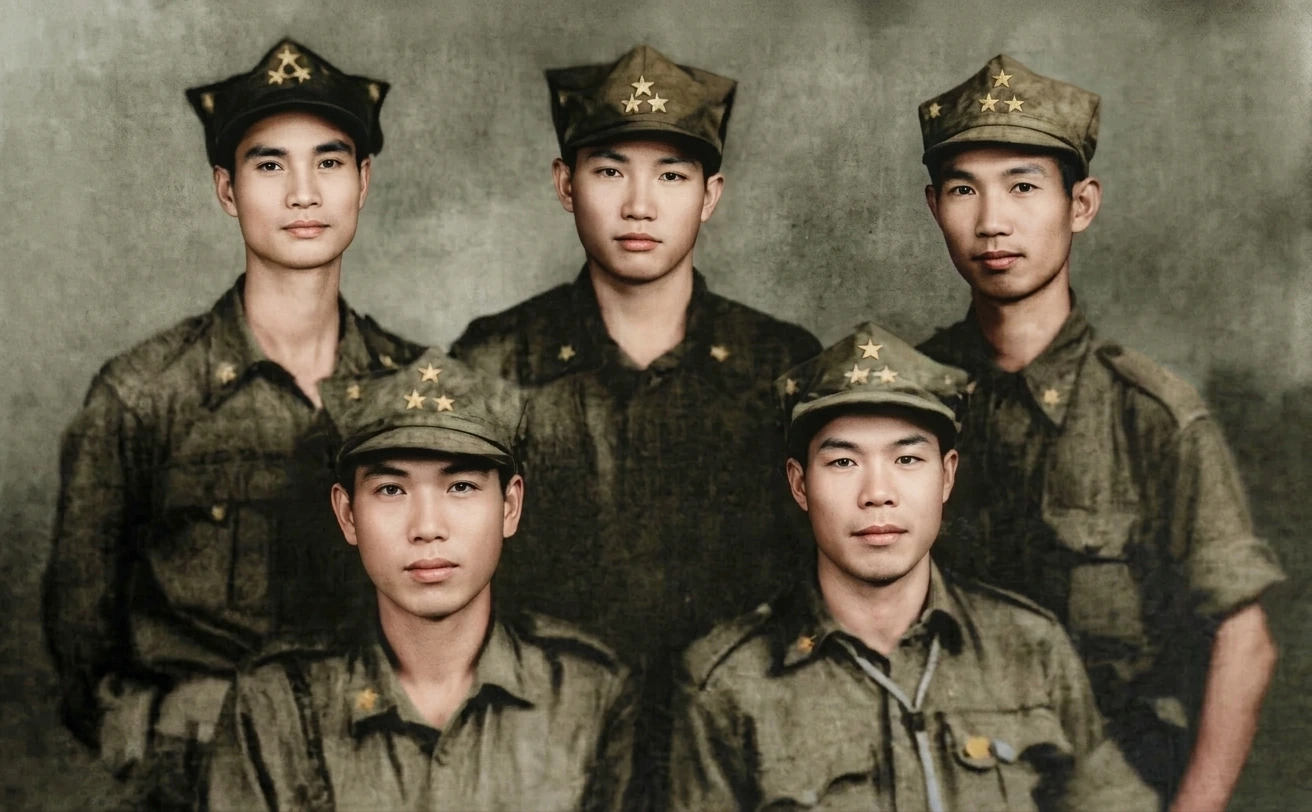
1943年底至1944年初,马共代表总书记张红(莱特化名)、陈平与英国盟军136部队代表戴维斯(John Davis)在霹雳美罗(Bidor)密林深处达成历史性的《美罗协议》。马共以独立平等的盟军地位,获得盟军潜艇与空投运送的数百吨现代化轻武器与医药补给,开创了国际反法西斯阵营中殖民地游击队与正规盟军并肩作战的辉煌范例。
At the turn of 1943–1944, CPM representatives Secretary-General Chang Hong (alias of Lai Te) and Chin Peng met British Force 136 commander John Davis in the Bidor jungle, forging the historic Bidor Agreement. Standing as an equal anti-fascist ally, the MPAJA secured modern weaponry and medical airdrops, creating a triumphant precedent of colonial guerrilla-Allied coalition warfare.
第一章:潜艇密航与美罗密林深处的秘密会晤
Chapter 1: Submarines and Jungle Canopies — The Clandestine Rendezvous at Bidor
1943年5月至8月间,在日军雷达与巡逻艇密布的马六甲海峡深处,从锡兰(今斯里兰卡)科伦坡盟军基地秘密启航的盟军潜艇,先后悄然浮出霹雳州沿海的漆黑水面。船上搭载的,是英国特别行动执行处(Special Operations Executive, 简称 SOE)东方分部代号“136部队”(Force 136)的先遣军官团,其核心指挥官为战前曾任英属马来联邦警官、通晓粤语与马来语的约翰·戴维斯(John Davis)与前殖民地民政官员理查德·布鲁姆(Richard Broome)。
英国军方此时深知:自从1942年初新加坡沦陷后,大英帝国在整个马来半岛的有组织军政力量早已彻底灰飞烟灭。在浩瀚的南洋敌后战场,唯有一支力量在日军的铁蹄下不仅没有屈服,反而建立了横跨崇山峻岭的根据地、拥有严密的游击军团,那就是马来亚共产党领导的马来亚人民抗日军。英军若想在未来的太平洋反攻中重返马来亚,离开马共在地面上的全方位掩护与配合,根本寸步难行。
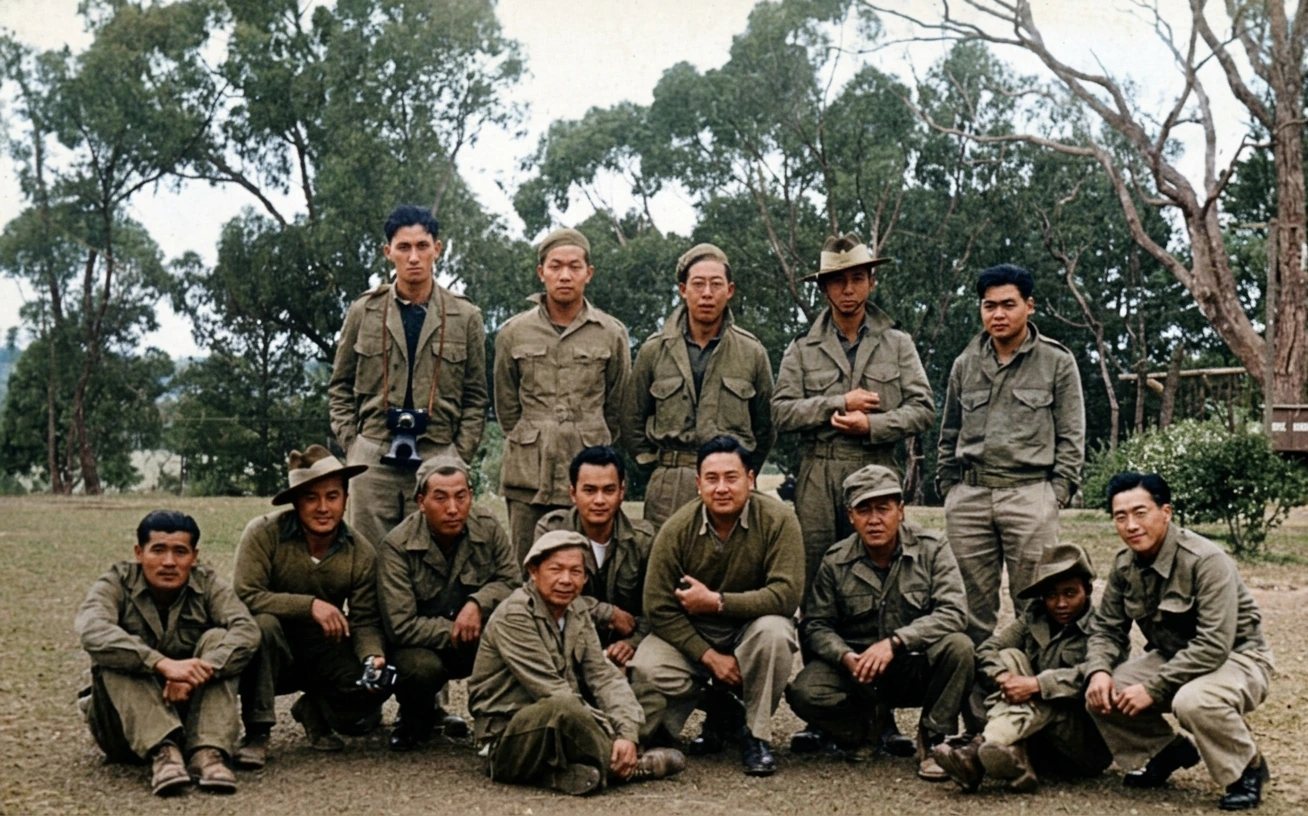
在抗日军地下交通员的严密保护与护送下,戴维斯等人徒步穿越了数十英里危机四伏的日军封锁线与疟疾丛林,最终抵达了设在霹雳州美罗(Bidor)深山密林之中的布兰丹(Blantan)抗日军营地。在那里负责接洽并同马共总书记张红(莱特化名)一道参与历史性会谈的,是作为马共谈判代表之一及与136部队联络官的陈平(Chin Peng)。
美罗密林的谈判桌,不过是一张由粗糙野木绑成的简陋竹台,头顶是遮天蔽日的热带雨林树冠。然而在这张看似原始的谈判桌两端,坐着的是老牌大英帝国的特种军官与马来亚共产党及人民抗日军的谈判代表。一场关乎战时抗日同盟与战后国家前途的重大博弈,在雨林深处悄然拉开大幕。
In the late autumn of 1943, cutting through the perilous Japanese naval cordons of the Malacca Straits, a Royal Navy submarine from Colombo surfaced off the coast of Perak. It carried the vanguard of Force 136, the covert Eastern branch of the British Special Operations Executive (SOE), commanded by pre-war Federated Malay States Police officer John Davis, who spoke fluent Cantonese and Malay, alongside pre-war Malayan Civil Service officer Richard Broome.
Whitehall understood a stark military truth: following the humiliation at Singapore in 1942, British military and civil authority in Malaya had ceased to exist. Across the occupied peninsula, only one organized force possessed active jungle bastions and disciplined guerrilla armies: the Malayan People's Anti-Japanese Army (MPAJA) led by the CPM. Any Allied counter-offensive was impossible without their cooperation.
Escorted through Japanese checkpoints and malarial swamps by CPM couriers, Davis and his team trekked deep into the Main Range, reaching the Blantan jungle camp near Bidor, Perak. Receiving them there and participating in the historic talks alongside CPM Secretary-General Chang Hong (alias of Lai Te) was Chin Peng, who served as one of the CPM negotiation representatives and the liaison officer to Force 136.
The conference table was a rough bamboo platform under towering tropical hardwoods. Yet across this crude timber sat the special operations officers of the British Empire and the negotiating representatives of the Malayan Communist Party and the MPAJA. A historic negotiation commenced, defining the parameters of wartime collaboration and post-war sovereignty.
1943年5月至8月间,在日军雷达与巡逻艇密布的马六甲海峡深处,从锡兰(今斯里兰卡)科伦坡盟军基地秘密启航的盟军潜艇,先后悄然浮出霹雳州沿海的漆黑水面。船上搭载的,是英国特别行动执行处(Special Operations Executive, 简称 SOE)东方分部代号“136部队”(Force 136)的先遣军官团,其核心指挥官为战前曾任英属马来联邦警官、通晓粤语与马来语的约翰·戴维斯(John Davis)与前殖民地民政官员理查德·布鲁姆(Richard Broome)。
英国军方此时深知:自从1942年初新加坡沦陷后,大英帝国在整个马来半岛的有组织军政力量早已彻底灰飞烟灭。在浩瀚的南洋敌后战场,唯有一支力量在日军的铁蹄下不仅没有屈服,反而建立了横跨崇山峻岭的根据地、拥有严密的游击军团,那就是马来亚共产党领导的马来亚人民抗日军。英军若想在未来的太平洋反攻中重返马来亚,离开马共在地面上的全方位掩护与配合,根本寸步难行。
In the late autumn of 1943, cutting through the perilous Japanese naval cordons of the Malacca Straits, a Royal Navy submarine from Colombo surfaced off the coast of Perak. It carried the vanguard of Force 136, the covert Eastern branch of the British Special Operations Executive (SOE), commanded by pre-war Federated Malay States Police officer John Davis, who spoke fluent Cantonese and Malay, alongside pre-war Malayan Civil Service officer Richard Broome.
Whitehall understood a stark military truth: following the humiliation at Singapore in 1942, British military and civil authority in Malaya had ceased to exist. Across the occupied peninsula, only one organized force possessed active jungle bastions and disciplined guerrilla armies: the Malayan People's Anti-Japanese Army (MPAJA) led by the CPM. Any Allied counter-offensive was impossible without their cooperation.
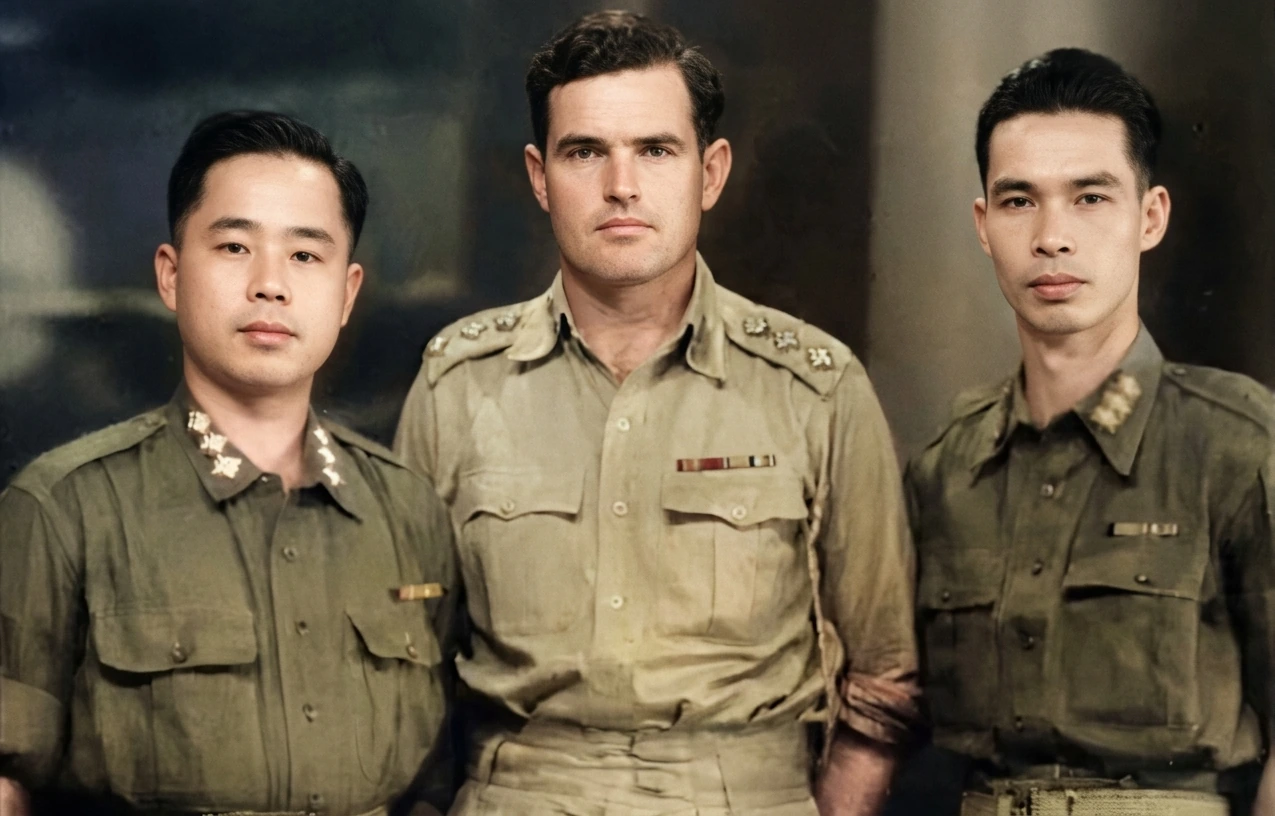
在抗日军地下交通员的严密保护与护送下,戴维斯等人徒步穿越了数十英里危机四伏的日军封锁线与疟疾丛林,最终抵达了设在霹雳州美罗(Bidor)深山密林之中的布兰丹(Blantan)抗日军营地。在那里负责接洽并同马共总书记张红(莱特化名)一道参与历史性会谈的,是作为马共谈判代表之一及与136部队联络官的陈平(Chin Peng)。
Escorted through Japanese checkpoints and malarial swamps by CPM couriers, Davis and his team trekked deep into the Main Range, reaching the Blantan jungle camp near Bidor, Perak. Receiving them there and participating in the historic talks alongside CPM Secretary-General Chang Hong (alias of Lai Te) was Chin Peng, who served as one of the CPM negotiation representatives and the liaison officer to Force 136.
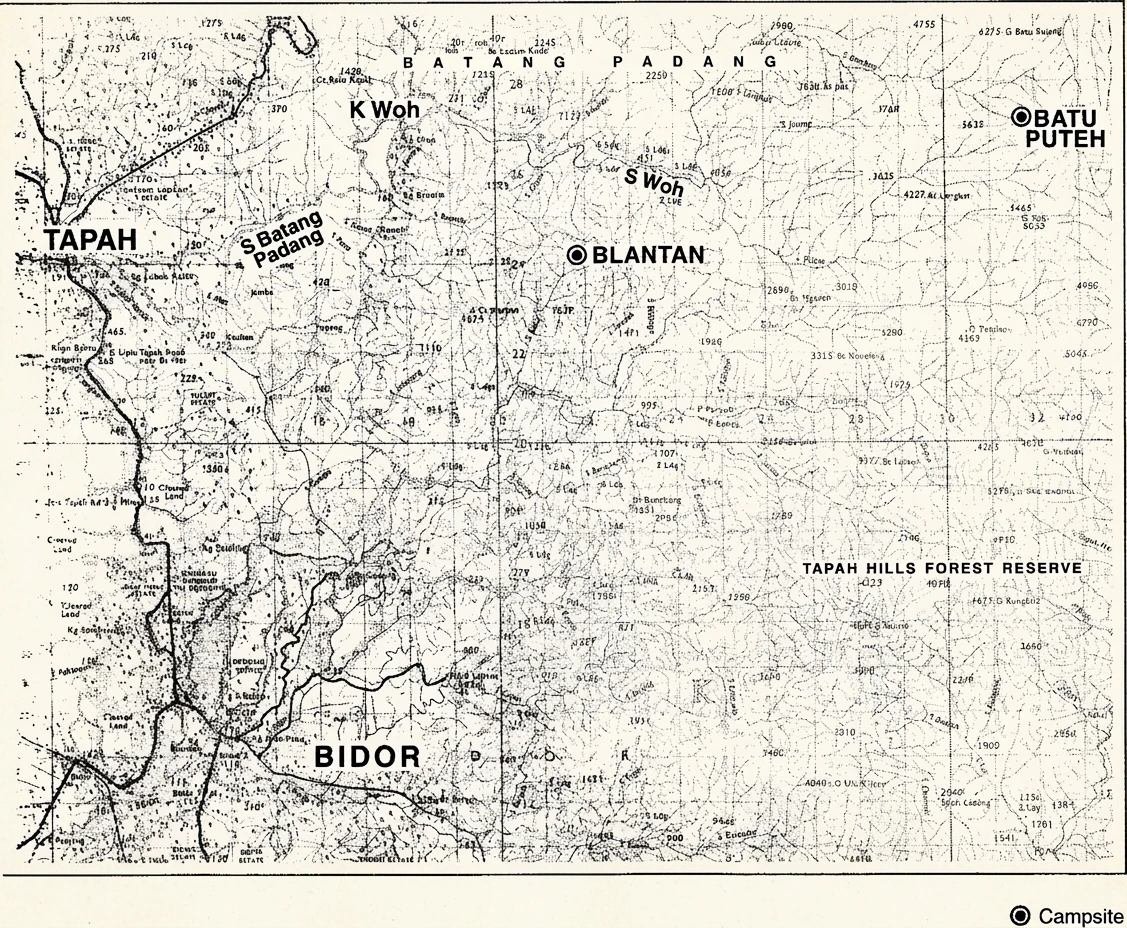
美罗密林的谈判桌,不过是一张由粗糙野木绑成的简陋竹台,头顶是遮天蔽日的热带雨林树冠。然而在这张看似原始的谈判桌两端,坐着的是老牌大英帝国的特种军官与马来亚共产党及人民抗日军的谈判代表。一场关乎战时抗日同盟与战后国家前途的重大博弈,在雨林深处悄然拉开大幕。
The conference table was a rough bamboo platform under towering tropical hardwoods. Yet across this crude timber sat the special operations officers of the British Empire and the negotiating representatives of the Malayan Communist Party and the MPAJA. A historic negotiation commenced, defining the parameters of wartime collaboration and post-war sovereignty.
第二章:《美罗协议》的签署:坚持民族主权与战略协同的钢铁底线
Chapter 2: The Bidor Agreement — Tactical Unity Without Surrendering Sovereignty
谈判的过程充满了尖锐的政治交锋。英国军方代表戴维斯在谈判伊始,企图凭借大英帝国的旧有傲慢,提出将抗日军“直接置于盟军东南亚最高司令部(SEAC)蒙巴顿勋爵的绝对军令指挥之下”,并试图将未来的武器援助与战后恢复英国殖民秩序的政治承诺相捆绑。
马共中央在谈判桌上展现出了无产阶级政党沉着、坚定与高超的战略定力。马共中央严正回绝了英军企图控制抗日军指挥权的一切无理要求,义正词严地阐明了马共的原则立场:抗日军是马来亚各民族人民自己的子弟兵,其唯一的指挥中枢是马来亚共产党中央委员会,绝不受任何外国势力的干涉与吞并!
在布兰丹营地协议手稿末尾(英国国家档案馆档案号 Kew HS 1/111),清晰留下了四位历史当事人的珍贵亲笔手书签名:左下角为代表马共中央与人民抗日军的总书记张红(莱特,以化名“Chang Hong”签署,协议第一条明文确认其为马共全权代表);右下角则由英军136部队少校戴维斯(J.L.H. Davis)、上尉布鲁姆(R.N. Broome)以及华人联络官陈春霖(Tan Choon Lim)联名签署。陈平当时作为马共霹雳州常委兼136部队首席地下联络官、翻译全程在场并参与六人会谈,共同铸就了这份确立战时反法西斯同盟的关键历史文献。
经过数日深入磋商,双方最终于1943年12月底至1944年初正式达成了载入史册的《美罗协议》(Bidor Agreement)。协议明确确立了平等合作的基本准则:在战时反击日本法西斯侵略的共同目标下,抗日军与盟军东南亚司令部进行全面的军事战略配合;盟军负责通过潜艇与空投,向抗日军提供先进的轻重军火、药品、无线电通信设备以及军事教官;而抗日军则负责提供敌后全方位的地面情报、安全向导以及作战掩护。
最为关键的是,马共代表在协议中牢牢锁死了一条钢铁底线:马共与英军的合作仅限于“战时击败日本法西斯”这一特定军事阶段,马共绝不签署任何承认战后大英帝国重返马来亚恢复殖民统治的政治文件!这一光辉的原则性坚持,粉碎了英国企图借战时合作变相诱降马共的政治图谋,展现了马共在错综复杂的国际反法西斯统战中无与伦比的主体性与尊严。
The negotiations were marked by rigorous diplomatic contestation. Emboldened by imperial tradition, Davis initially proposed placing the MPAJA under the direct operational command of Lord Louis Mountbatten's South East Asia Command (SEAC), attempting to tie arms shipments to guarantees of restored British colonial authority.
Displaying formidable strategic maturity at the negotiating table, the CPM Central Committee rejected any subordination of revolutionary forces, articulating the Party's unyielding position: the MPAJA was the people's army of Malaya, commanded exclusively by the Central Committee of the CPM, and would never be reduced to a foreign auxiliary.
At the conclusion of the Blantan Camp agreement manuscript (The National Archives, Kew, HS 1/111), the authentic signatures of four historic figures are preserved: at the lower left, MCP Secretary-General Lai Te signed under his conference alias "Chang Hong" (formally empowered under Clause 1.a as the sole plenipotentiary of the Party and resistance forces); at the lower right, the Allied delegation co-signed through Major J.L.H. Davis, Captain R.N. Broome, and Chinese liaison officer Tan Choon Lim. Chin Peng, serving as Perak State Committee member and chief resistance liaison officer/translator, was present throughout the historic six-man deliberations.
Following intense deliberations, the historic Bidor Agreement was finalized at the turn of 1943–1944. It established collaboration on equal terms: the MPAJA and SEAC would synchronize operations against Japanese forces; the Allies would deliver arms, explosives, medical supplies, and wireless equipment via submarine and airdrop; while the MPAJA provided intelligence, security networks, and combat personnel.
Crucially, the CPM representatives safeguarded Malayan sovereignty in the agreement: cooperation was strictly limited to the military defeat of fascism, with the CPM refusing any clause recognizing post-war British colonial restoration. This preserved the operational independence of the liberation movement within the global anti-fascist front.
谈判的过程充满了尖锐的政治交锋。英国军方代表戴维斯在谈判伊始,企图凭借大英帝国的旧有傲慢,提出将抗日军“直接置于盟军东南亚最高司令部(SEAC)蒙巴顿勋爵的绝对军令指挥之下”,并试图将未来的武器援助与战后恢复英国殖民秩序的政治承诺相捆绑。
马共中央在谈判桌上展现出了无产阶级政党沉着、坚定与高超的战略定力。马共中央严正回绝了英军企图控制抗日军指挥权的一切无理要求,义正词严地阐明了马共的原则立场:抗日军是马来亚各民族人民自己的子弟兵,其唯一的指挥中枢是马来亚共产党中央委员会,绝不受任何外国势力的干涉与吞并!
在布兰丹营地协议手稿末尾(英国国家档案馆档案号 Kew HS 1/111),清晰留下了四位历史当事人的珍贵亲笔手书签名:左下角为代表马共中央与人民抗日军的总书记张红(莱特,以化名“Chang Hong”签署,协议第一条明文确认其为马共全权代表);右下角则由英军136部队少校戴维斯(J.L.H. Davis)、上尉布鲁姆(R.N. Broome)以及华人联络官陈春霖(Tan Choon Lim)联名签署。陈平当时作为马共霹雳州常委兼136部队首席地下联络官、翻译全程在场并参与六人会谈,共同铸就了这份确立战时反法西斯同盟的关键历史文献。
The negotiations were marked by rigorous diplomatic contestation. Emboldened by imperial tradition, Davis initially proposed placing the MPAJA under the direct operational command of Lord Louis Mountbatten's South East Asia Command (SEAC), attempting to tie arms shipments to guarantees of restored British colonial authority.
Displaying formidable strategic maturity at the negotiating table, the CPM Central Committee rejected any subordination of revolutionary forces, articulating the Party's unyielding position: the MPAJA was the people's army of Malaya, commanded exclusively by the Central Committee of the CPM, and would never be reduced to a foreign auxiliary.
At the conclusion of the Blantan Camp agreement manuscript (The National Archives, Kew, HS 1/111), the authentic signatures of four historic figures are preserved: at the lower left, MCP Secretary-General Lai Te signed under his conference alias "Chang Hong" (formally empowered under Clause 1.a as the sole plenipotentiary of the Party and resistance forces); at the lower right, the Allied delegation co-signed through Major J.L.H. Davis, Captain R.N. Broome, and Chinese liaison officer Tan Choon Lim. Chin Peng, serving as Perak State Committee member and chief resistance liaison officer/translator, was present throughout the historic six-man deliberations.
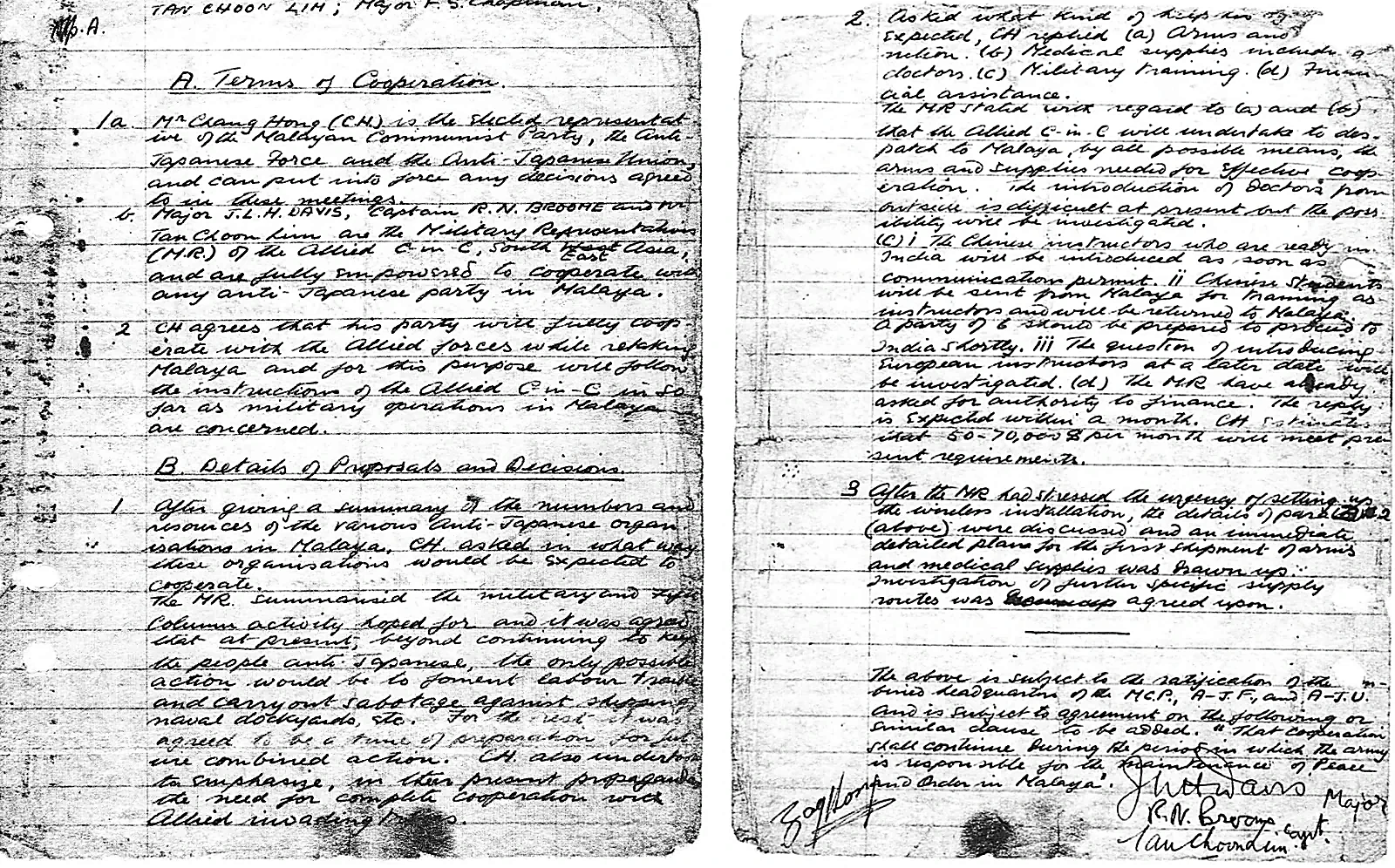
这是1943年12月那个早晨在布兰丹营地会议上,让我们目不转睛的文件。它像磁石般紧紧吸住了我们。六个人围坐在木桌前,被这份看似人畜无害的文件牢牢震撼。我们无一例外地都预感到,它将决定整个未来,而它确实做到了。尽管那天,即使展开最大胆的遐想,我们谁也绝不可能预见到:这份在截然不同的效忠立场间淬火妥协而成的条款与条件,最终竟会铸就大英帝国殖民史中如此令人心悸、腥风血雨的可怕篇章。It drew us like a magnet. Six grown men sat at the table, riveted by the harmless enough looking document. To a man we saw it determining the future. It did. Though none of us that day - not in the wildest of conjectures - could have foreseen how the terms and conditions set therein, forged through disparate allegiances, would shape such a fearful chapter in British colonial history.— 陈平《我方的历史》(My Side of History)回忆1943年美罗协议签字现场 | Chin Peng, My Side of History (Reflecting on the 1943 Blantan Camp Agreement)
双方在反抗日本侵略共同目标下结成同盟;盟军向人民抗日军提供武器弹药、通讯设备与医药;抗日军保持组织独立性与军事自决权。An alliance under the common objective of resisting Japan; Allied logistical and weapons support; while preserving the complete operational sovereignty of the MPAJA.— 《美罗协议》盟约原则条文(1943年12月30日) | The Bidor Agreement Principles (December 30, 1943)
经过数日深入磋商,双方最终于1943年12月底至1944年初正式达成了载入史册的《美罗协议》(Bidor Agreement)。协议明确确立了平等合作的基本准则:在战时反击日本法西斯侵略的共同目标下,抗日军与盟军东南亚司令部进行全面的军事战略配合;盟军负责通过潜艇与空投,向抗日军提供先进的轻重军火、药品、无线电通信设备以及军事教官;而抗日军则负责提供敌后全方位的地面情报、安全向导以及作战掩护。
最为关键的是,马共代表在协议中牢牢锁死了一条钢铁底线:马共与英军的合作仅限于“战时击败日本法西斯”这一特定军事阶段,马共绝不签署任何承认战后大英帝国重返马来亚恢复殖民统治的政治文件!这一光辉的原则性坚持,粉碎了英国企图借战时合作变相诱降马共的政治图谋,展现了马共在错综复杂的国际反法西斯统战中无与伦比的主体性与尊严。
Following intense deliberations, the historic Bidor Agreement was finalized at the turn of 1943–1944. It established collaboration on equal terms: the MPAJA and SEAC would synchronize operations against Japanese forces; the Allies would deliver arms, explosives, medical supplies, and wireless equipment via submarine and airdrop; while the MPAJA provided intelligence, security networks, and combat personnel.
Crucially, the CPM representatives safeguarded Malayan sovereignty in the agreement: cooperation was strictly limited to the military defeat of fascism, with the CPM refusing any clause recognizing post-war British colonial restoration. This preserved the operational independence of the liberation movement within the global anti-fascist front.
第三章:空中补给线与潜艇运输:抗日军战力的大飞跃
Chapter 3: Aerial Convoys and Weapon Drops — The Modernization of the Resistance
《美罗协议》签署之后,马来亚的敌后抗日斗争进入了一个前所未有的全新战略阶段。从1944年下半年至1945年日本投降前夕,在马共密林营地的地面引导下,盟军展开了代号“卡朋特行动”(Operation Carpenter)的大规模海上与空中战略补给行动。
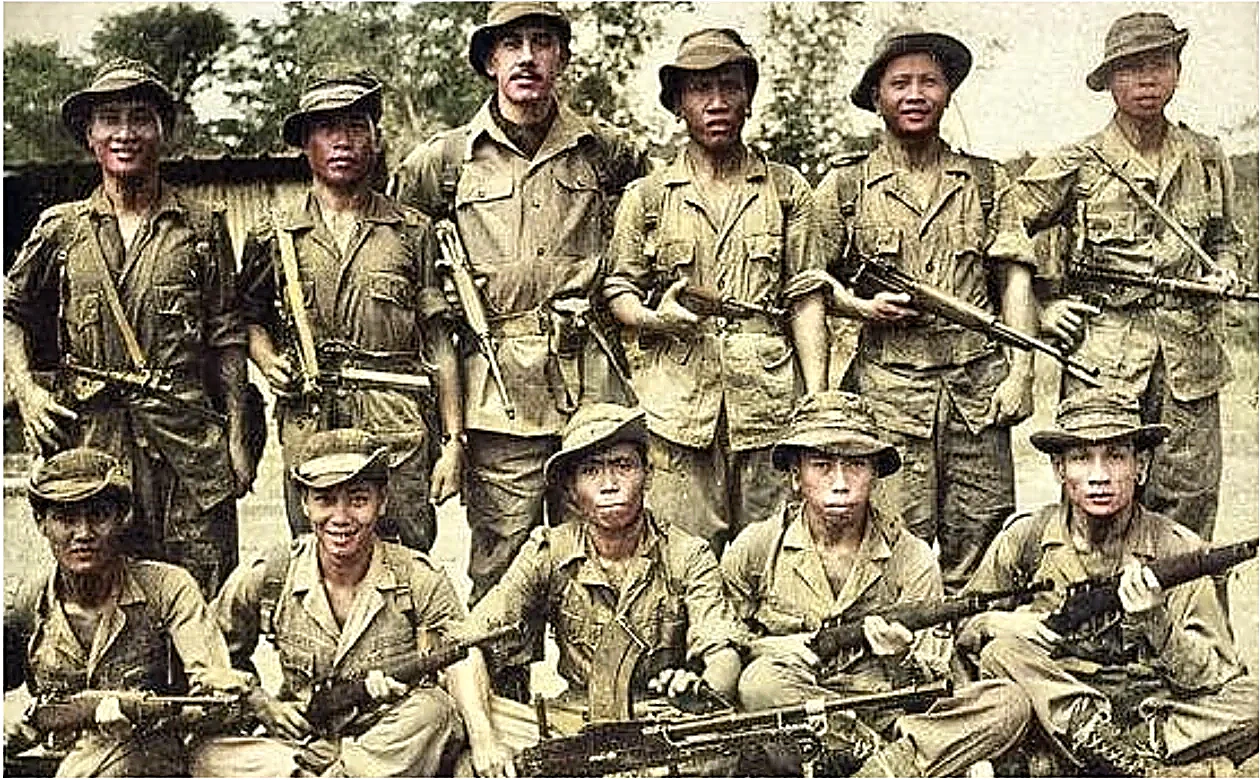
一艘艘满载现代化军备的英国皇家海军潜艇在马来亚东西两岸秘密靠岸,一批批来自锡兰盟军空军基地的B-24“解放者”重型远程轰炸机穿透云霄。在黑夜中,游击战士们在丛林深处的开阔地悄然点燃三堆呈三角形的引导篝火,数以百计挂着降落伞的军火集装箱如飞鸟般降落在密林深处。英制的斯登冲锋枪、布伦轻机枪、李·恩菲尔德步枪、高爆塑性炸药、野战医药包以及先进的短波电台源源不断地运抵抗日军各支队。
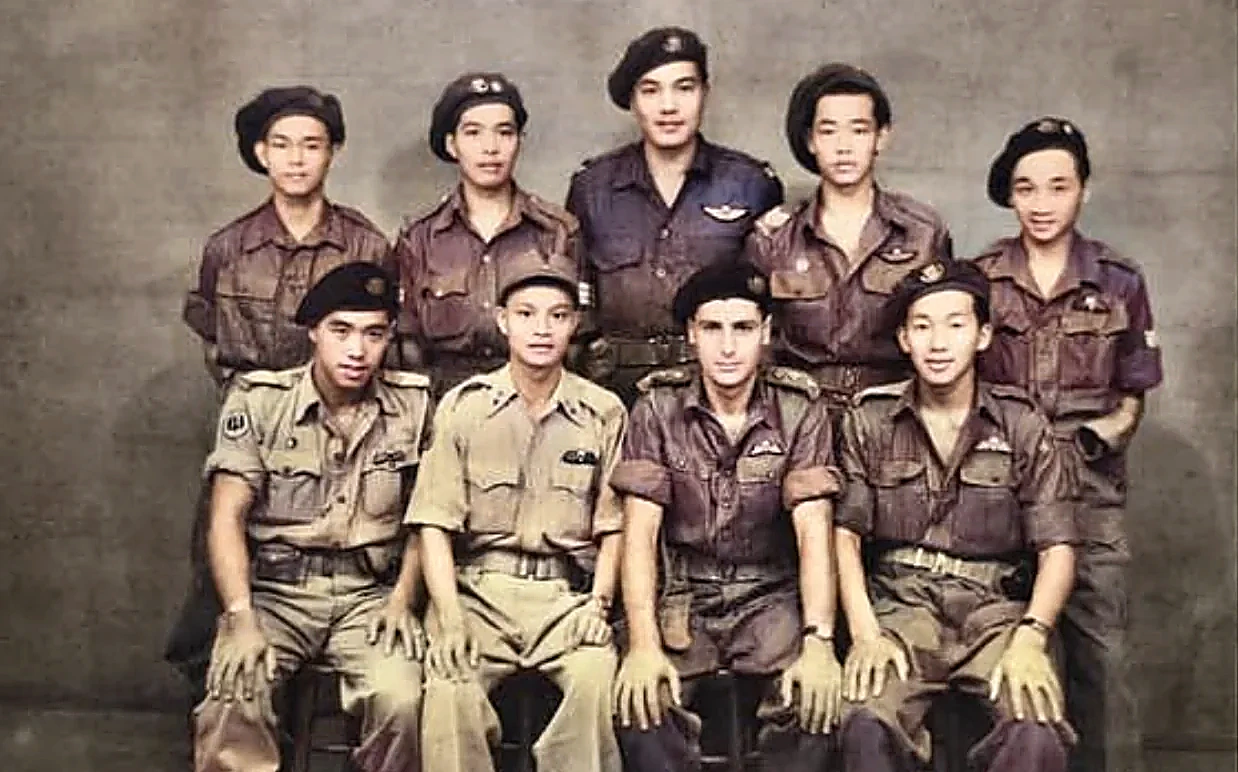
在英国136部队联络官与爆破教官的协同训练下,这群久经丛林磨砺的青年游击战士展现出严明的组织纪律与极强的军事领悟力。他们不仅在短短数周内熟练掌握了现代无线电密码收发、航空识别信号布设等精密特种技能,更将英式高爆塑胶炸药(PE)与丛林伏击战术完美结合,创造出令日军闻风丧胆的铁路破袭战与桥梁爆破战术。
这些珍贵的武器与电台设备,极大地提升了抗日军正规部队的攻坚能力。抗日军各支独立队迅速装备了数百支全自动冲锋枪与轻机枪,建立了覆盖全马从柔佛到霹雳的实时无线电情报指挥网,从零散的游击骚扰一跃具备了对日军中型车队、重要桥梁与坚固矿区据点实施歼灭性打击的强大正规作战能力。
Following the Bidor Agreement, the resistance entered a transformative phase. Between late 1944 and mid-1945, coordinated by clandestine CPM radio teams, Allied command executed extensive supply missions under Operation Carpenter.
Submarines surfaced at secret landing sites, while long-range B-24 Liberators from Ceylon breached Malayan skies. In the dead of night, guerrilla teams lit triangular bonfires in clearings, receiving hundreds of parachuted canisters laden with British Sten submachine guns, Bren light machine guns, Lee-Enfield rifles, plastic explosives, field surgical kits, and shortwave transceivers.
Through joint training with British Force 136 liaison officers and demolition instructors, these jungle-hardened young guerrilla fighters demonstrated strict organizational discipline and exceptional tactical aptitude. Within weeks, they mastered modern wireless cipher transmission and aerial drop-zone signaling, combining British plastic explosives (PE) with jungle ambush tactics to execute devastating railway and bridge sabotage operations against Japanese forces.
These armaments modernized the MPAJA's capabilities. Outfitted with automatic weaponry and a communications grid linking regional commands from Johor to Kedah, the resistance graduated from localized ambushes to large-scale assaults against fortified garrisons and rail corridors.
《美罗协议》签署之后,马来亚的敌后抗日斗争进入了一个前所未有的全新战略阶段。从1944年下半年至1945年日本投降前夕,在马共密林营地的地面引导下,盟军展开了代号“卡朋特行动”(Operation Carpenter)的大规模海上与空中战略补给行动。
一艘艘满载现代化军备的英国皇家海军潜艇在马来亚东西两岸秘密靠岸,一批批来自锡兰盟军空军基地的B-24“解放者”重型远程轰炸机穿透云霄。在黑夜中,游击战士们在丛林深处的开阔地悄然点燃三堆呈三角形的引导篝火,数以百计挂着降落伞的军火集装箱如飞鸟般降落在密林深处。英制的斯登冲锋枪、布伦轻机枪、李·恩菲尔德步枪、高爆塑性炸药、野战医药包以及先进的短波电台源源不断地运抵抗日军各支队。
Following the Bidor Agreement, the resistance entered a transformative phase. Between late 1944 and mid-1945, coordinated by clandestine CPM radio teams, Allied command executed extensive supply missions under Operation Carpenter.
Submarines surfaced at secret landing sites, while long-range B-24 Liberators from Ceylon breached Malayan skies. In the dead of night, guerrilla teams lit triangular bonfires in clearings, receiving hundreds of parachuted canisters laden with British Sten submachine guns, Bren light machine guns, Lee-Enfield rifles, plastic explosives, field surgical kits, and shortwave transceivers.
在英国136部队联络官与爆破教官的协同训练下,这群久经丛林磨砺的青年游击战士展现出严明的组织纪律与极强的军事领悟力。他们不仅在短短数周内熟练掌握了现代无线电密码收发、航空识别信号布设等精密特种技能,更将英式高爆塑胶炸药(PE)与丛林伏击战术完美结合,创造出令日军闻风丧胆的铁路破袭战与桥梁爆破战术。
这些珍贵的武器与电台设备,极大地提升了抗日军正规部队的攻坚能力。抗日军各支独立队迅速装备了数百支全自动冲锋枪与轻机枪,建立了覆盖全马从柔佛到霹雳的实时无线电情报指挥网,从零散的游击骚扰一跃具备了对日军中型车队、重要桥梁与坚固矿区据点实施歼灭性打击的强大正规作战能力。
Through joint training with British Force 136 liaison officers and demolition instructors, these jungle-hardened young guerrilla fighters demonstrated strict organizational discipline and exceptional tactical aptitude. Within weeks, they mastered modern wireless cipher transmission and aerial drop-zone signaling, combining British plastic explosives (PE) with jungle ambush tactics to execute devastating railway and bridge sabotage operations against Japanese forces.
These armaments modernized the MPAJA's capabilities. Outfitted with automatic weaponry and a communications grid linking regional commands from Johor to Kedah, the resistance graduated from localized ambushes to large-scale assaults against fortified garrisons and rail corridors.
第四章:血肉相依的战时统战:营救盟军飞行员与历史启示
Chapter 4: The Crucible of Alliance — Rescuing Allied Airmen and Historical Lessons
在整场太平洋战争期间,马共及其领导的抗日军用实际行动,展现了世界无产阶级在抗击法西斯国际战线中极其忠诚、英勇且富有自我牺牲精神的崇高风貌。除了在正面战场牵制数万日军精锐,抗日军还在遍布全马的丛林网络中,多次冒着被日军严刑屠村的巨大危险,展开了惊心动魄的营救被击落盟军飞行员的行动。
多架在执行对日军轰炸任务中被击伤击落的英国皇家空军与美国陆军航空队飞行员,在跳伞降落在热带雨林深处后,都在第一时间内得到了抗日军游击小队的紧急搜寻与保护。游击队员们用自制的担架抬着负伤的白人飞行员翻山越岭,把仅有的珍贵大米与草药让给伤员救治,甚至在日军重兵搜山时,用自己的血肉之躯引开敌人,为盟军飞行员的隐蔽转移赢得了生机。数十名英美飞行员正是通过马共严密守护的敌后丛林秘密通道,安全穿越敌后返回了印度盟军基地。
然而,历史的残酷与讽刺在于:就在抗日军战士们用鲜血保护英国教官、营救英国飞行员的同时,大英帝国的高层政客却早已在伦敦的安乐椅上,秘密规划着战后如何用这些曾经并肩作战的武器,反过来屠杀这些淳朴善良的马来亚工农儿女!
《美罗协议》的签署与执行,在马来亚革命史上留下了一笔无价的战略遗产。它向后人证明:一个真正扎根于人民中的先锋政党,既能够在国际反法西斯大局面前展现出博大的胸襟与高度的合作灵活性,更能够在帝国主义的糖衣炮弹与霸权傲慢面前,坚如磐石地捍卫民族独立的主权底线。这种有理、有利、有节的战略胆魄,永远是马来亚人民民族自尊的骄傲基石!
Throughout the Pacific War, the CPM and the MPAJA demonstrated self-sacrificing internationalist solidarity. Beyond pinning down Japanese garrisons, guerrilla detachments conducted daring operations across the peninsula to rescue downed Allied aviators.
Dozens of British Royal Air Force and American aircrews shot down over occupied territory were recovered by MPAJA patrols. Guerrillas carried wounded Western airmen across mountain ranges, sharing scarce food and medicine. In numerous engagements, combatants sacrificed their lives to decoy Kempeitai patrols away from injured airmen, evacuating them to Allied extraction points.
Yet historical irony was stark: while liberation fighters shed blood protecting Force 136 personnel and rescuing Allied pilots, Westminster strategists were plotting to use military violence against these very combatants once fascist Japan was defeated.
The legacy of the Bidor Agreement endures as a masterclass in revolutionary statecraft. It proved that a people's movement can forge principled tactical alliances within a global coalition, while defending the core tenets of national self-determination. That principled posture remains an enduring foundation of Malayan historical dignity.
在整场太平洋战争期间,马共及其领导的抗日军用实际行动,展现了世界无产阶级在抗击法西斯国际战线中极其忠诚、英勇且富有自我牺牲精神的崇高风貌。除了在正面战场牵制数万日军精锐,抗日军还在遍布全马的丛林网络中,多次冒着被日军严刑屠村的巨大危险,展开了惊心动魄的营救被击落盟军飞行员的行动。
多架在执行对日军轰炸任务中被击伤击落的英国皇家空军与美国陆军航空队飞行员,在跳伞降落在热带雨林深处后,都在第一时间内得到了抗日军游击小队的紧急搜寻与保护。游击队员们用自制的担架抬着负伤的白人飞行员翻山越岭,把仅有的珍贵大米与草药让给伤员救治,甚至在日军重兵搜山时,用自己的血肉之躯引开敌人,为盟军飞行员的隐蔽转移赢得了生机。数十名英美飞行员正是通过马共严密守护的敌后丛林秘密通道,安全穿越敌后返回了印度盟军基地。
Throughout the Pacific War, the CPM and the MPAJA demonstrated self-sacrificing internationalist solidarity. Beyond pinning down Japanese garrisons, guerrilla detachments conducted daring operations across the peninsula to rescue downed Allied aviators.
Dozens of British Royal Air Force and American aircrews shot down over occupied territory were recovered by MPAJA patrols. Guerrillas carried wounded Western airmen across mountain ranges, sharing scarce food and medicine. In numerous engagements, combatants sacrificed their lives to decoy Kempeitai patrols away from injured airmen, evacuating them to Allied extraction points.
然而,历史的残酷与讽刺在于:就在抗日军战士们用鲜血保护英国教官、营救英国飞行员的同时,大英帝国的高层政客却早已在伦敦的安乐椅上,秘密规划着战后如何用这些曾经并肩作战的武器,反过来屠杀这些淳朴善良的马来亚工农儿女!
《美罗协议》的签署与执行,在马来亚革命史上留下了一笔无价的战略遗产。它向后人证明:一个真正扎根于人民中的先锋政党,既能够在国际反法西斯大局面前展现出博大的胸襟与高度的合作灵活性,更能够在帝国主义的糖衣炮弹与霸权傲慢面前,坚如磐石地捍卫民族独立的主权底线。这种有理、有利、有节的战略胆魄,永远是马来亚人民民族自尊的骄傲基石!
Yet historical irony was stark: while liberation fighters shed blood protecting Force 136 personnel and rescuing Allied pilots, Westminster strategists were plotting to use military violence against these very combatants once fascist Japan was defeated.
The legacy of the Bidor Agreement endures as a masterclass in revolutionary statecraft. It proved that a people's movement can forge principled tactical alliances within a global coalition, while defending the core tenets of national self-determination. That principled posture remains an enduring foundation of Malayan historical dignity.